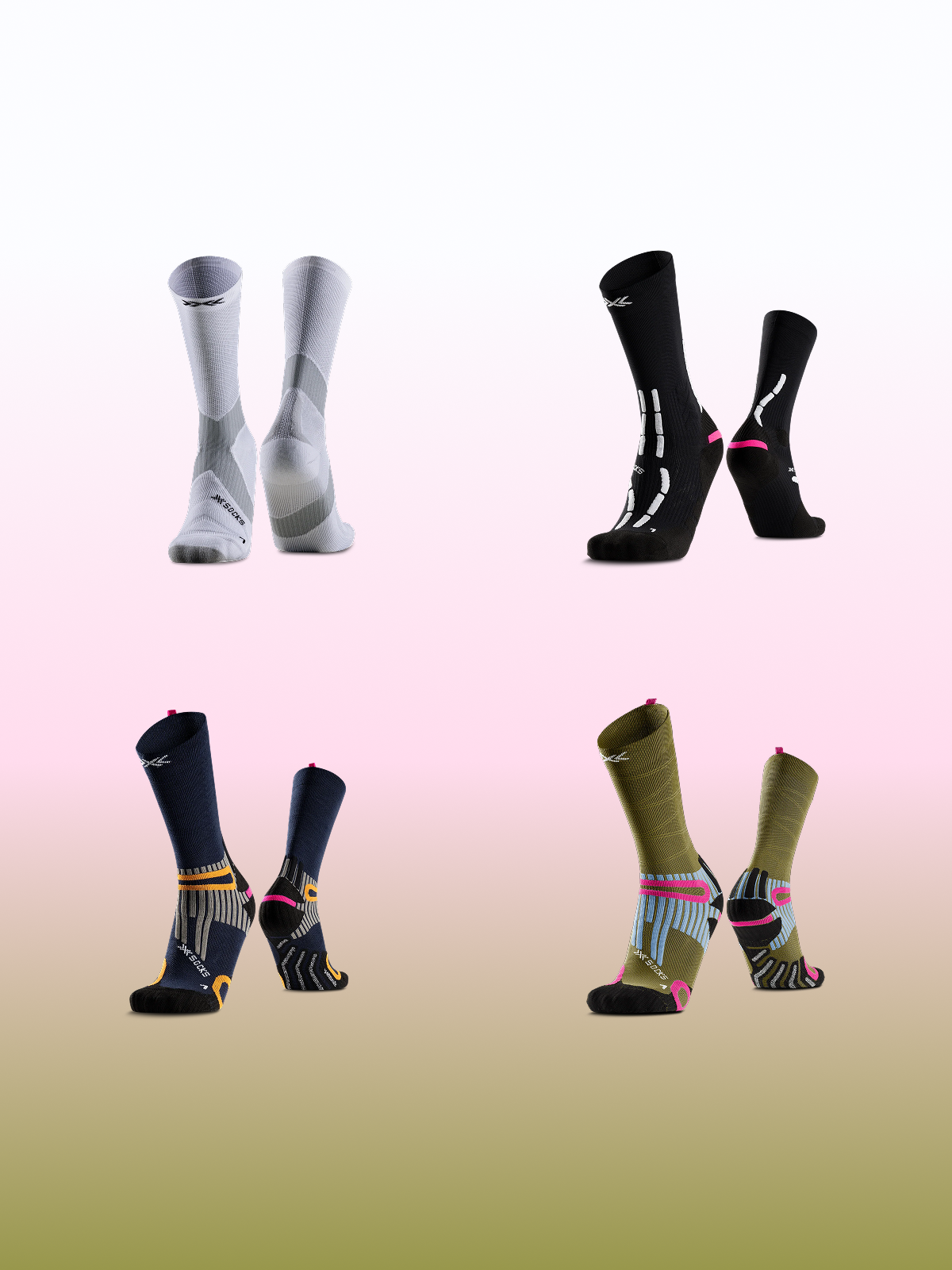
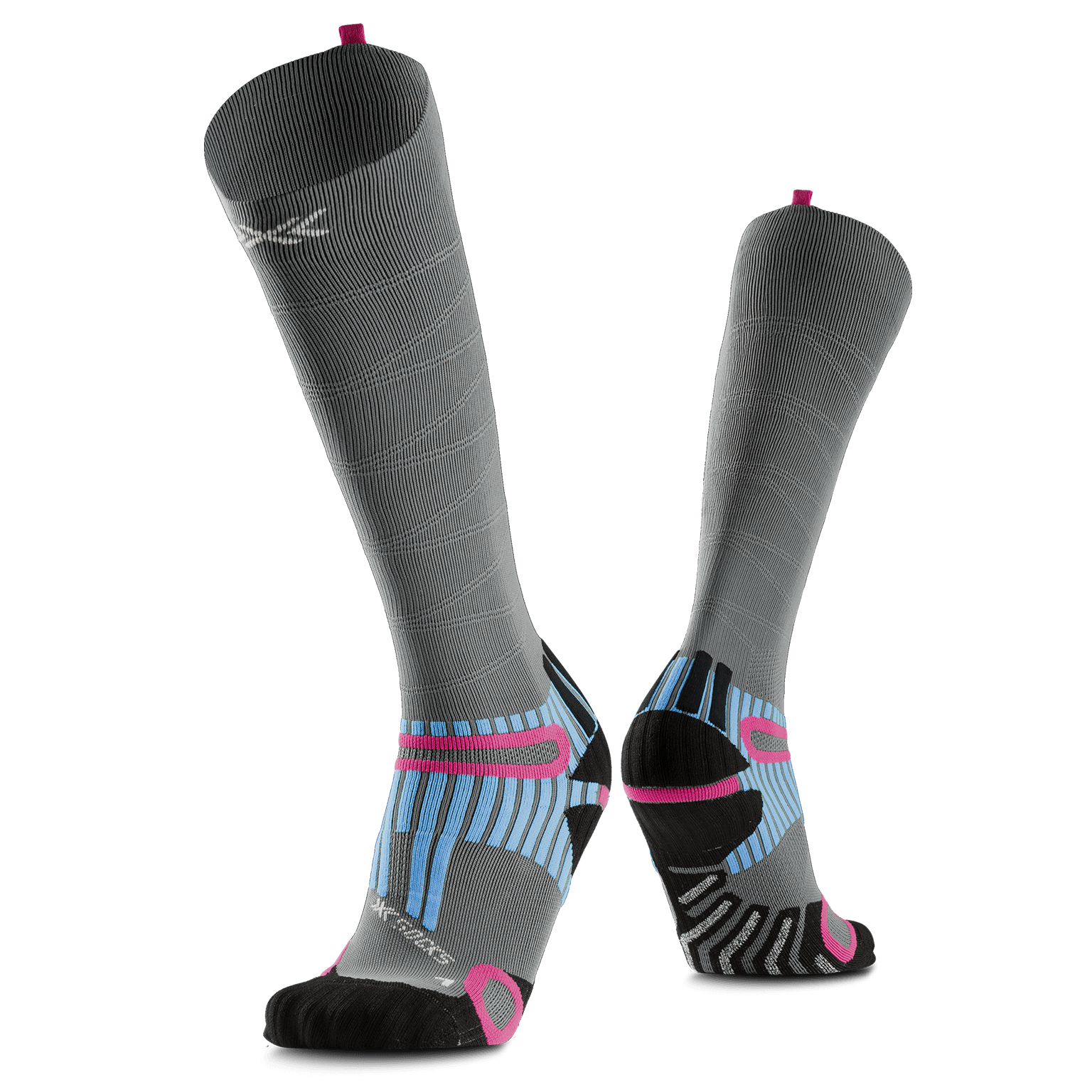
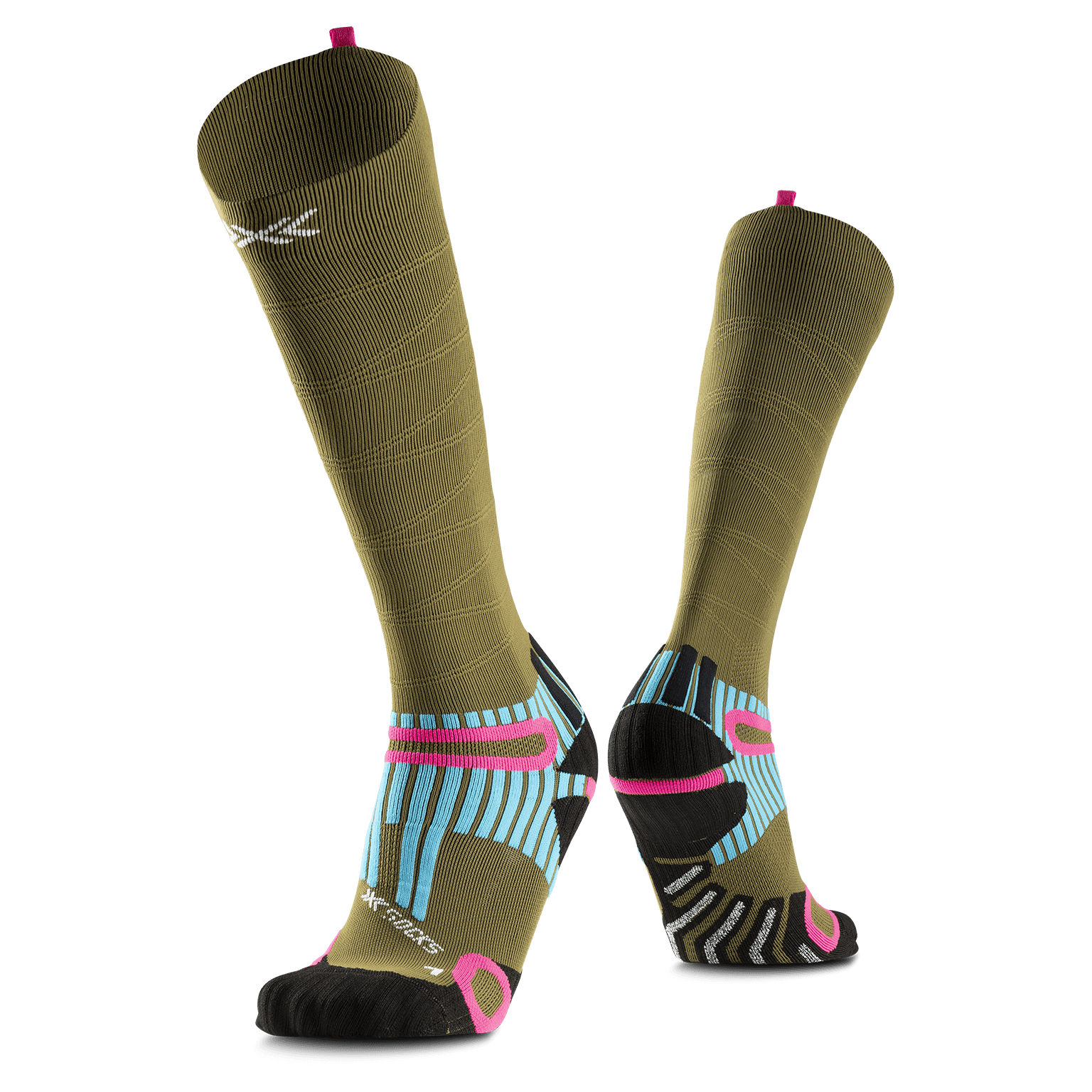
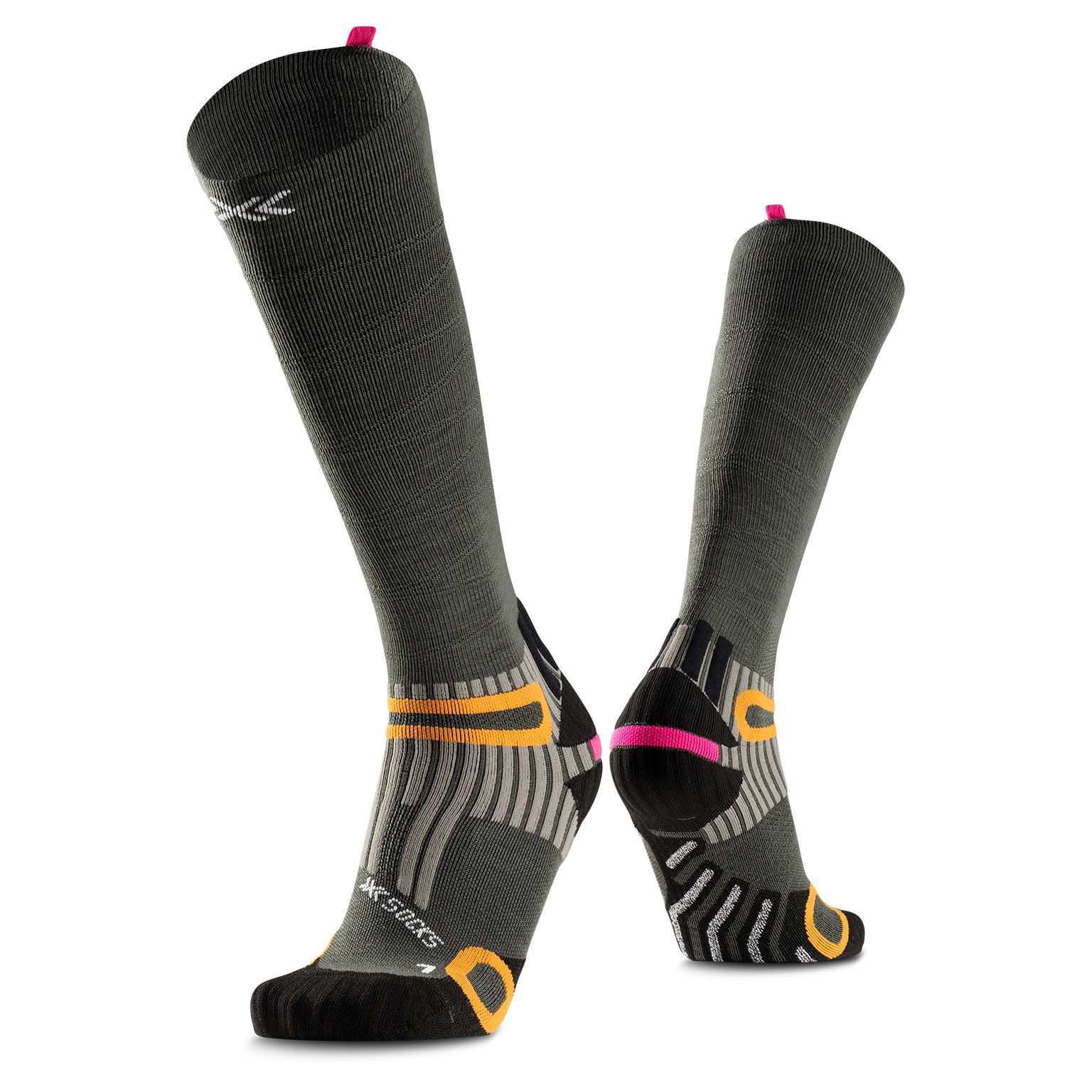
Understanding Sock Materials and Performance
The best socks for hiking utilize synthetic performance fibers that deliver superior moisture-wicking capabilities compared to traditional materials. Modern hiking socks are designed with engineered fiber blends that transport moisture away from skin while maintaining structural integrity through repeated wash cycles.
Merino wool socks offer natural odor resistance and temperature regulation properties. When blended with synthetic fibers, merino wool provides the breathable comfort of natural fibers with enhanced durability. These wool socks maintain performance characteristics even when wet, making them ideal for multi-day backpacking trips.
Synthetic performance fibers excel in moisture management and quick-dry capabilities. Quality socks combine these materials strategically—placing moisture-wicking synthetics against the skin and incorporating wool for temperature regulation and odor control.
Cushioning Levels: Finding Your Perfect Fit
Hiking sock cushioning directly impacts comfort and blister prevention. Cushion levels range from ultra-light to maximum, each engineered for specific hiking conditions and boot types.
Lightweight hiking socks work best with low-cut hiking shoes and for light hiking on well-maintained trails. These socks offer minimal cushioning while maximizing moisture-wicking performance. They're perfect for day hikes and summer hiking when you prioritize breathability over impact protection.
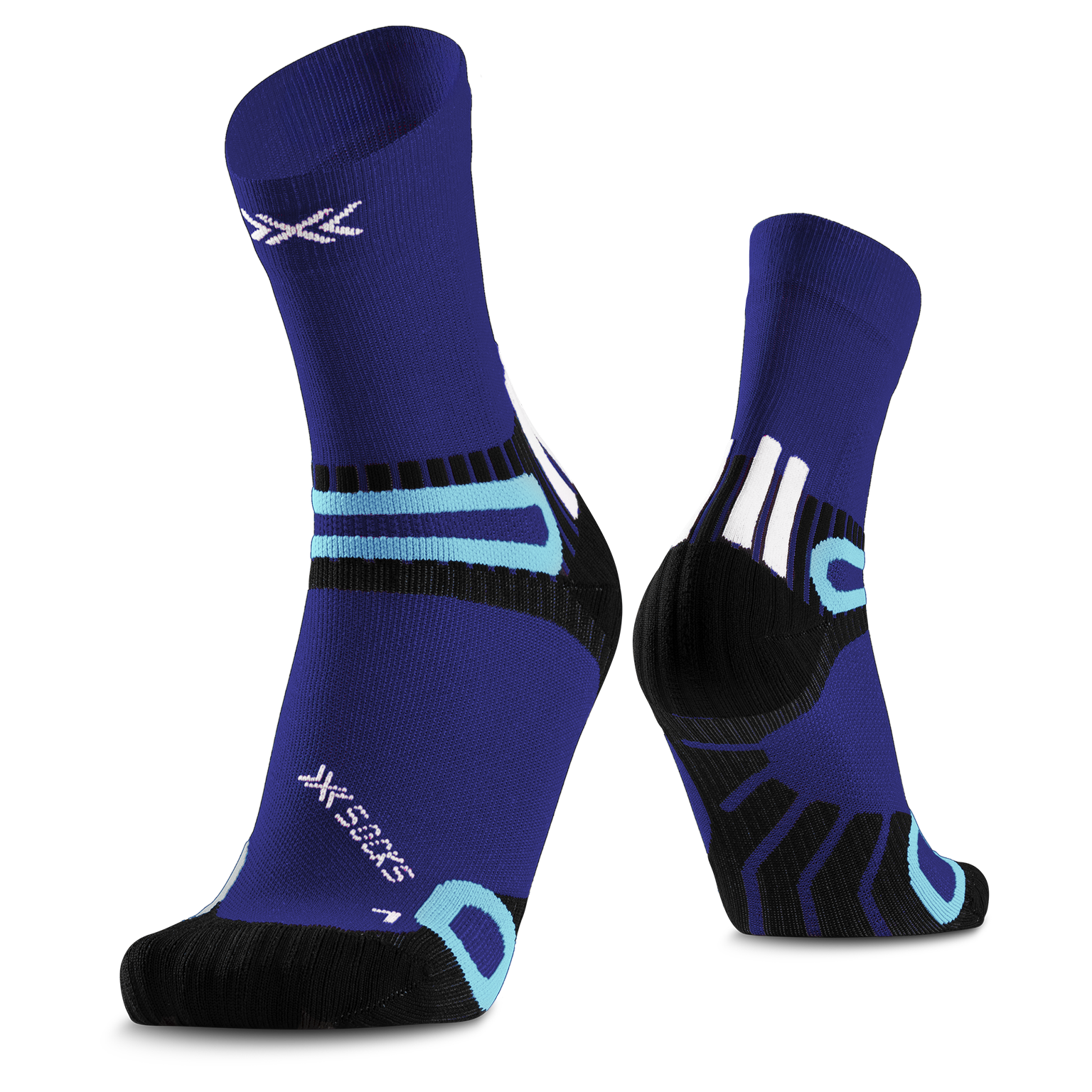
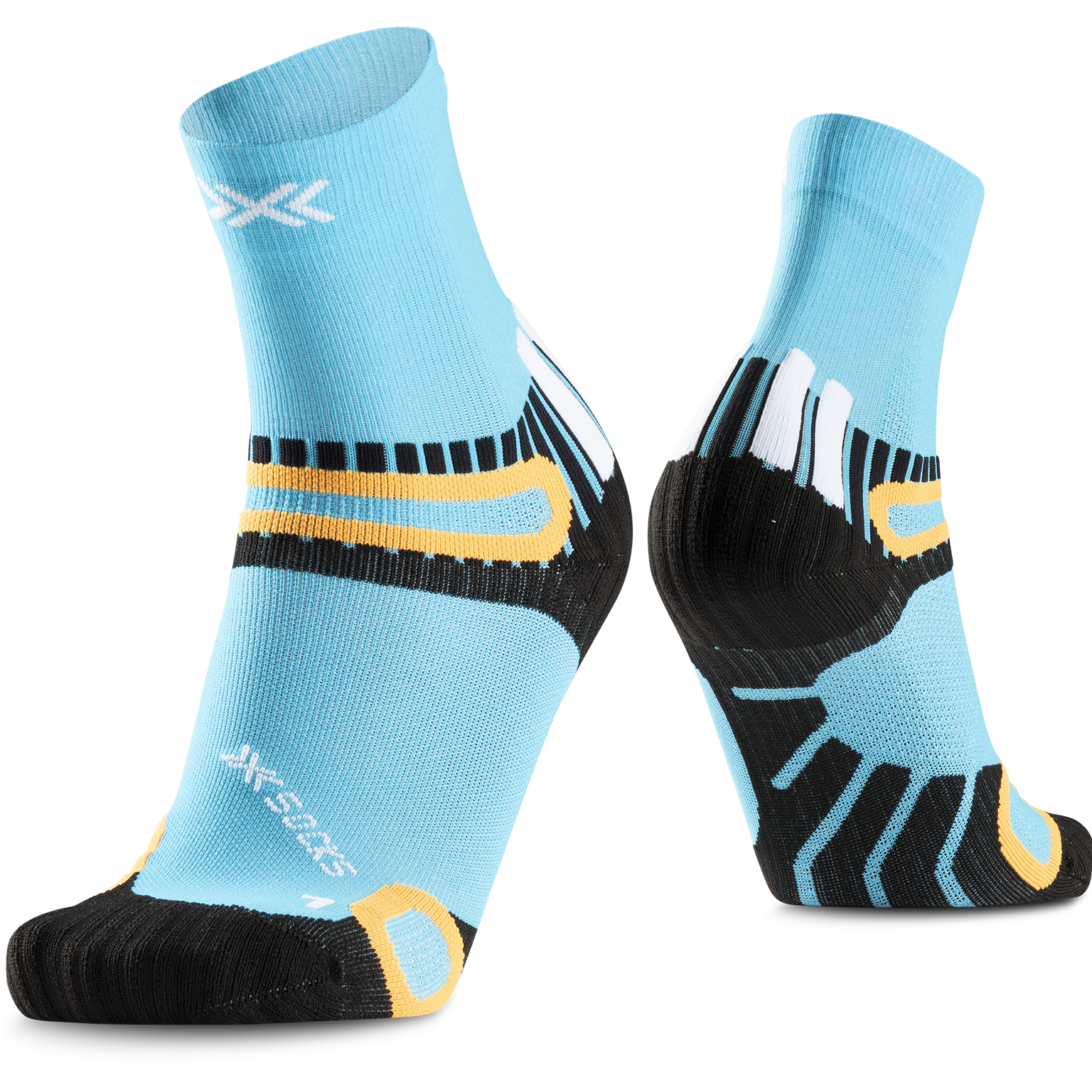
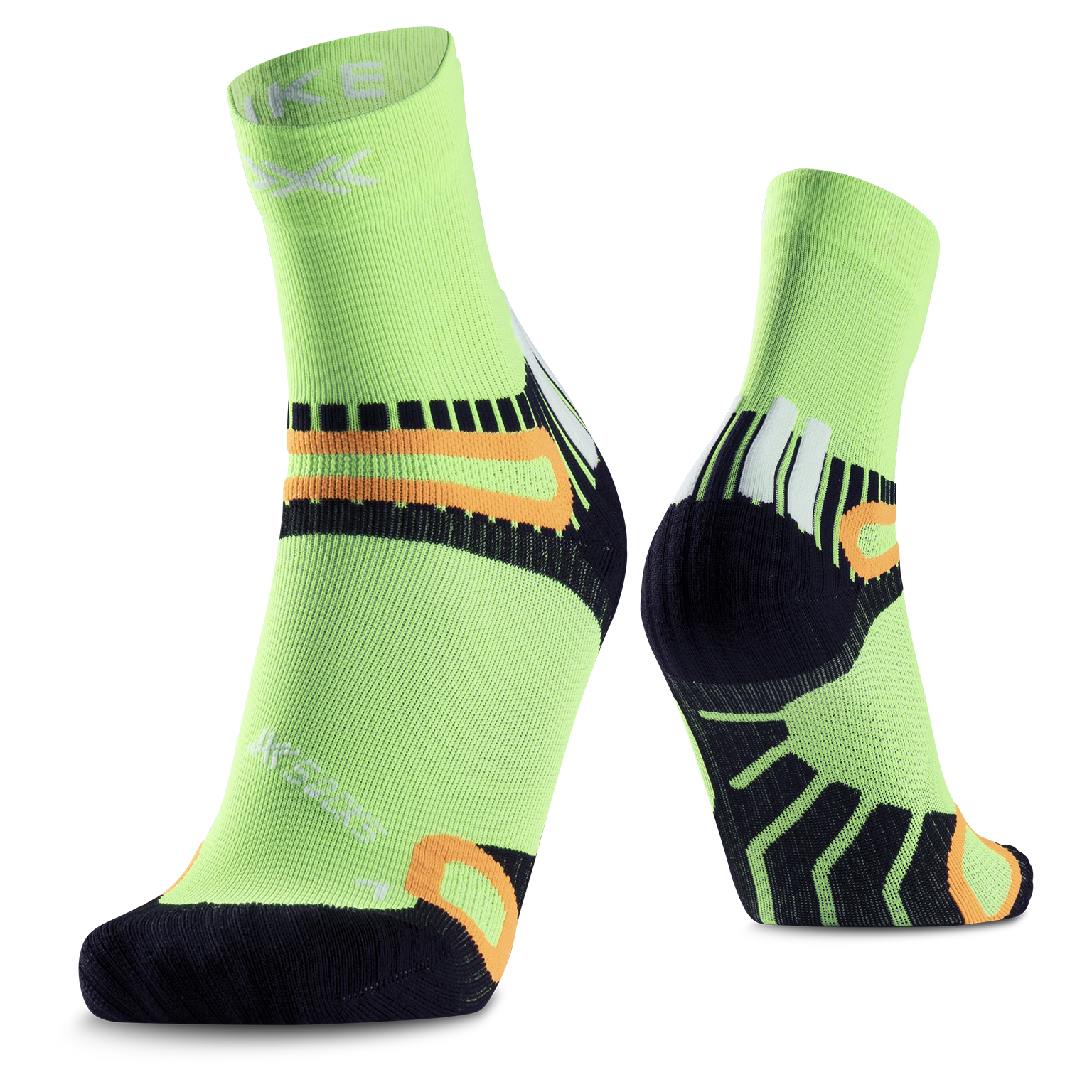
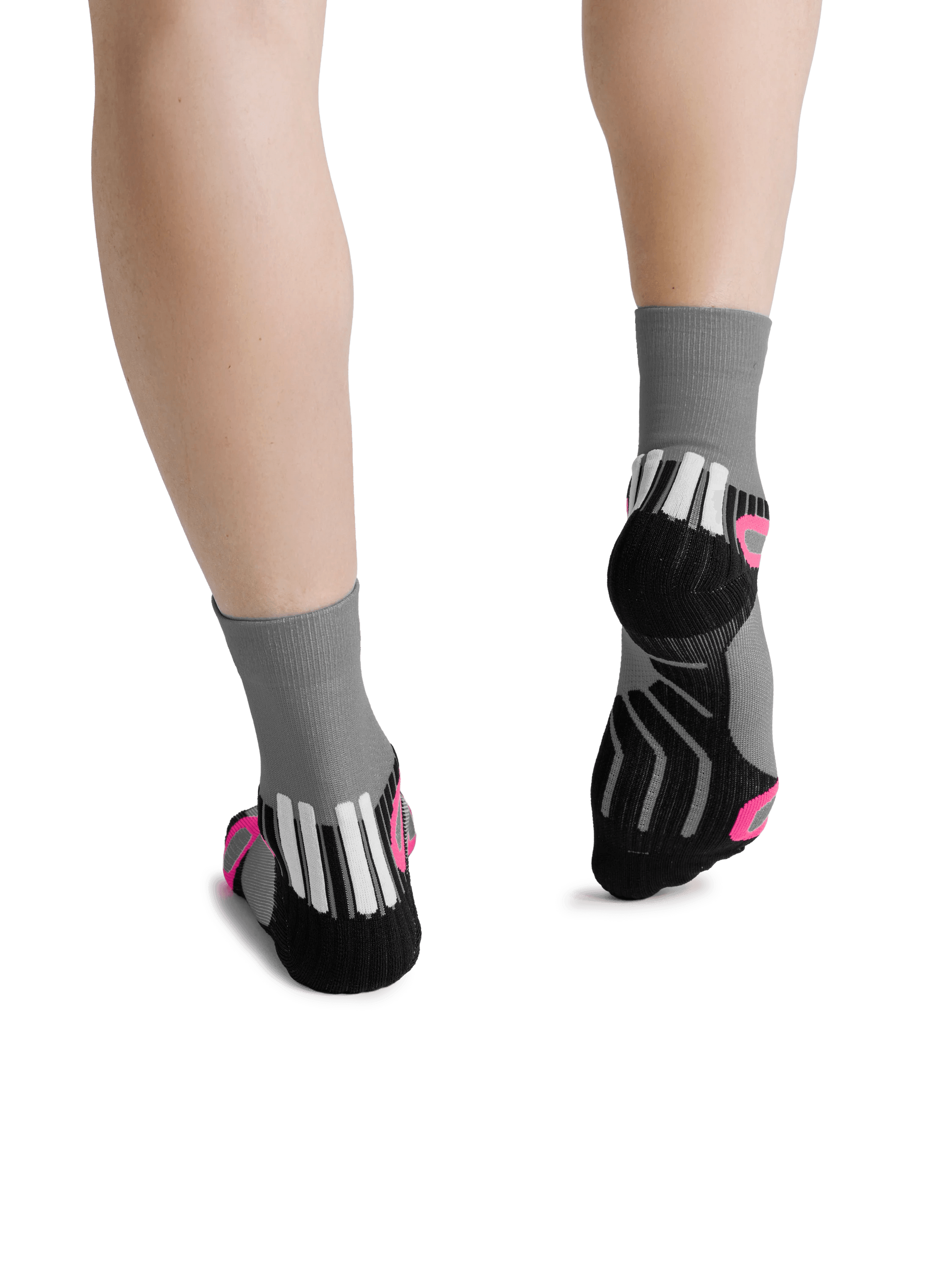
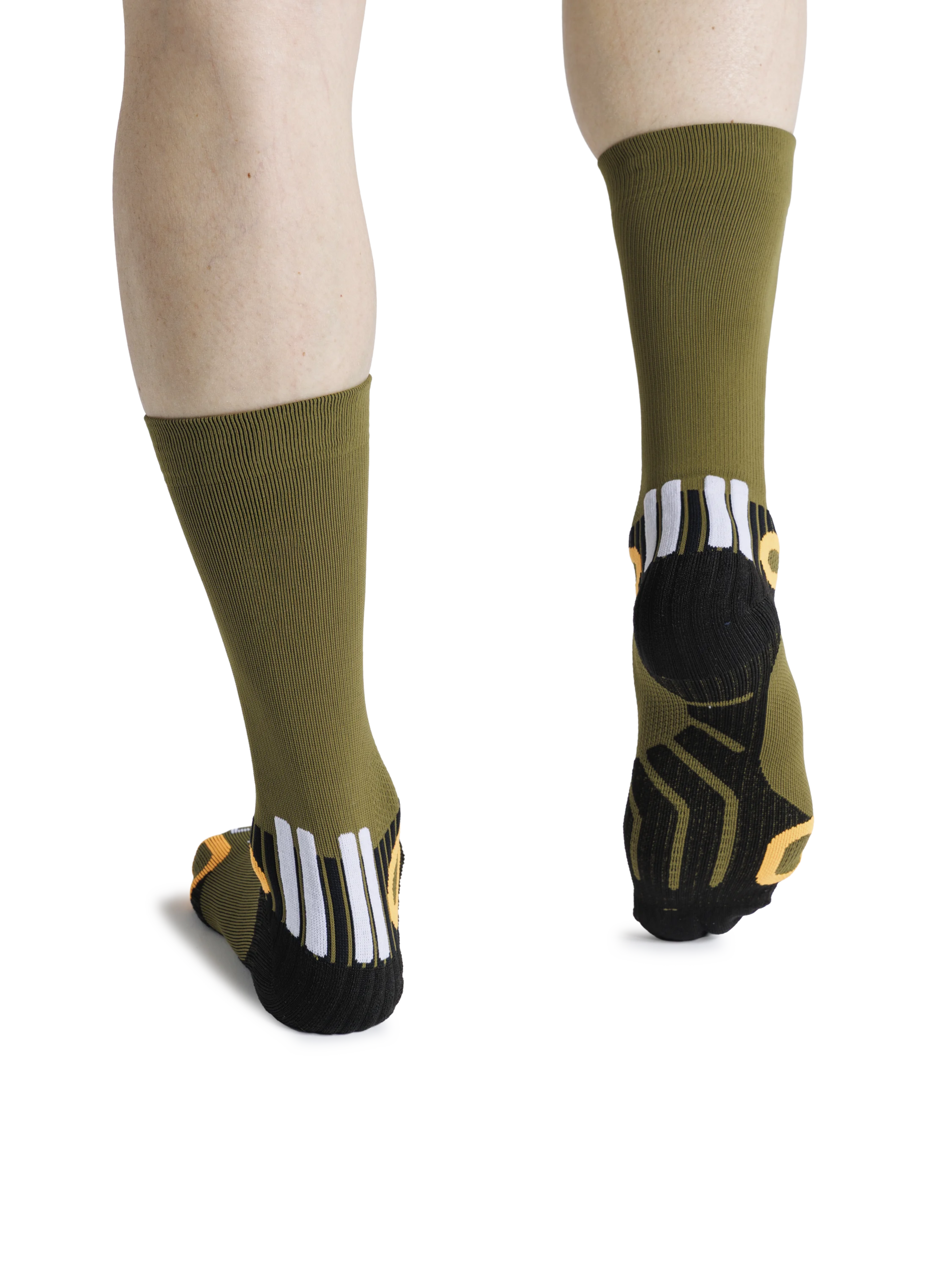
Medium cushion socks provide balanced protection for most hiking conditions. The cushioning targets high-impact zones—heels and toes—while maintaining breathability across the foot. This cushioning level suits most hiking boots and trail conditions.
Heavyweight socks deliver maximum cushioning for extended backpacking trips and winter hikes. The extra cushion helps prevent hot spots during long hiking sessions and provides insulation for cold weather hiking. These cushy socks work best with properly fitted hiking boots that accommodate the additional volume.
Sock Height: Crew vs. Boot Height Options
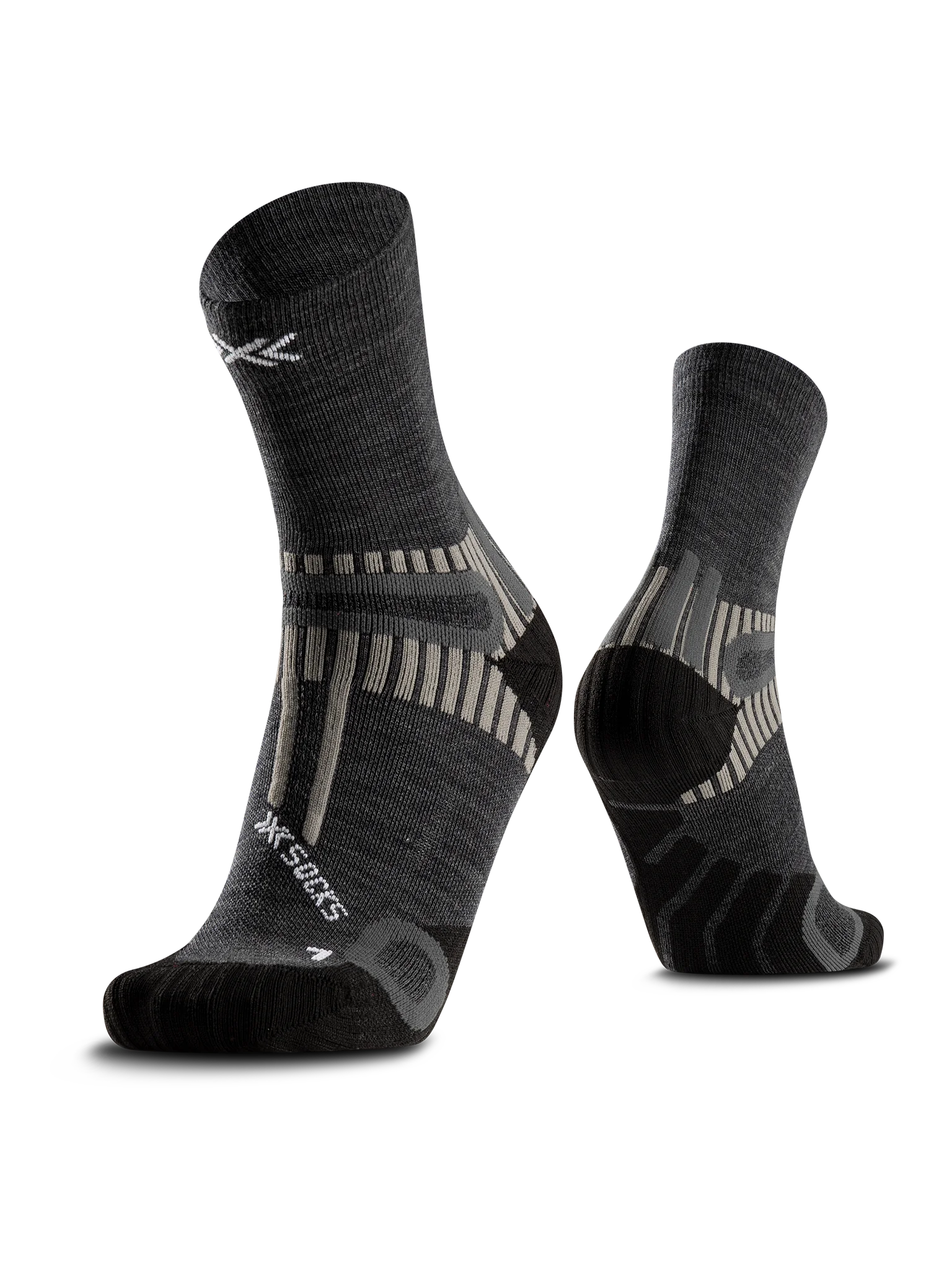
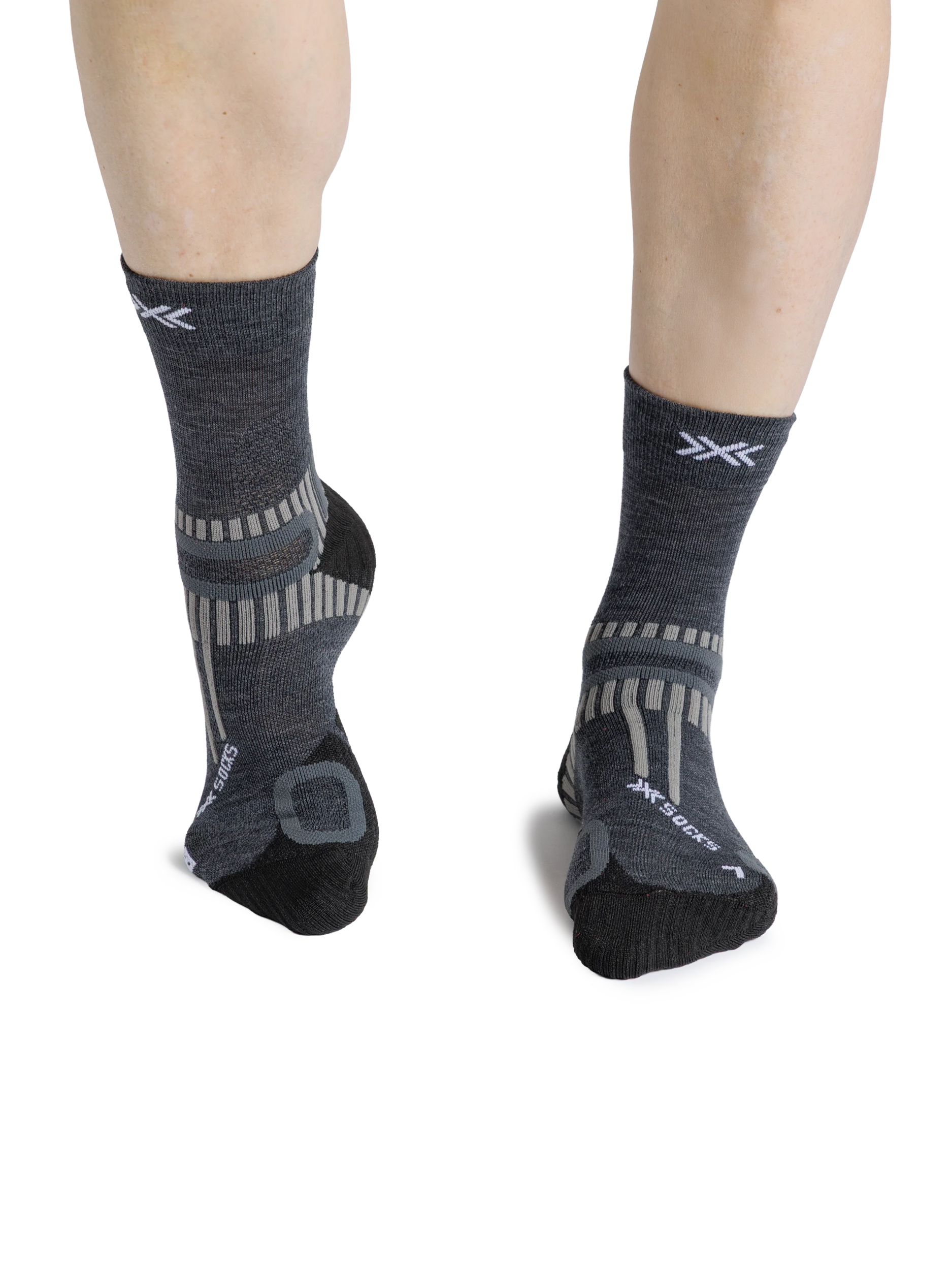
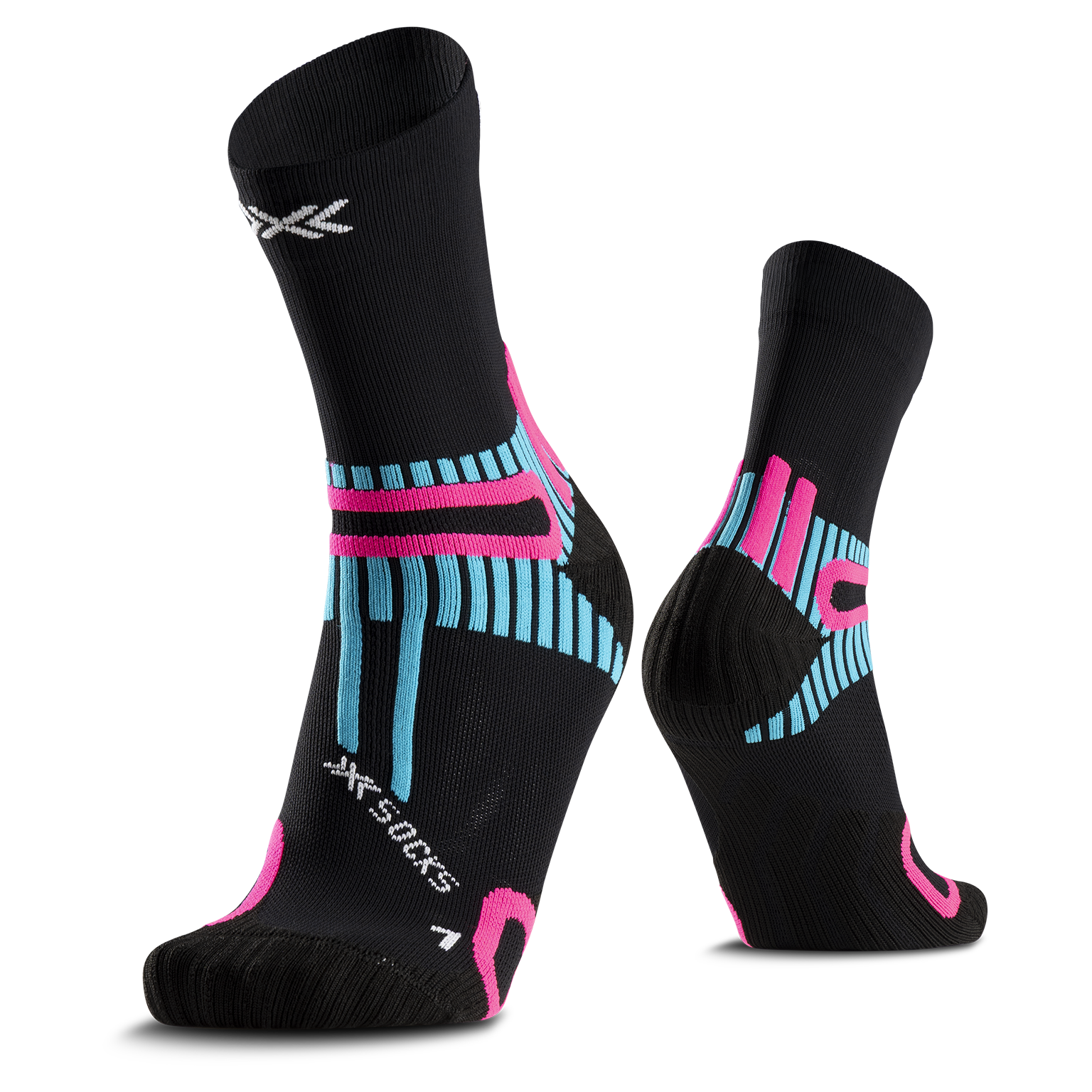
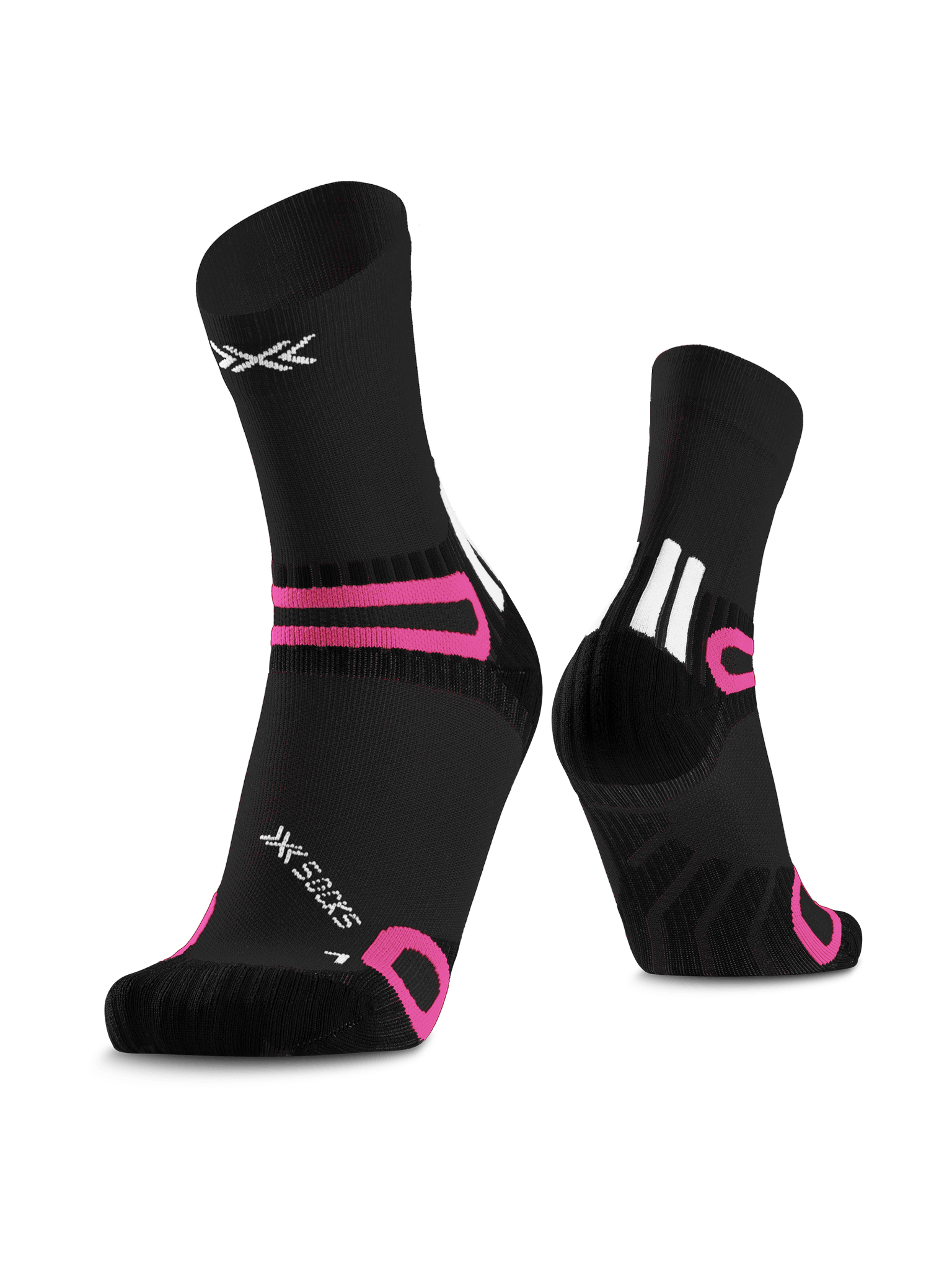
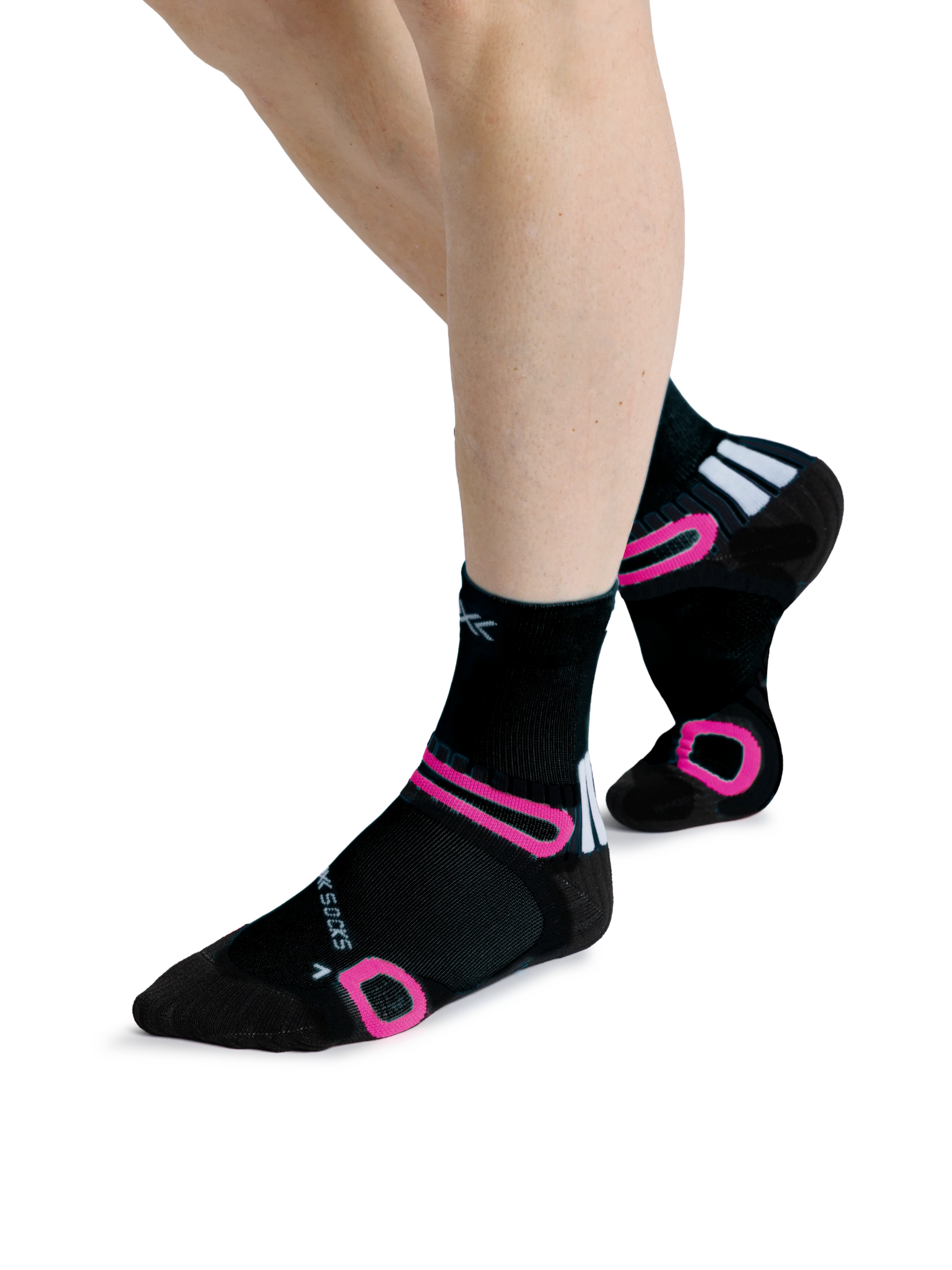
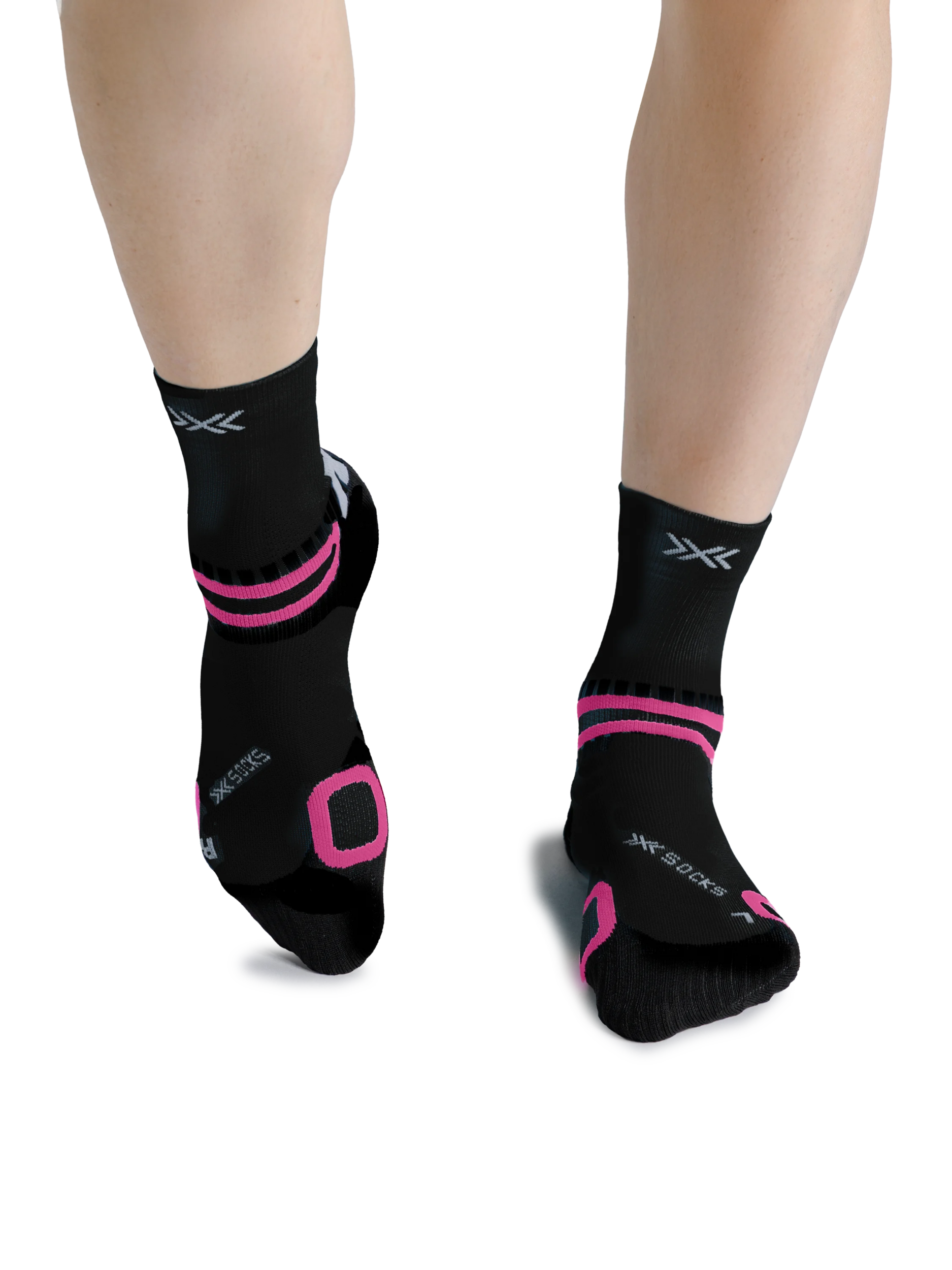
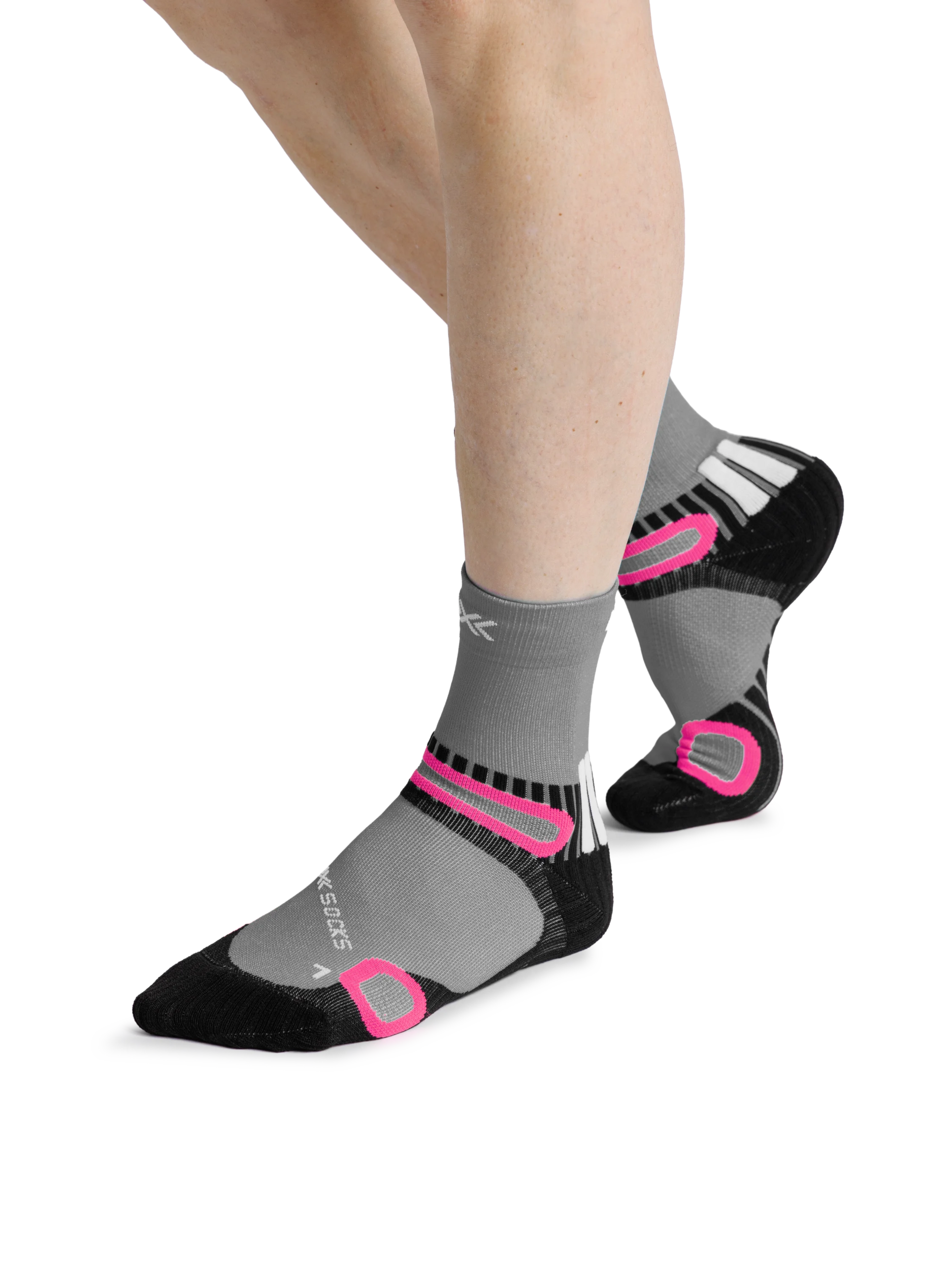
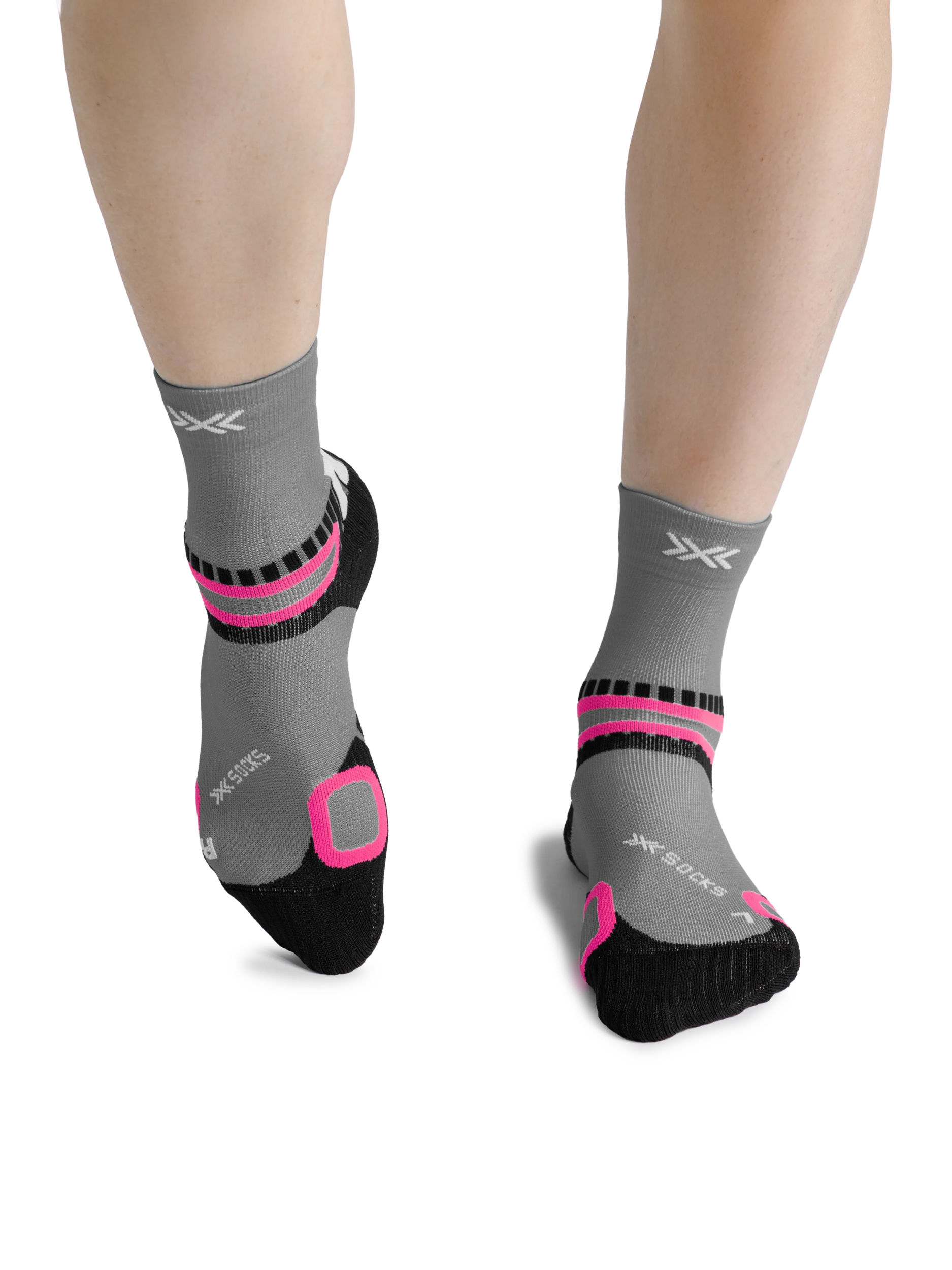
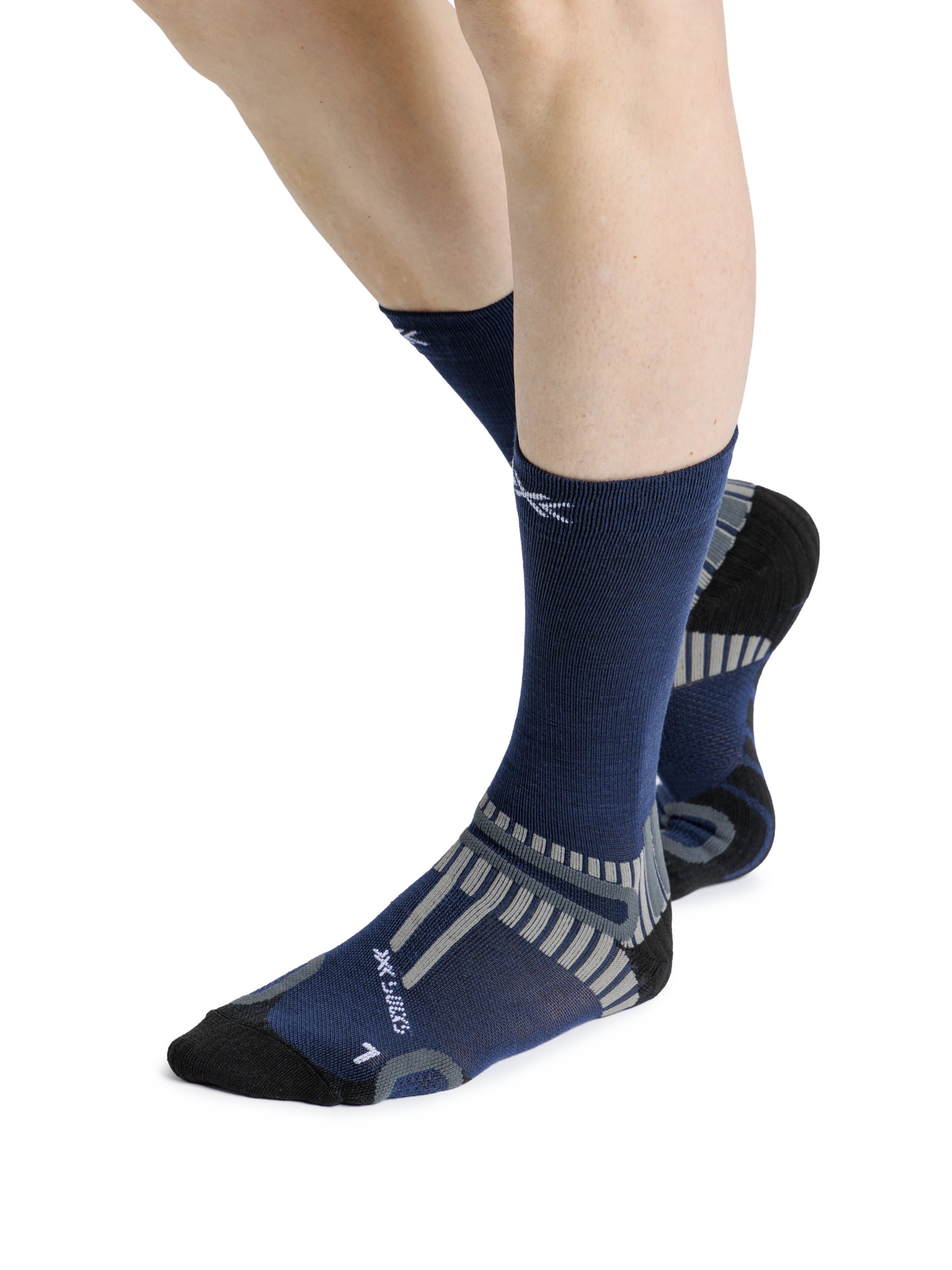
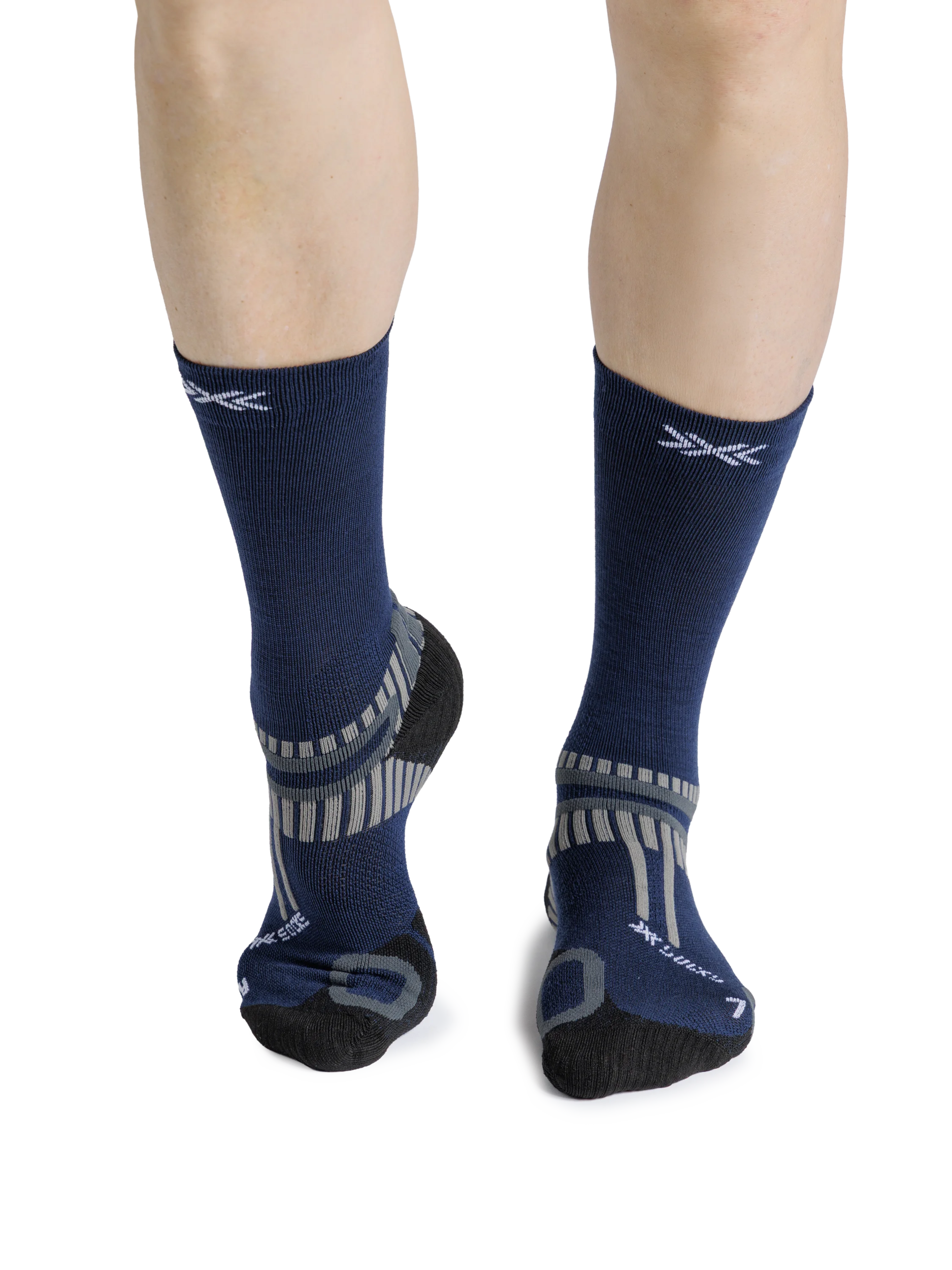
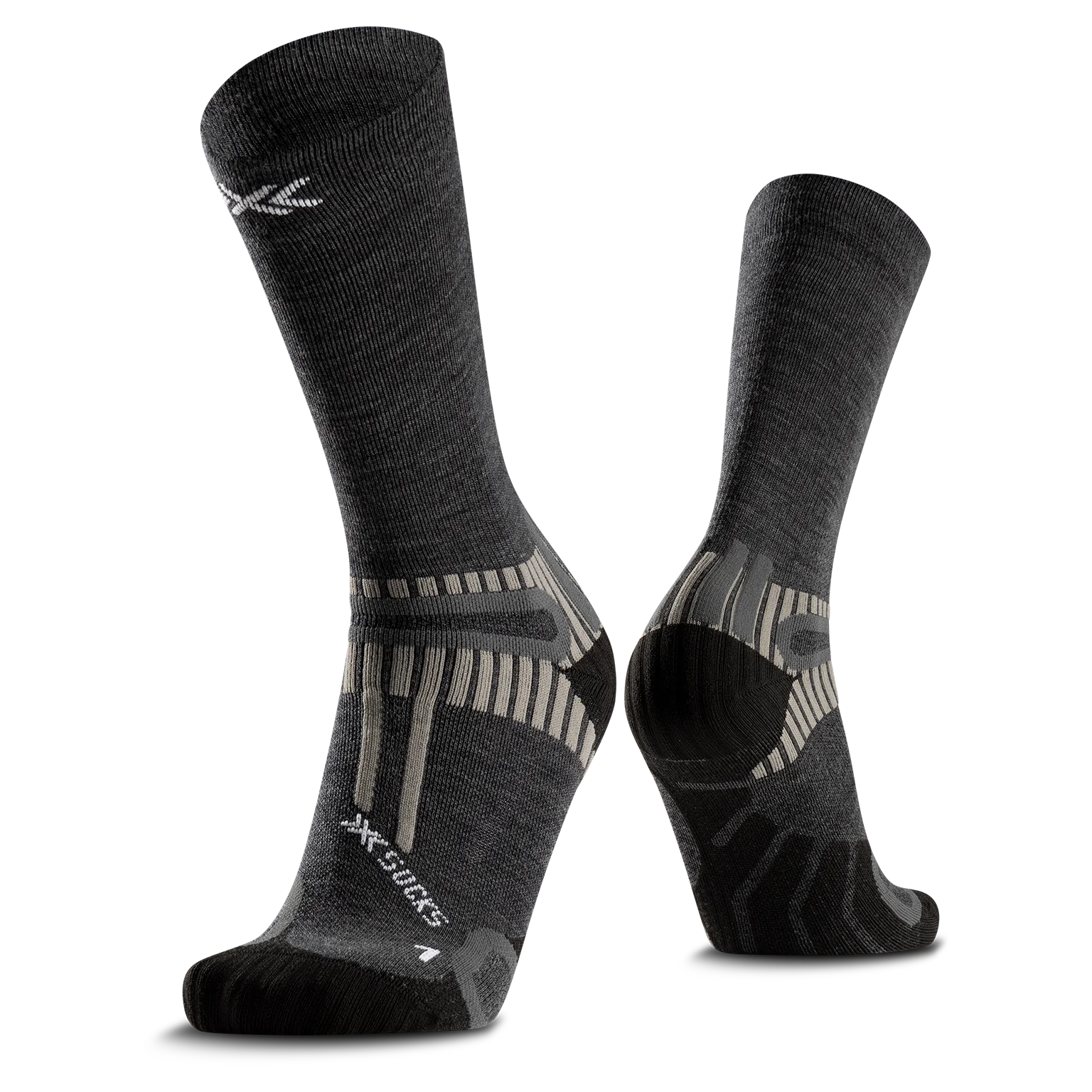
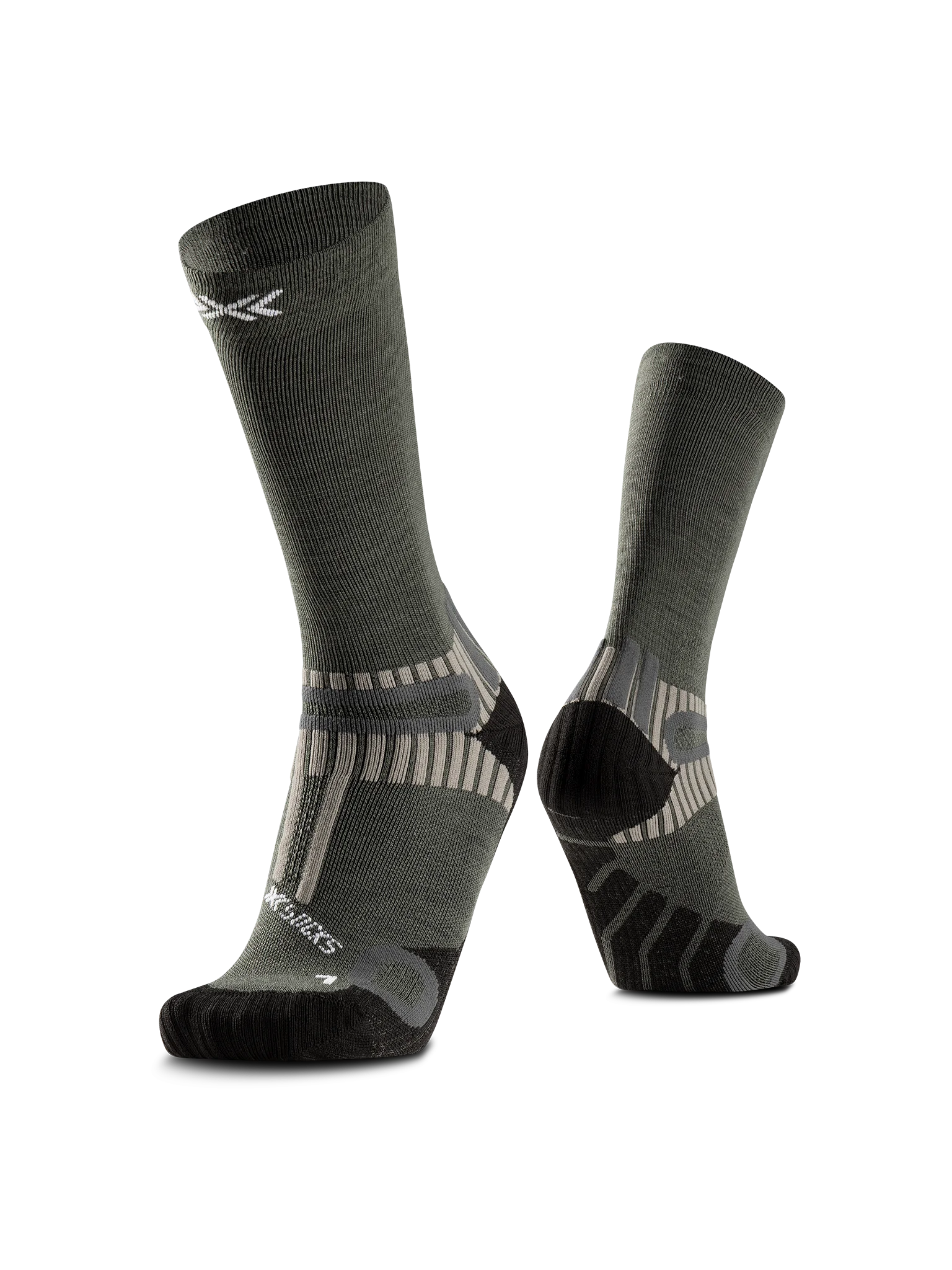
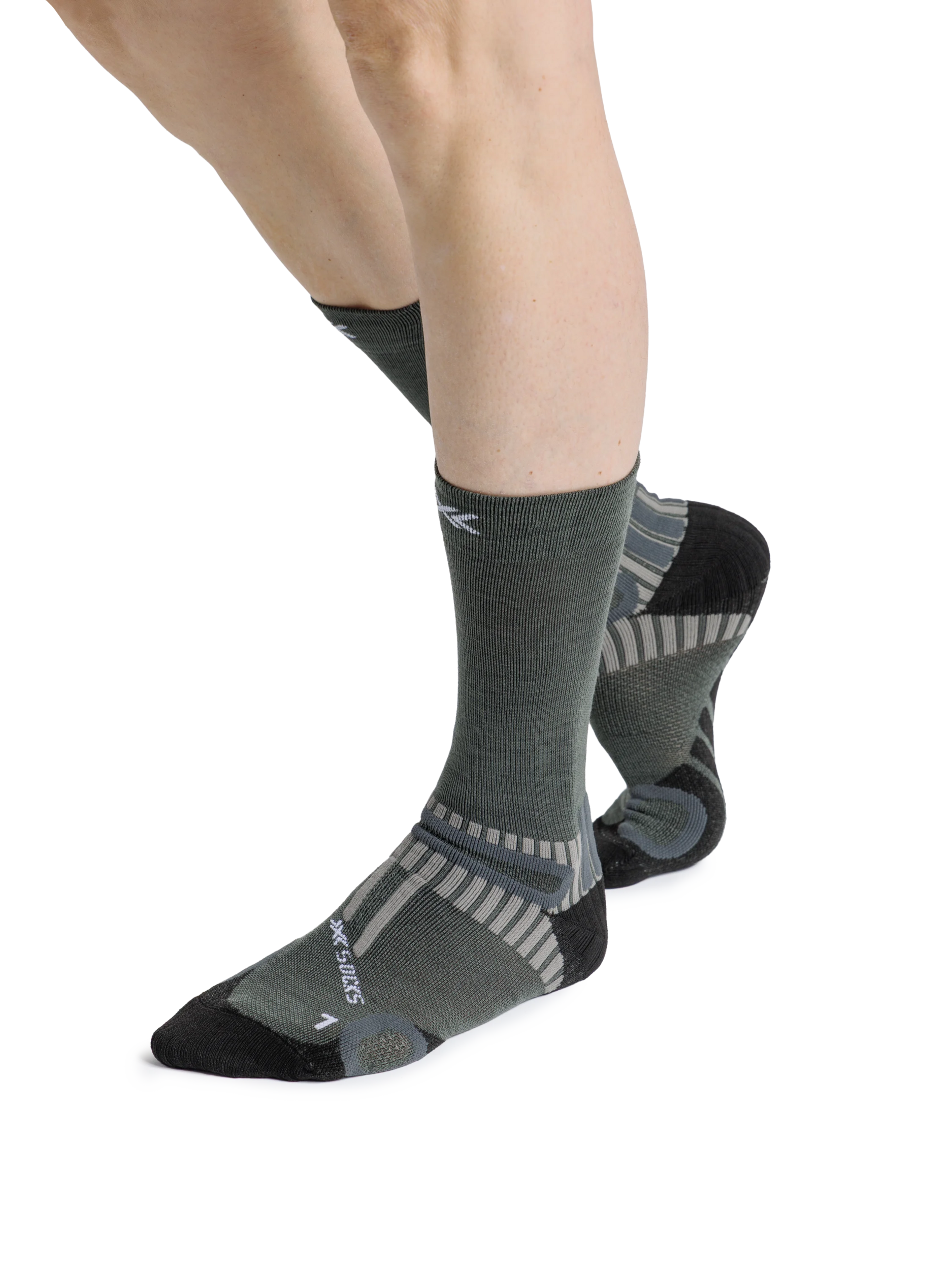
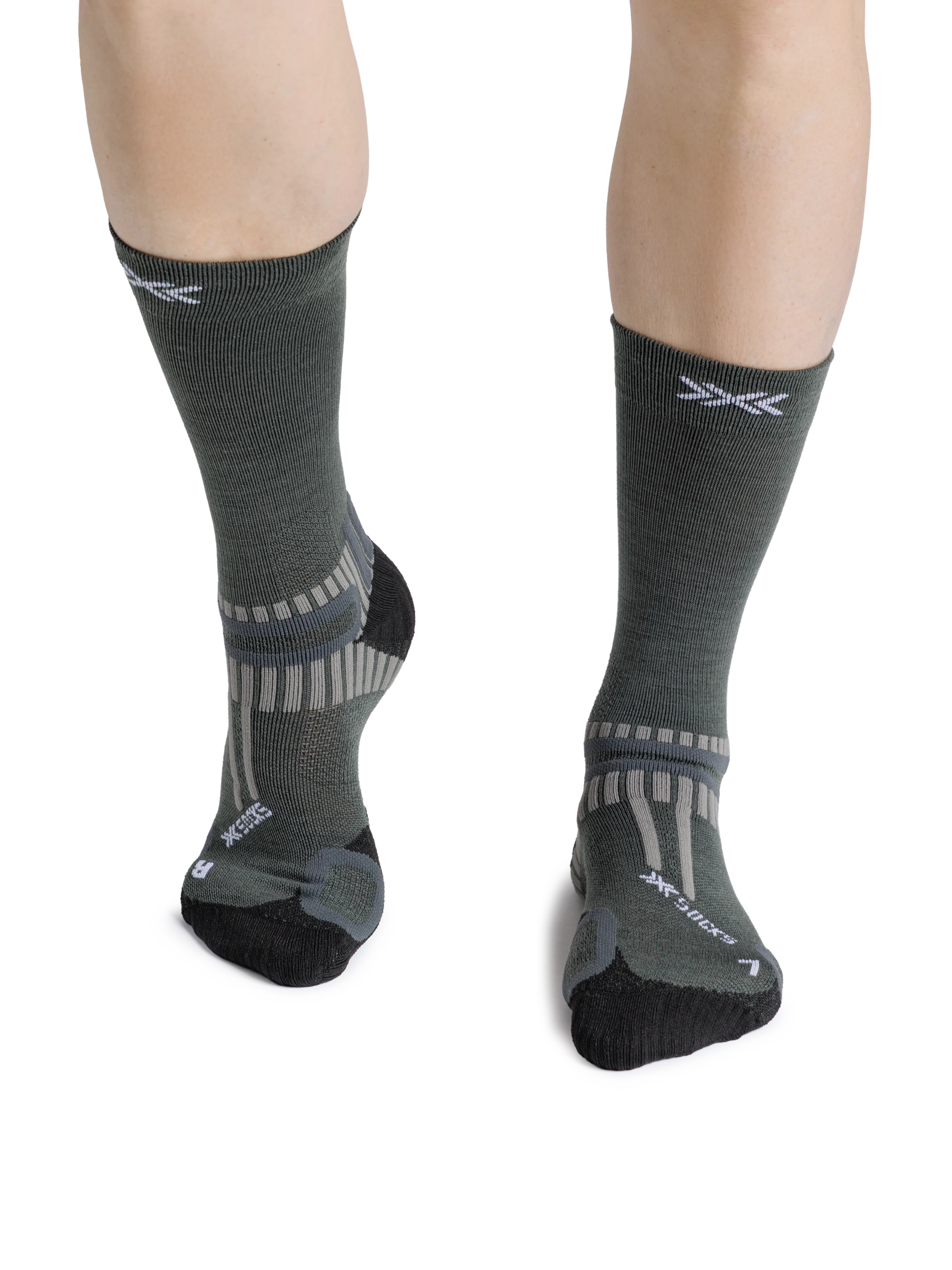
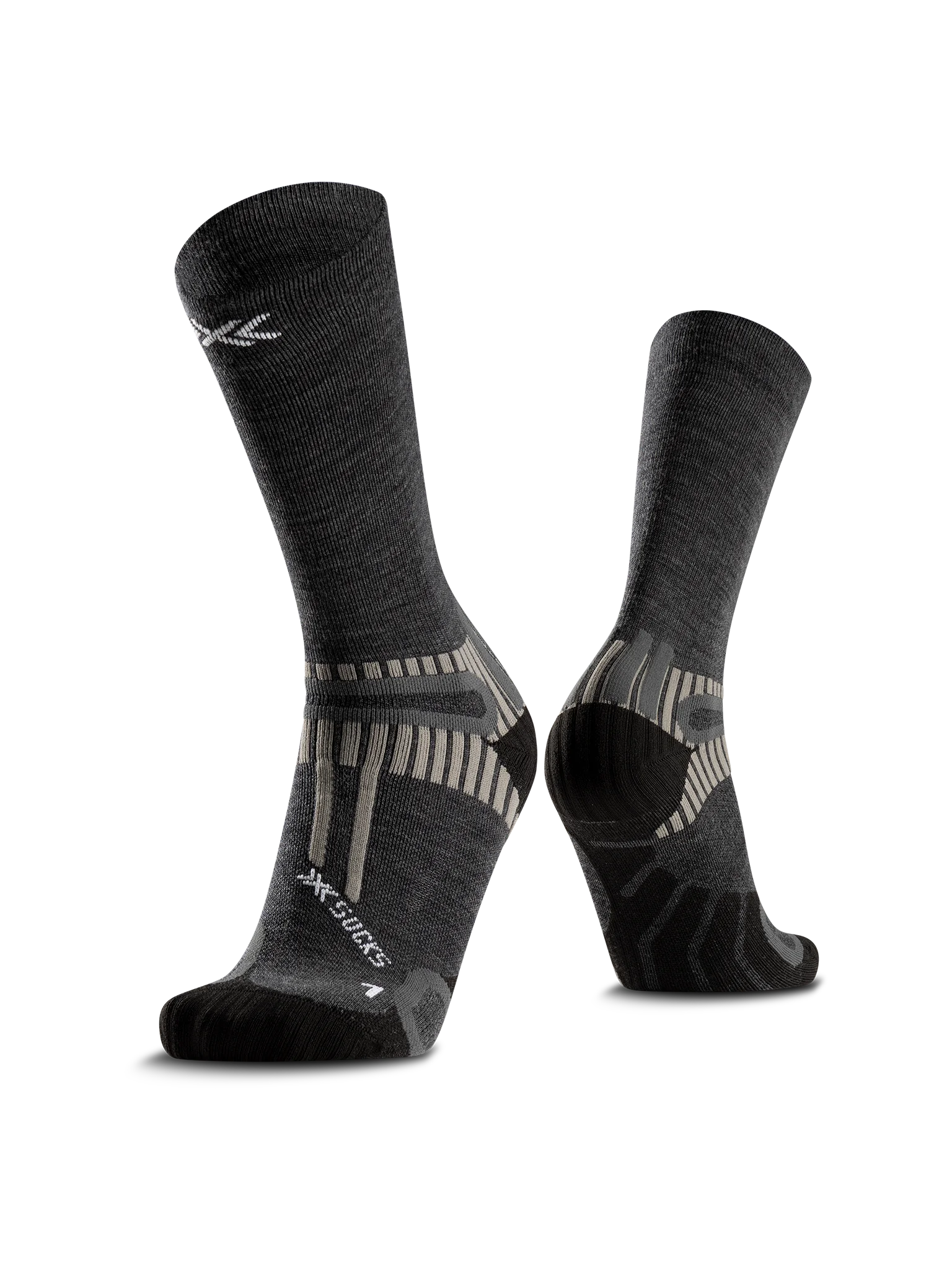
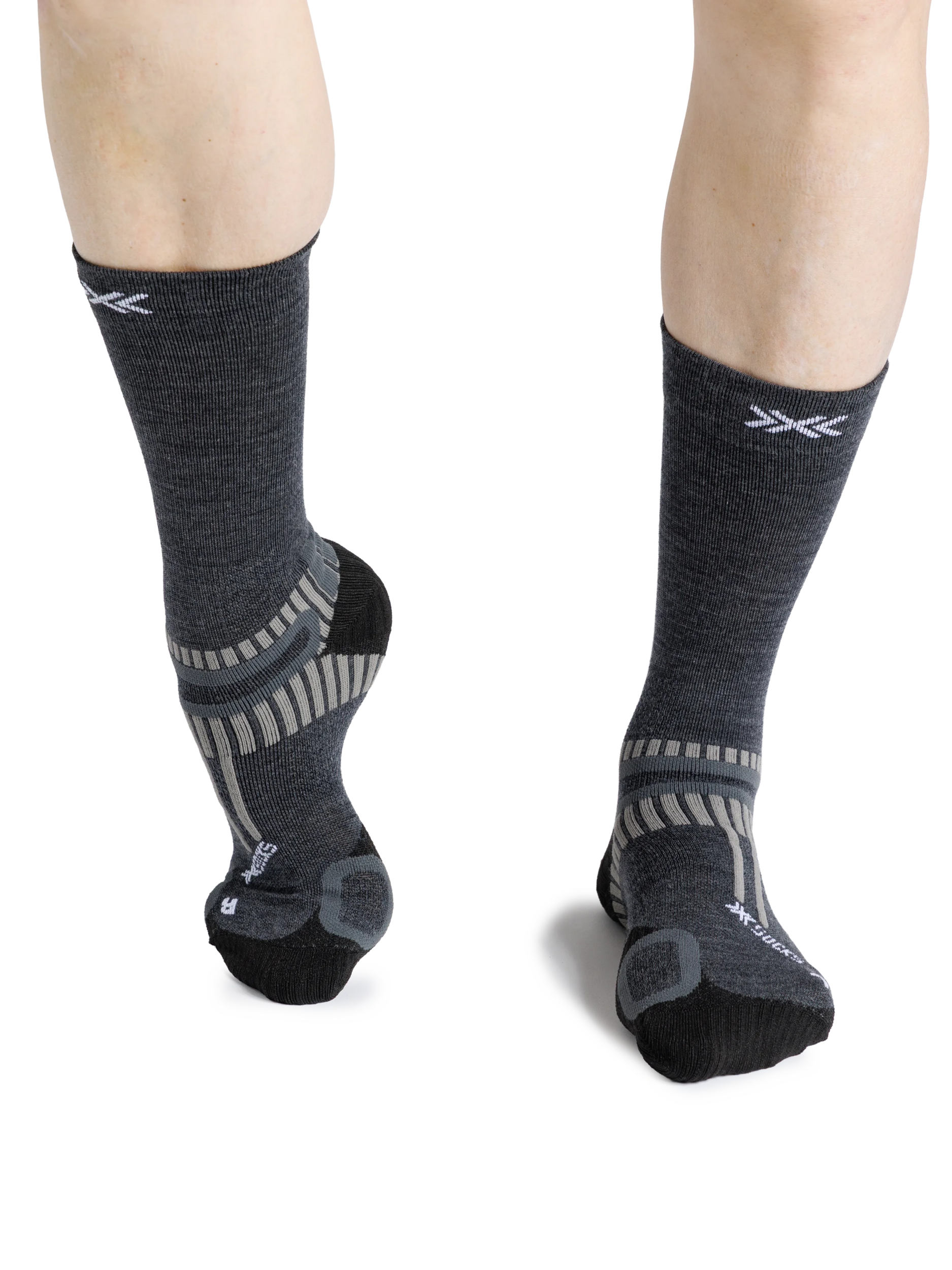
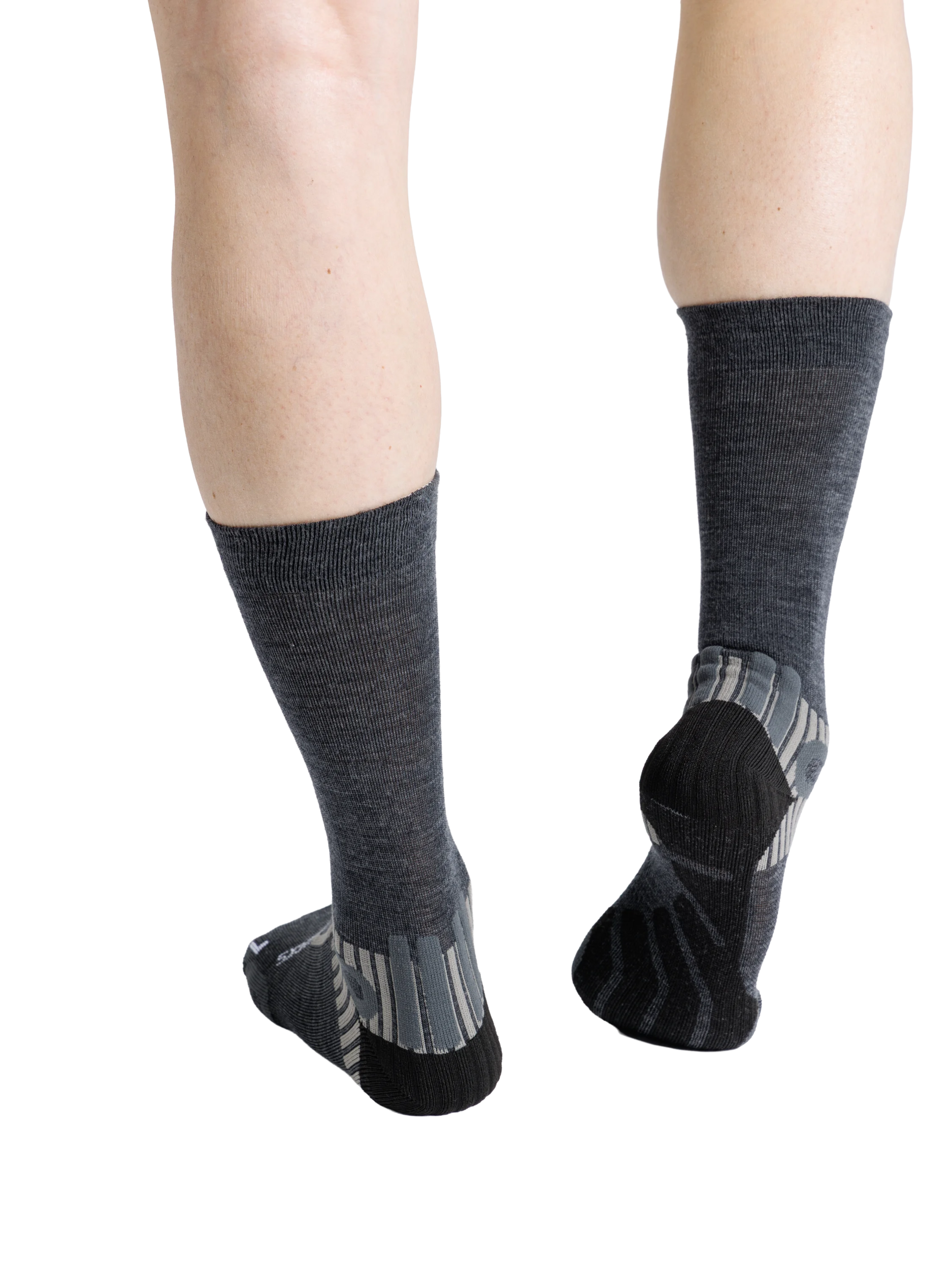
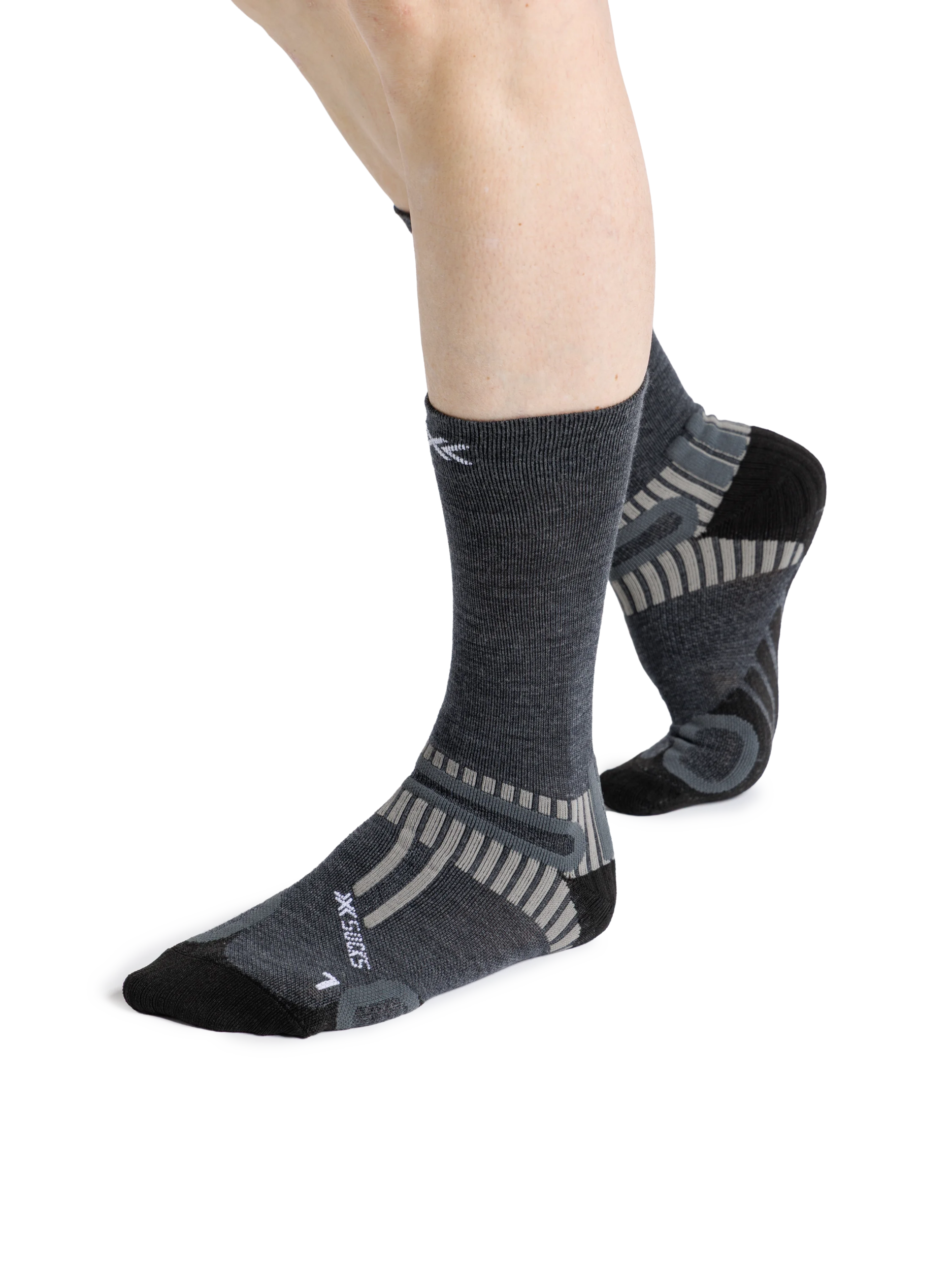
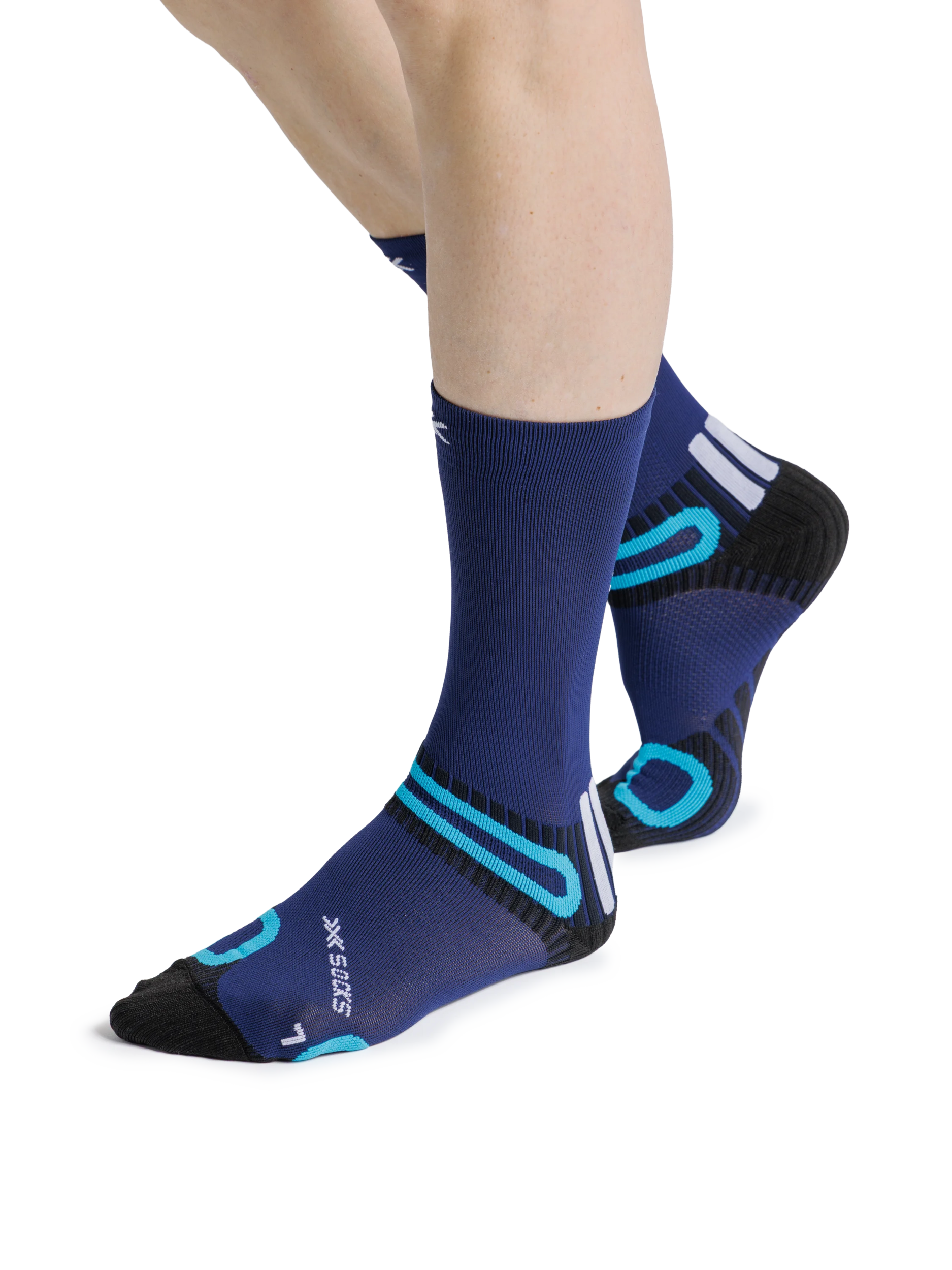
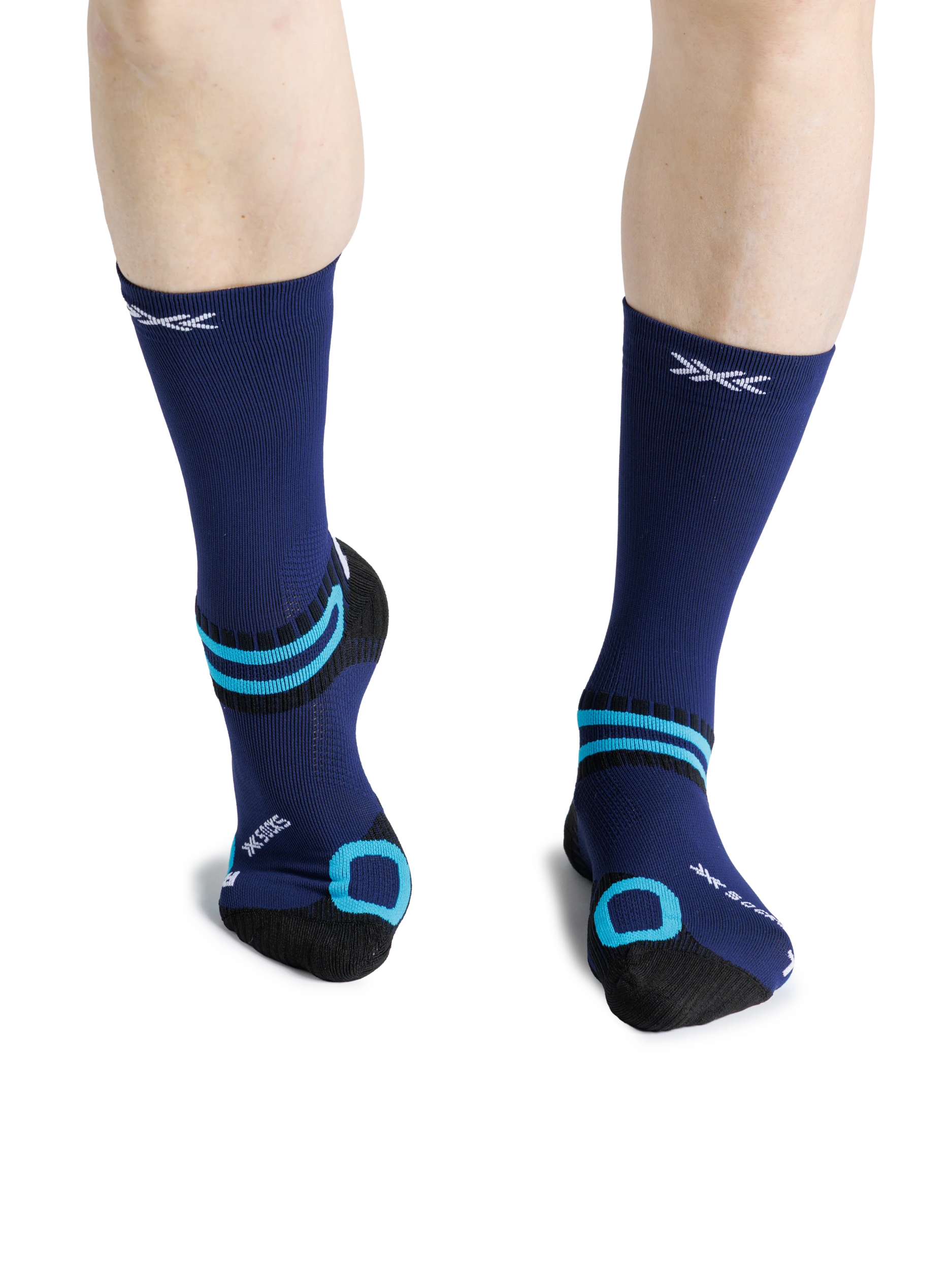
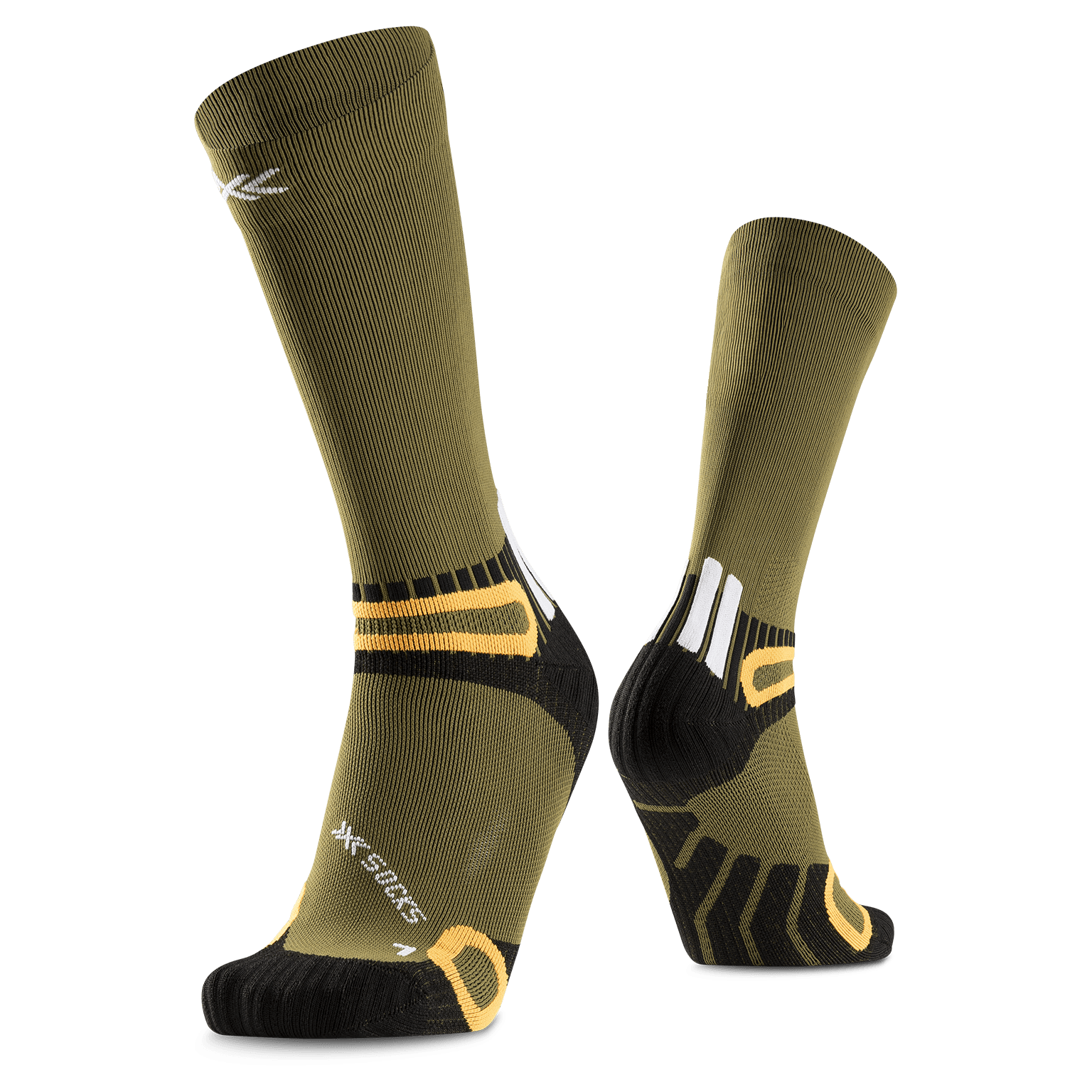
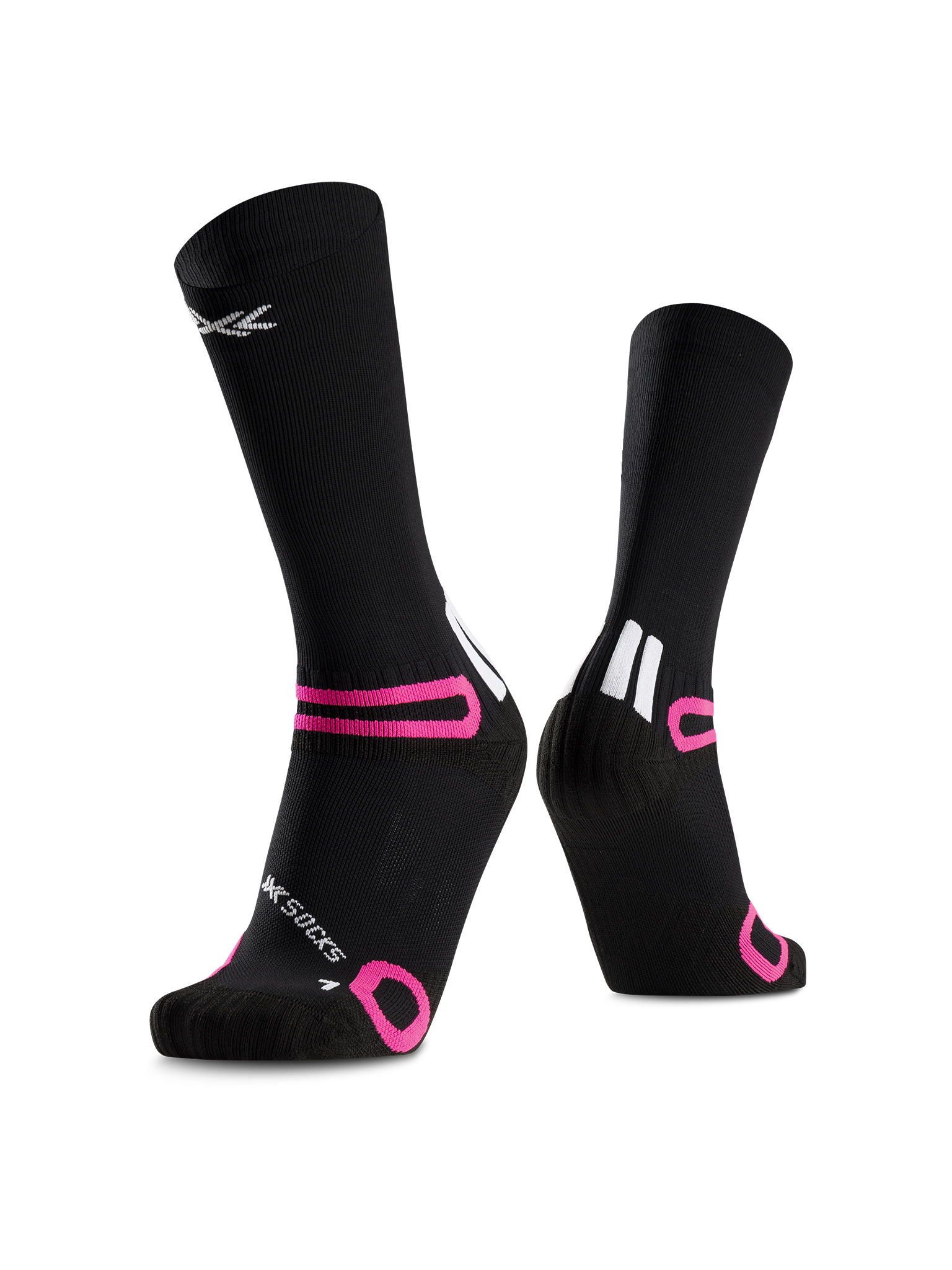
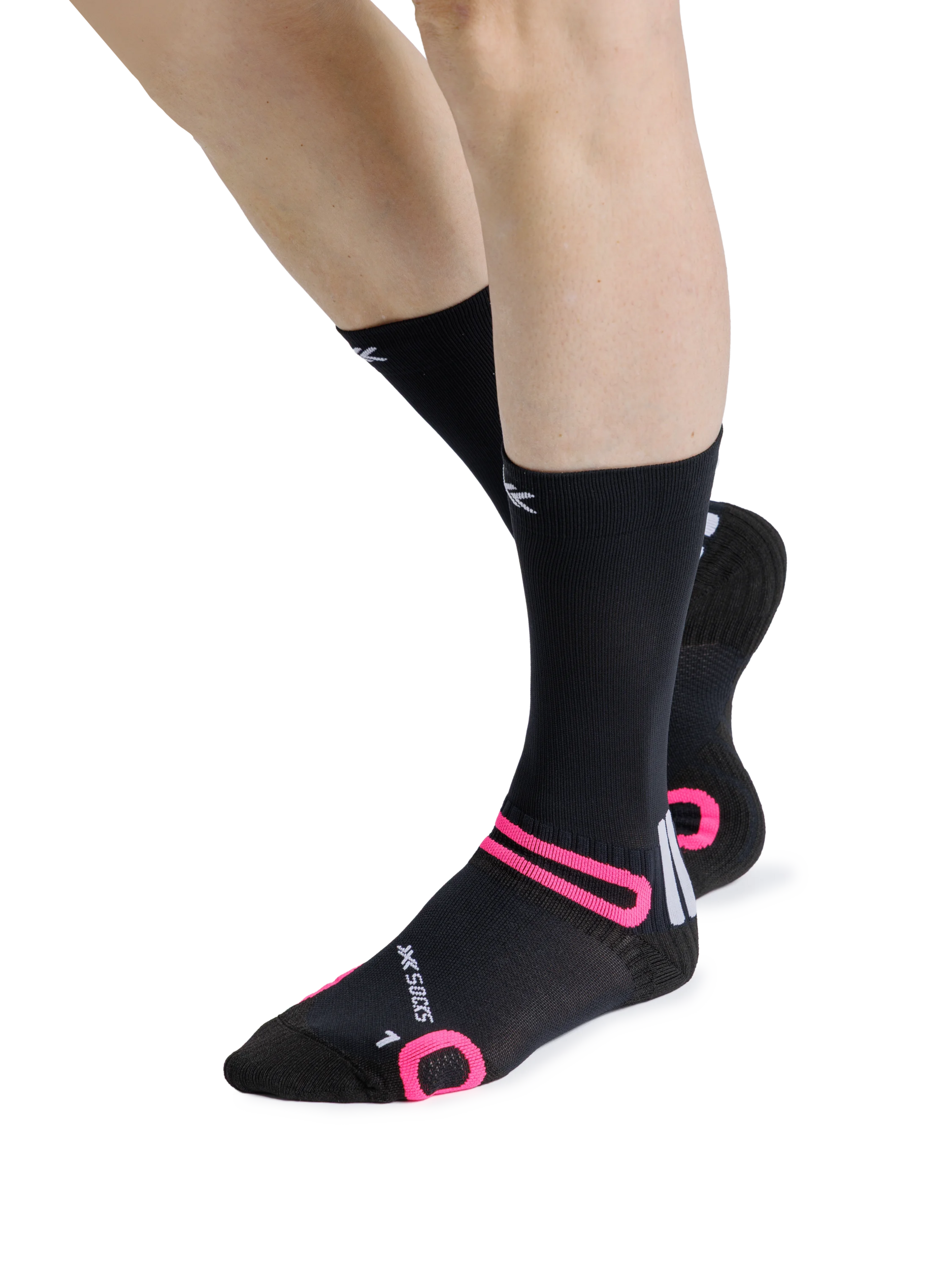
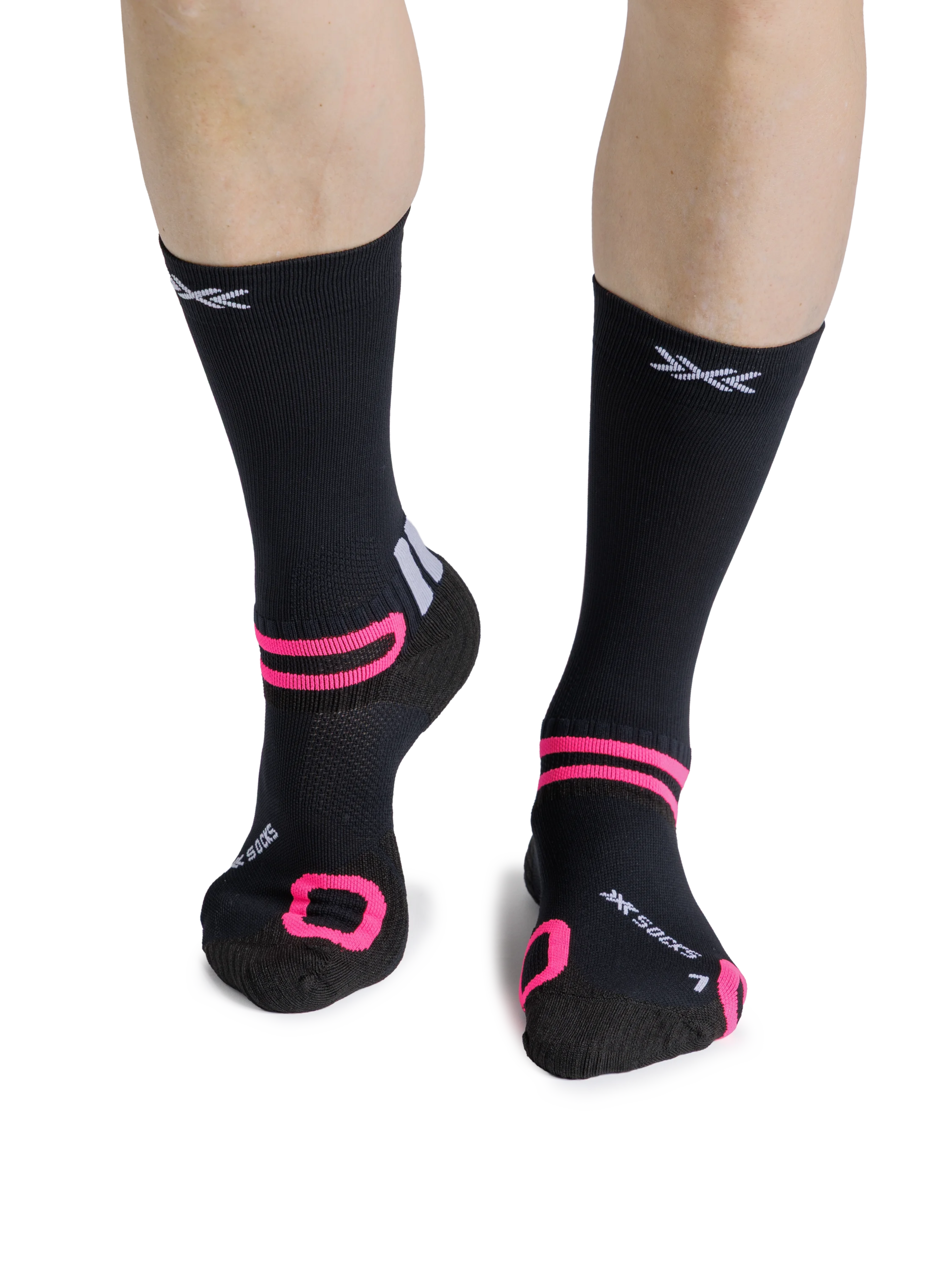
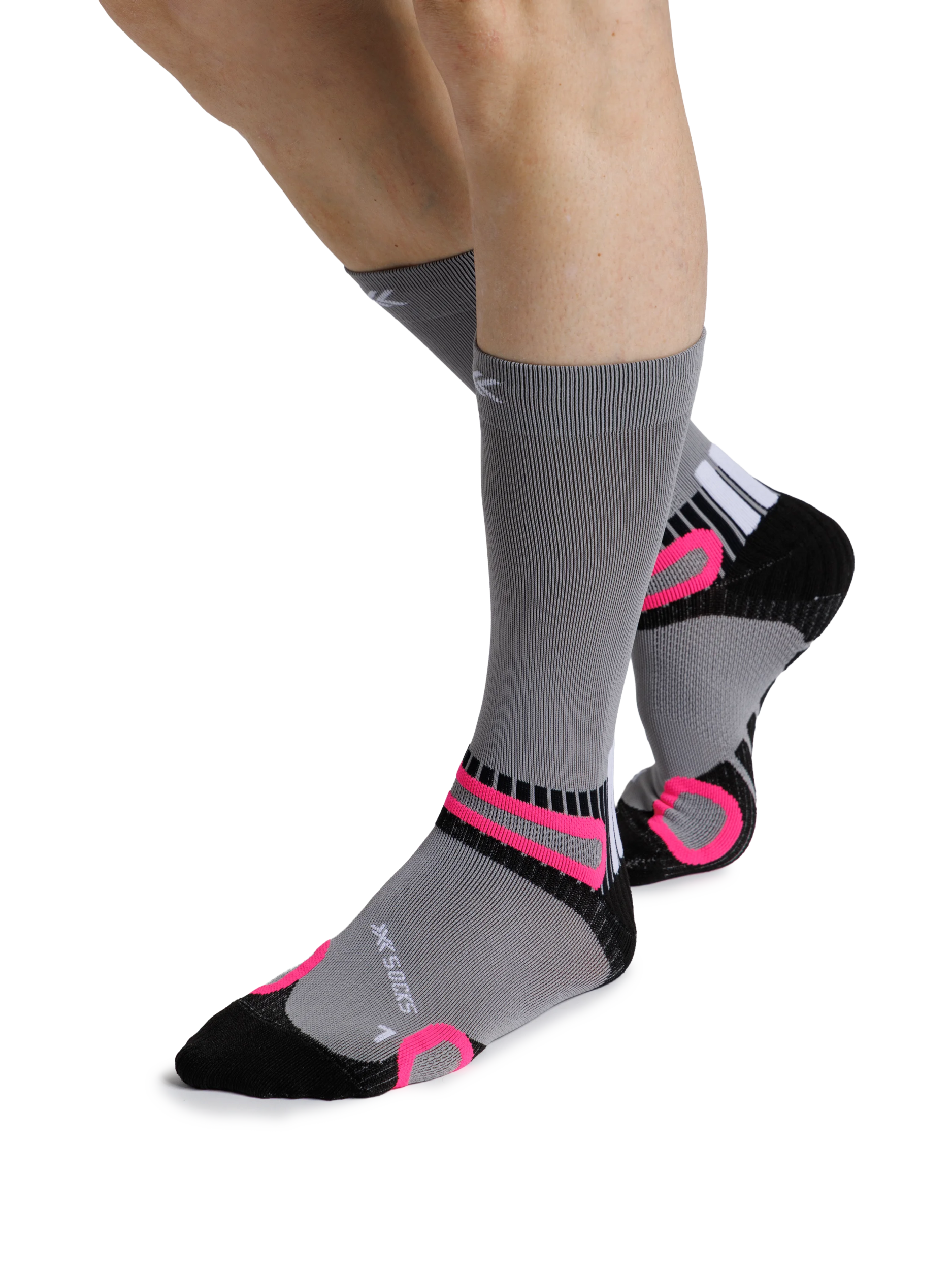
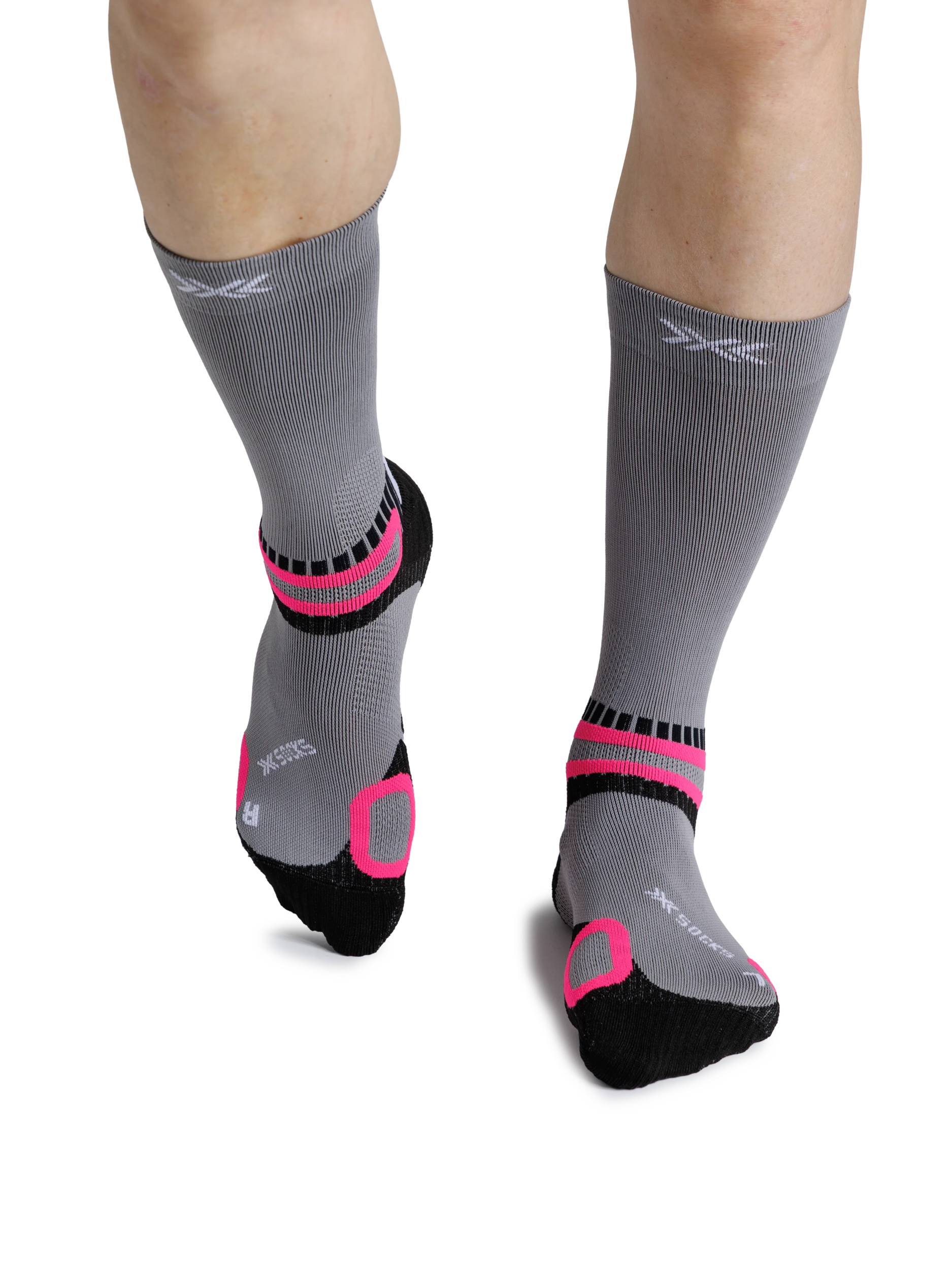
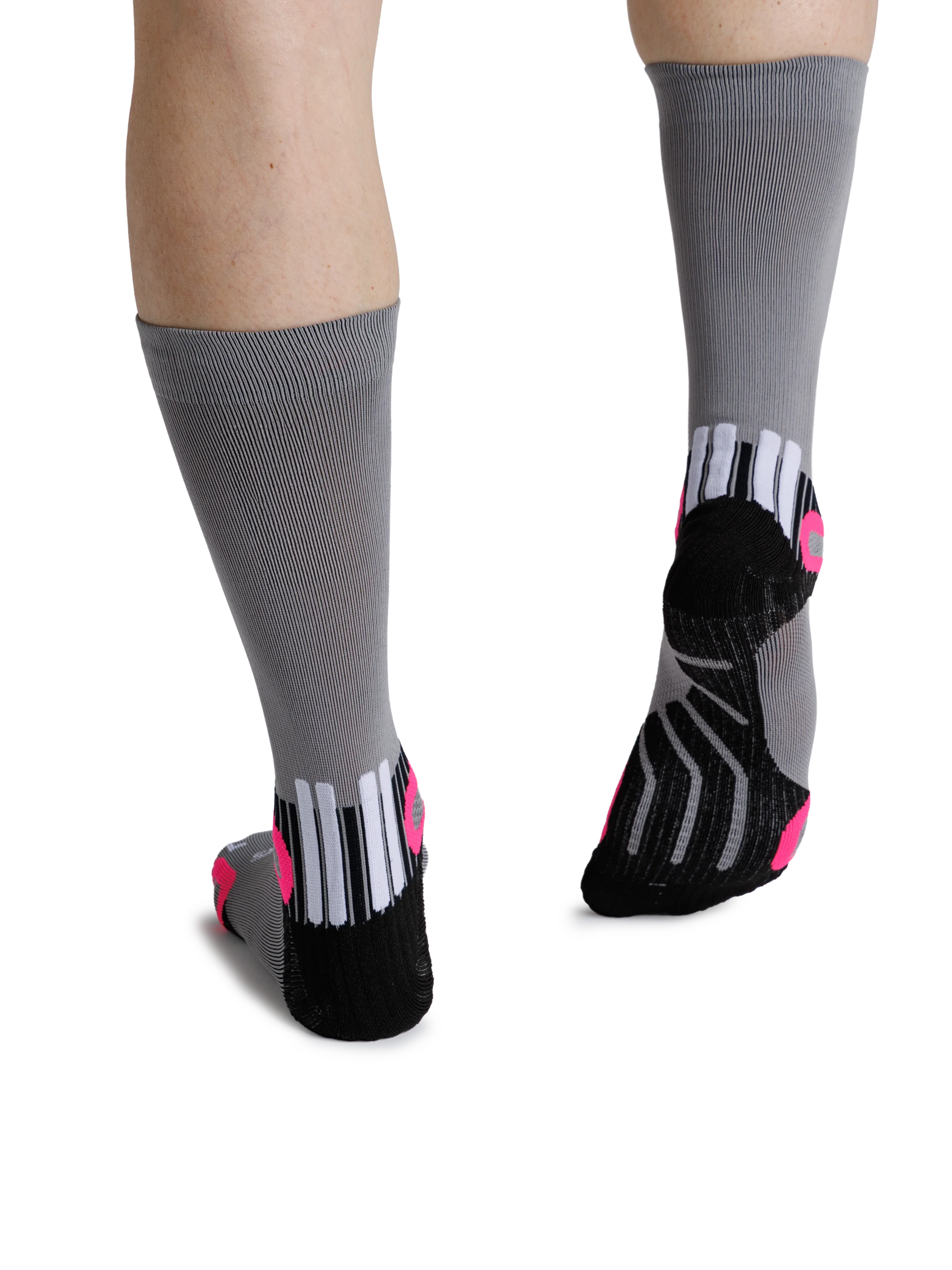
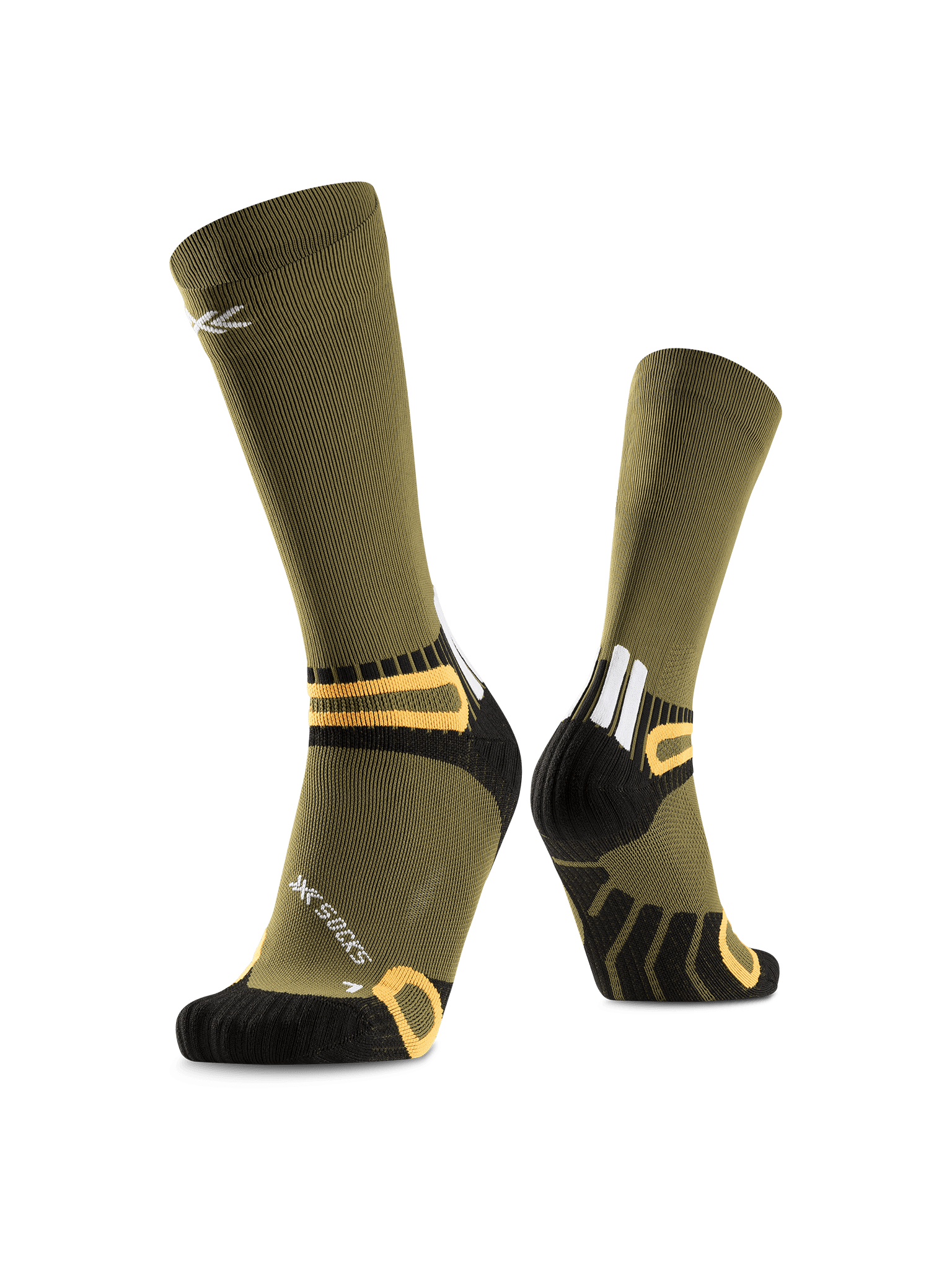
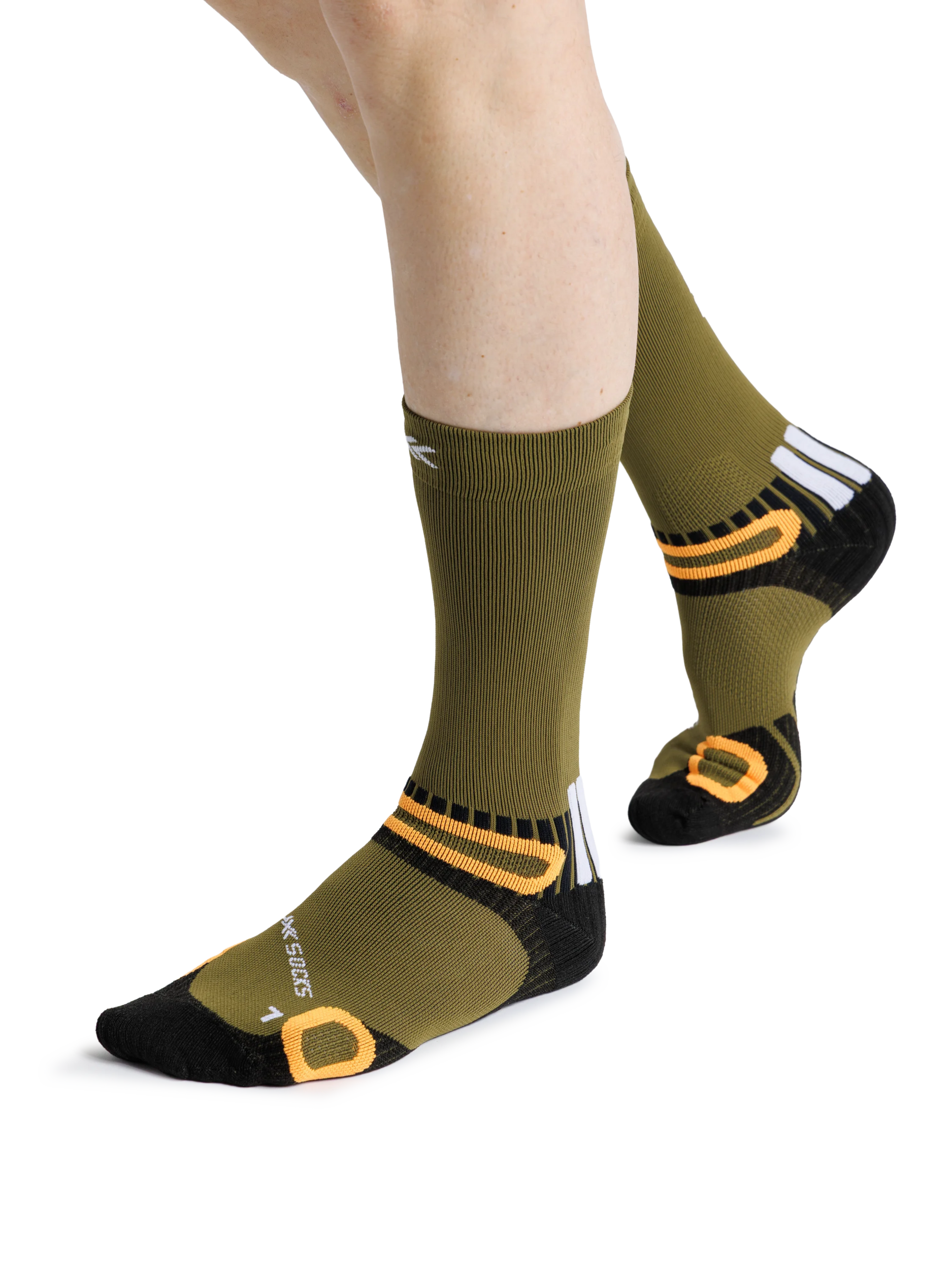
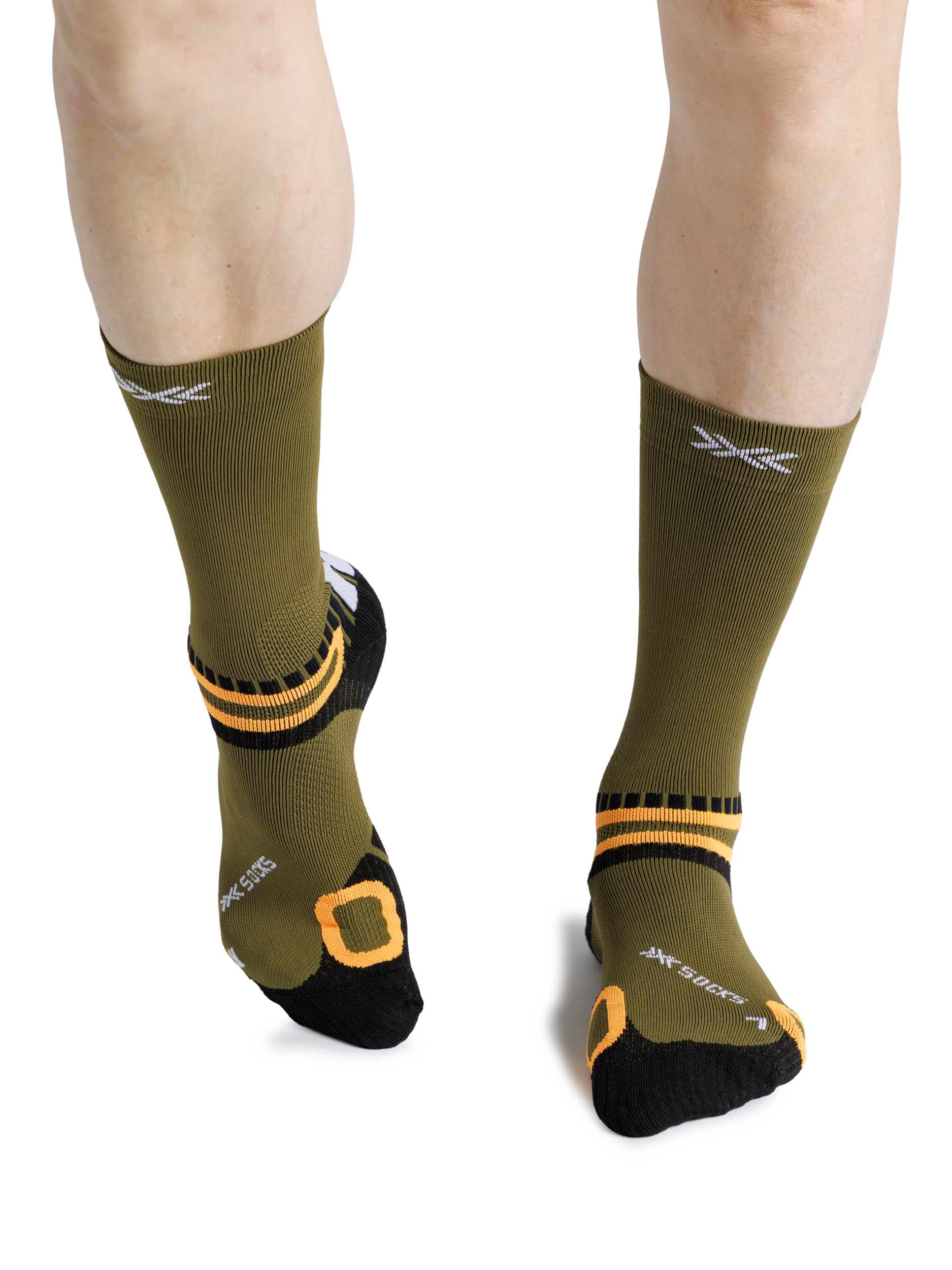
Crew socks provide versatile protection that works with most hiking shoes and boots. The crew height extends above most boot collars, preventing friction between your ankle and boot interior. This height offers optimal balance between protection and breathability.
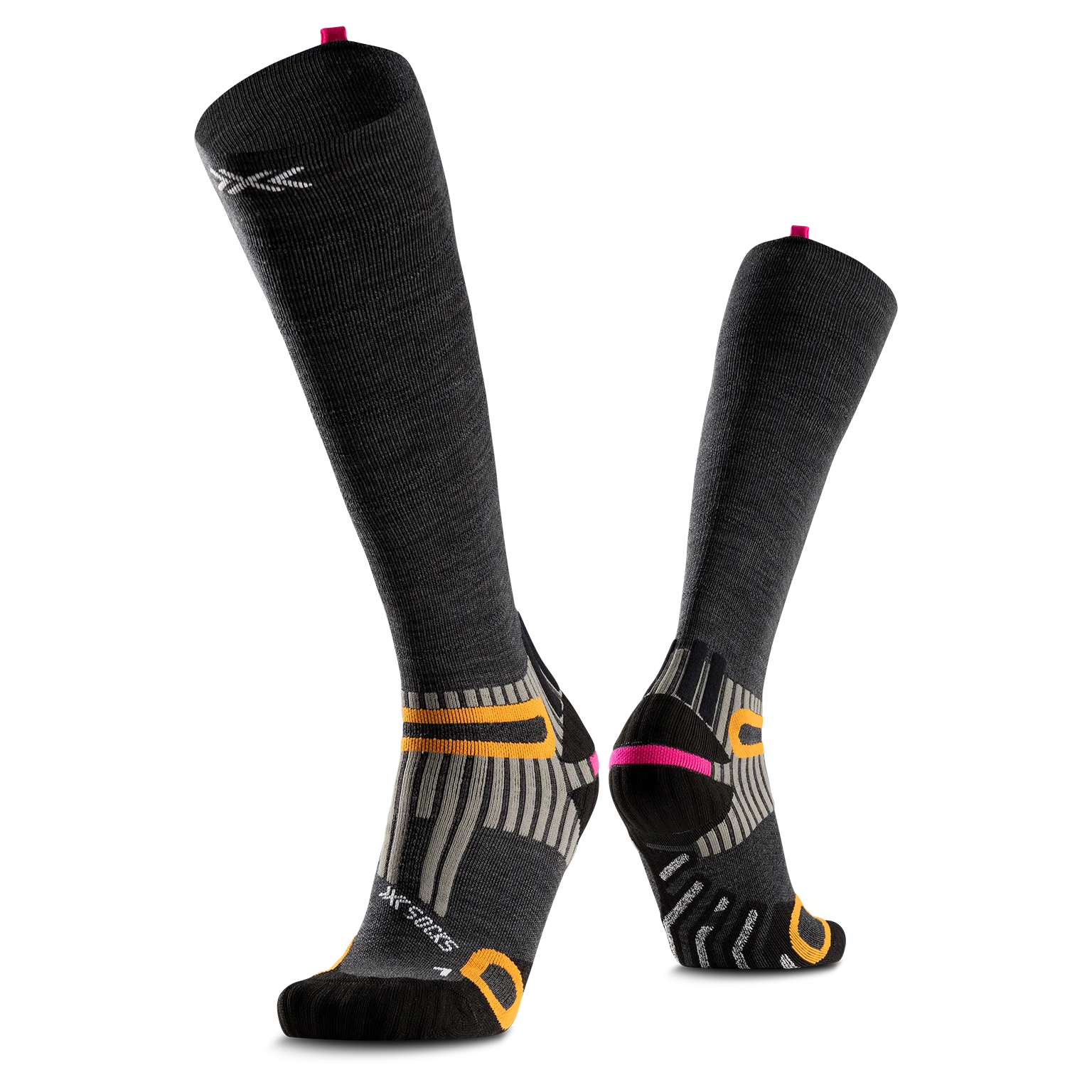
Boot height socks extend higher up the leg for maximum protection during backpacking and mountaineering activities. These mountaineering socks prevent debris from entering your boots and provide additional warmth for cold weather hiking.
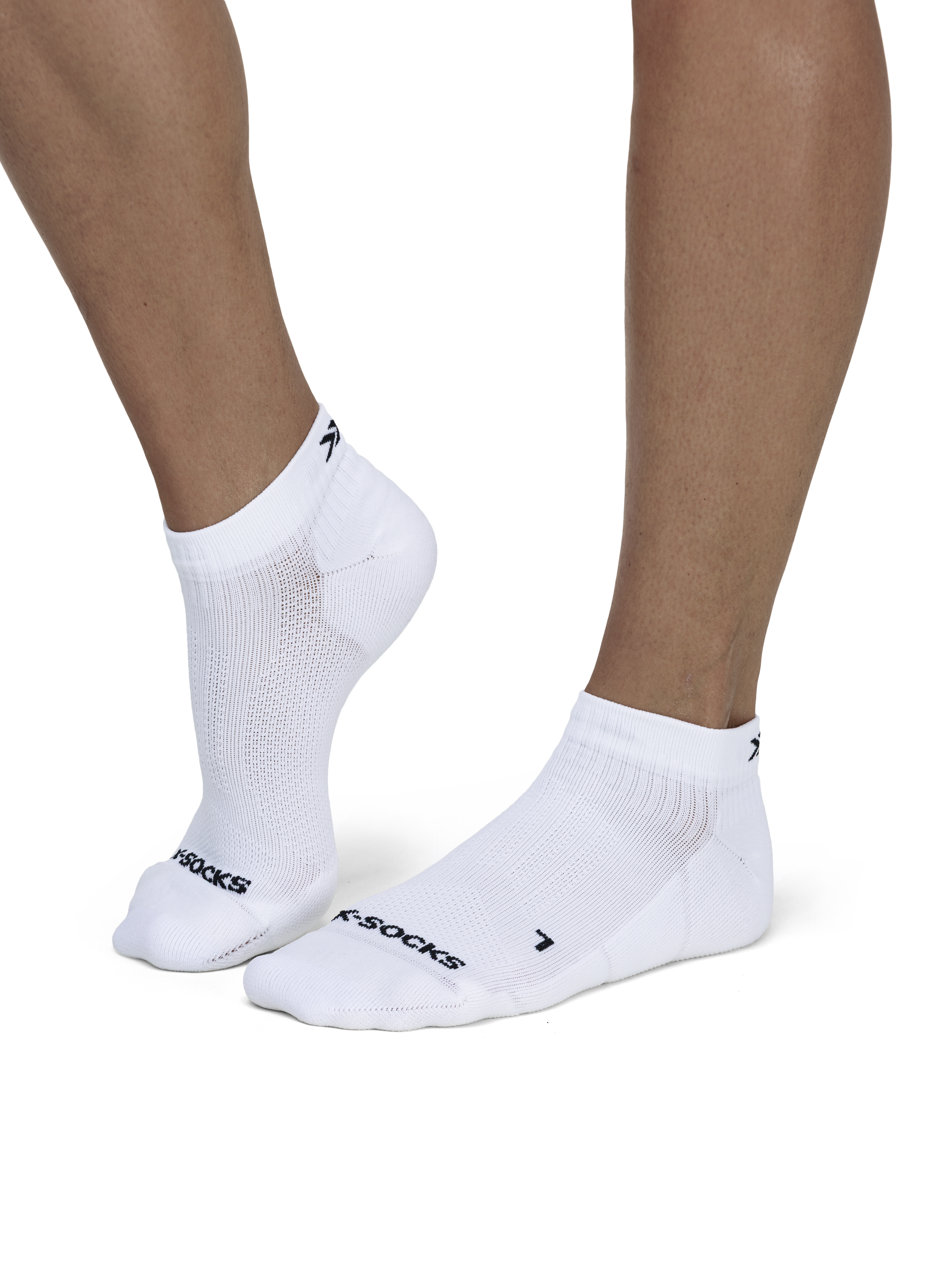
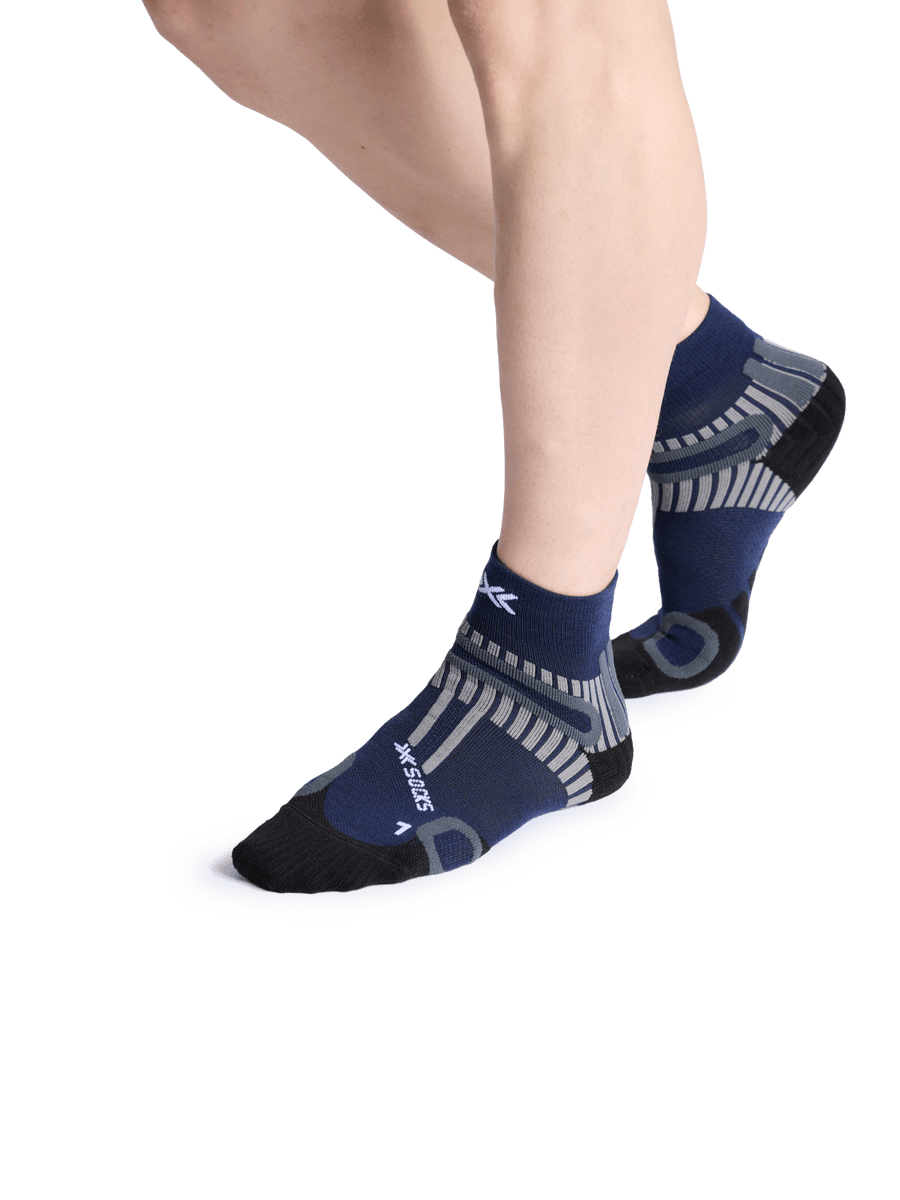
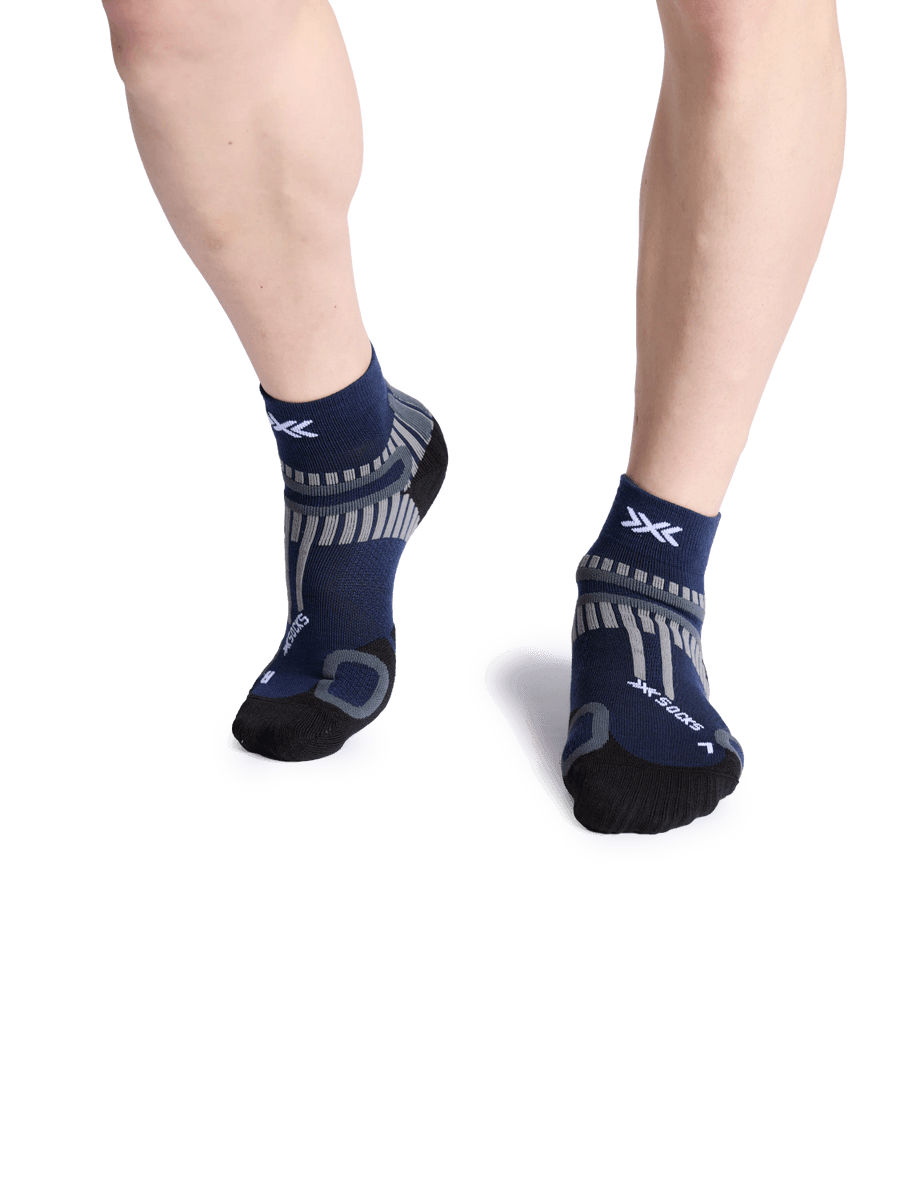
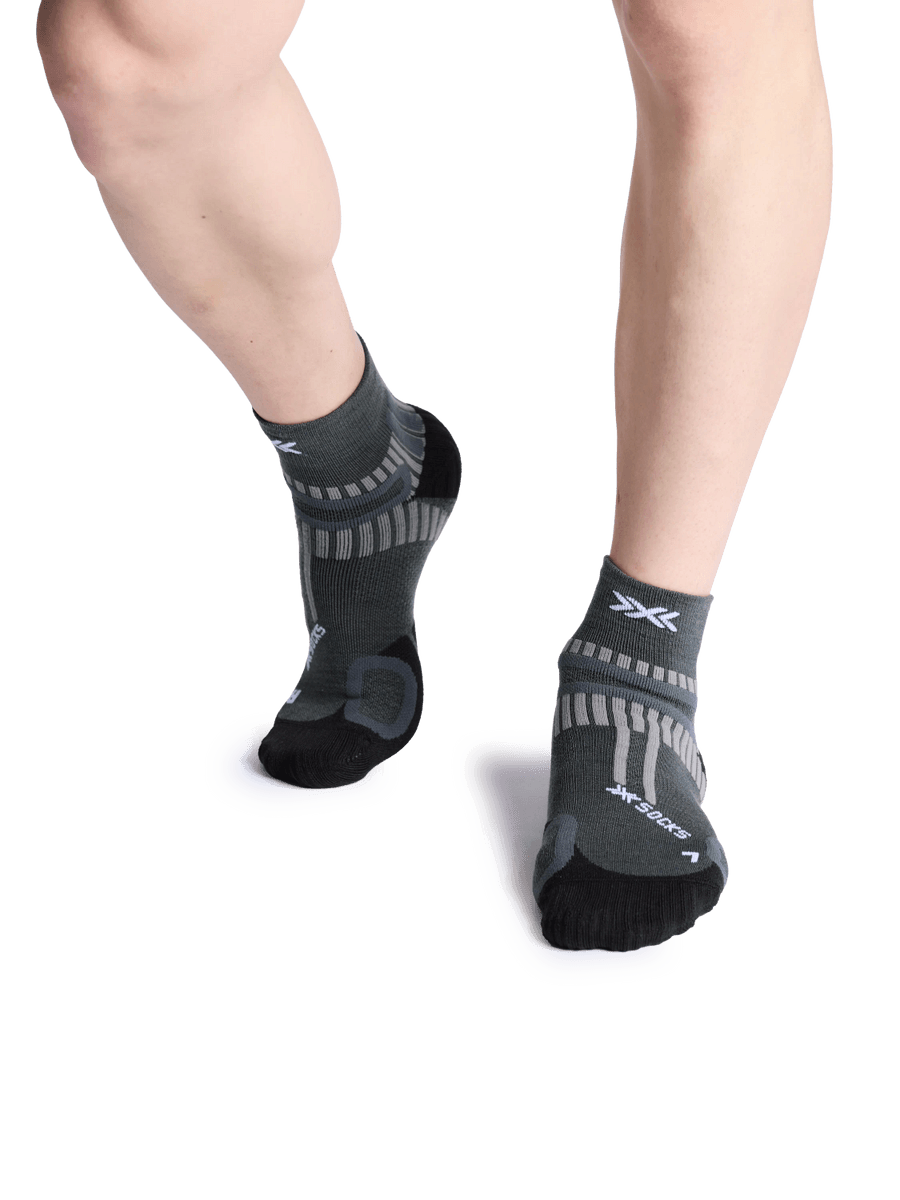
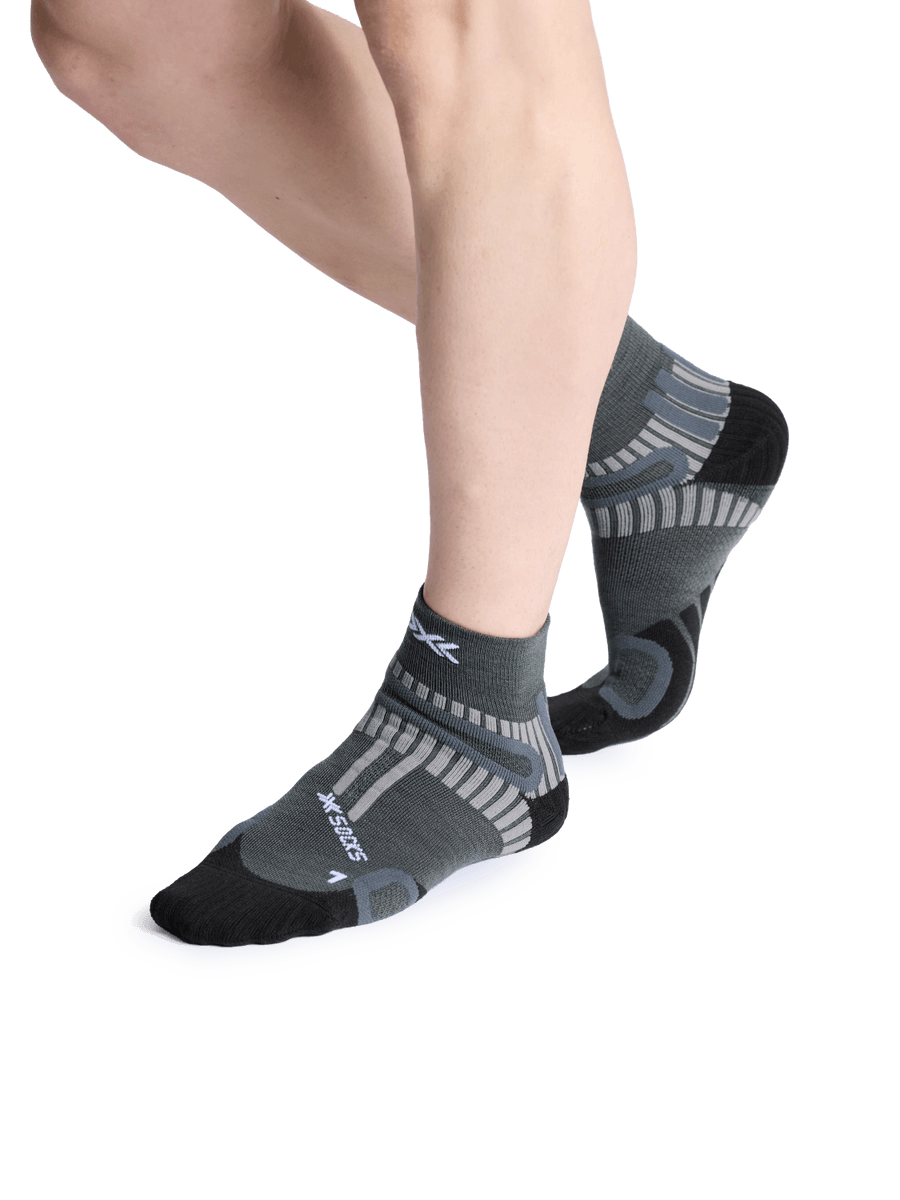
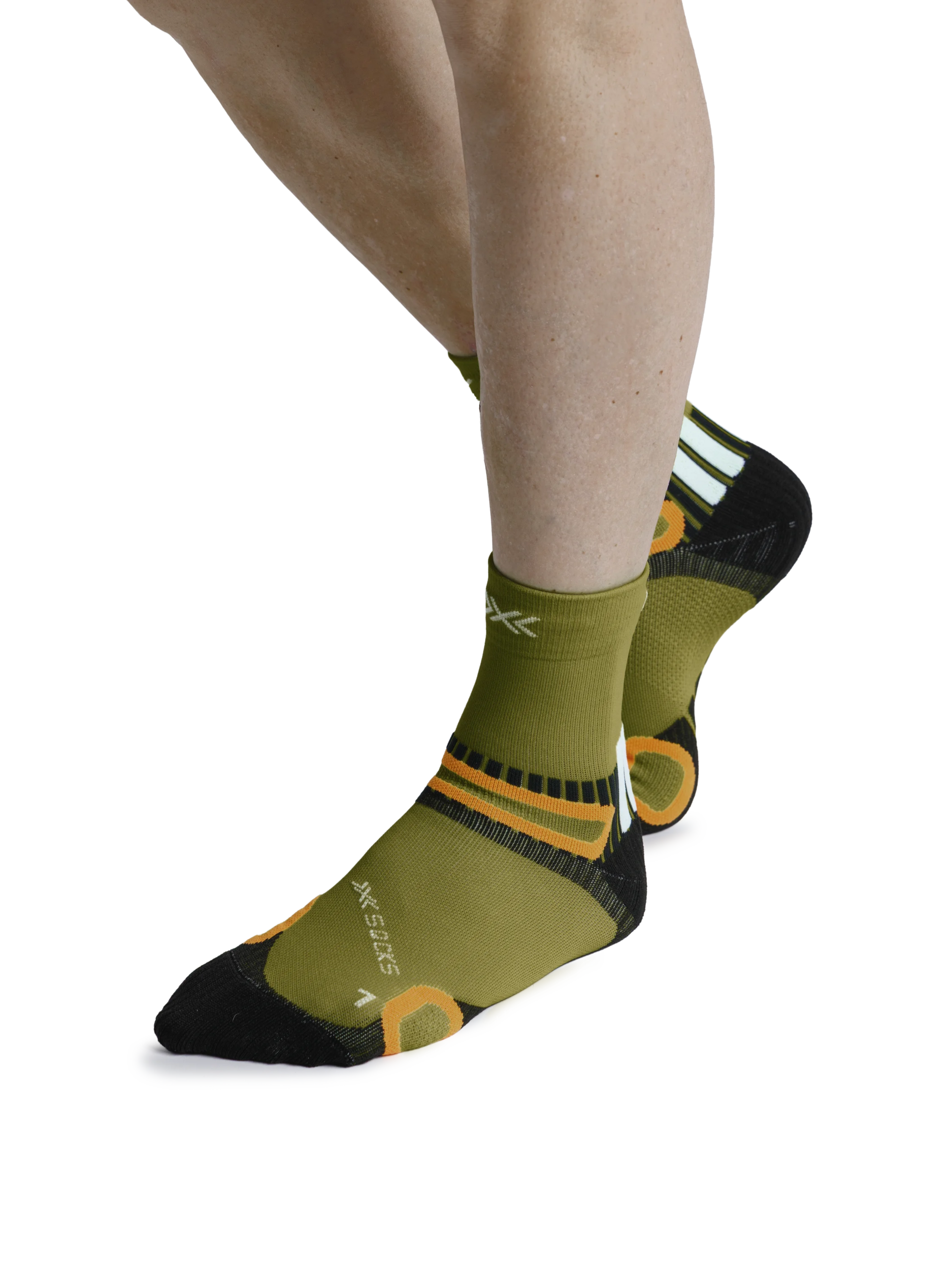
No-show and ankle height options suit specific low-cut hiking shoes but offer limited protection for trail hiking. These lightweight socks work for light hiking on smooth terrain but may not protect your feet adequately on rugged trails.
Fit and Sizing: Preventing Blisters Through Proper Selection
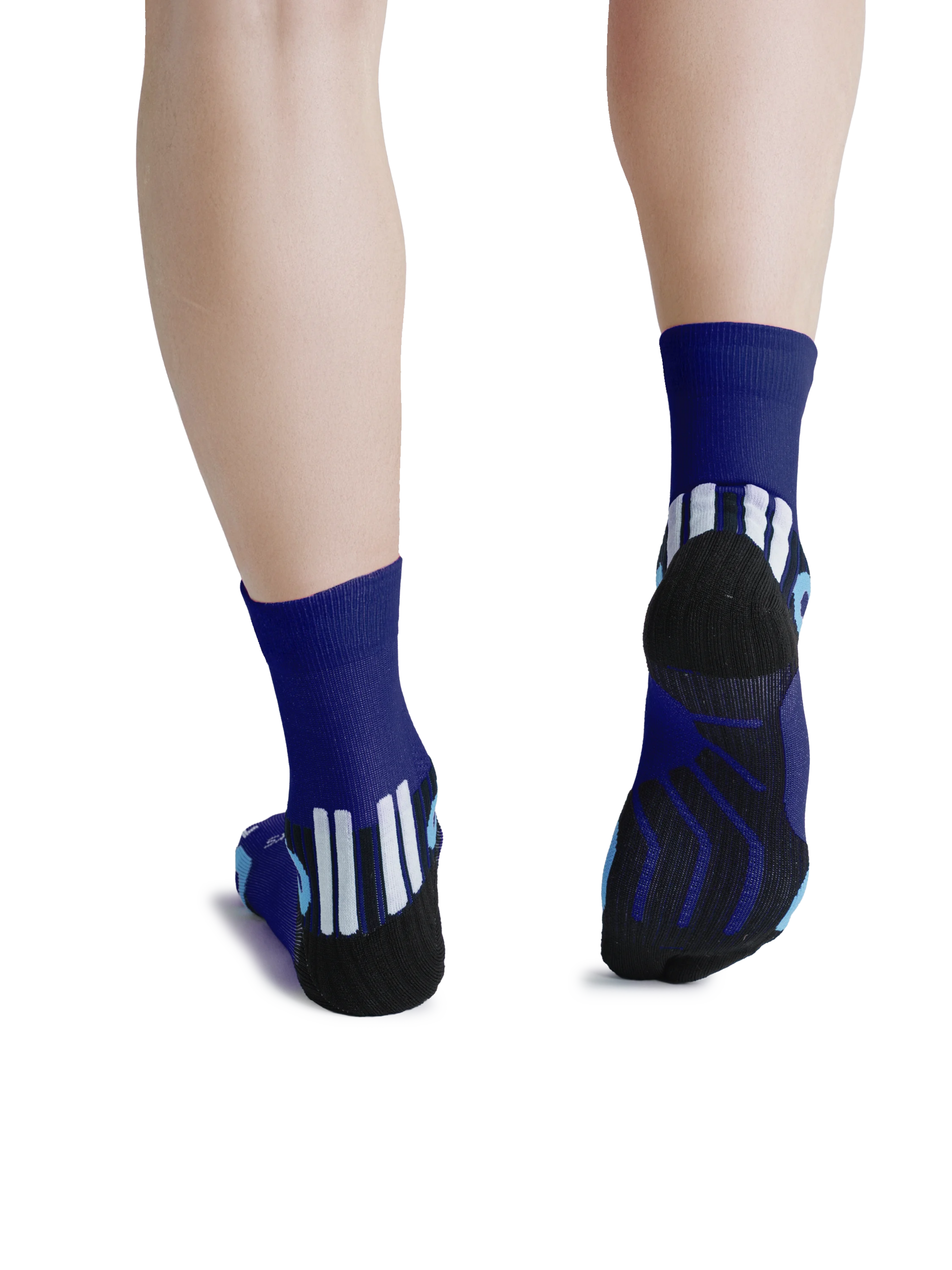
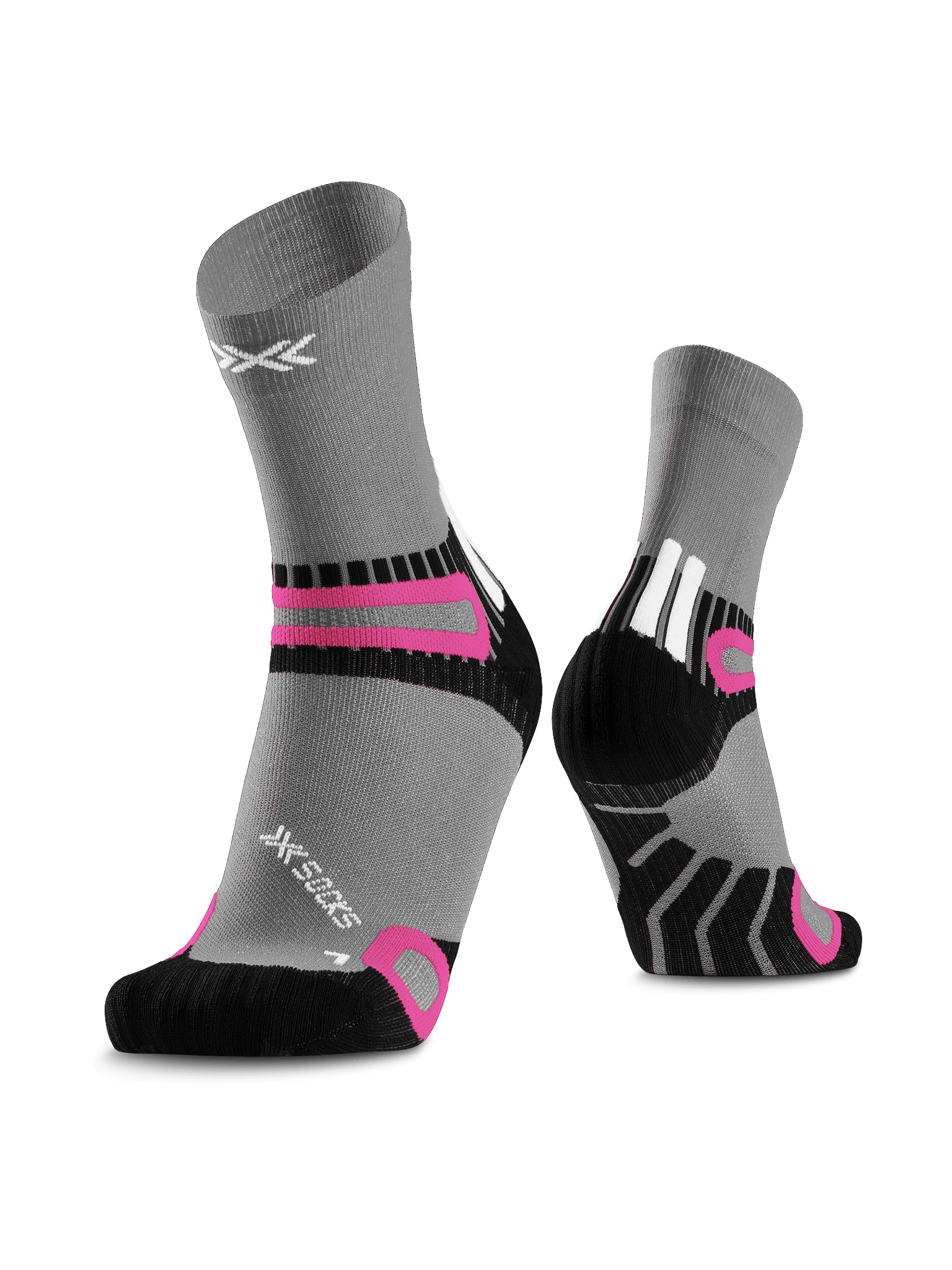
Hiking socks should fit snug without being tight. A proper fit means the sock follows your foot contours without bunching or creating excess material that can cause blisters. Quality socks feature anatomical construction that mirrors natural foot shape.
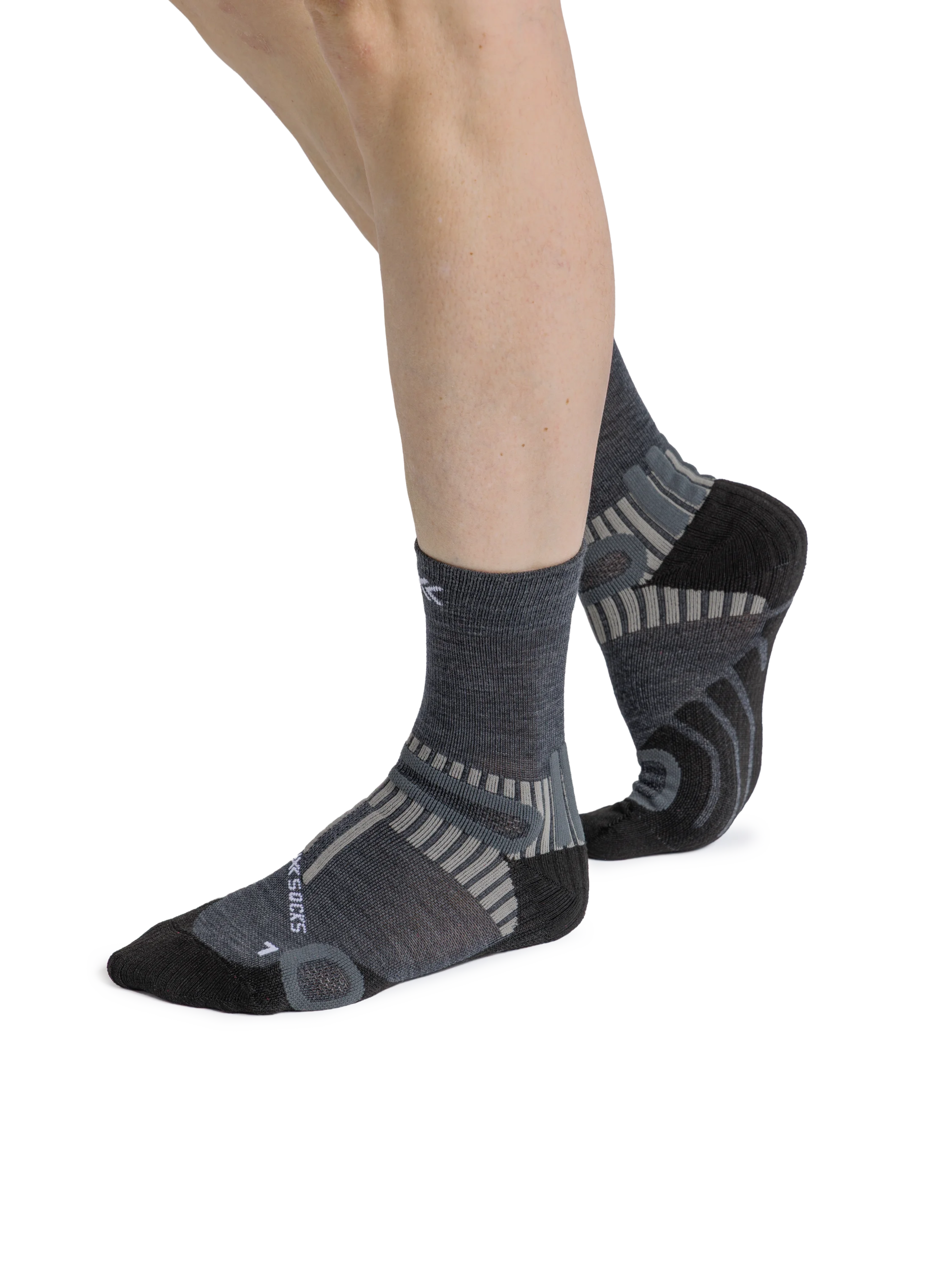
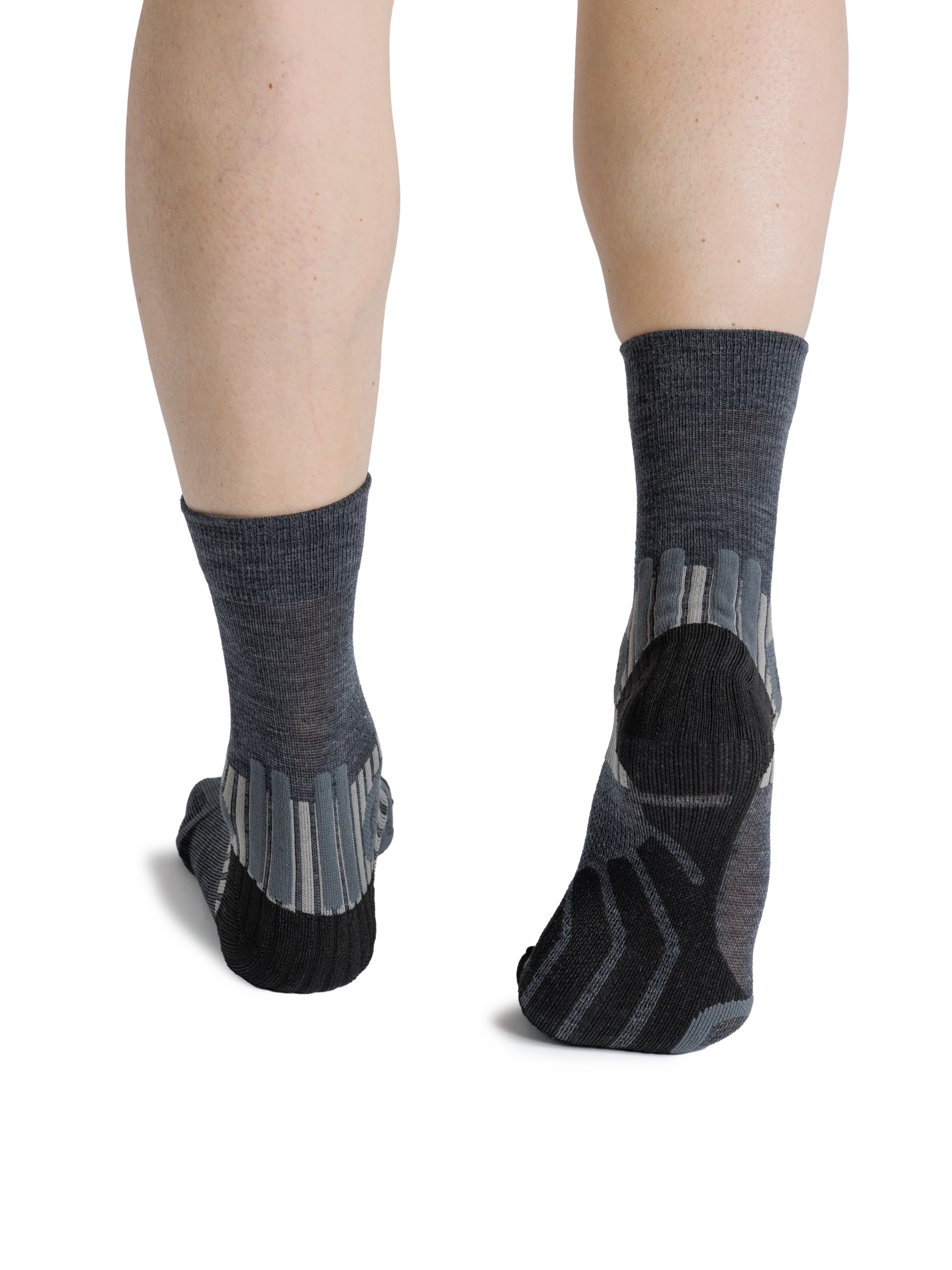
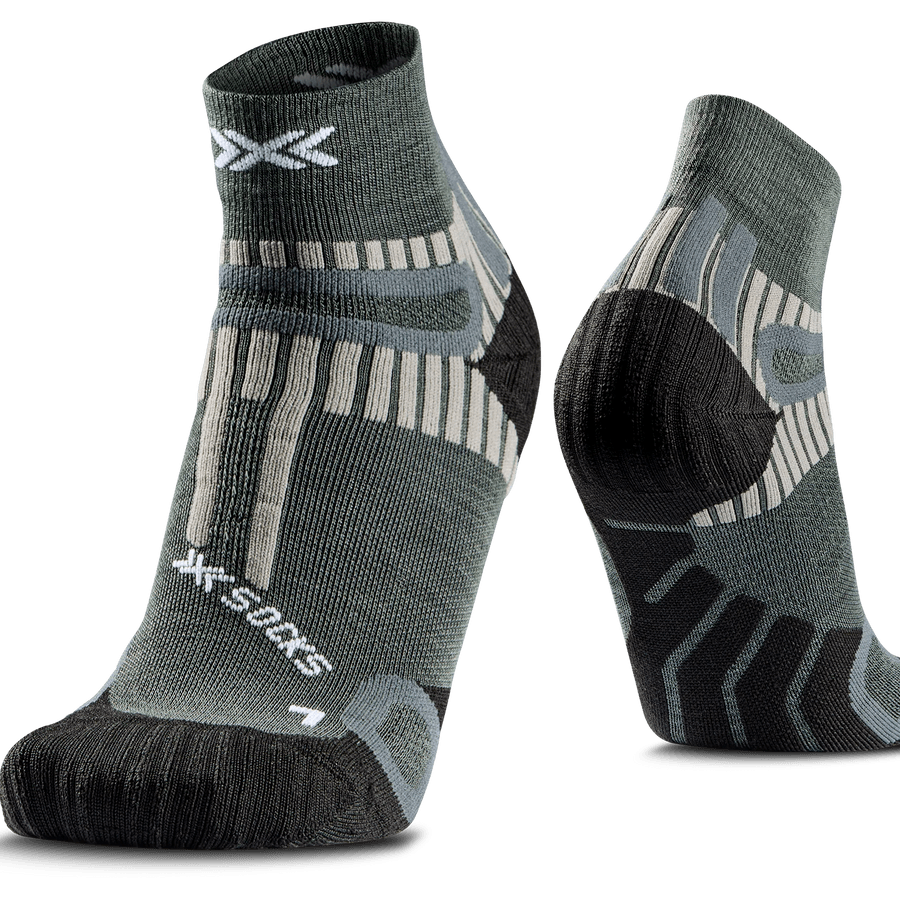
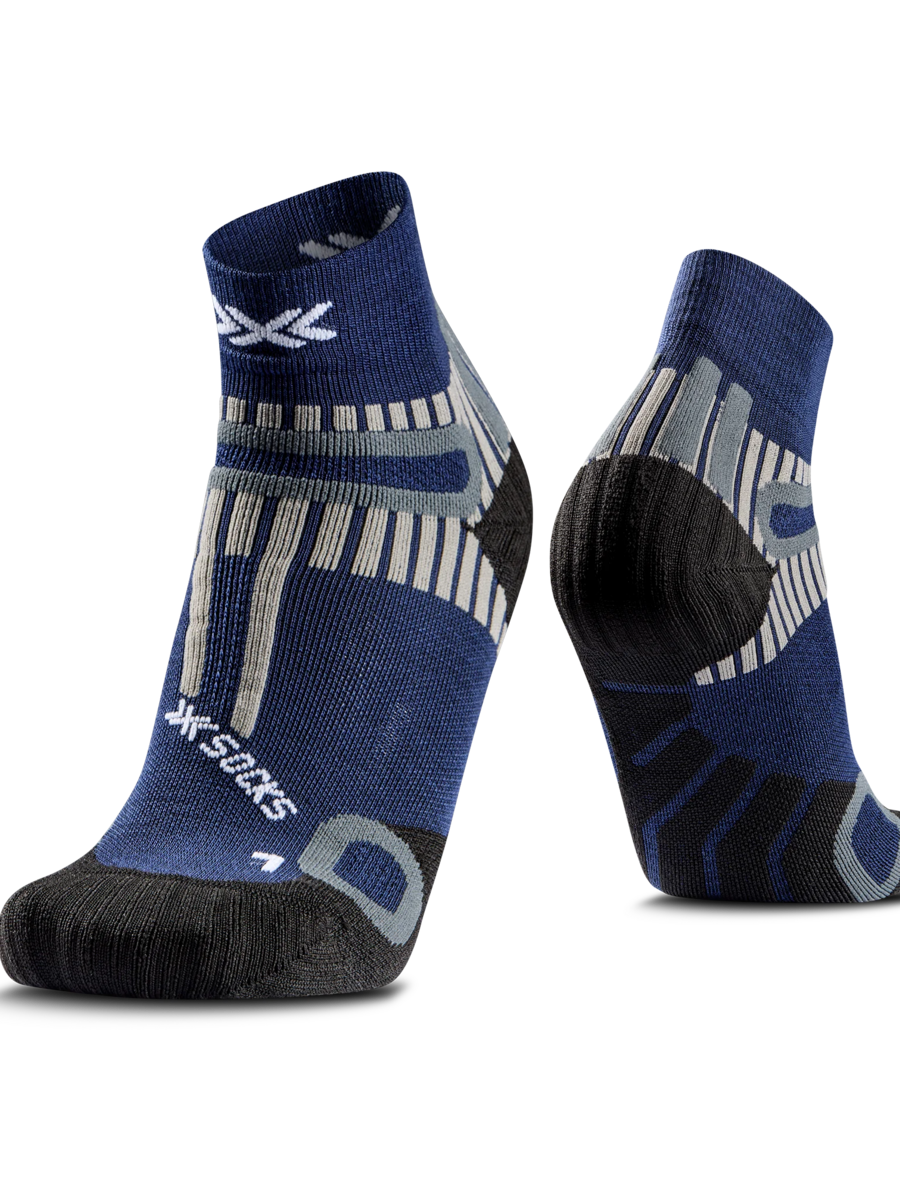
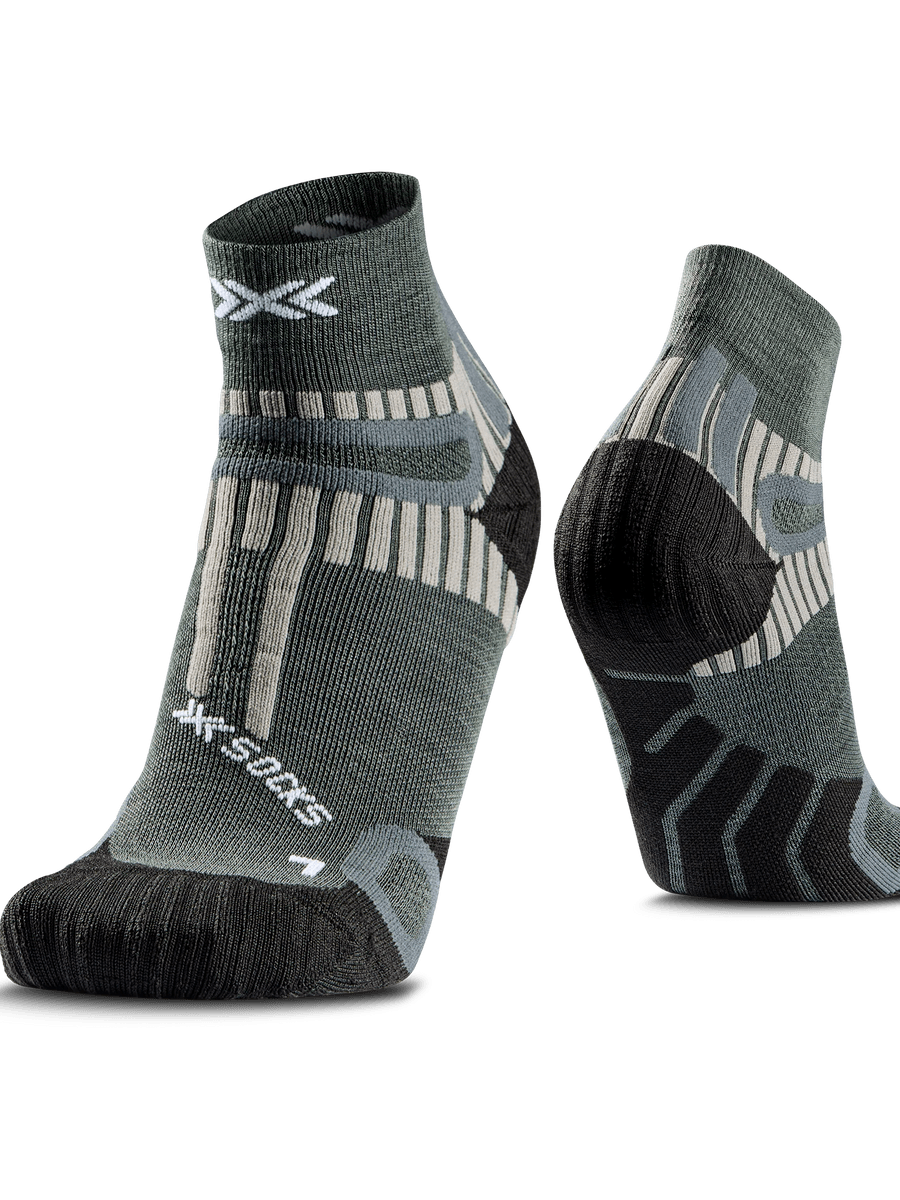
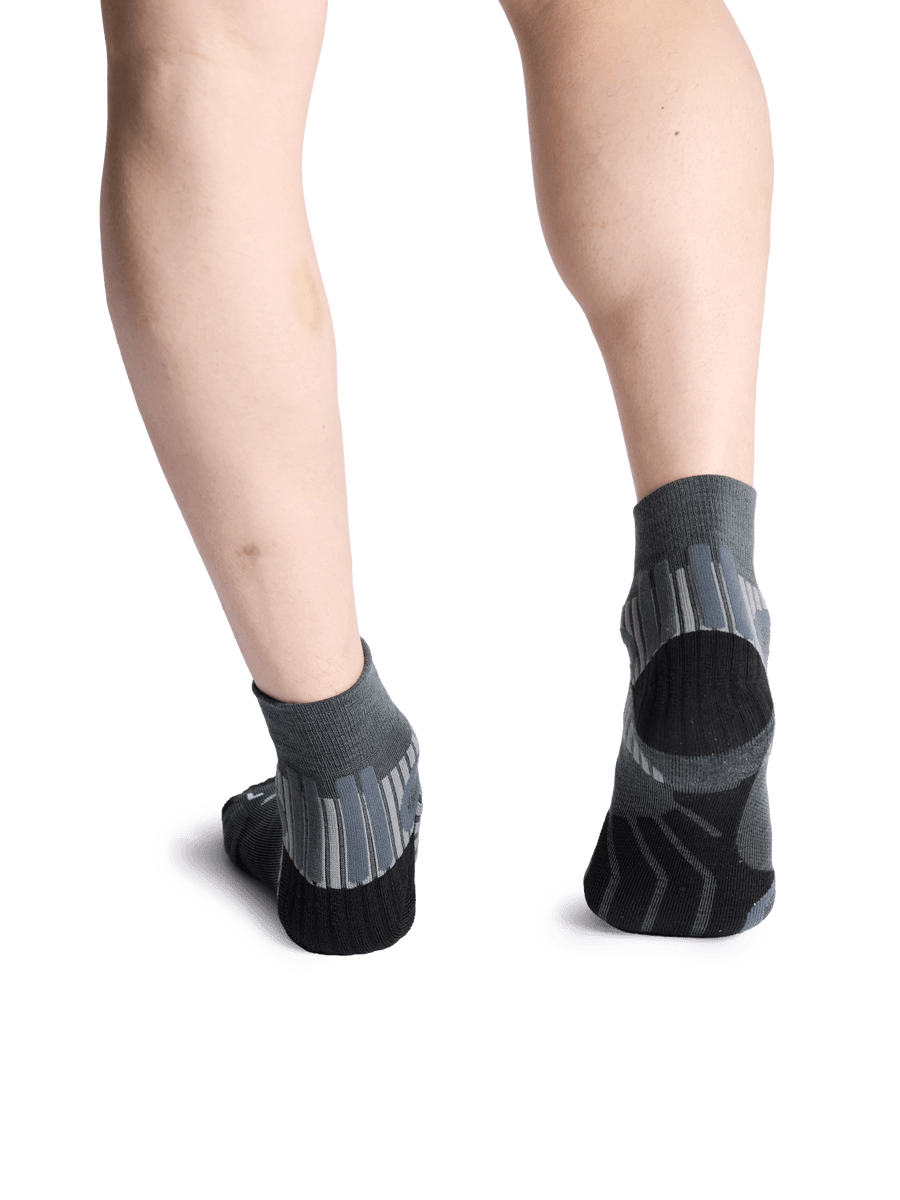
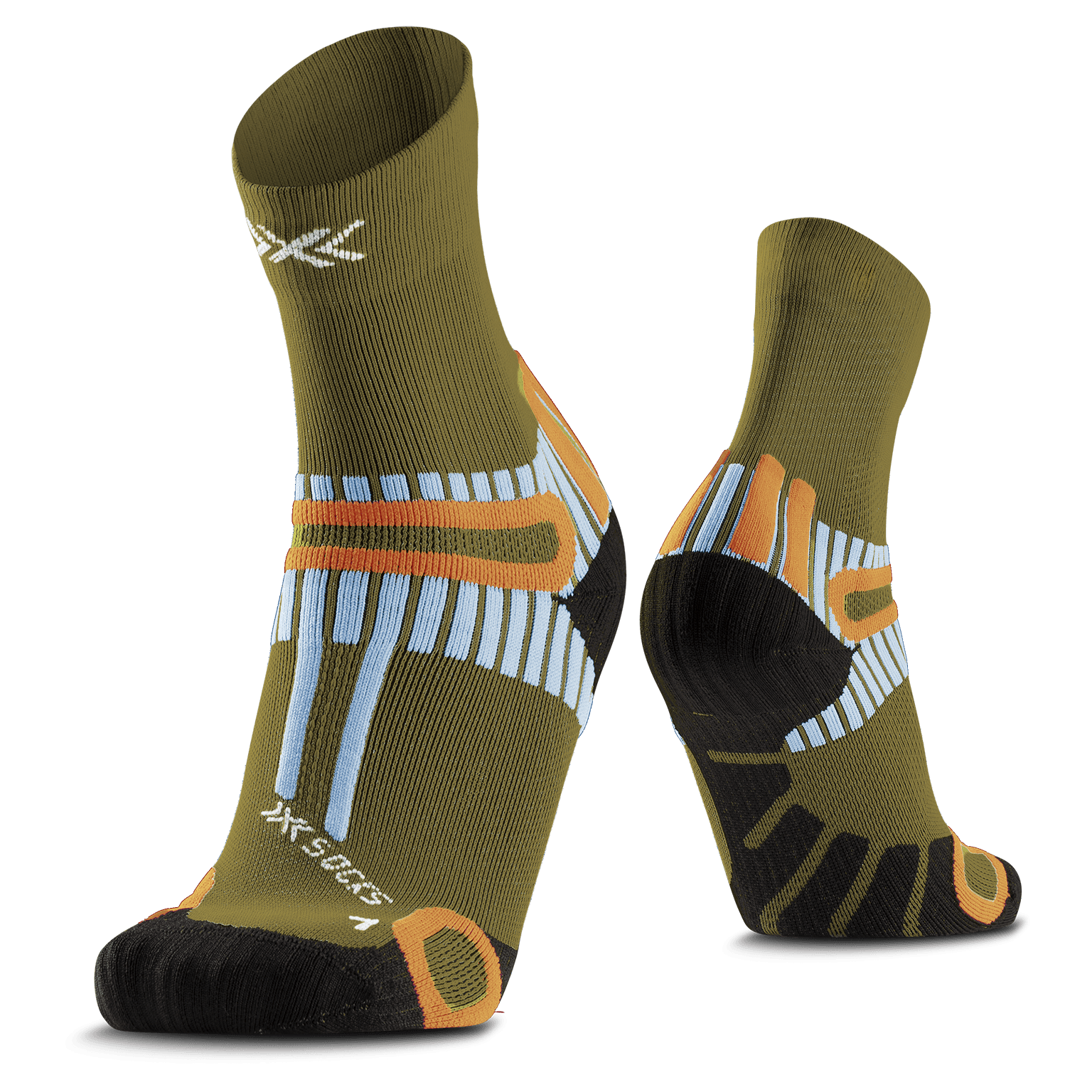
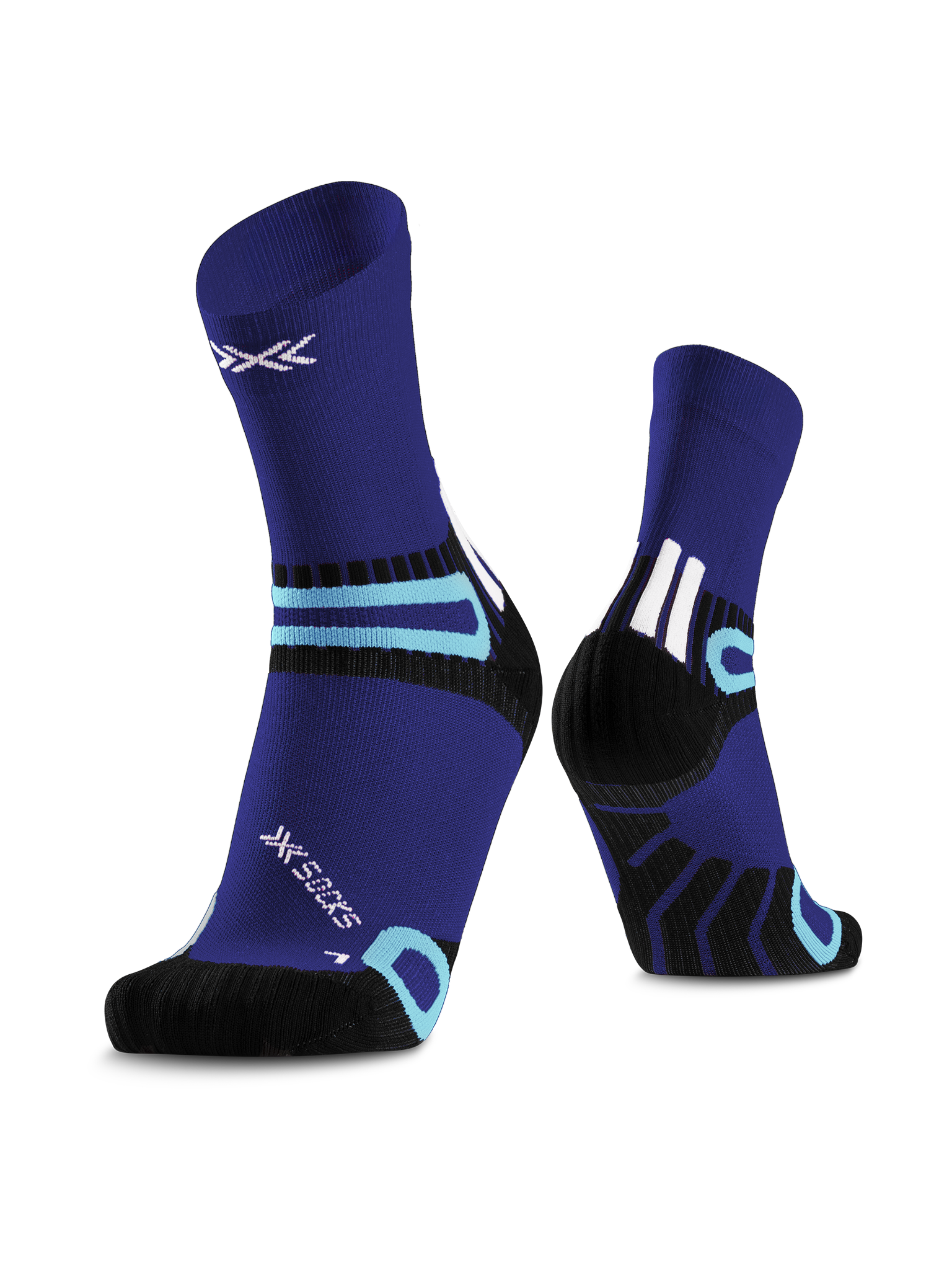
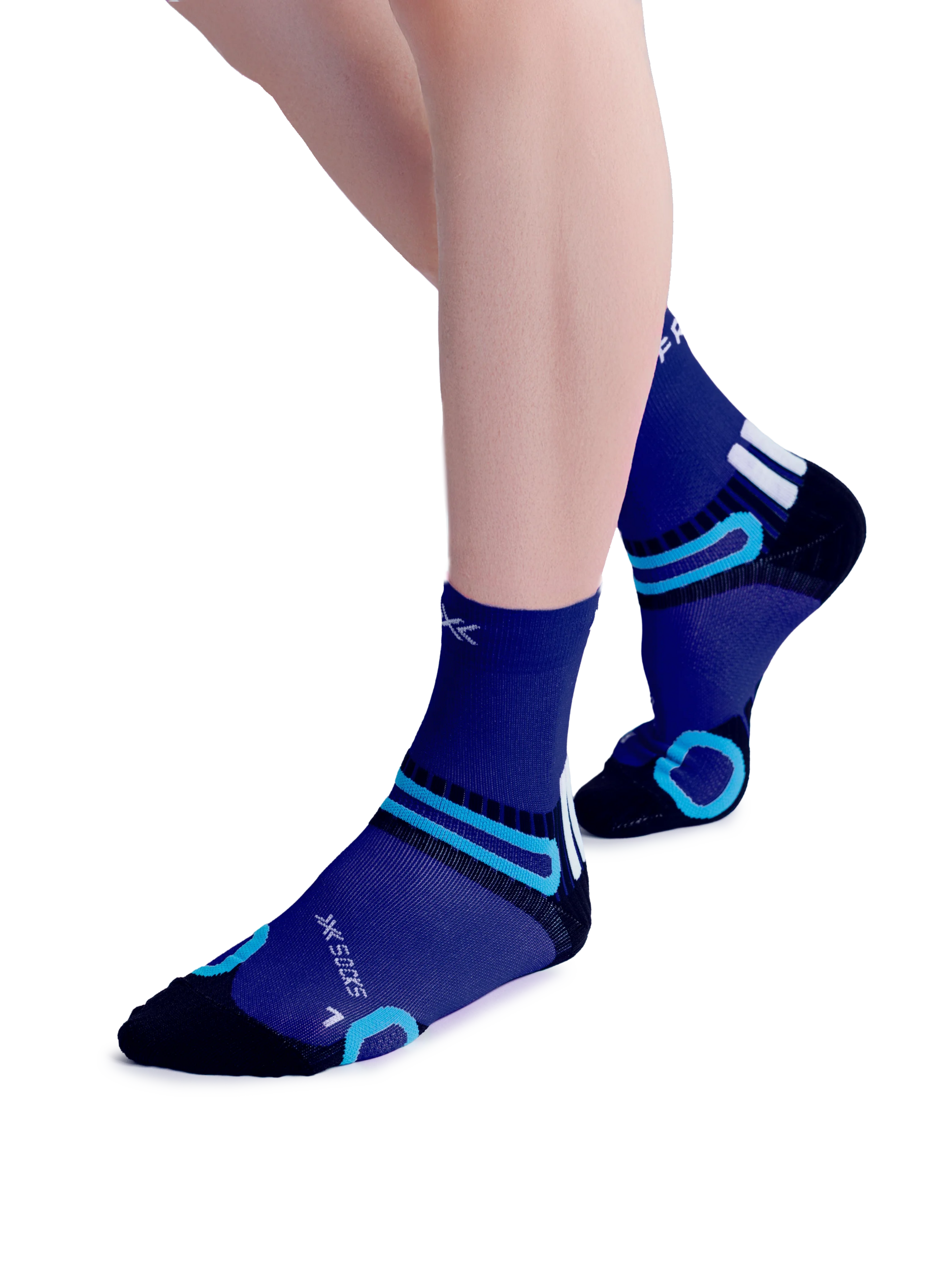
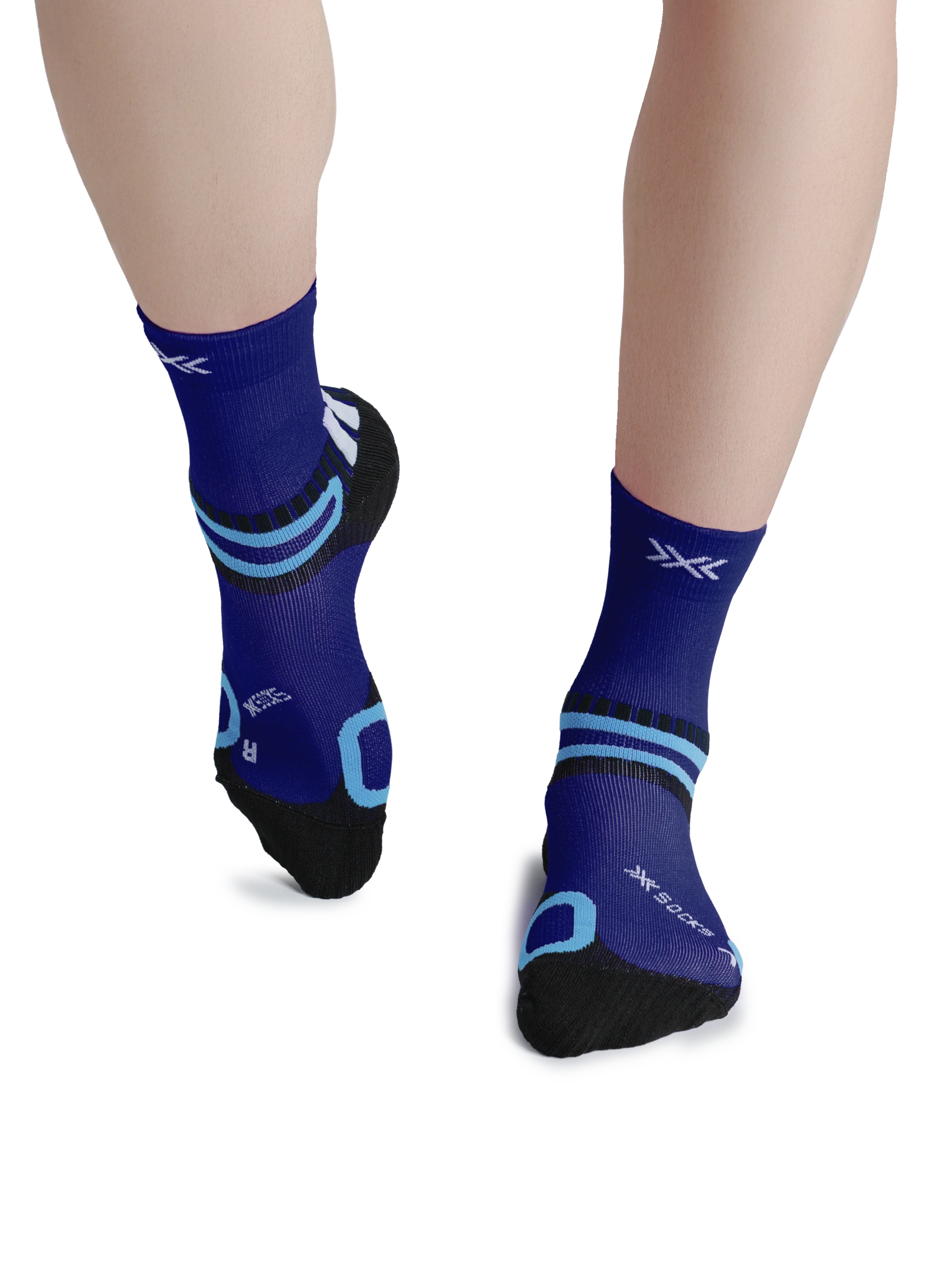
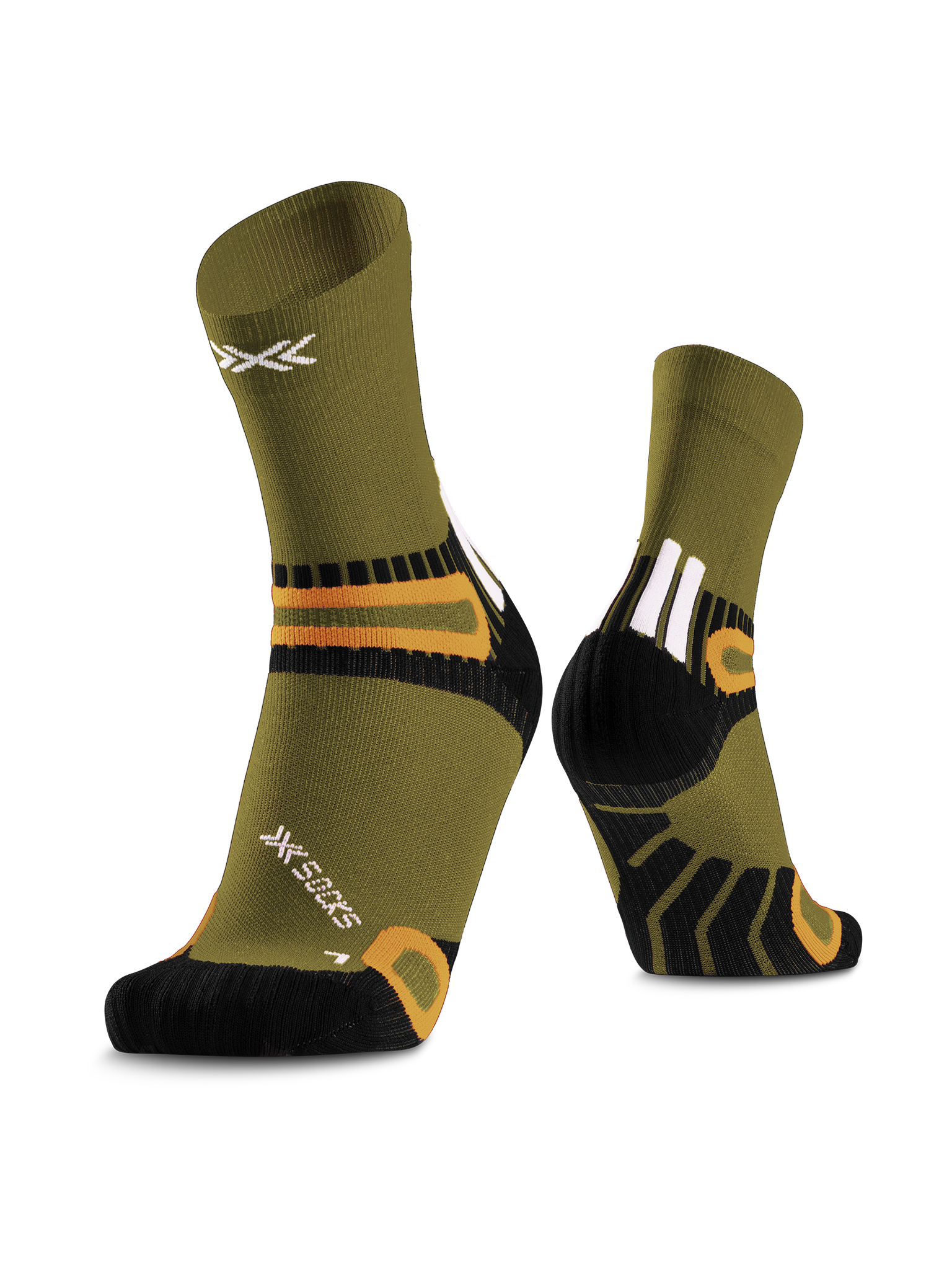
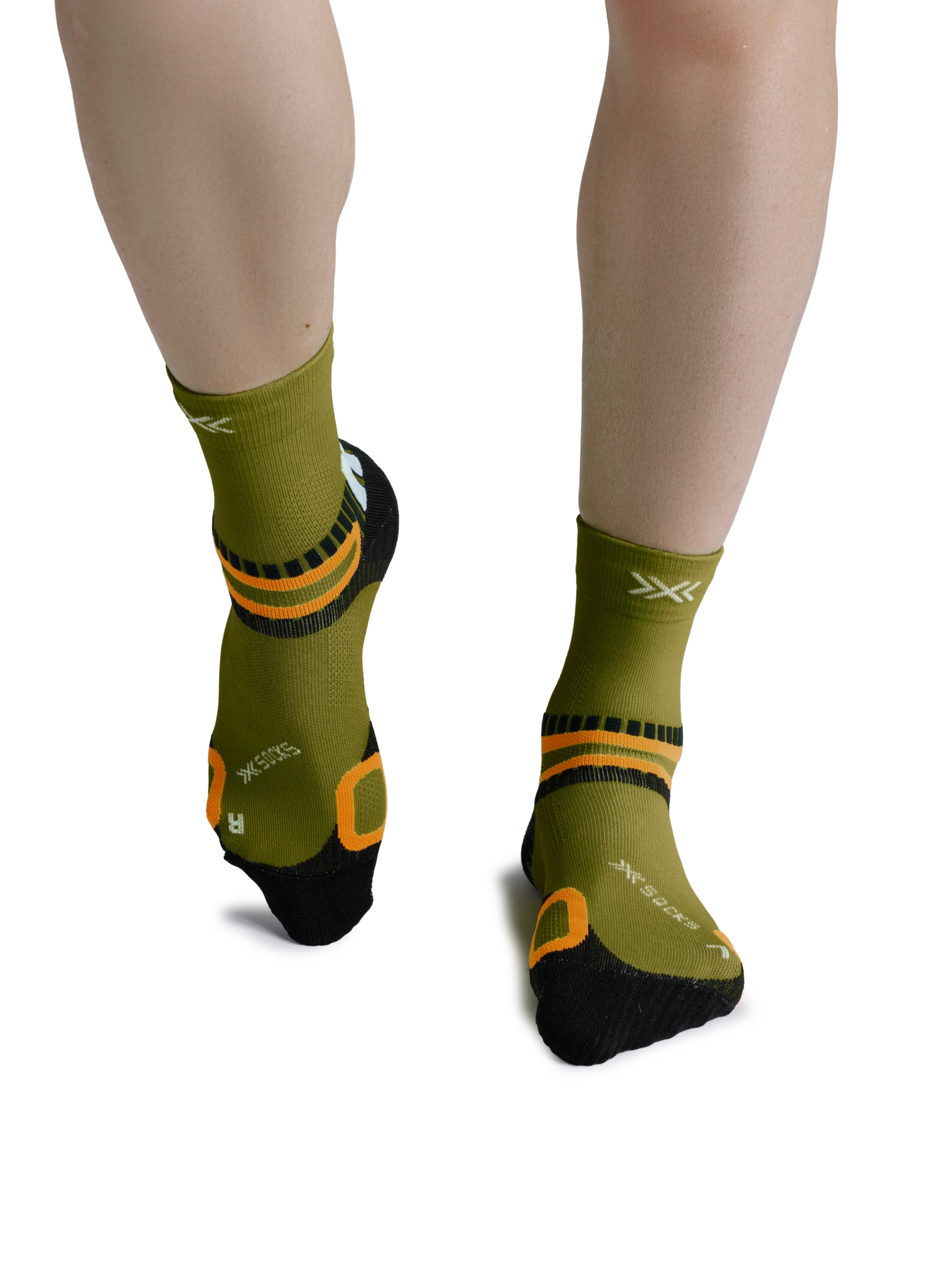
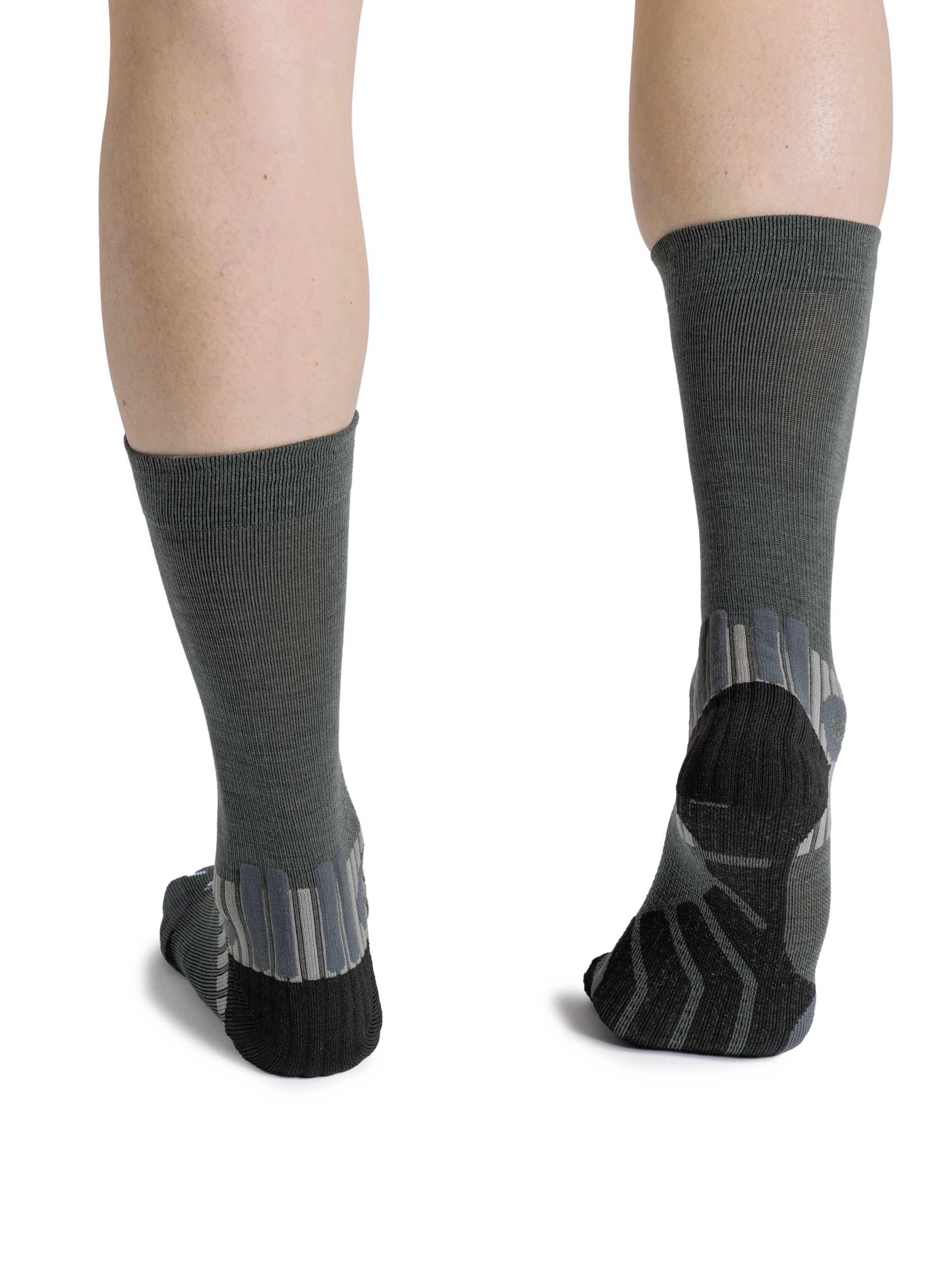
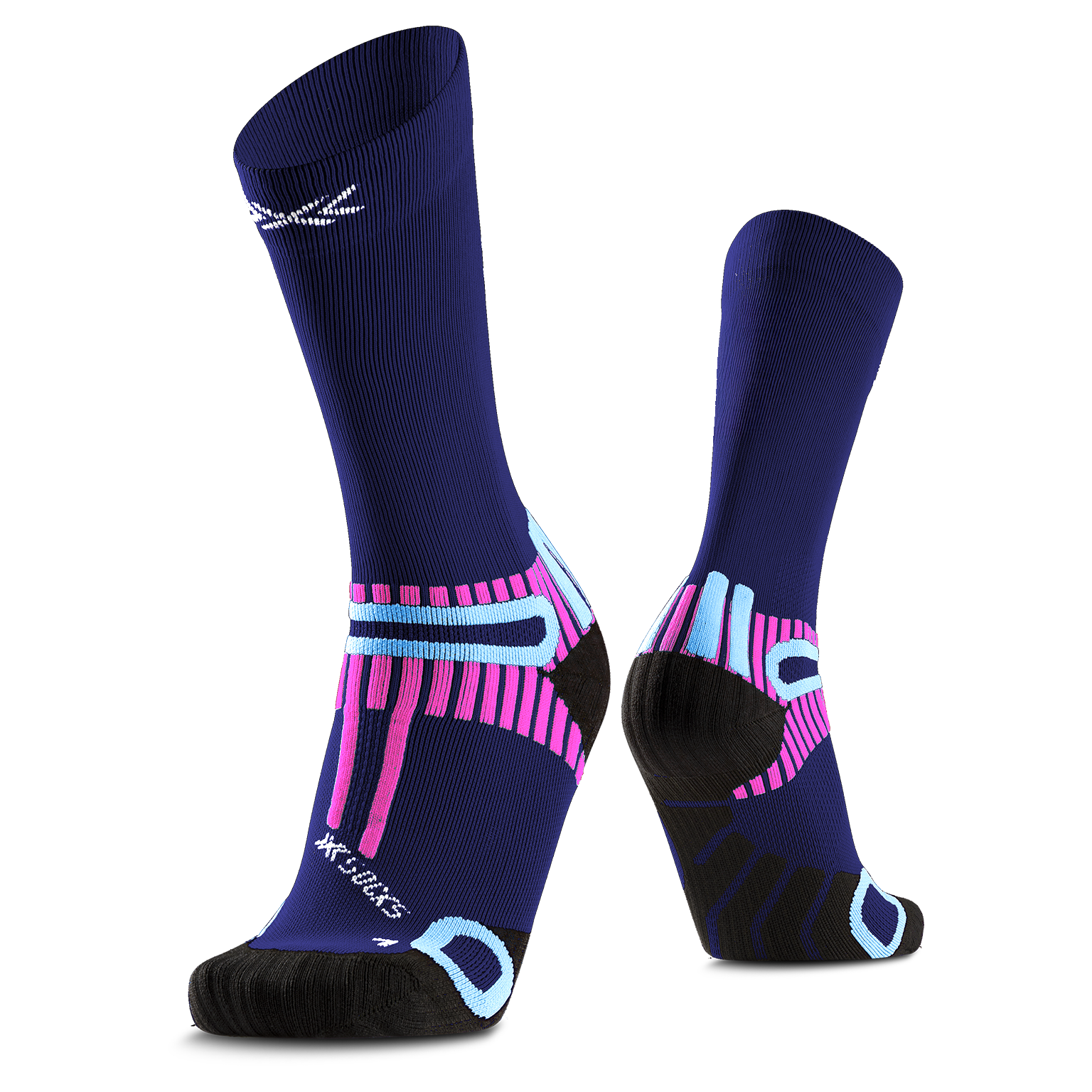
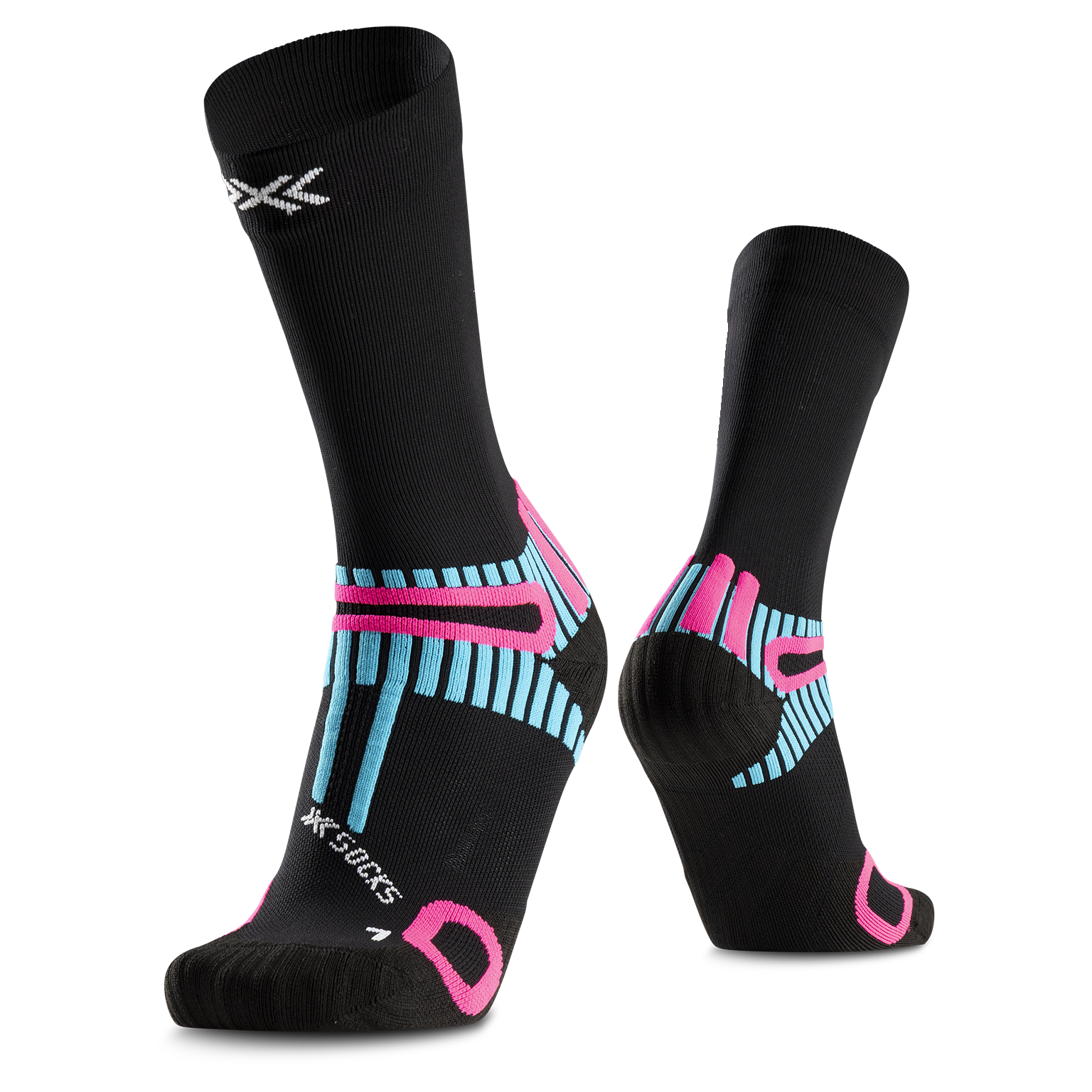
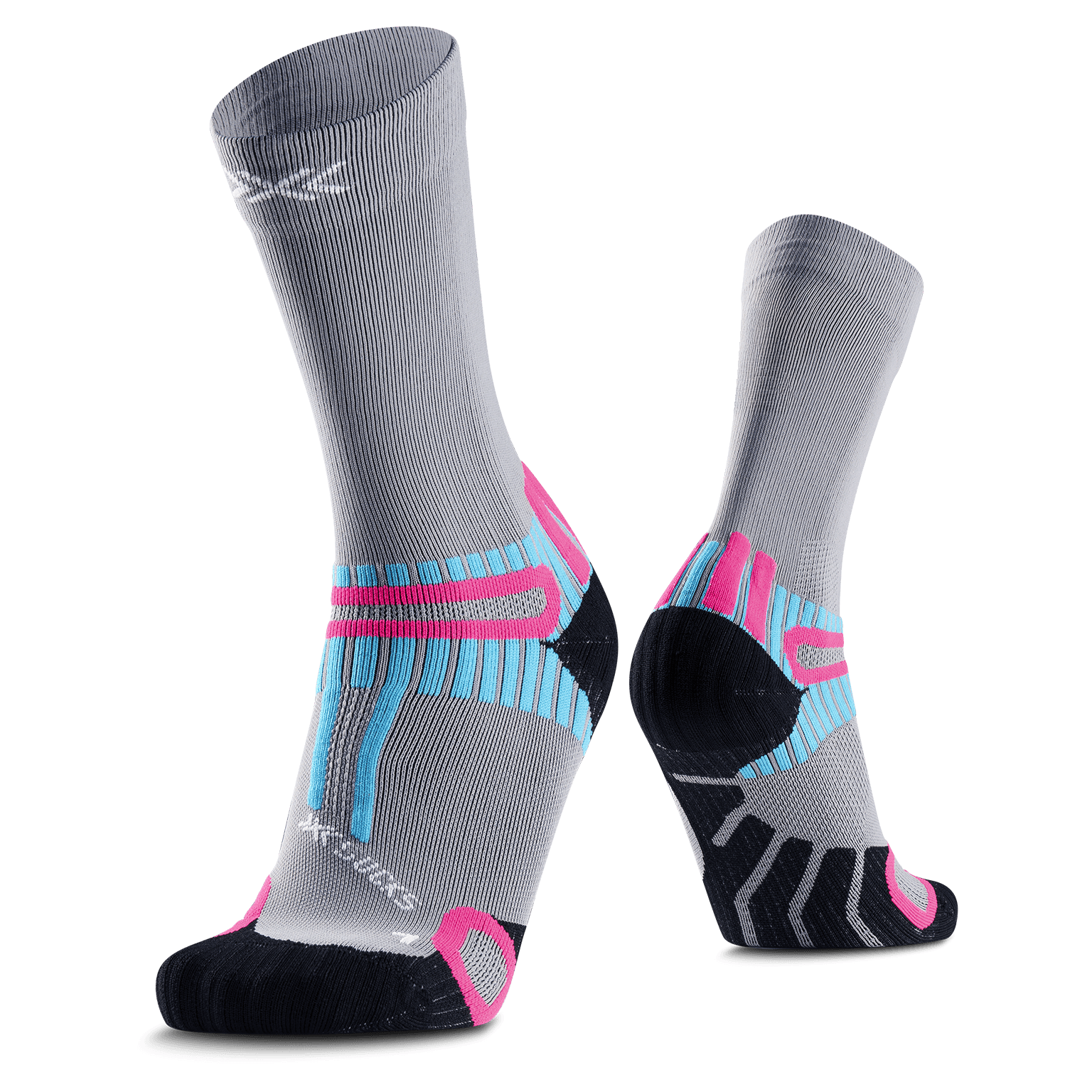
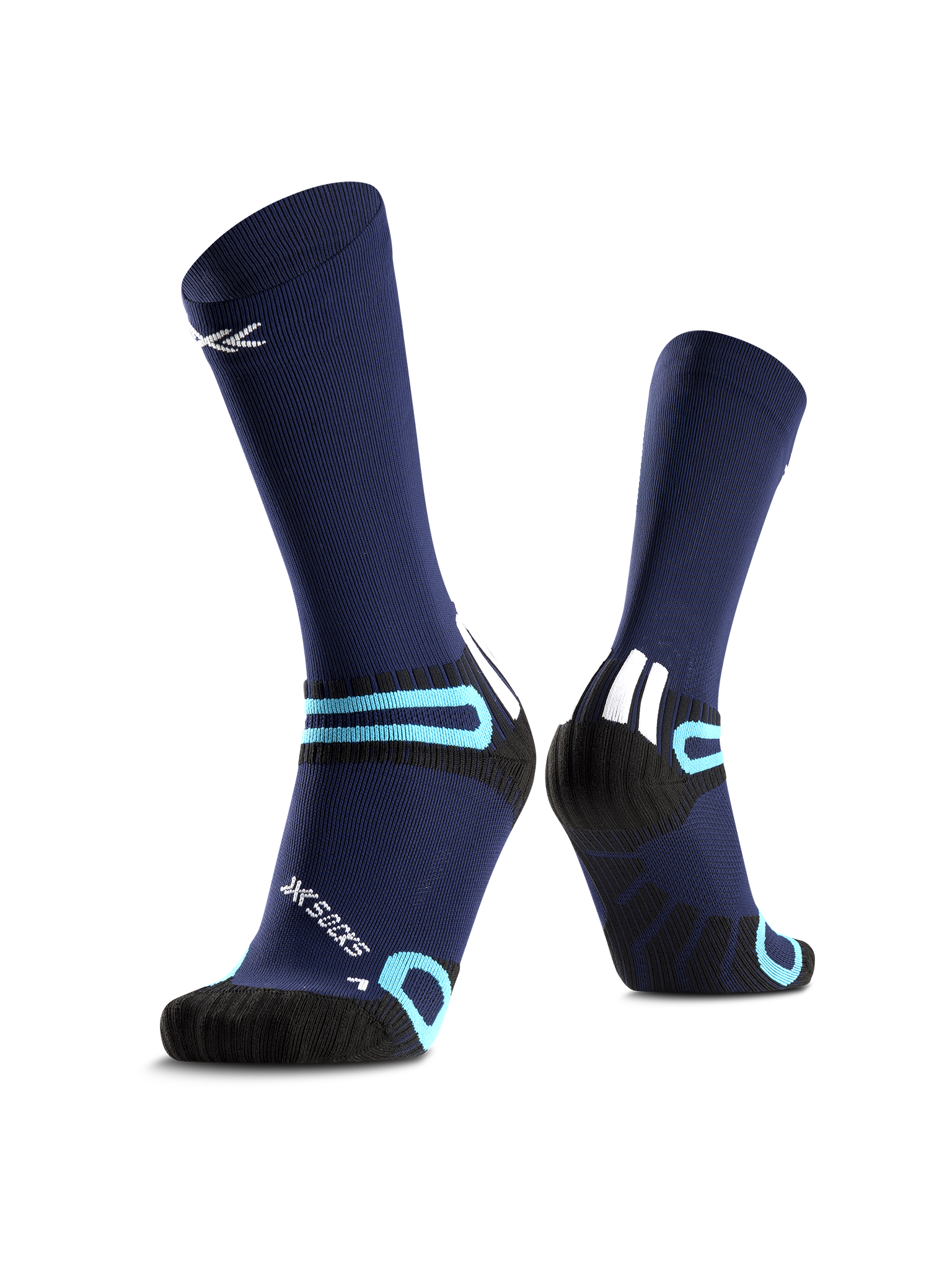
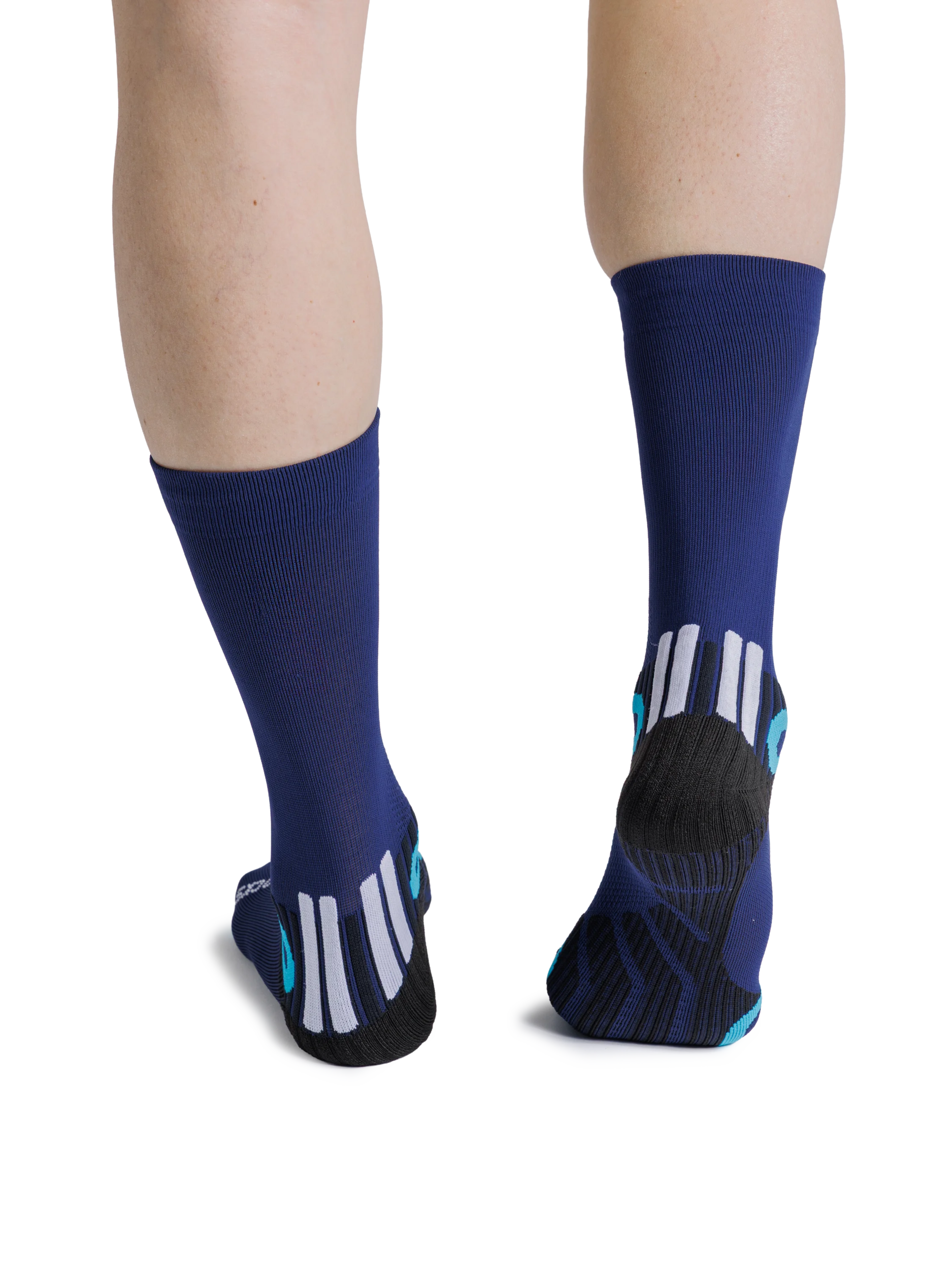
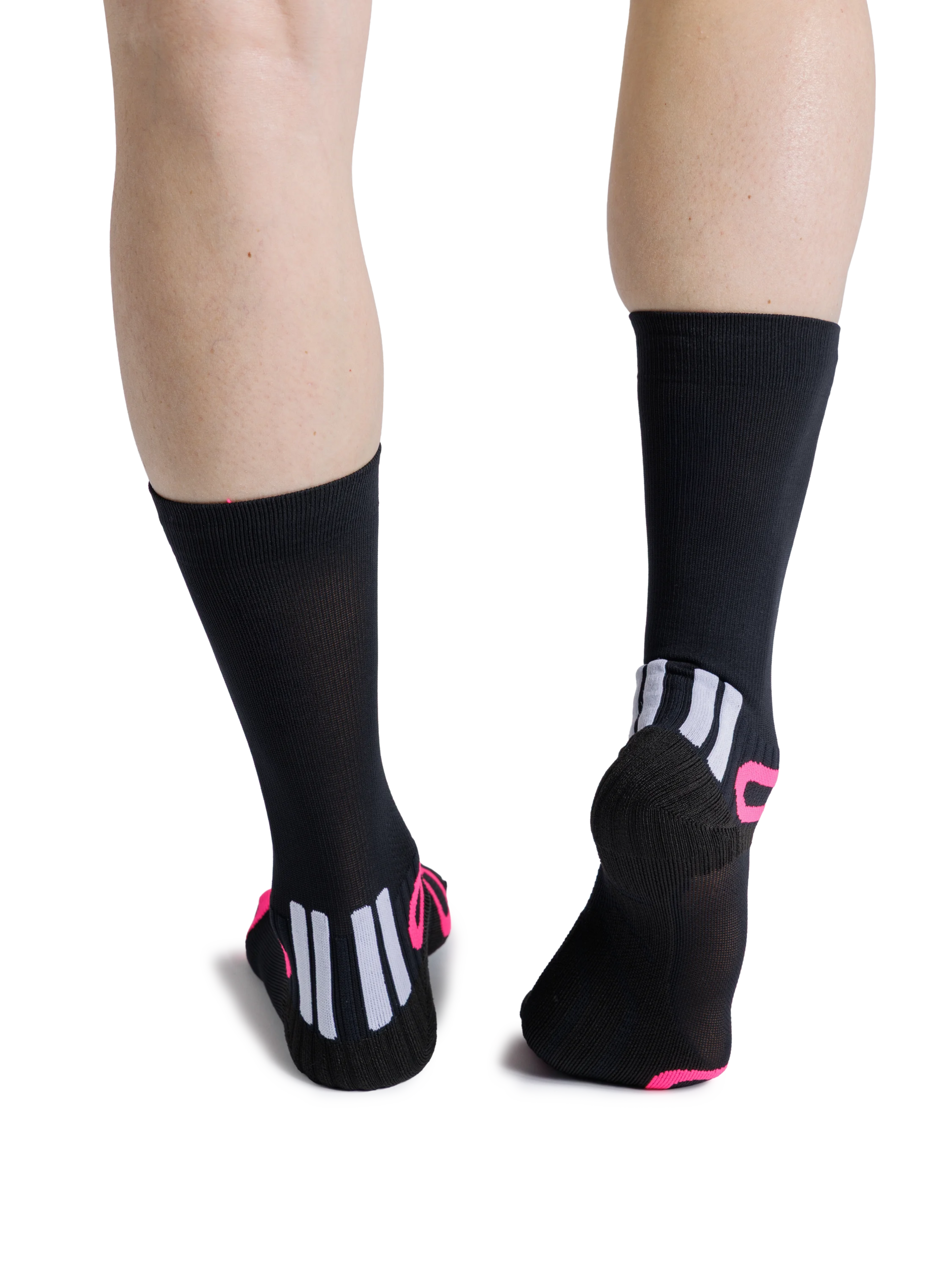
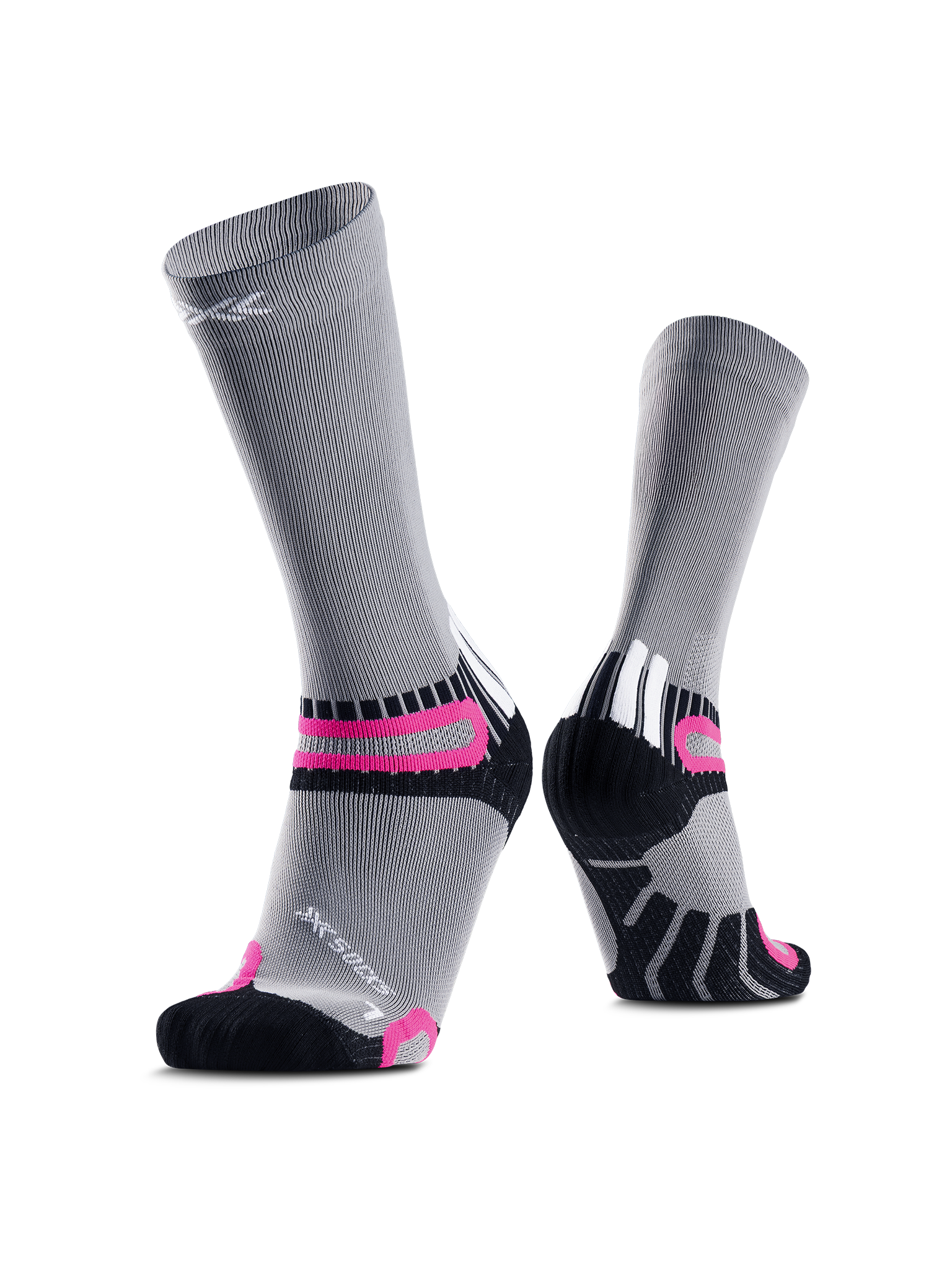
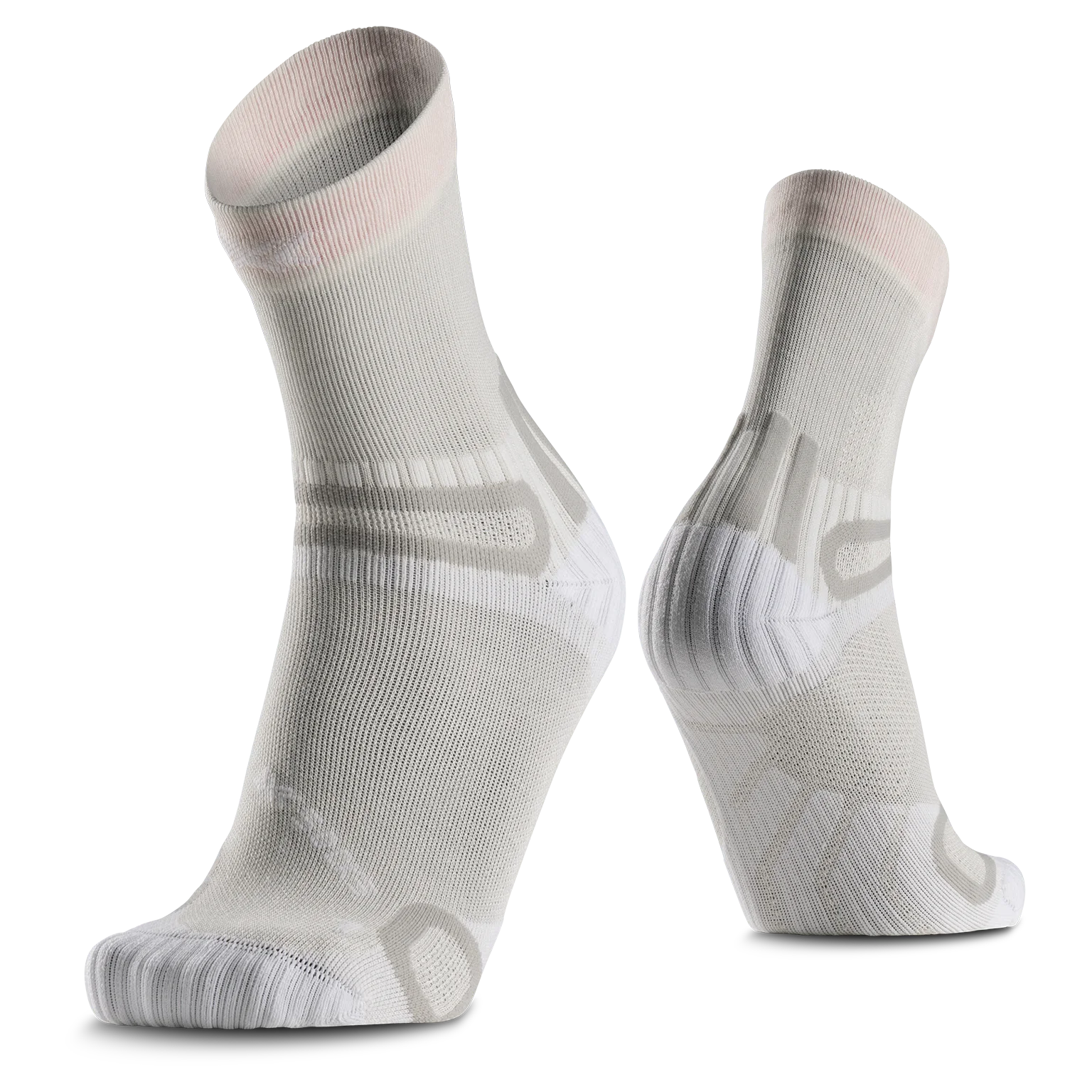
The best fit comes from socks built with left and right foot-specific construction. This engineering approach eliminates excess material and creates a precision fit that helps prevent blisters through reduced friction and hot spots.
Sock thickness must match your boot fit. Thinner socks work with precisely fitted boots, while thicker cushioning requires boots sized to accommodate the additional volume. Always test sock and boot combinations to ensure proper fit.
Durability and Construction Quality
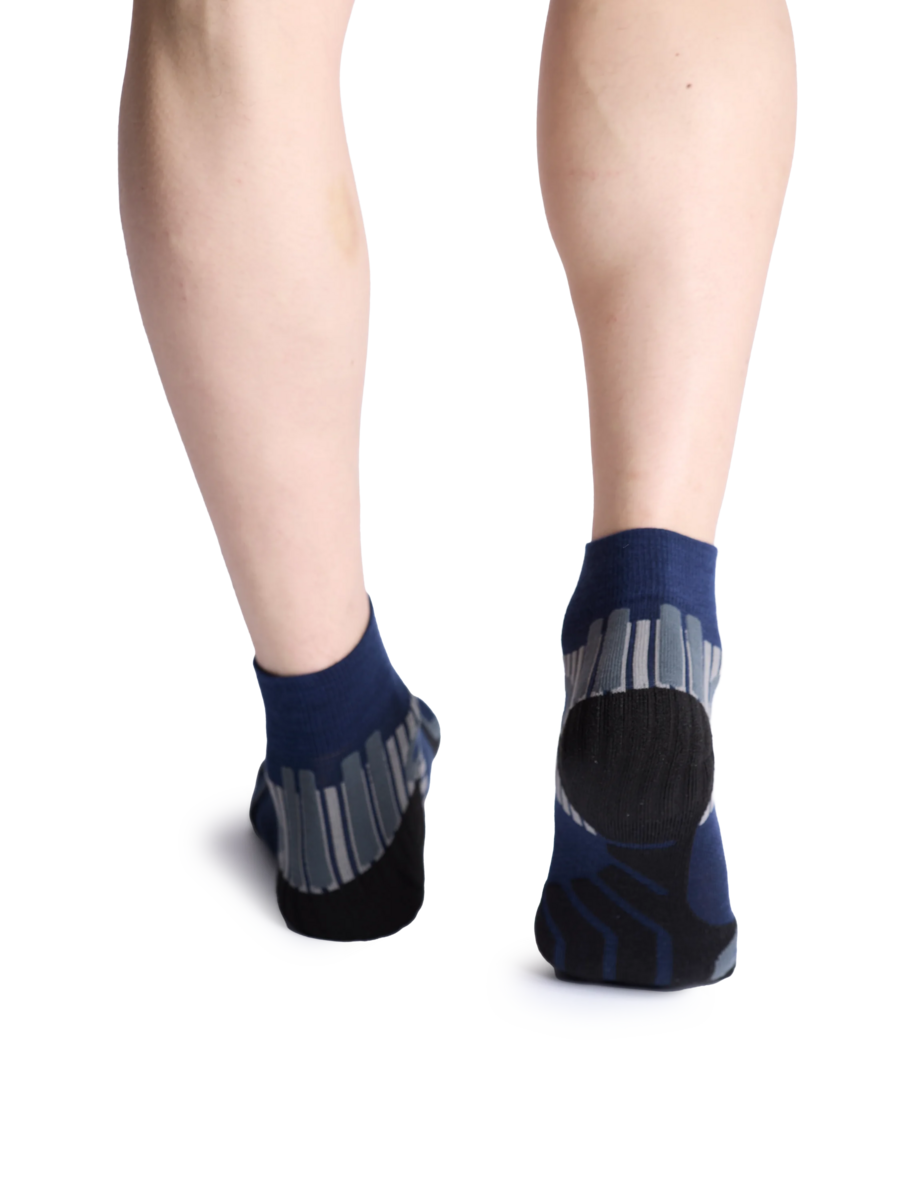
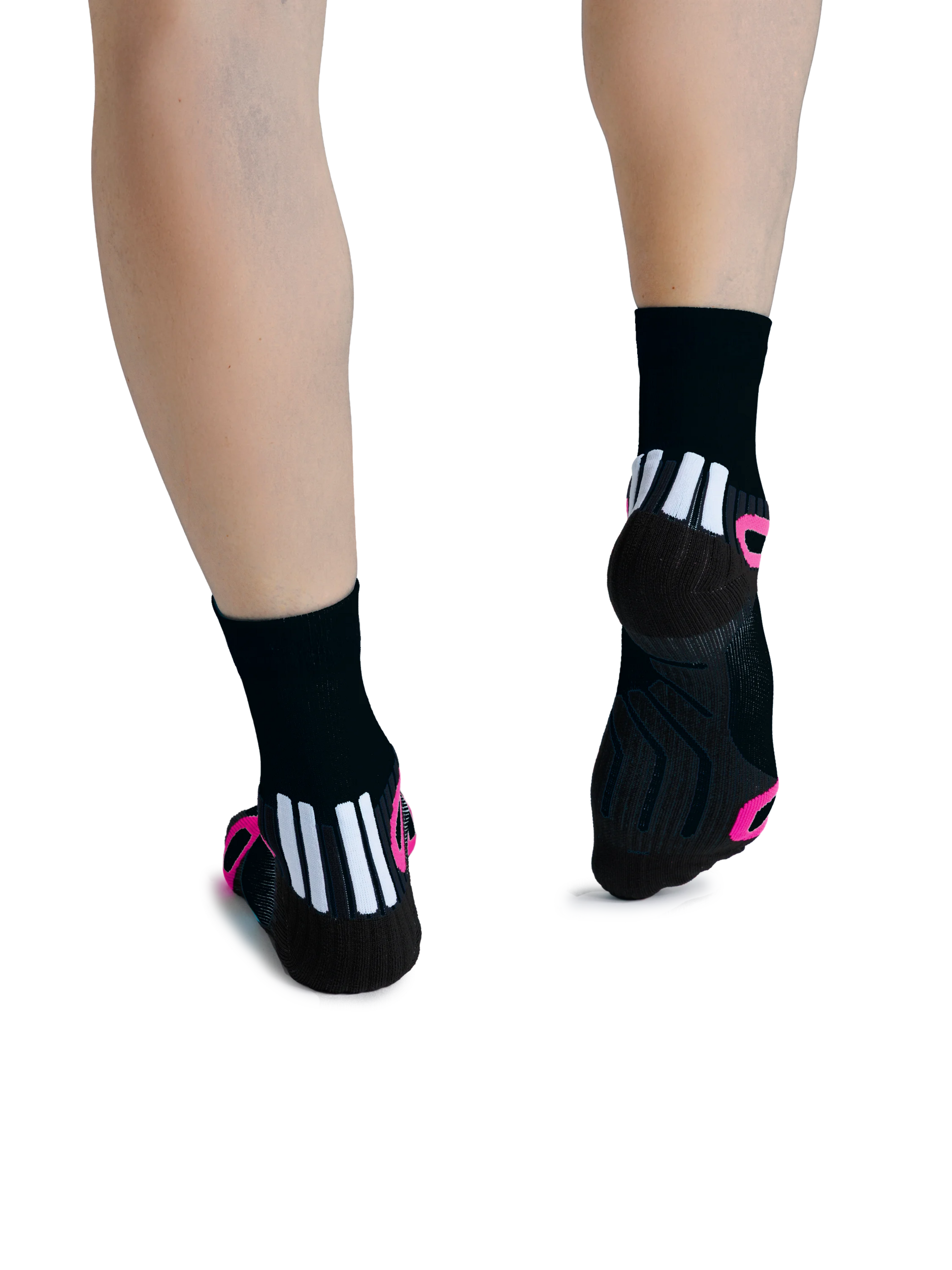
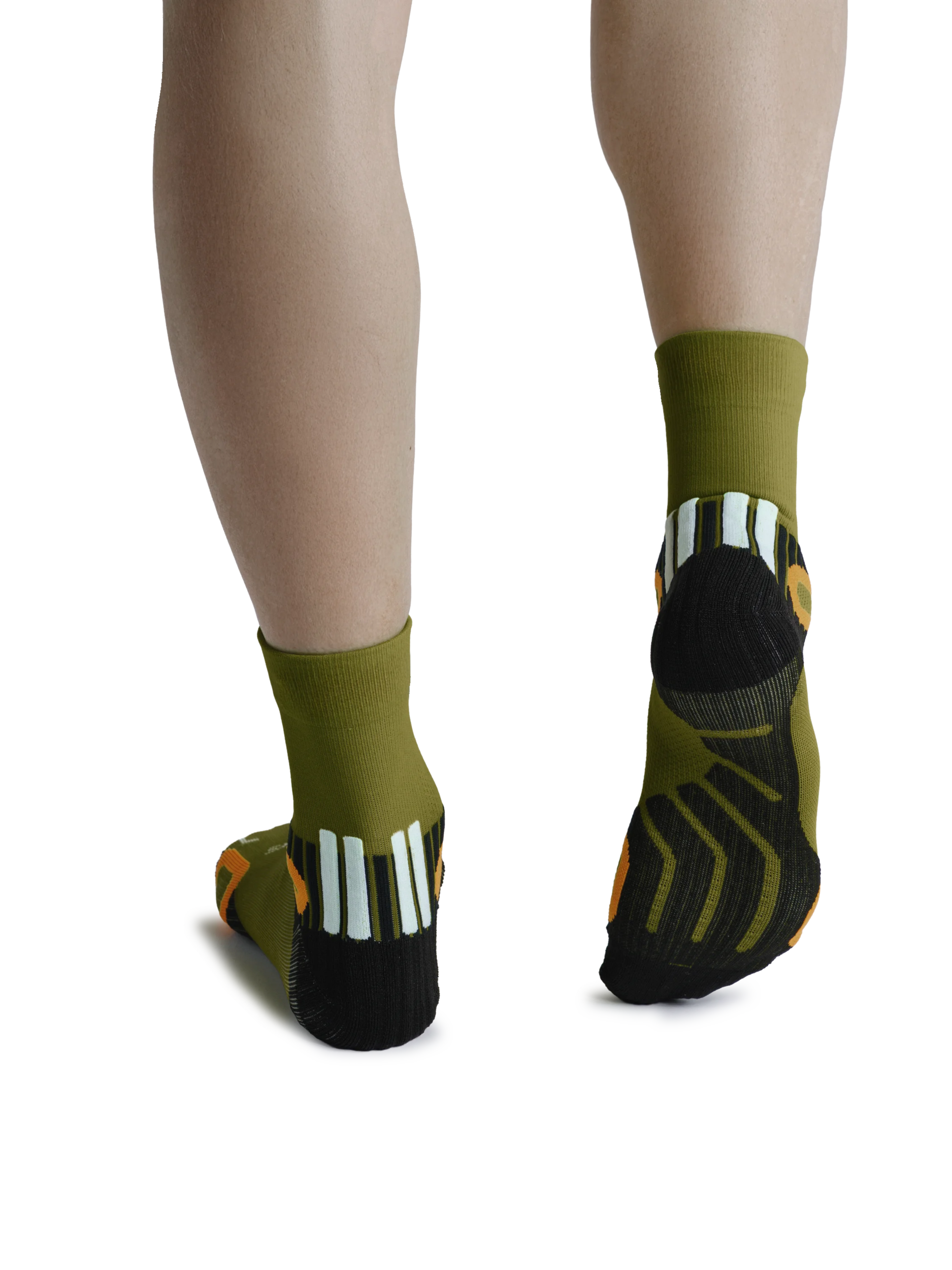
Durability in hiking socks comes from reinforced construction in high-wear zones. Quality socks feature reinforced heels and toes using stronger fiber construction that resists abrasion and extends sock life.
Seamless toe construction eliminates pressure points and reduces blister risk. This construction method creates a smooth interior that won't cause friction during long hiking sessions.
Premium hiking socks undergo rigorous testing to ensure they maintain performance characteristics through repeated washing and wearing cycles. Look for socks with guaranteed durability standards and construction quality metrics.