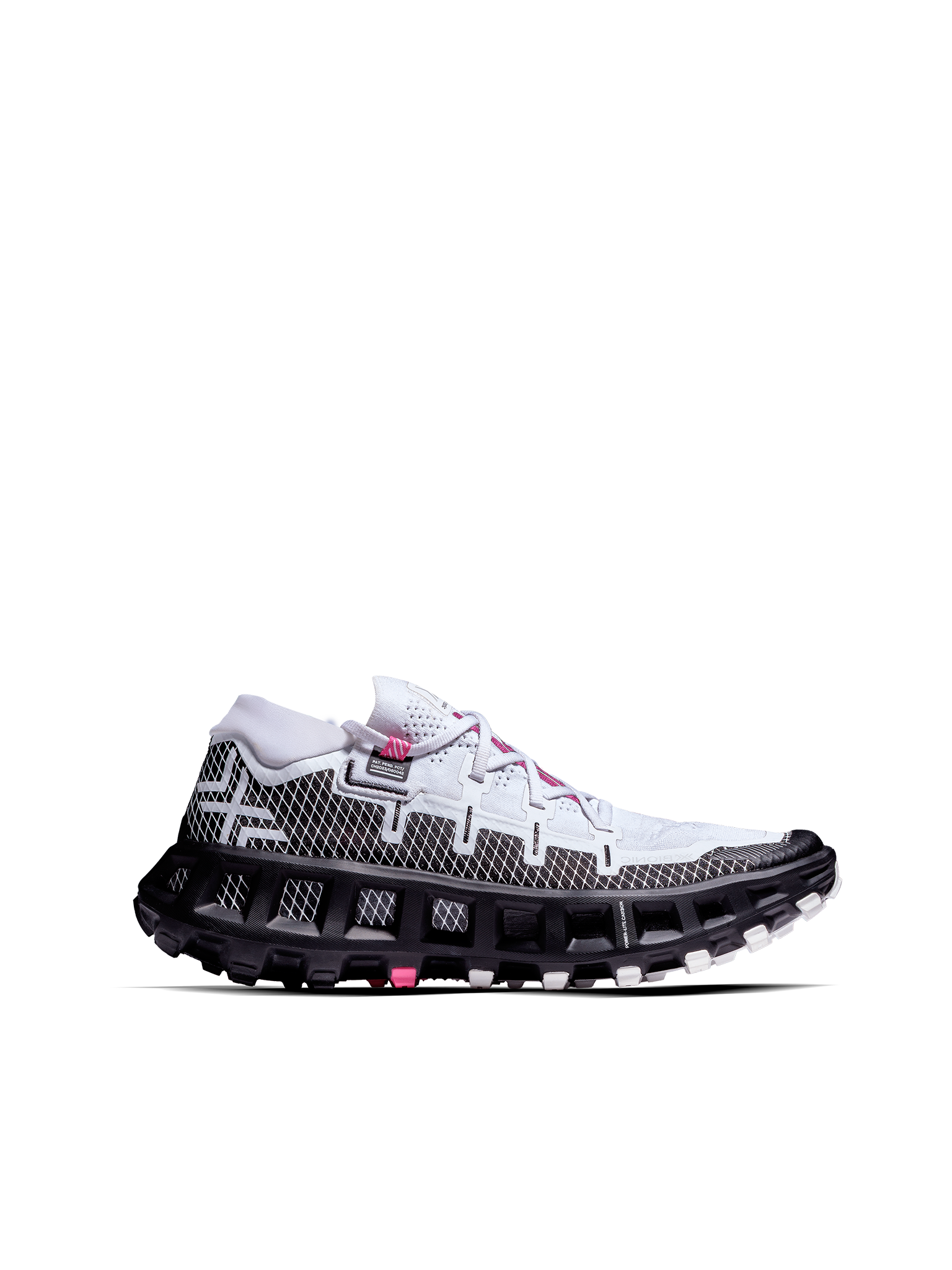
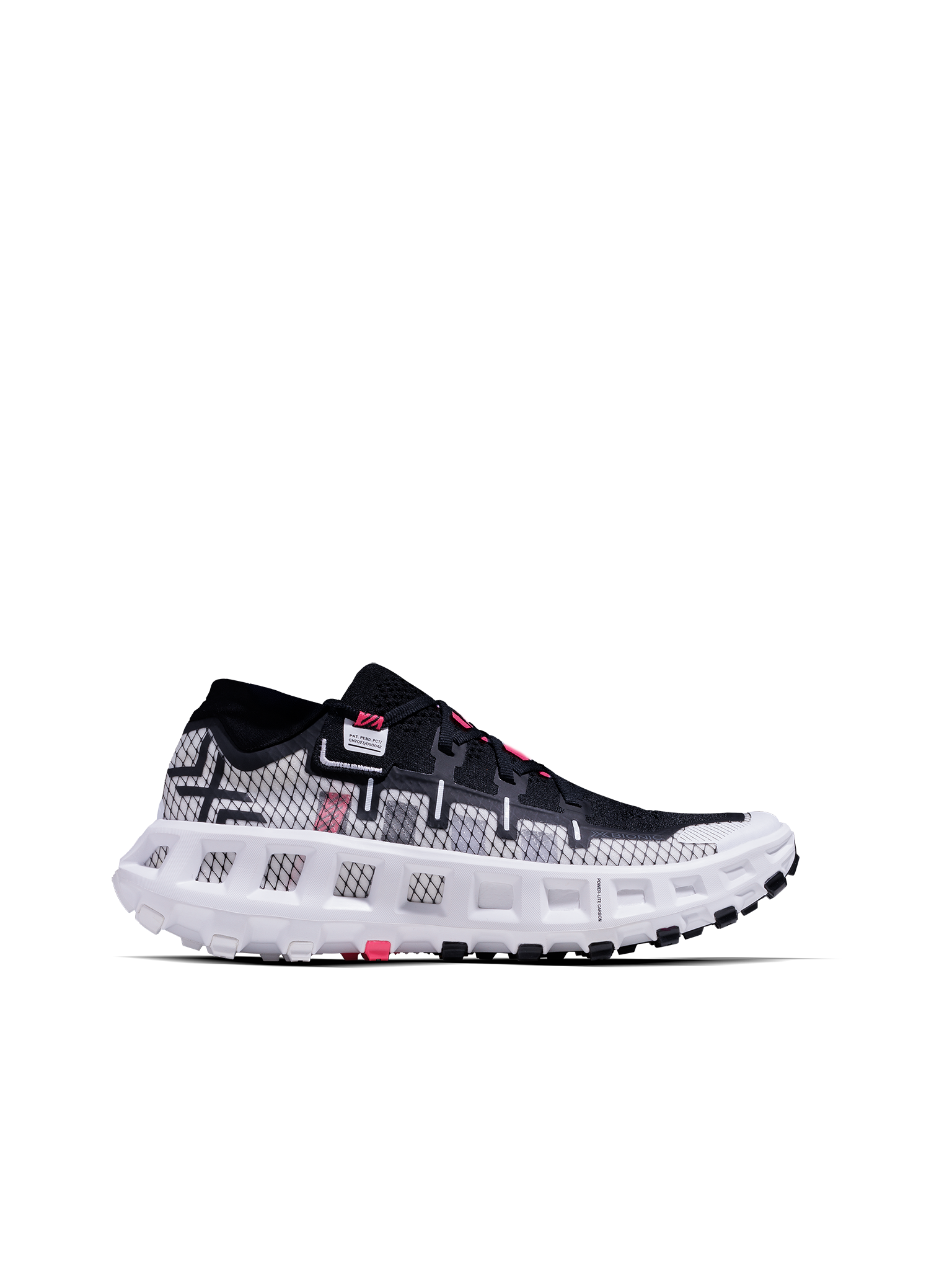
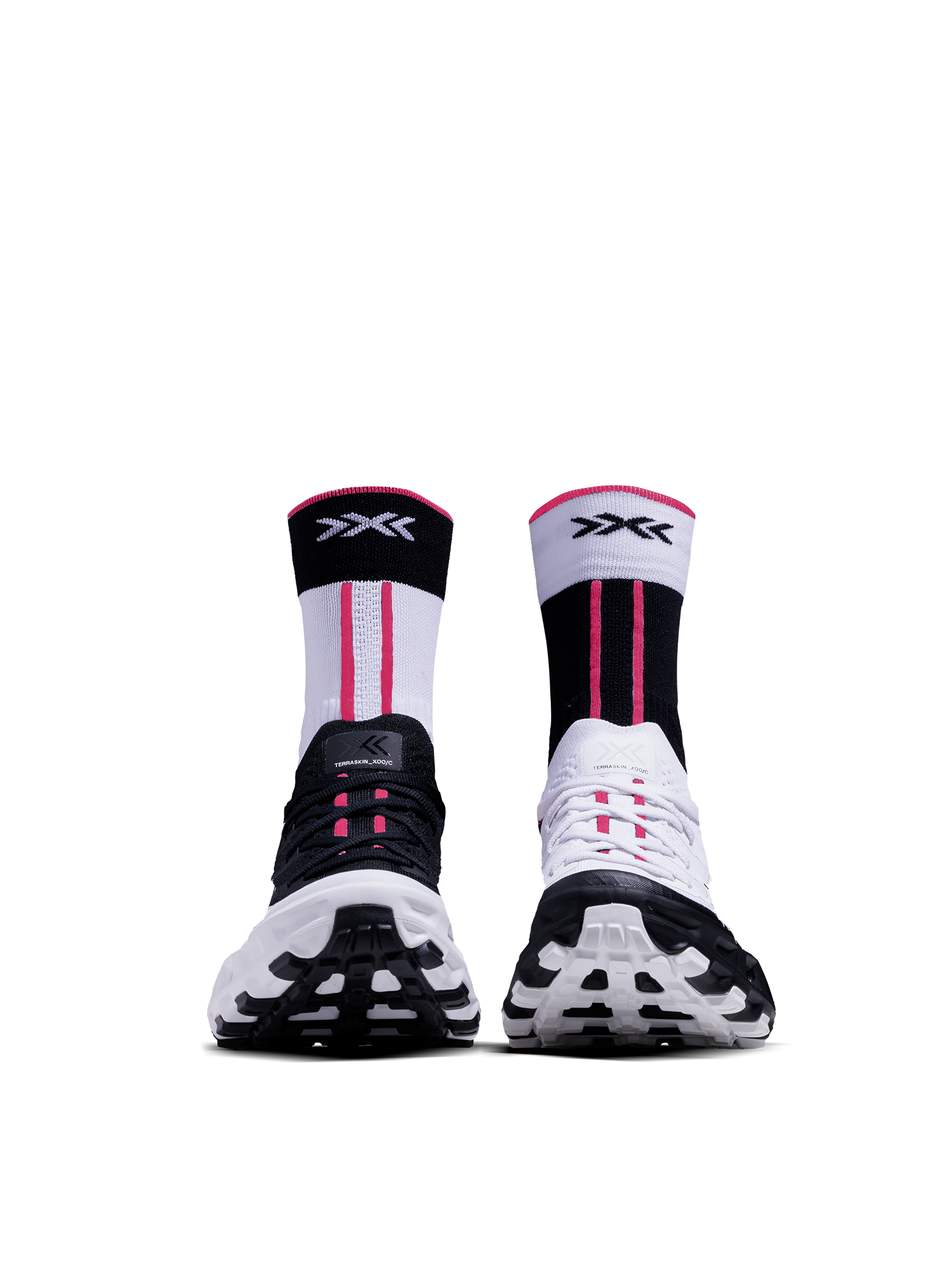
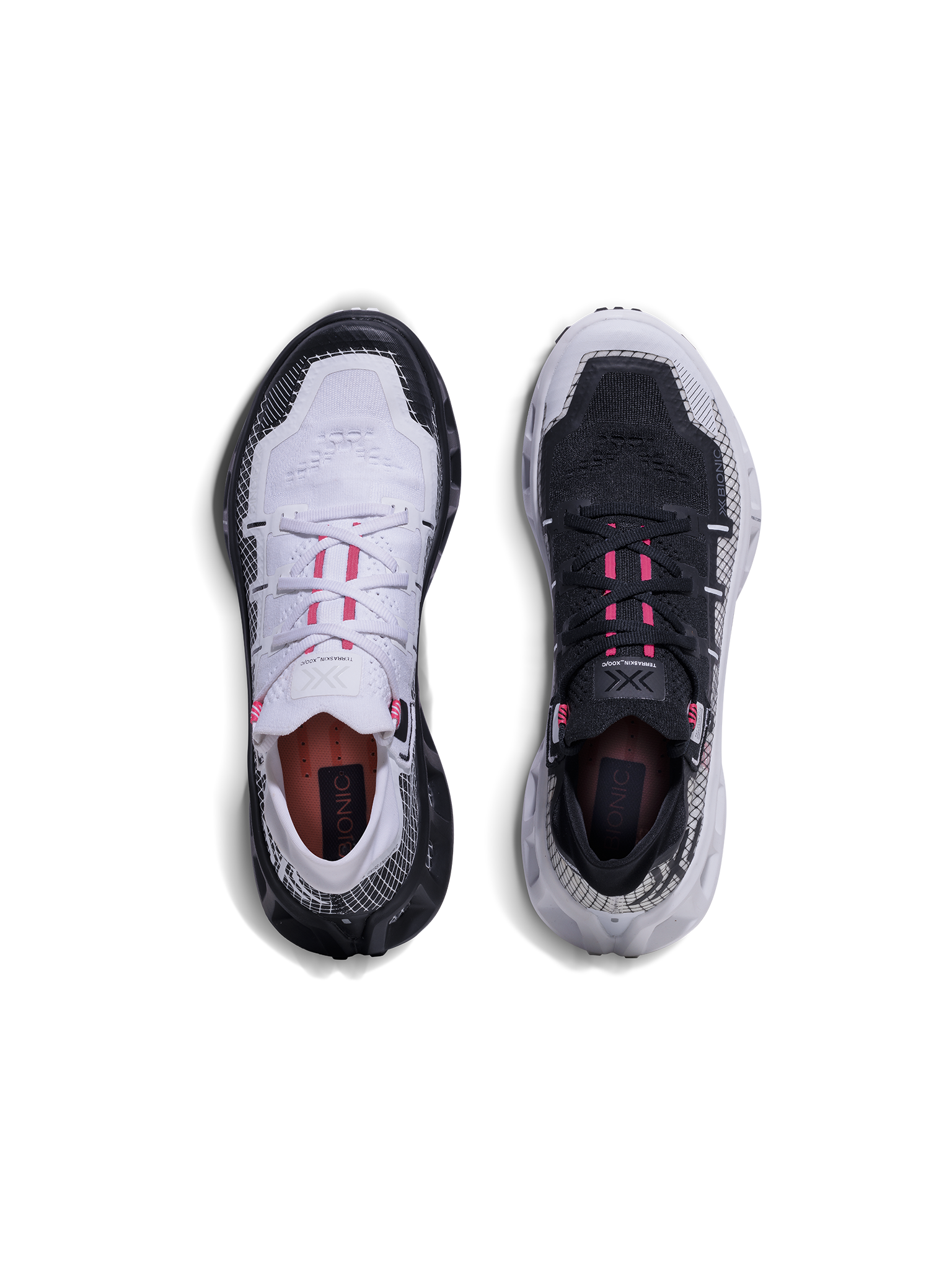
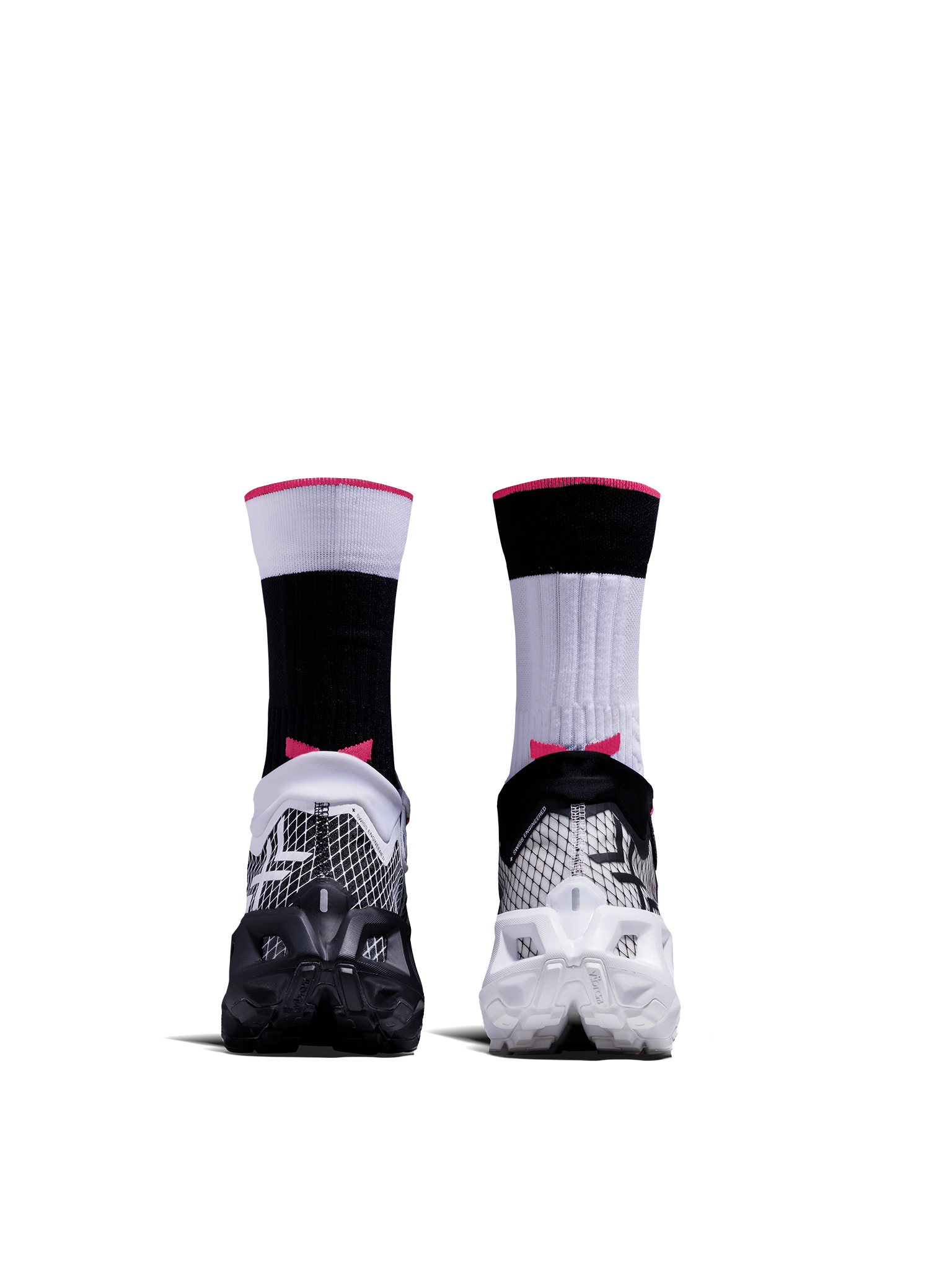
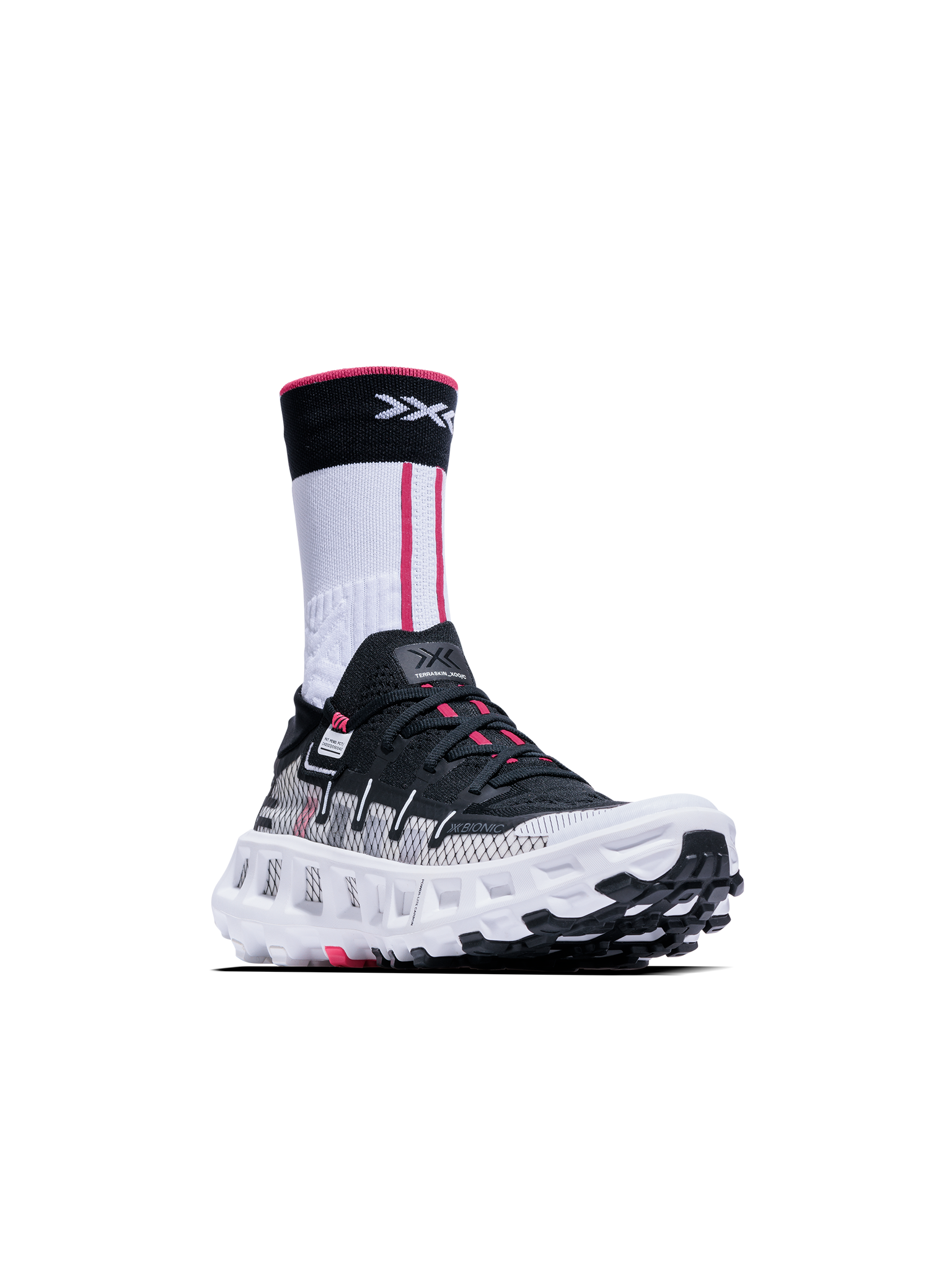
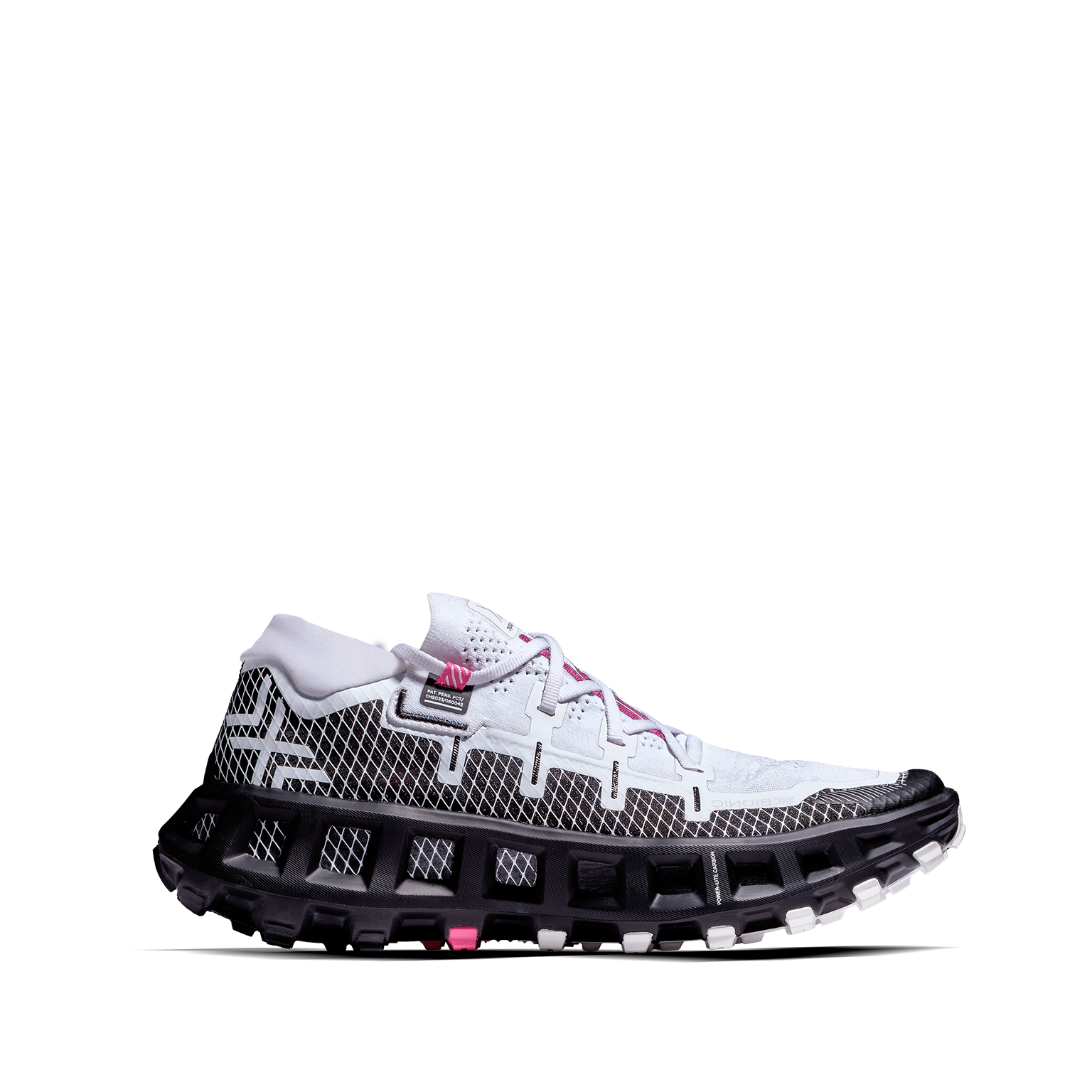
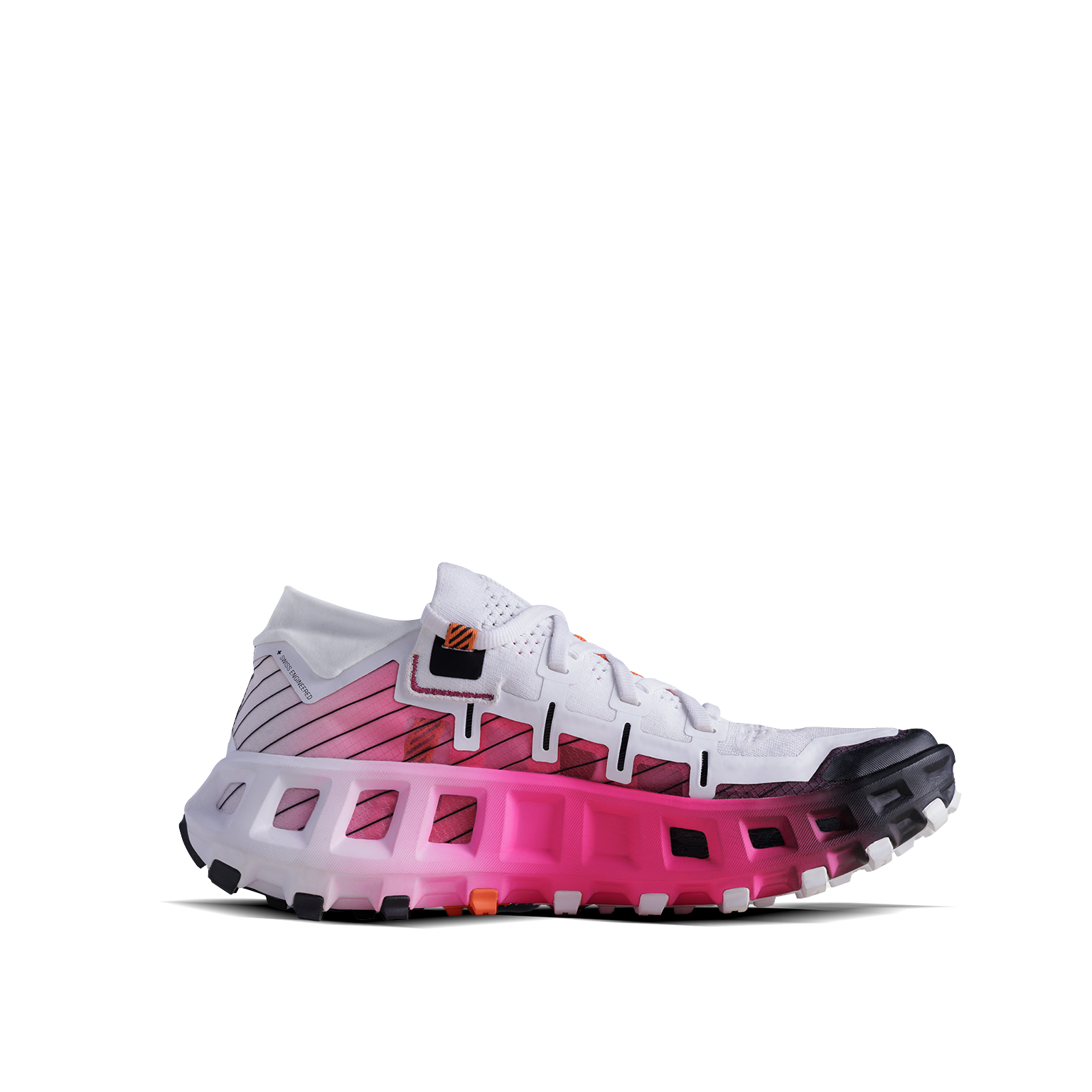
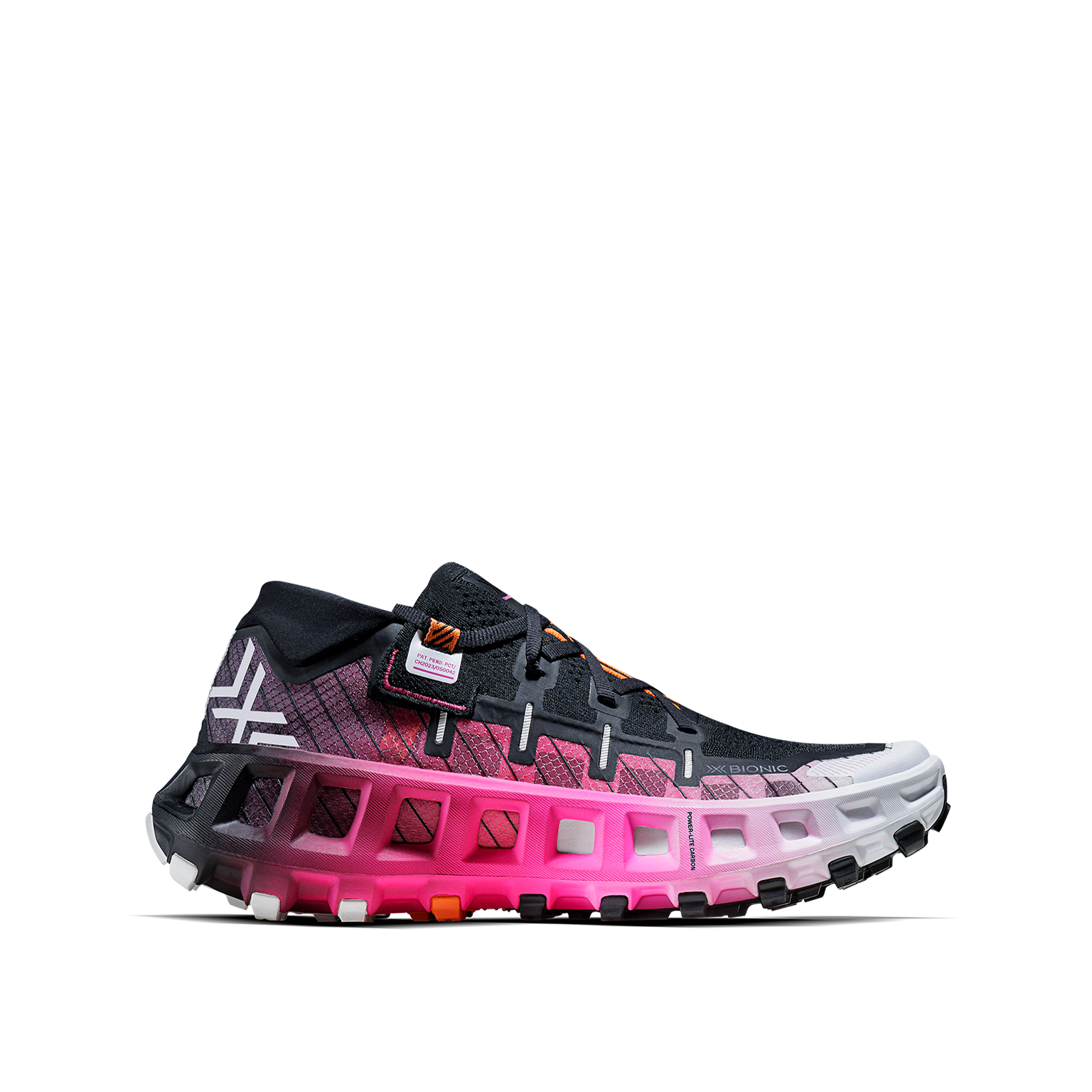
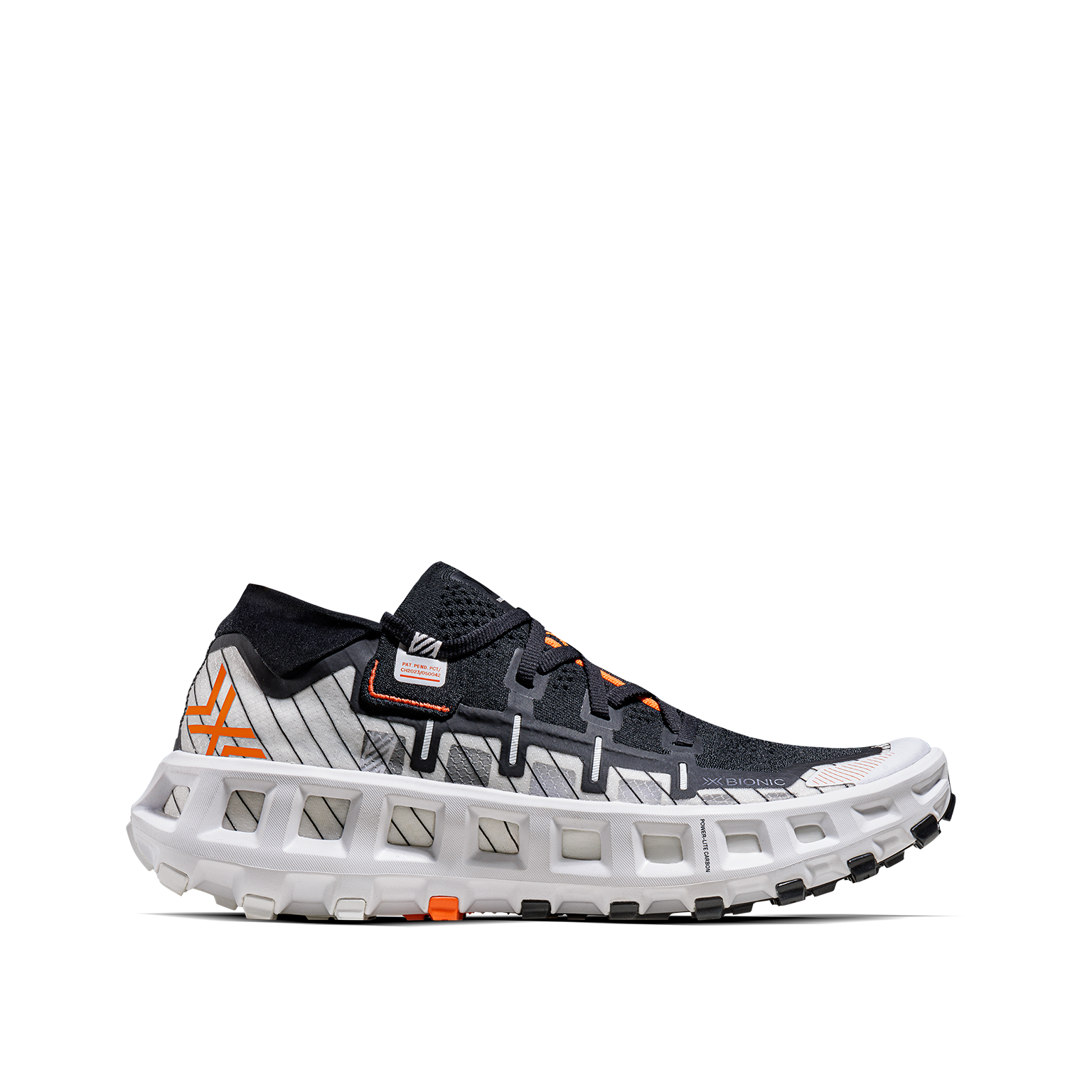
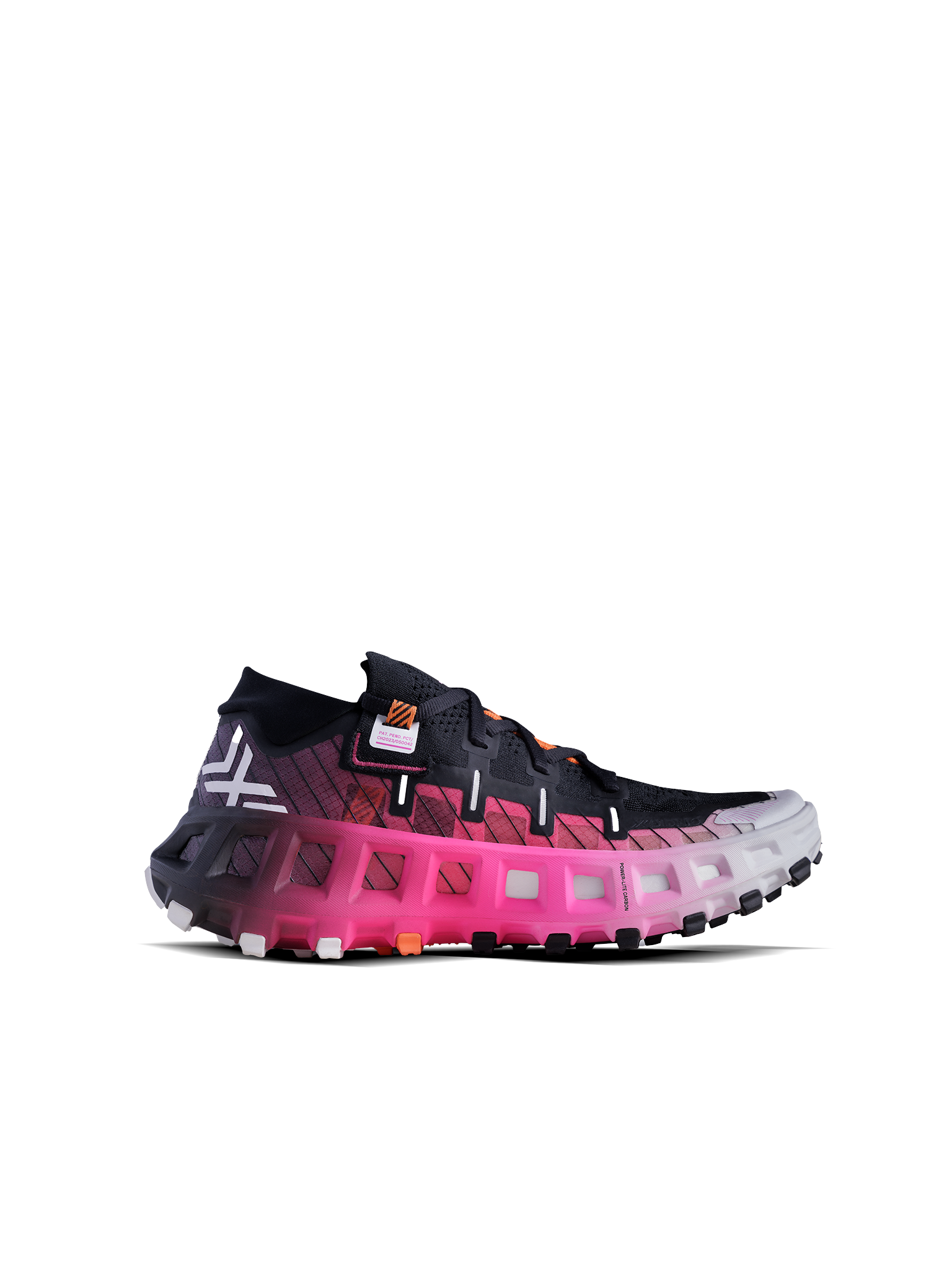
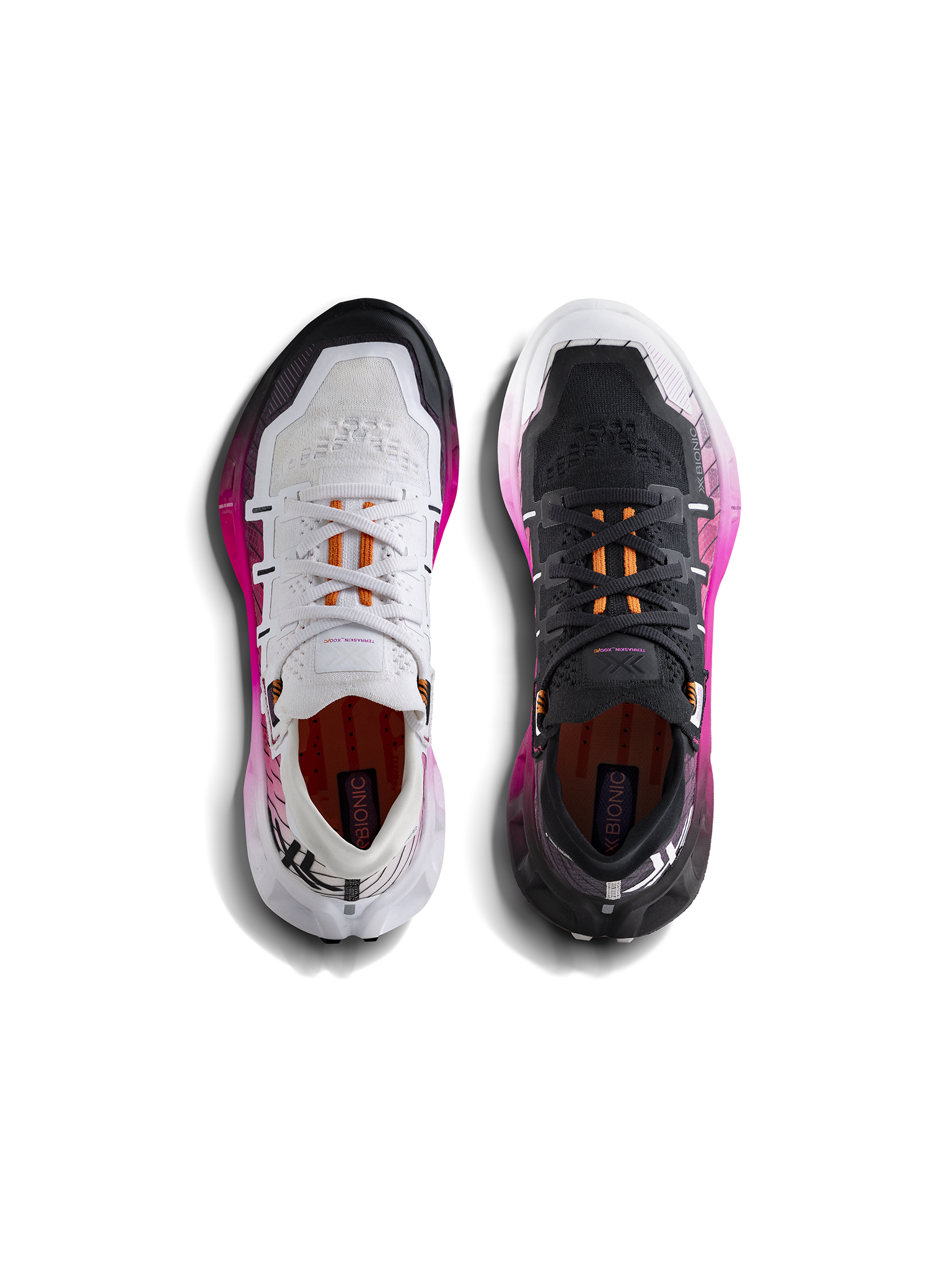
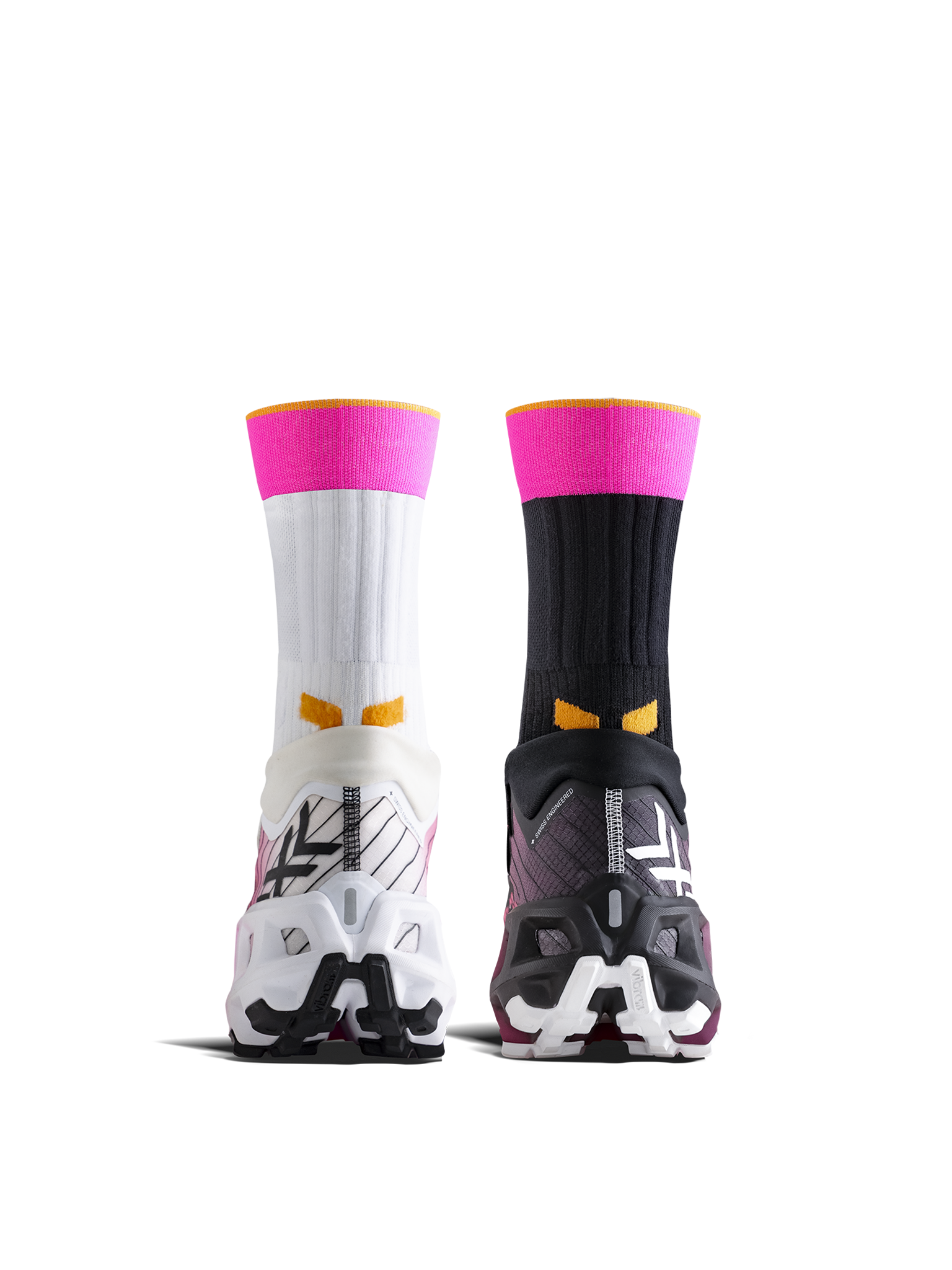
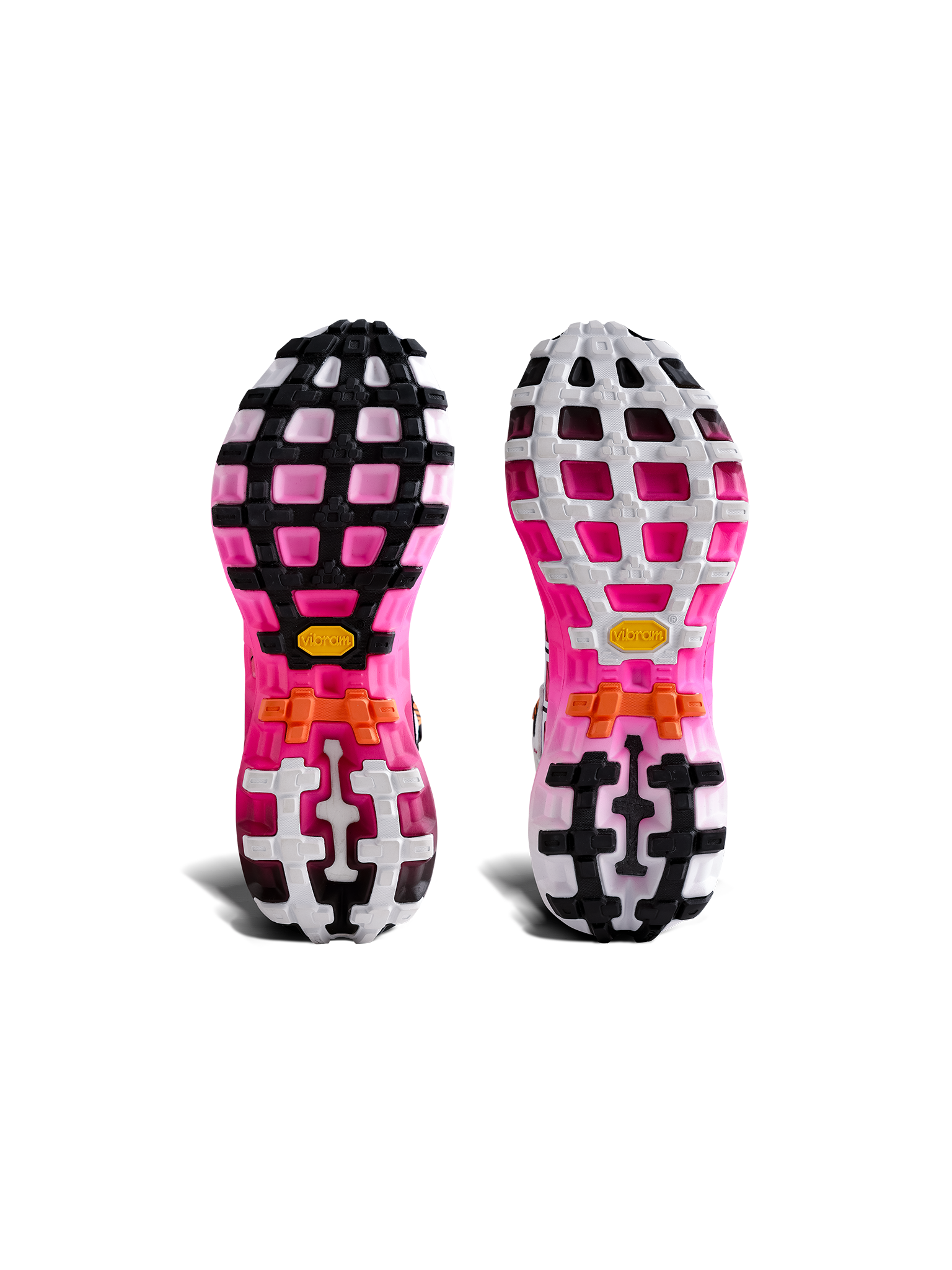
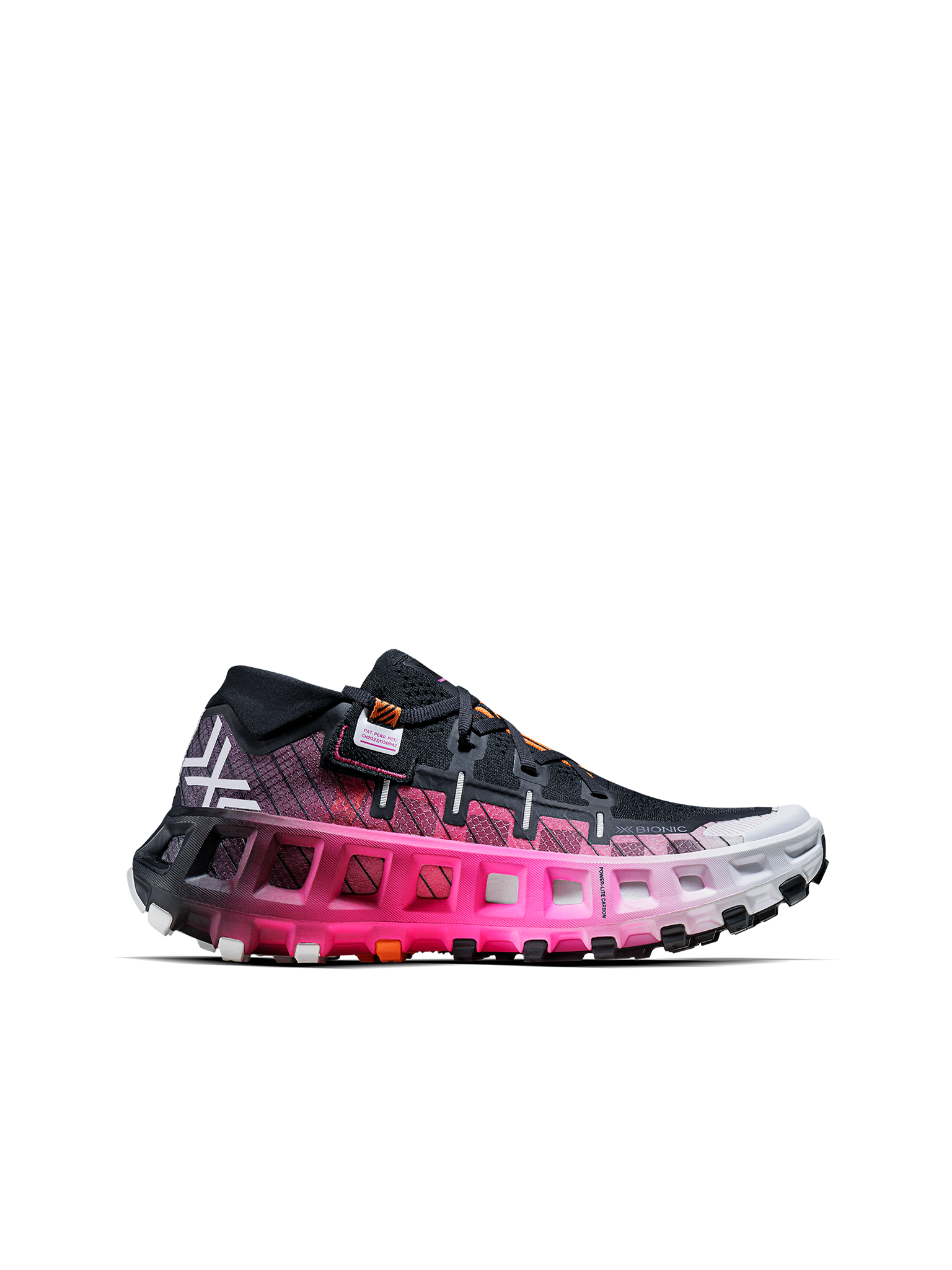
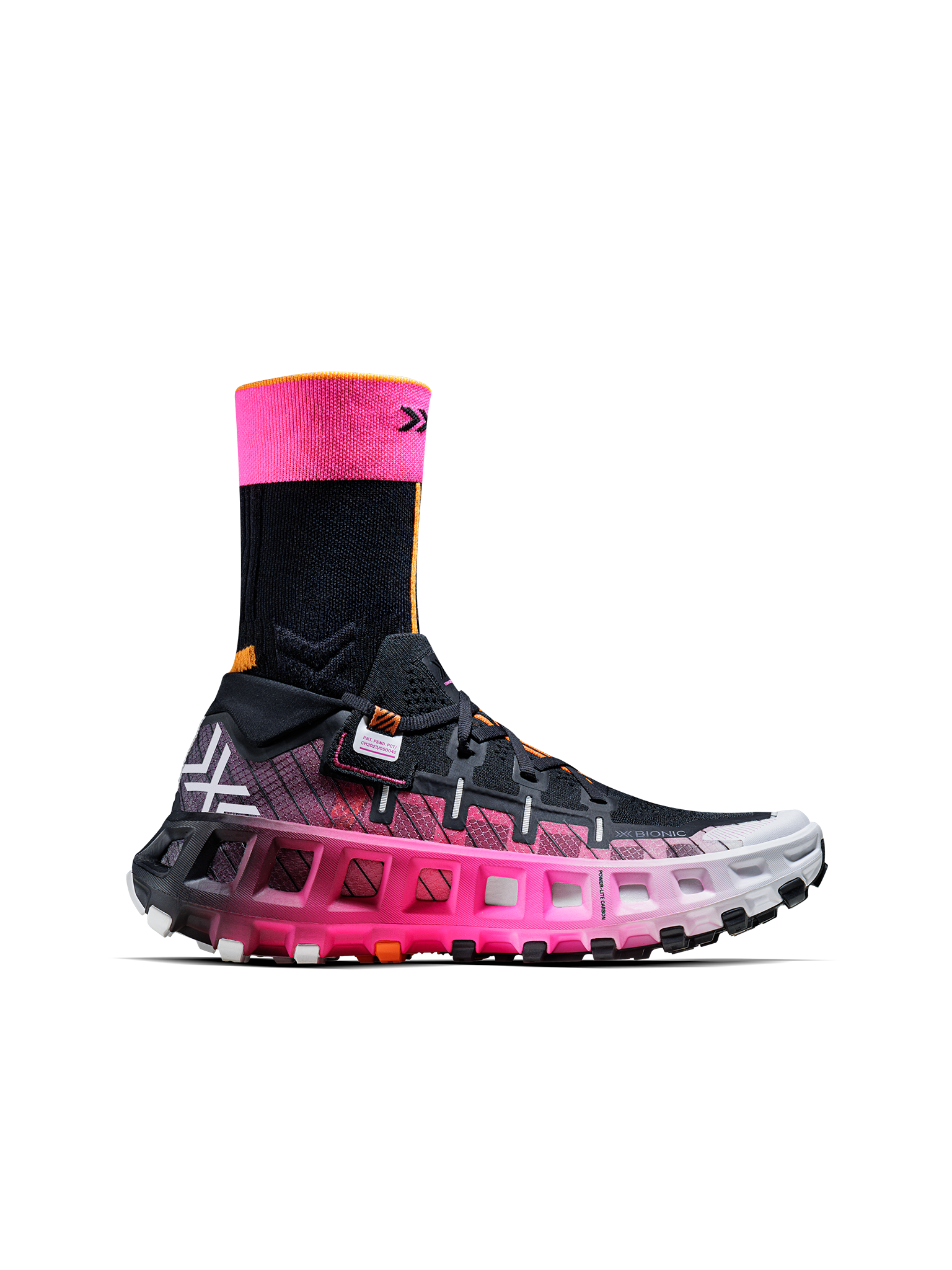
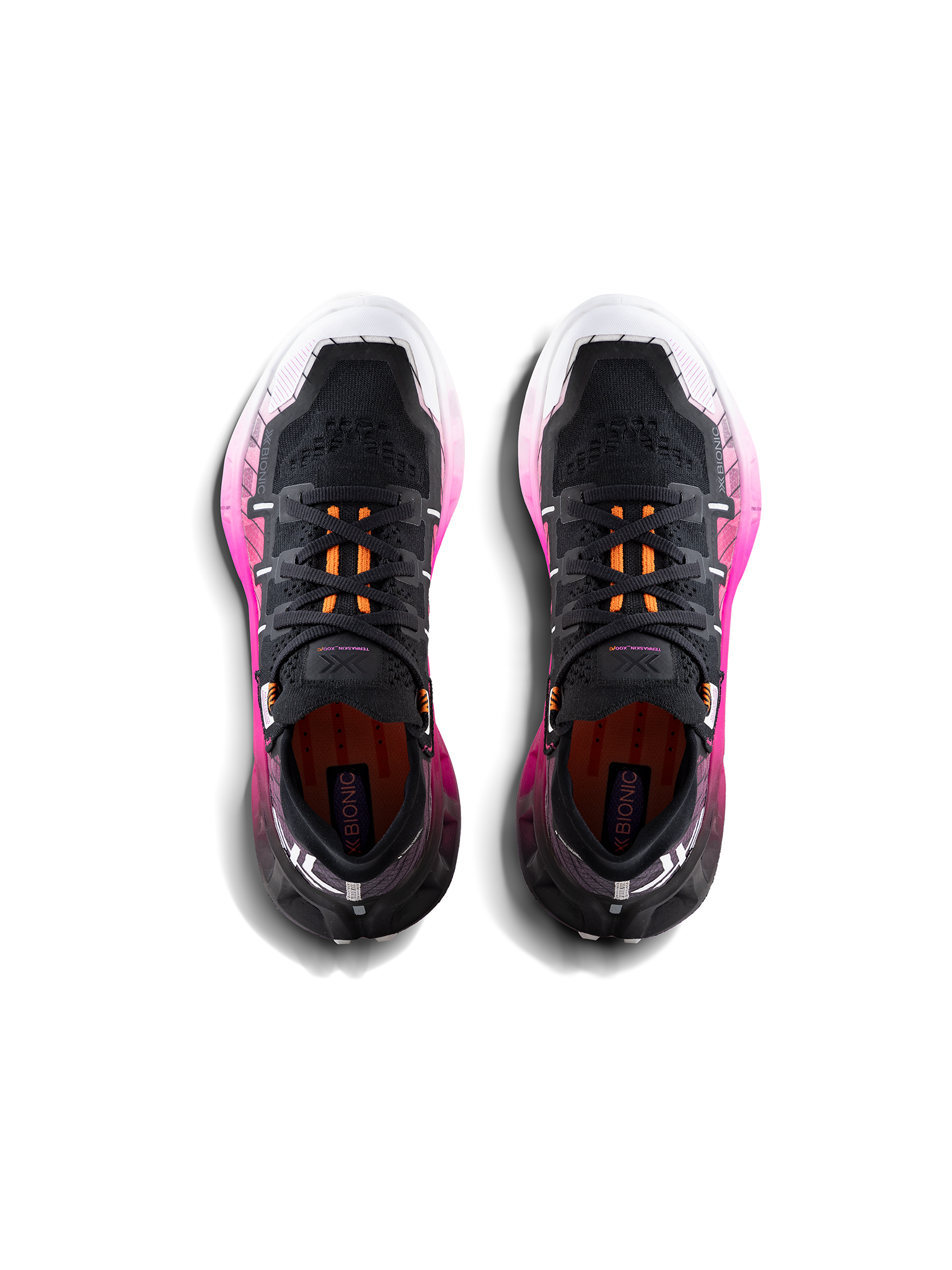
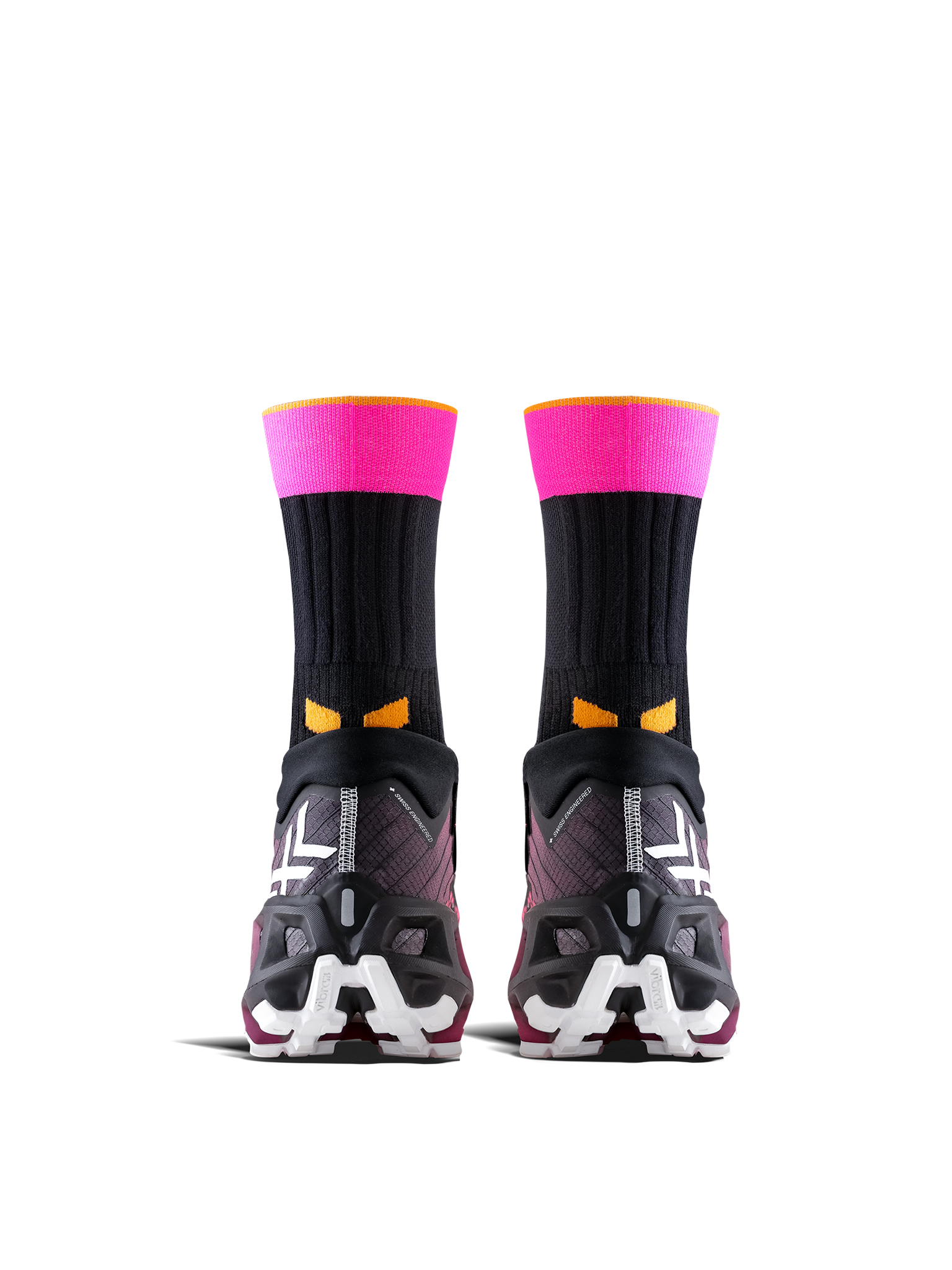
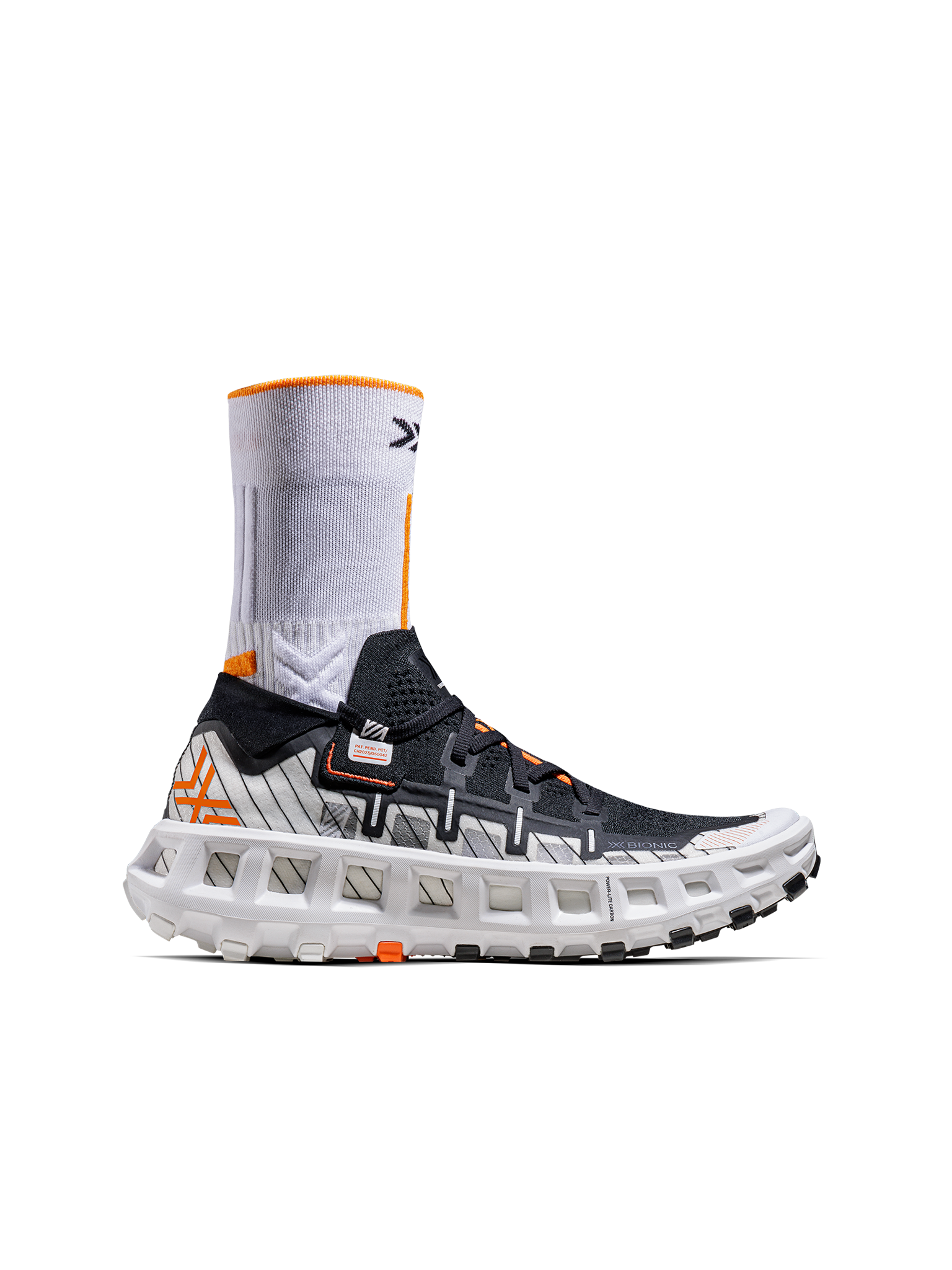
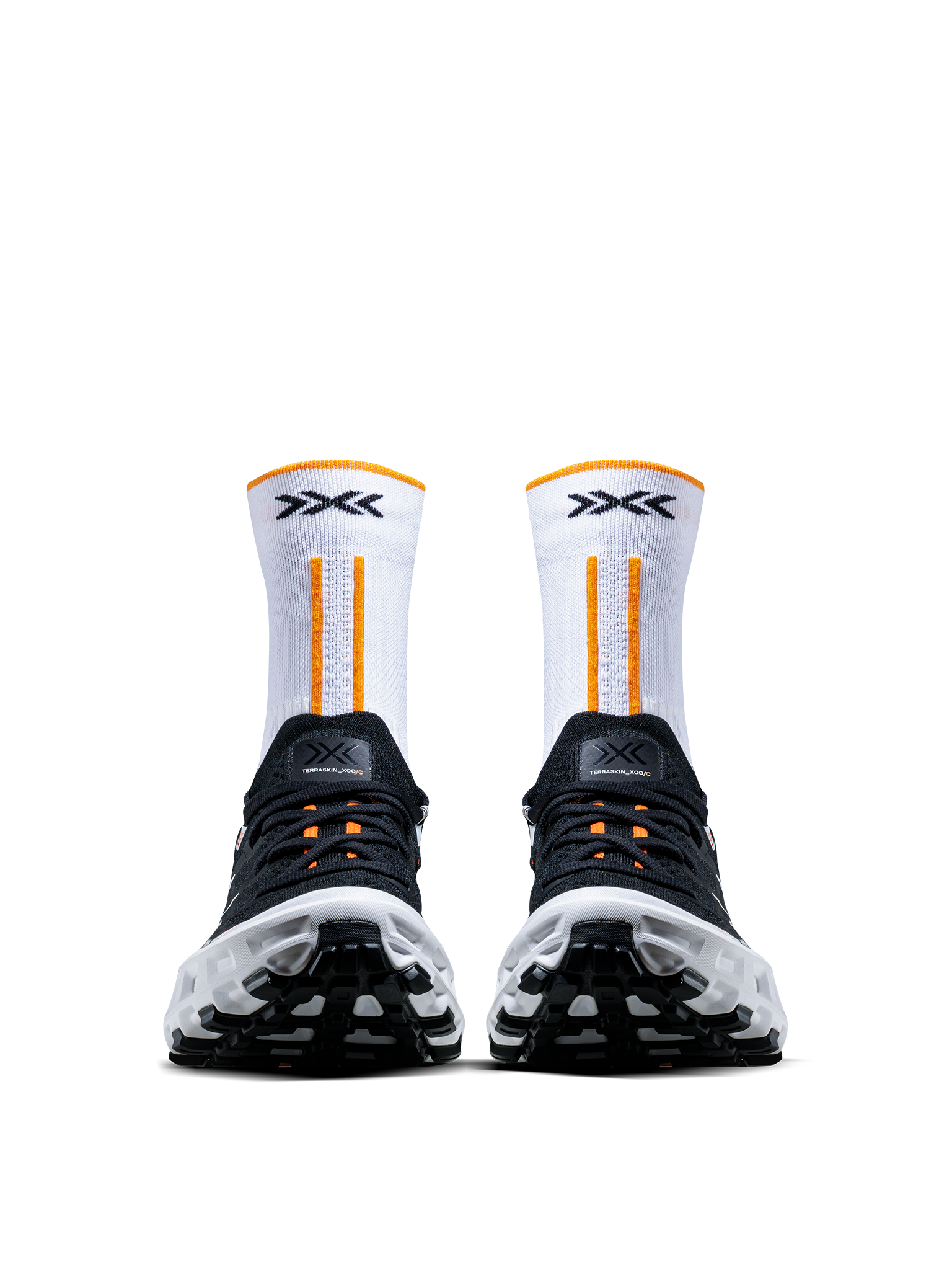
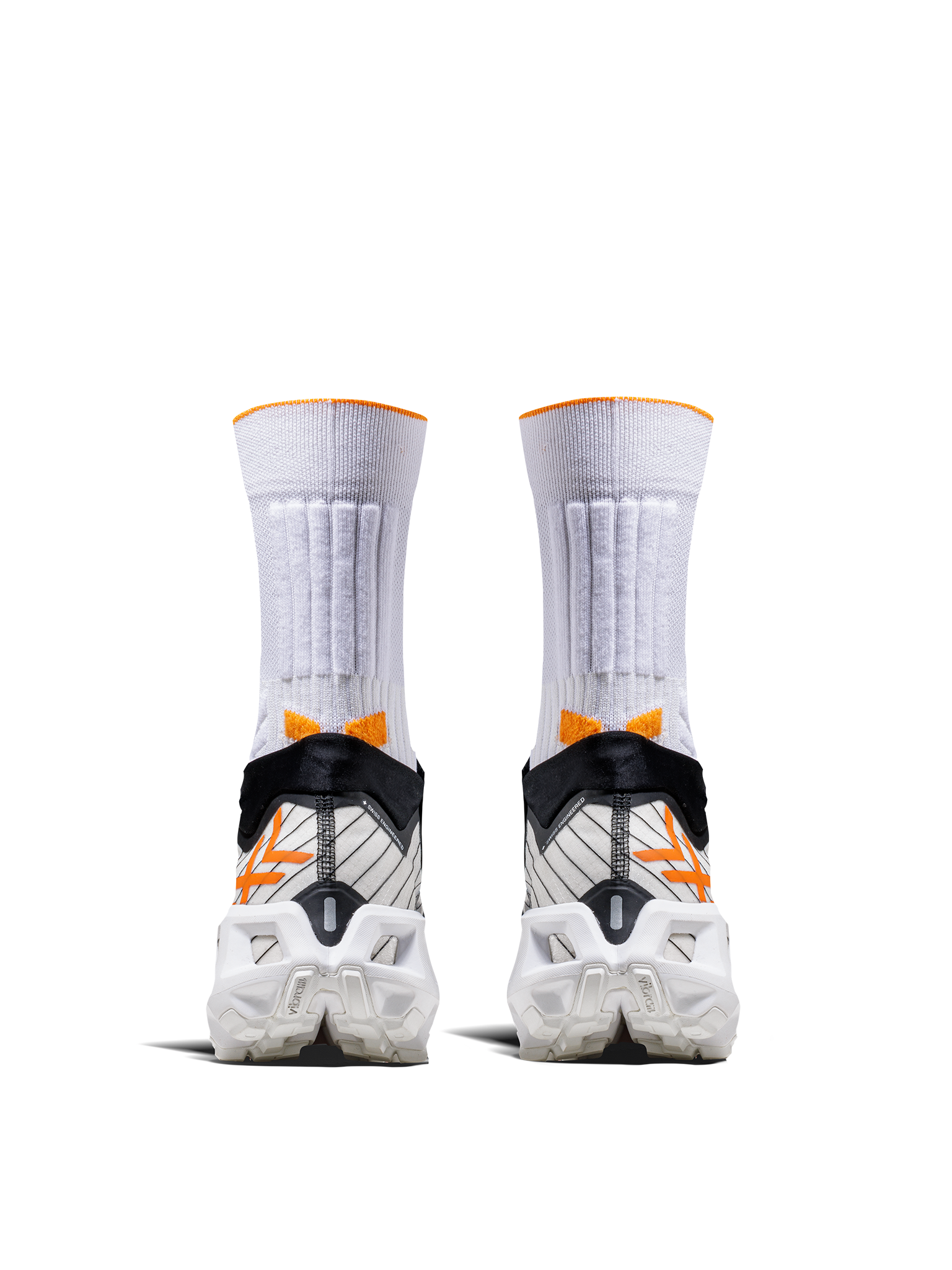
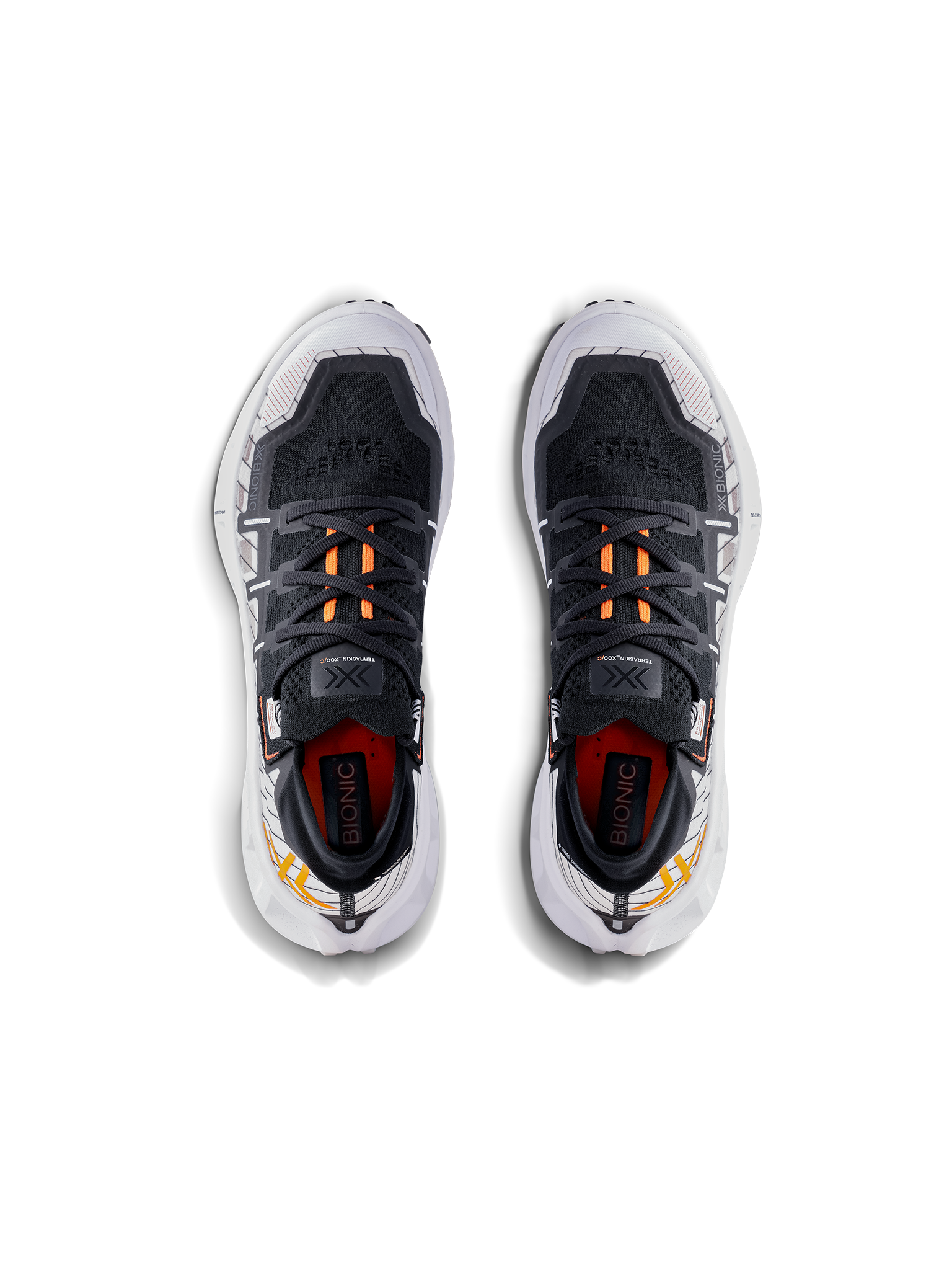
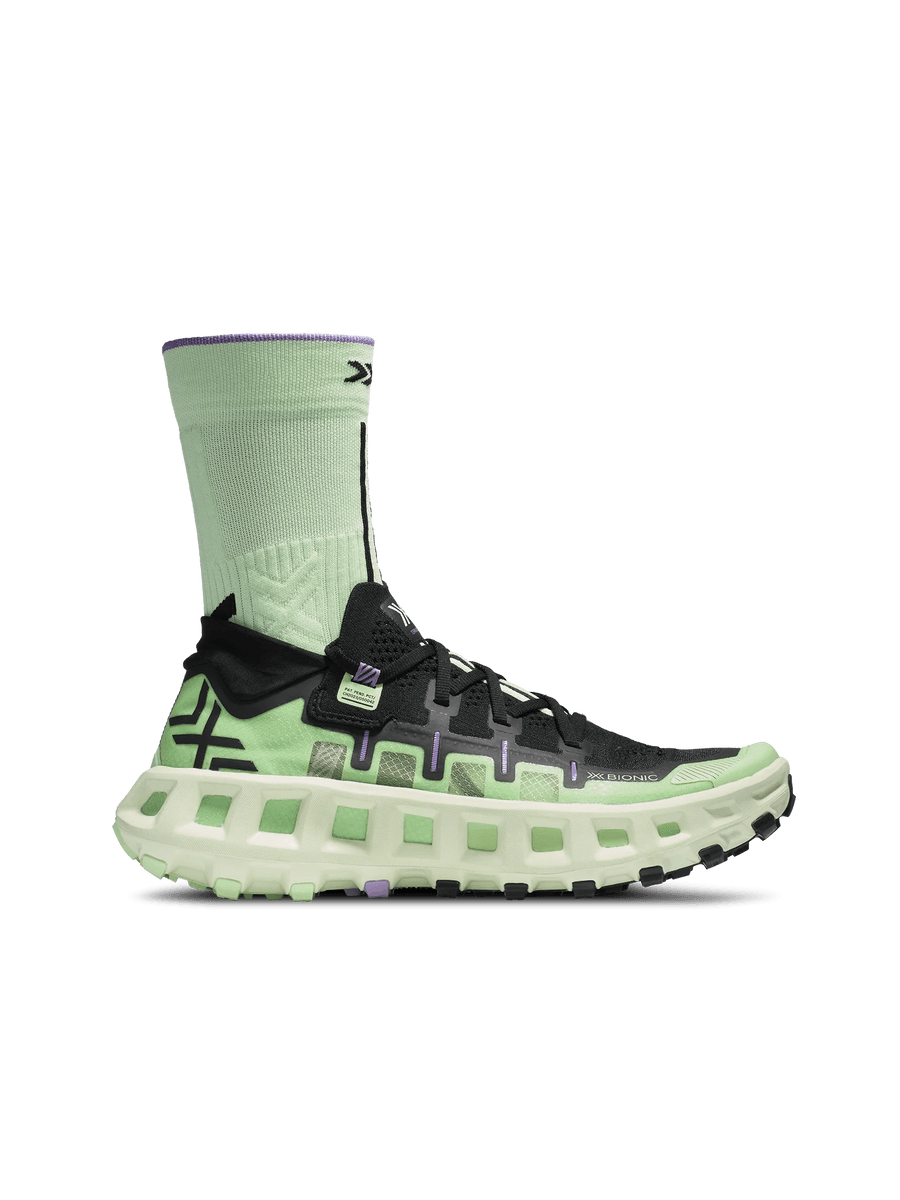
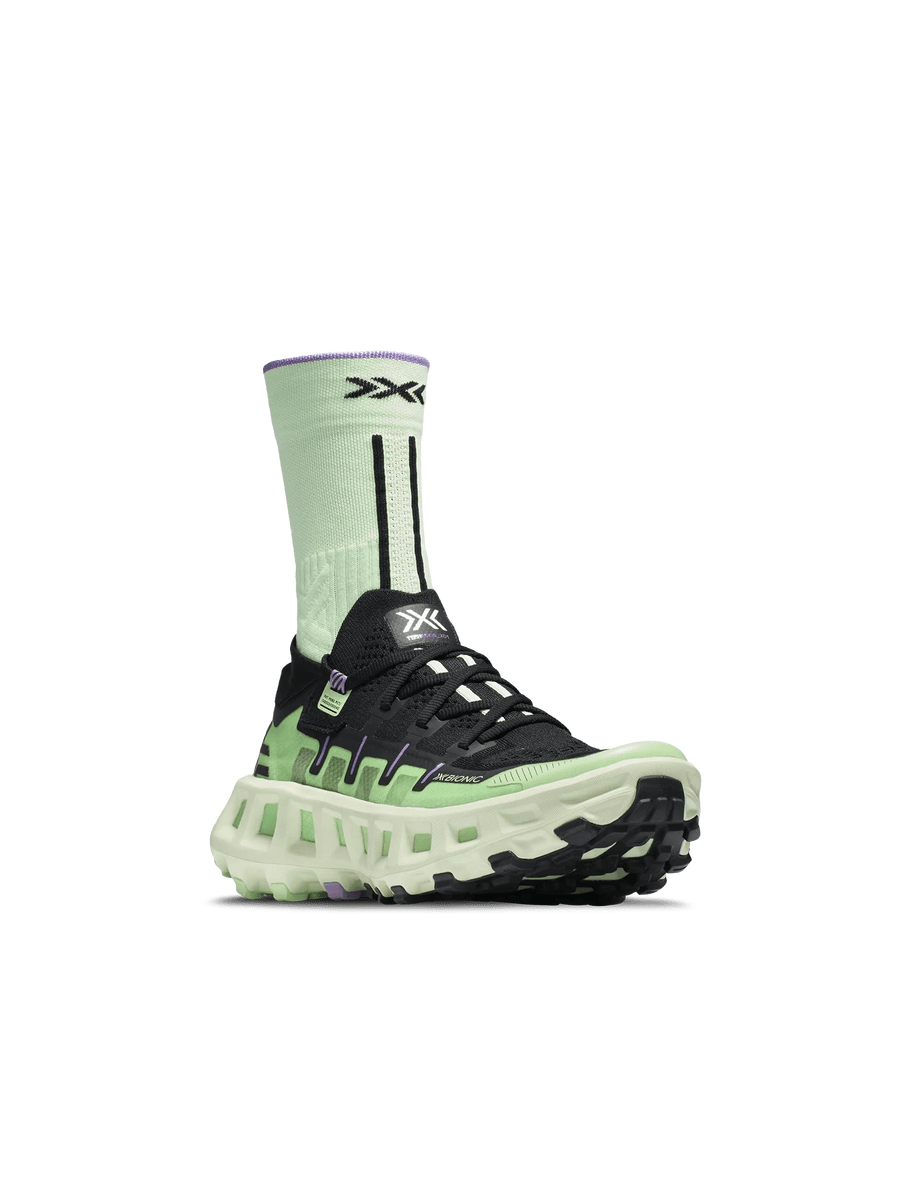
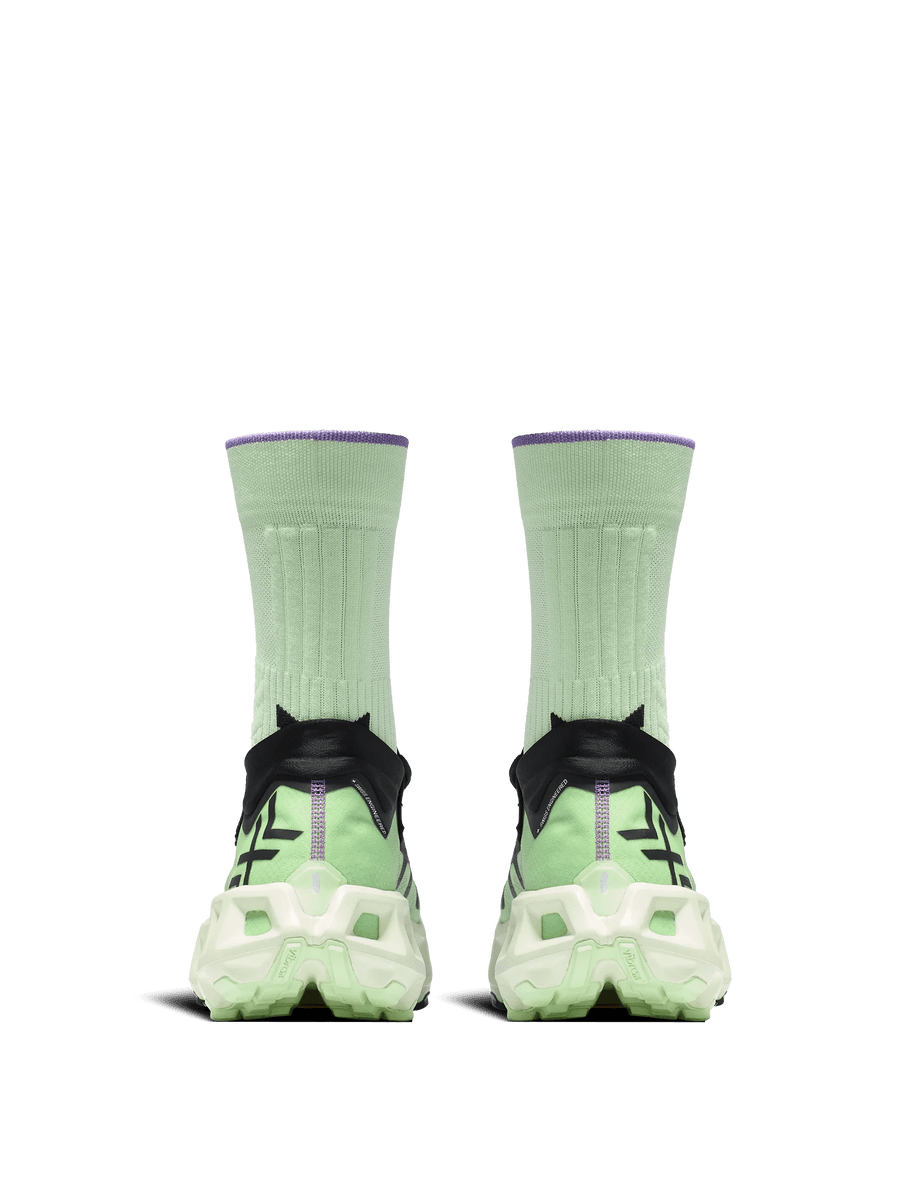
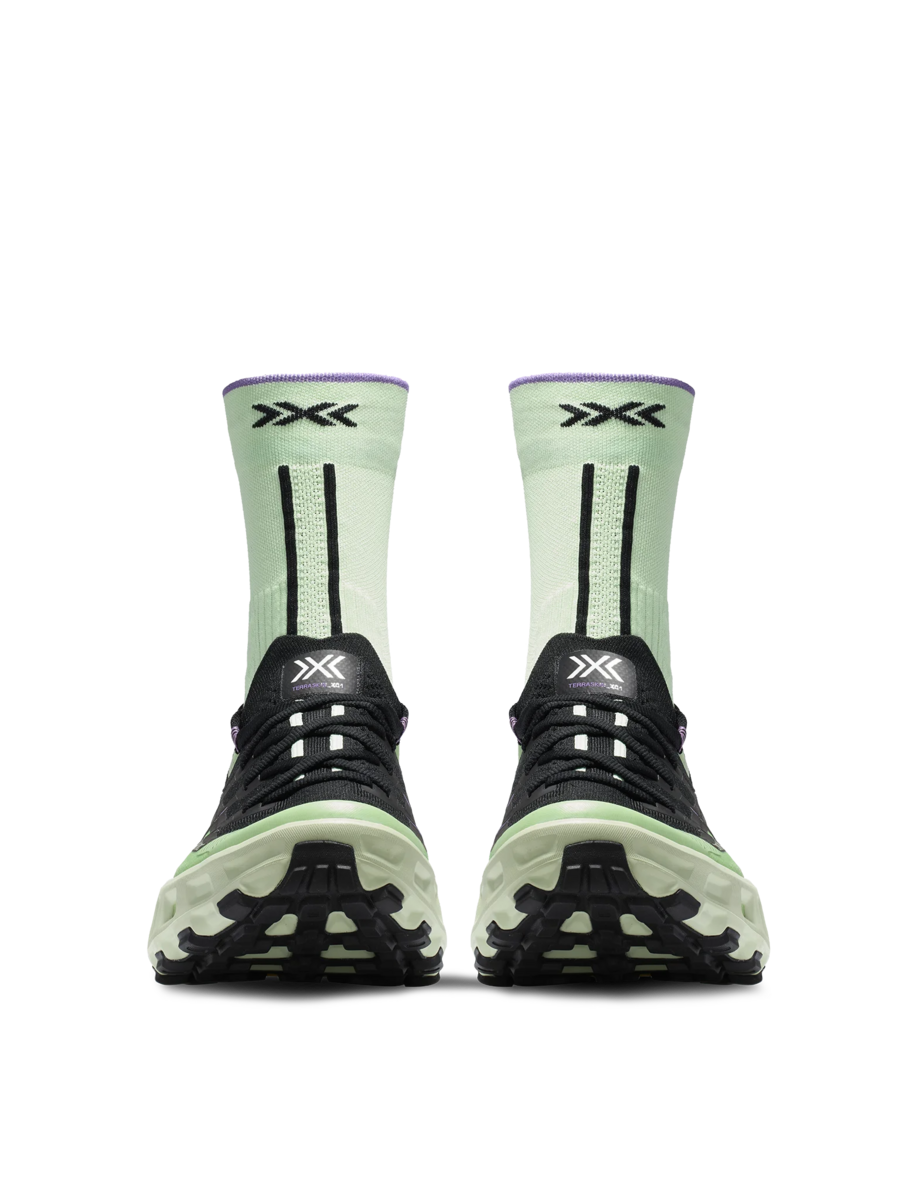
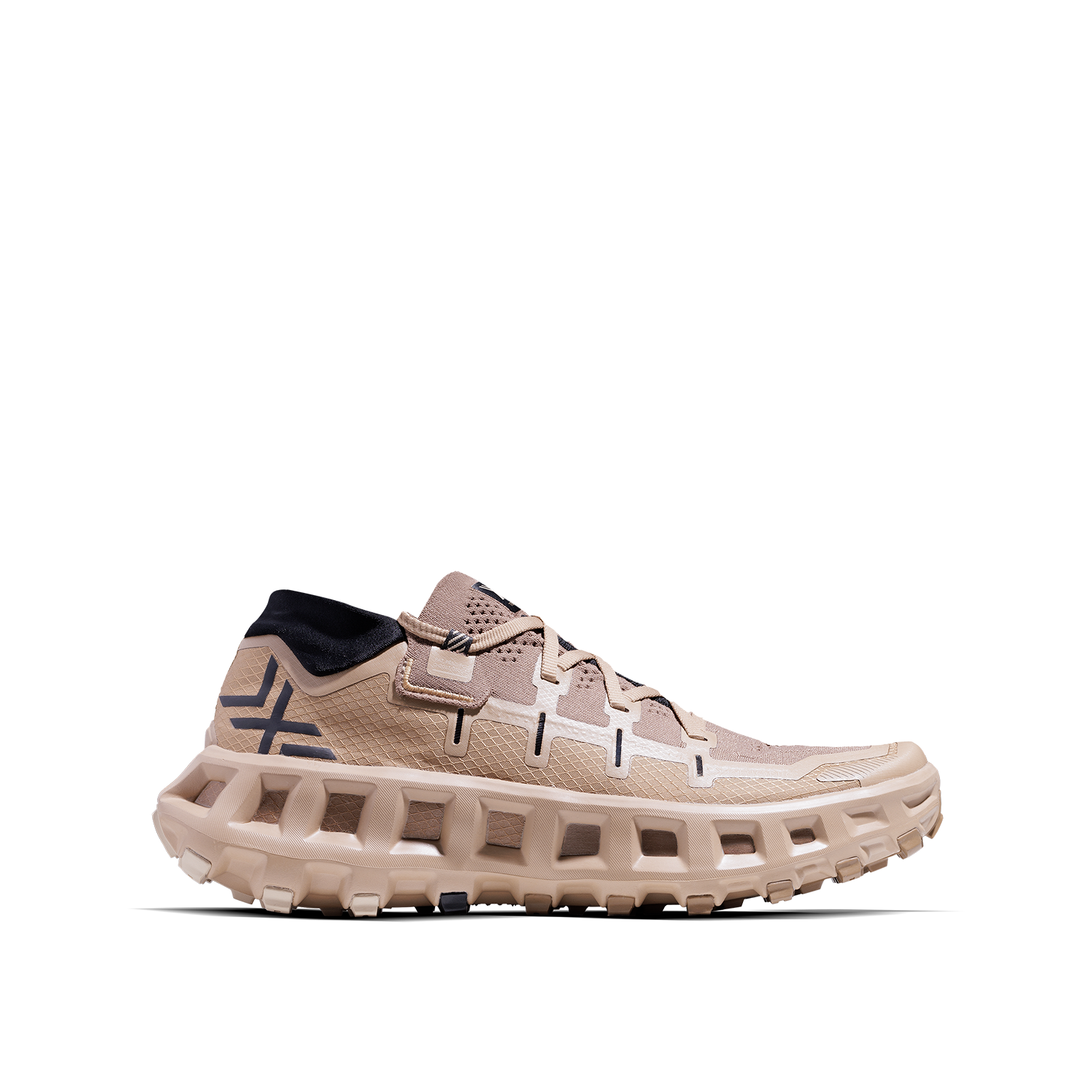
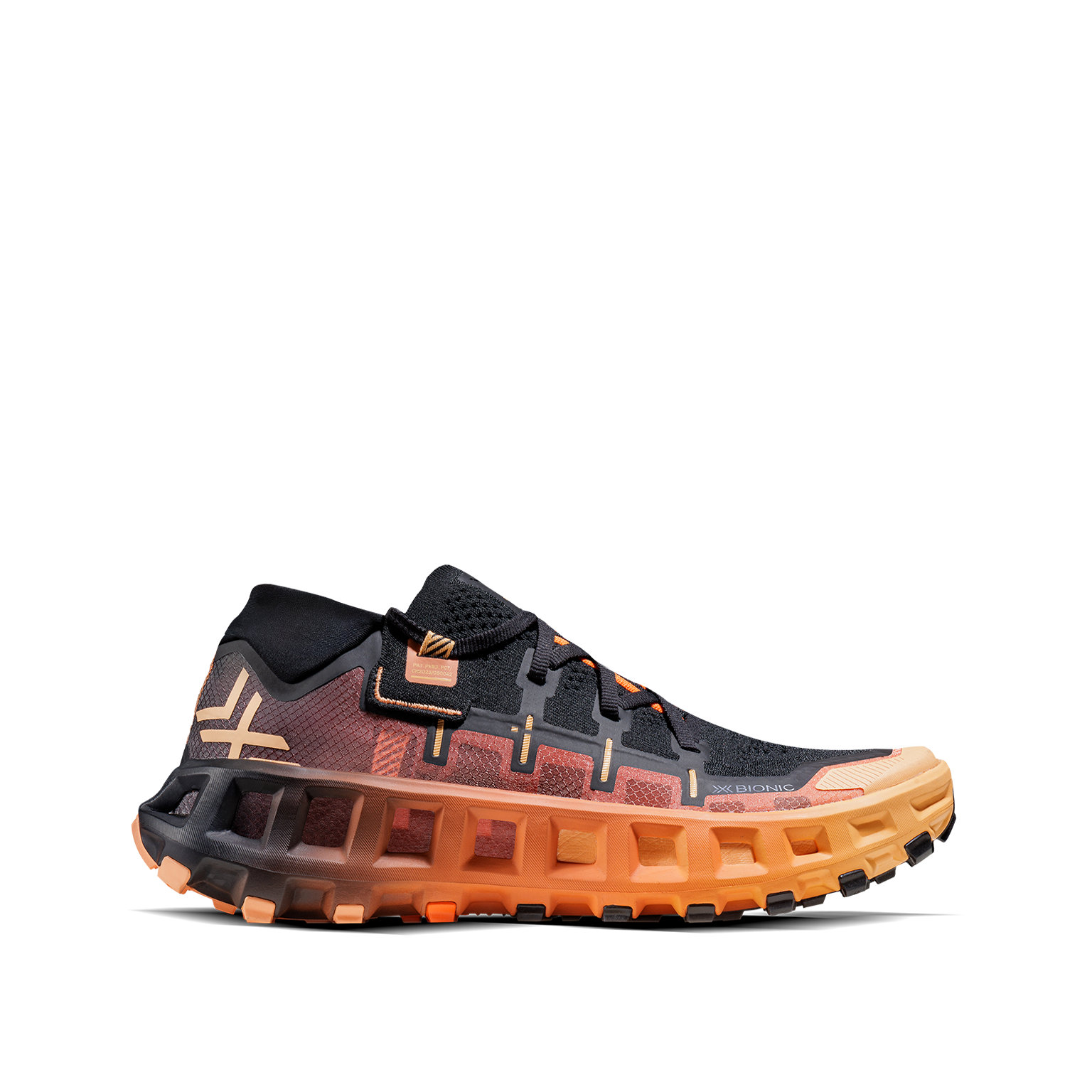
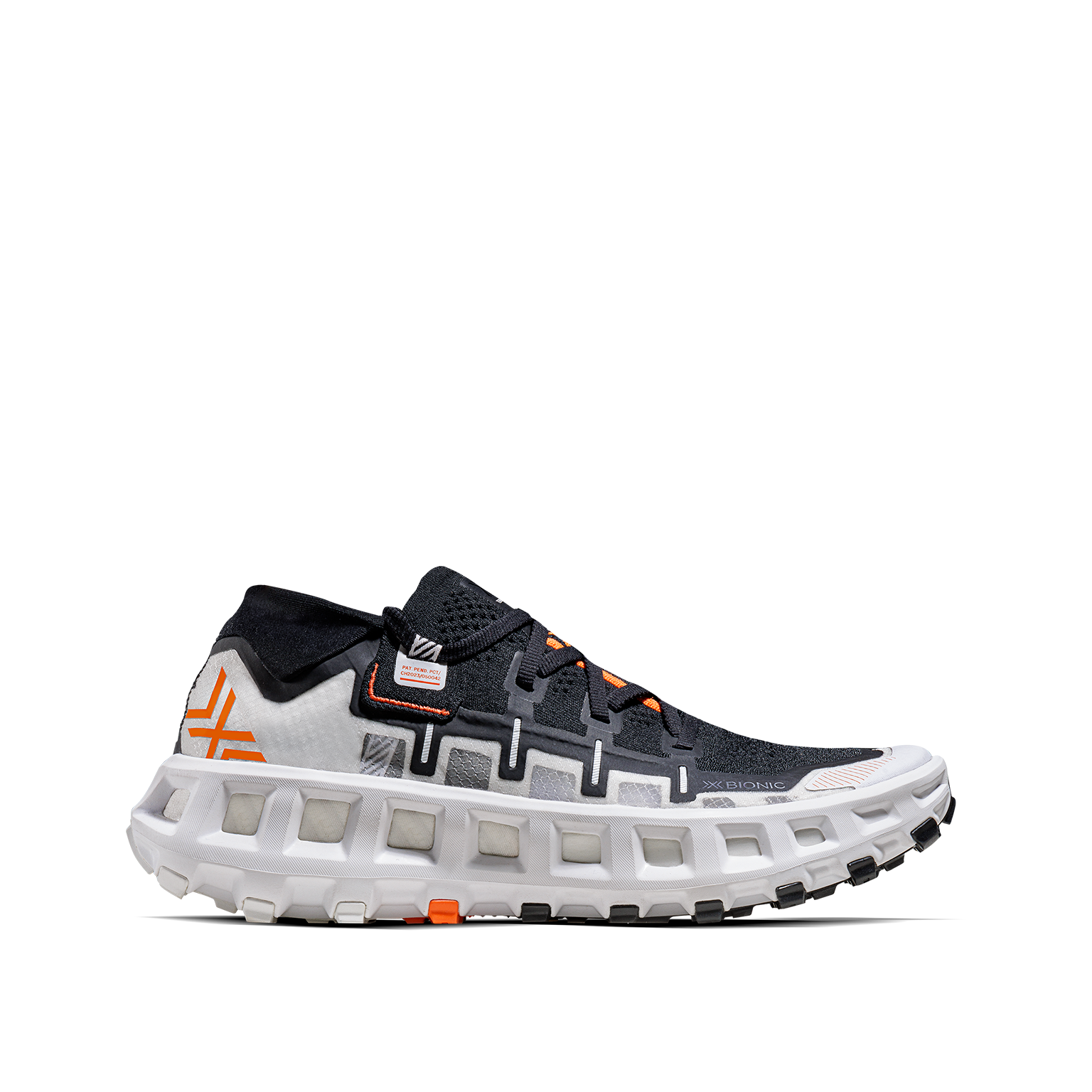
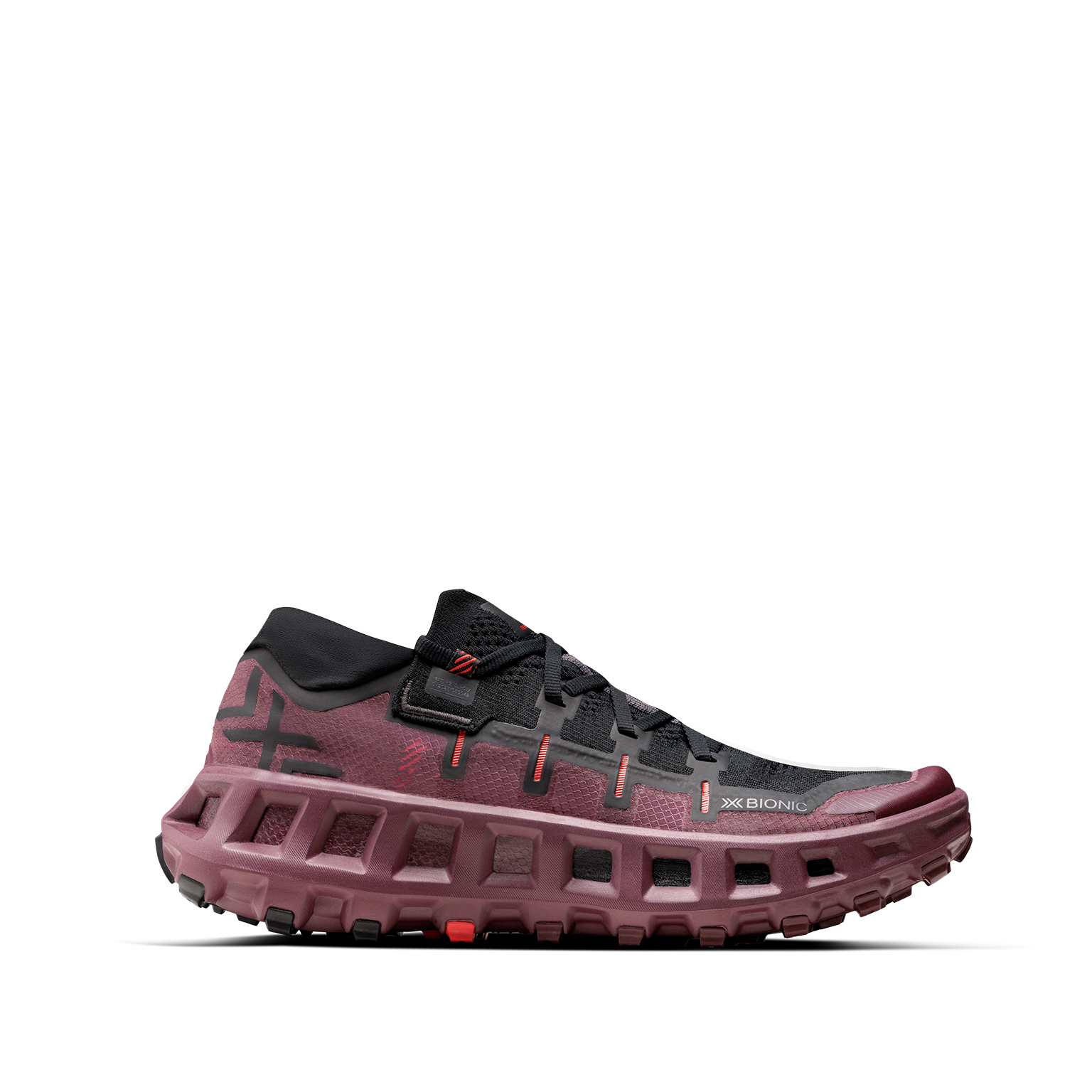
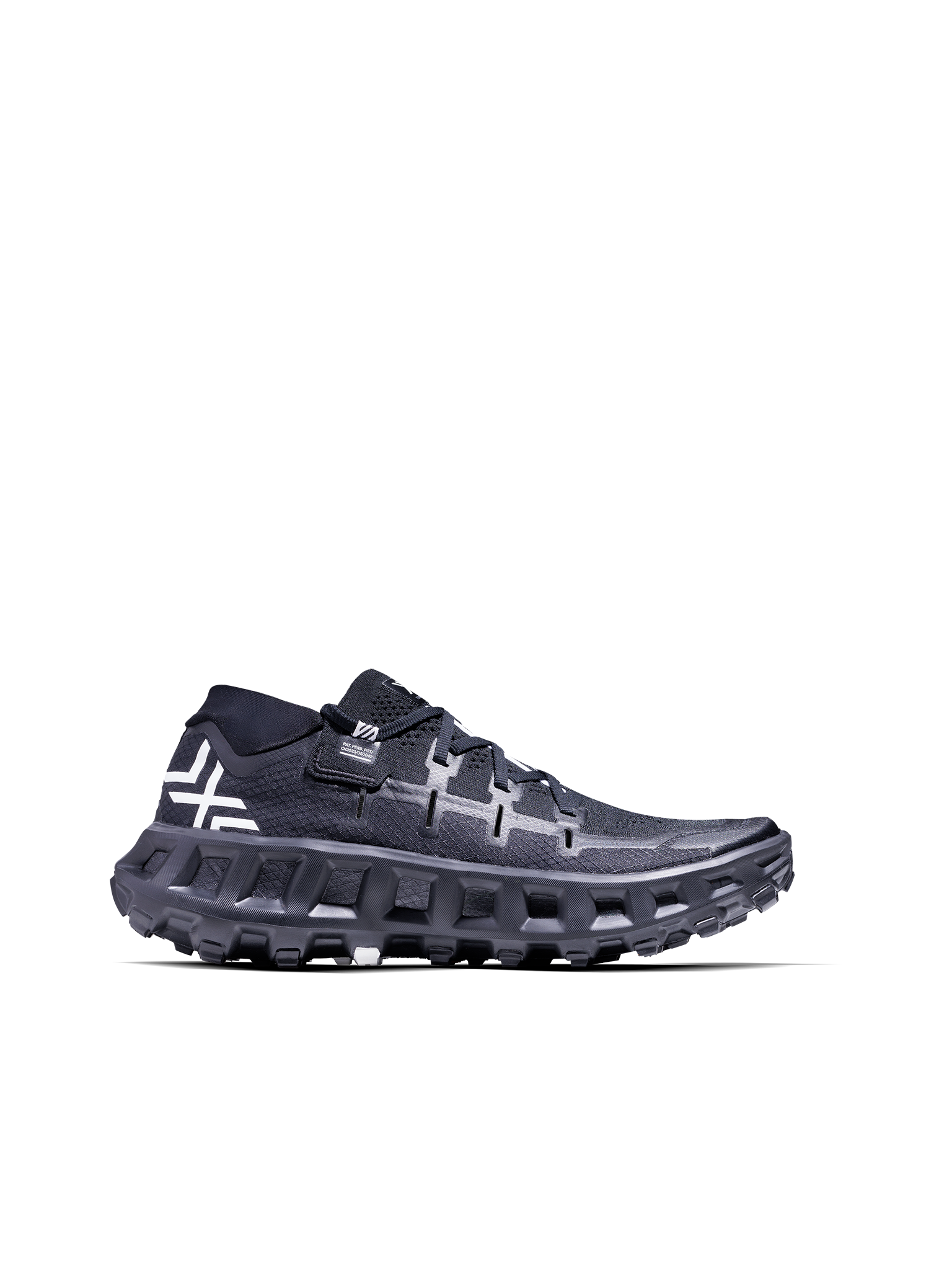
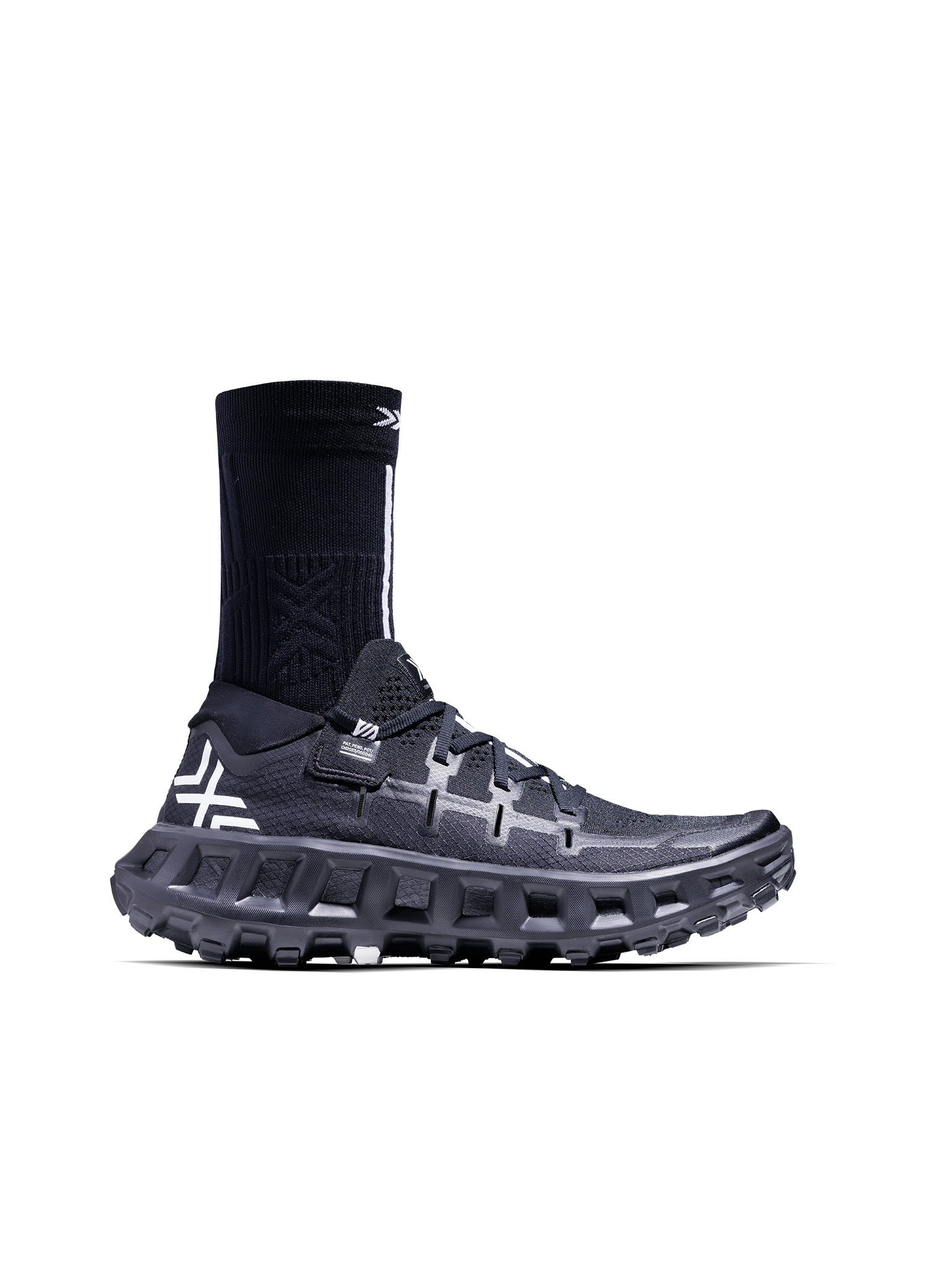
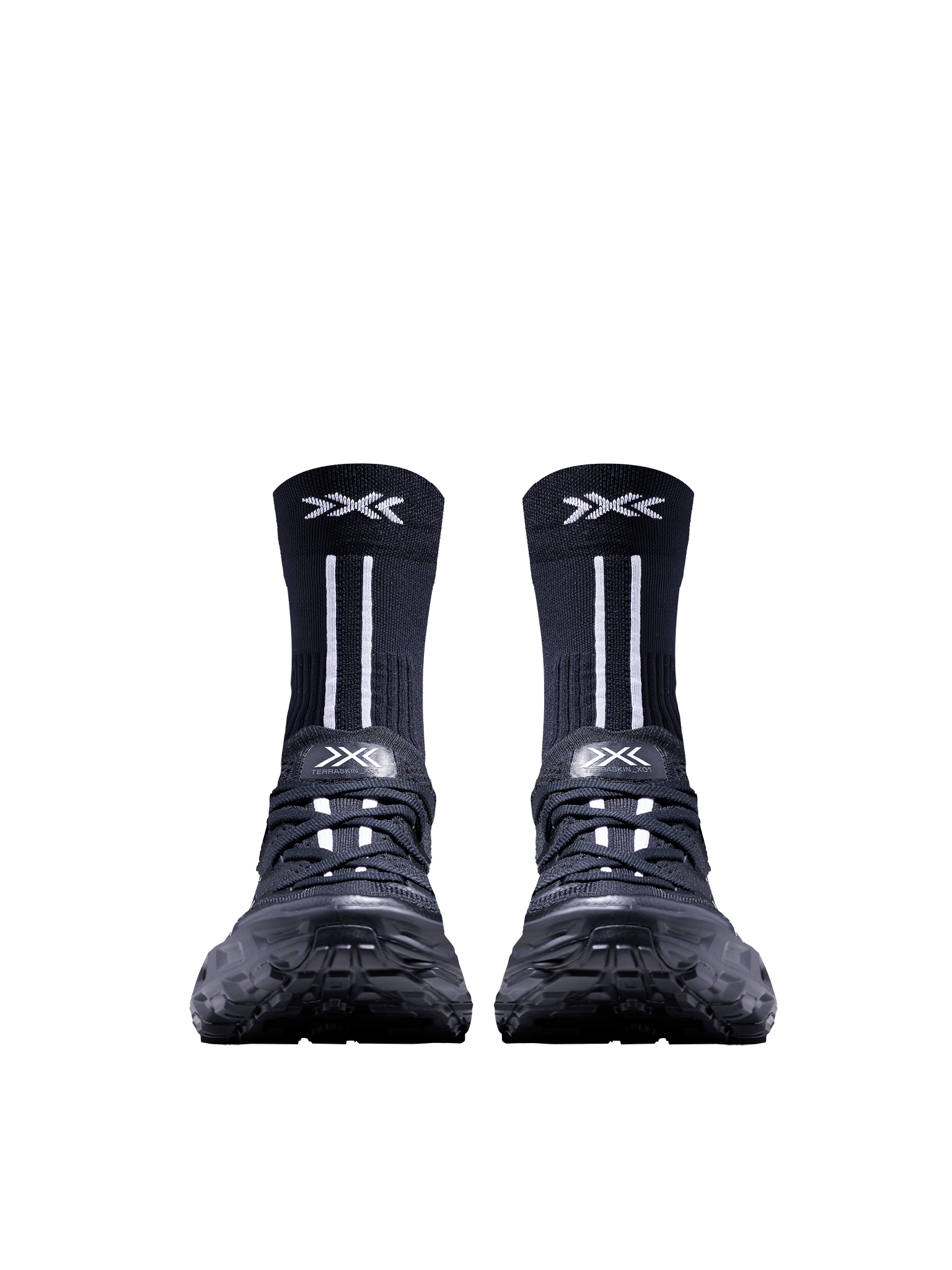
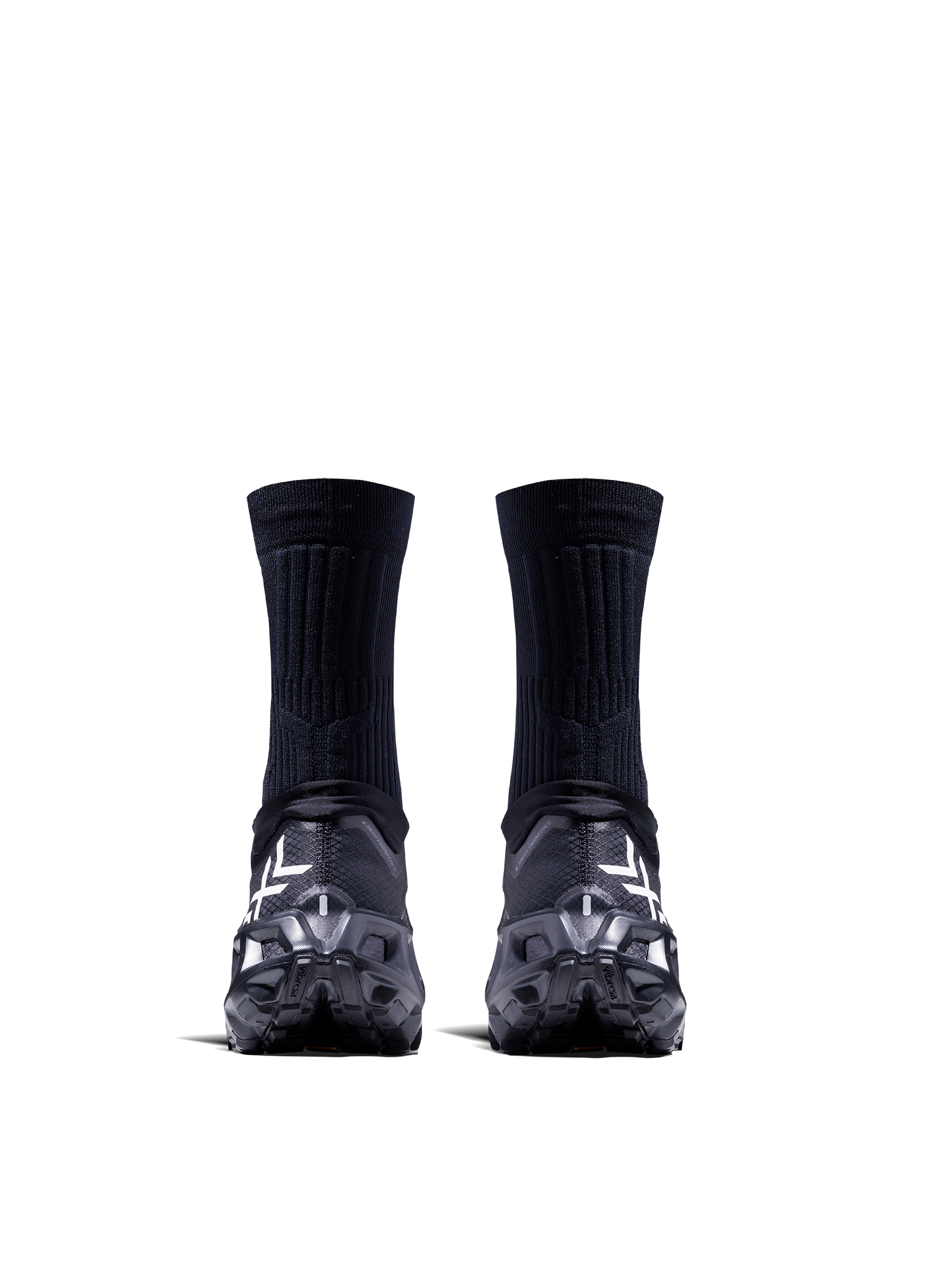
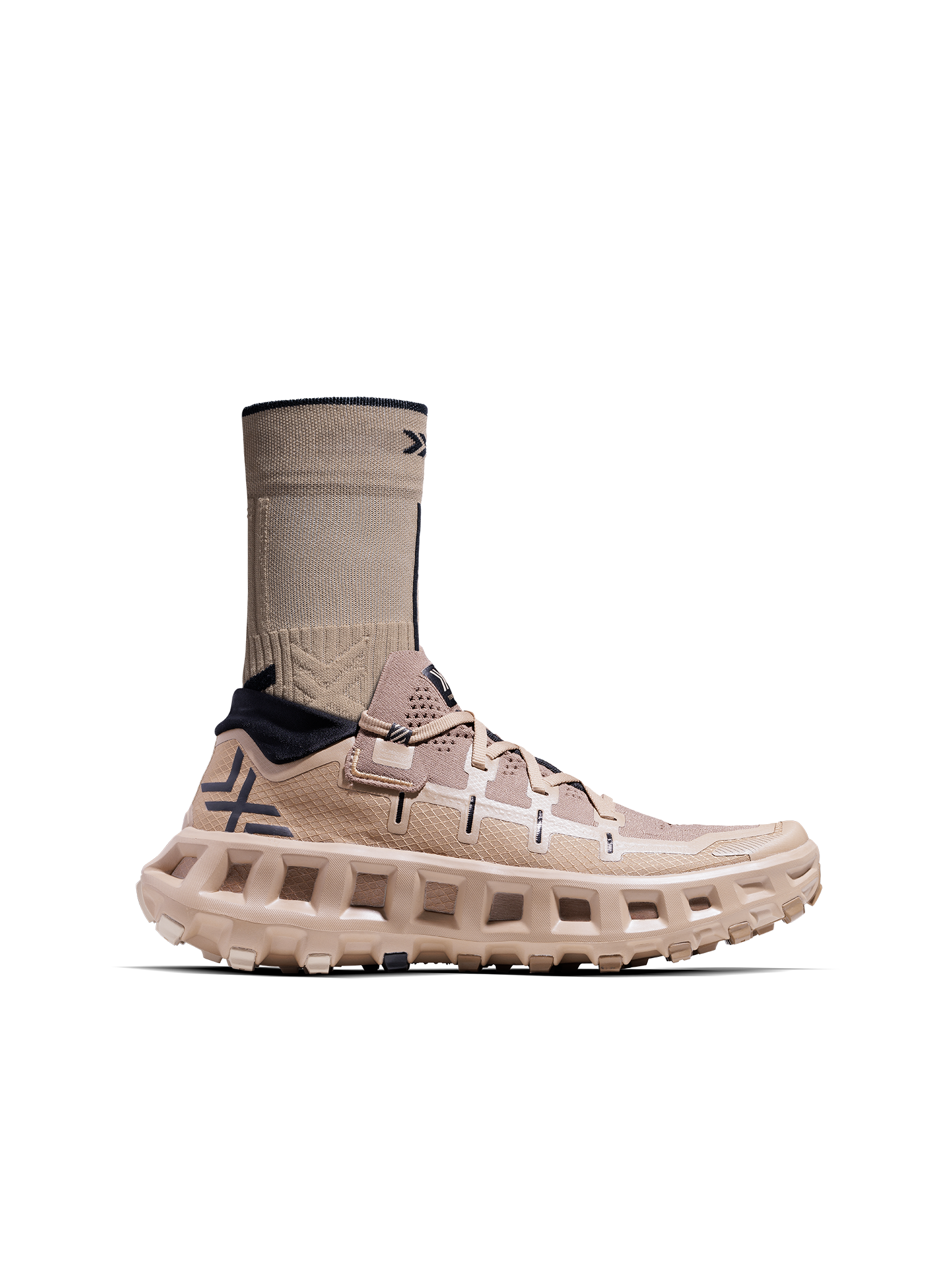
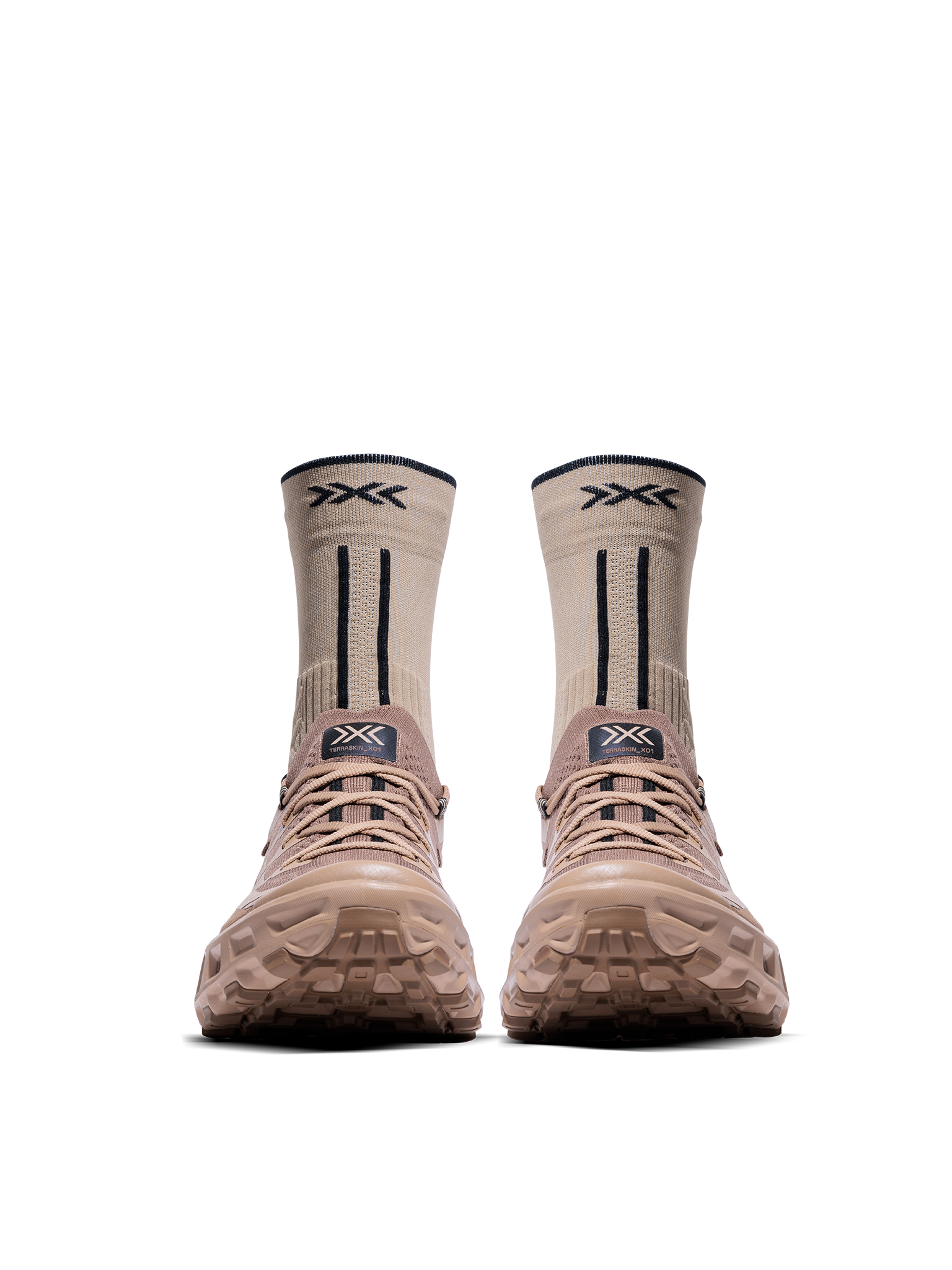
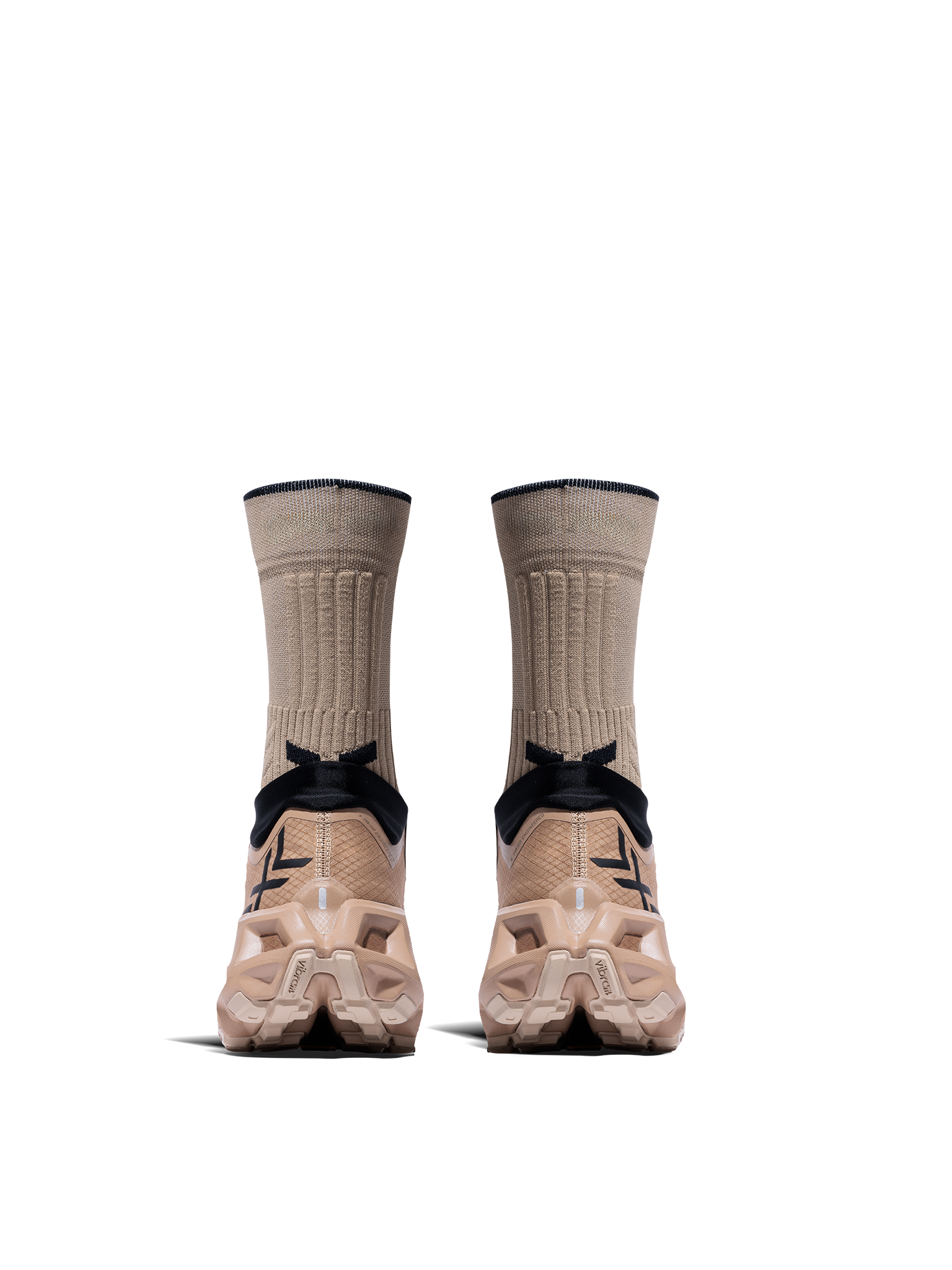
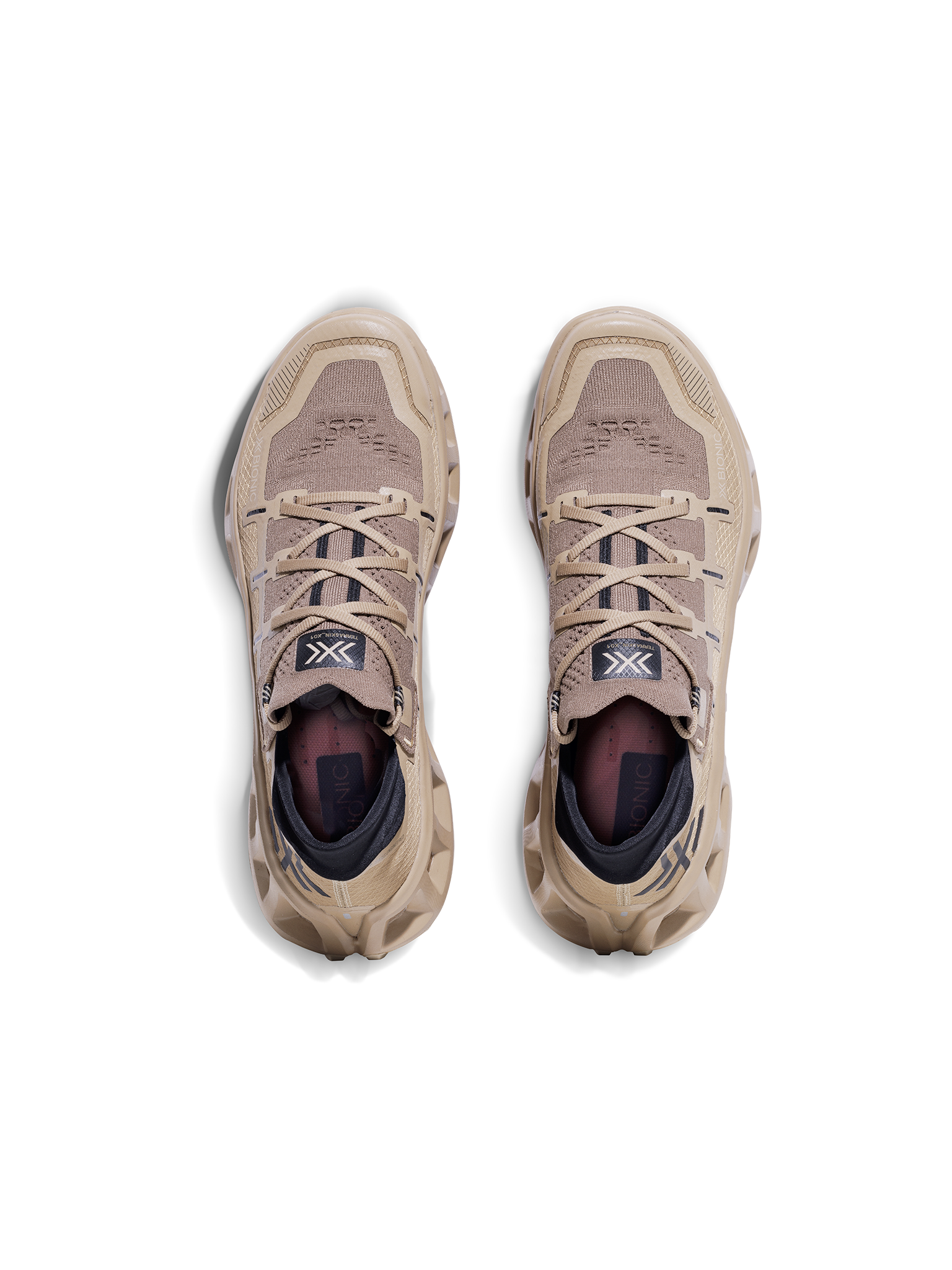
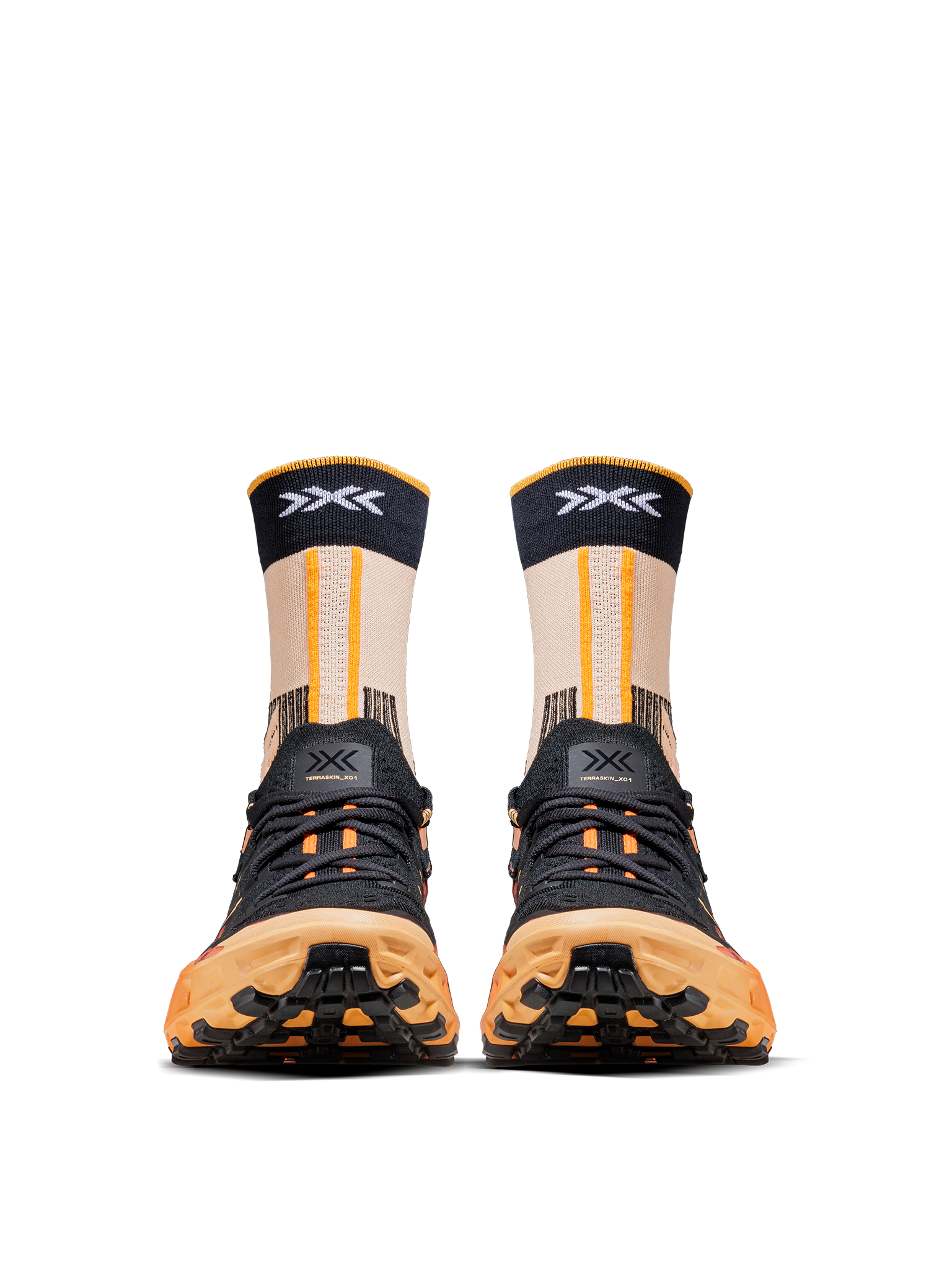
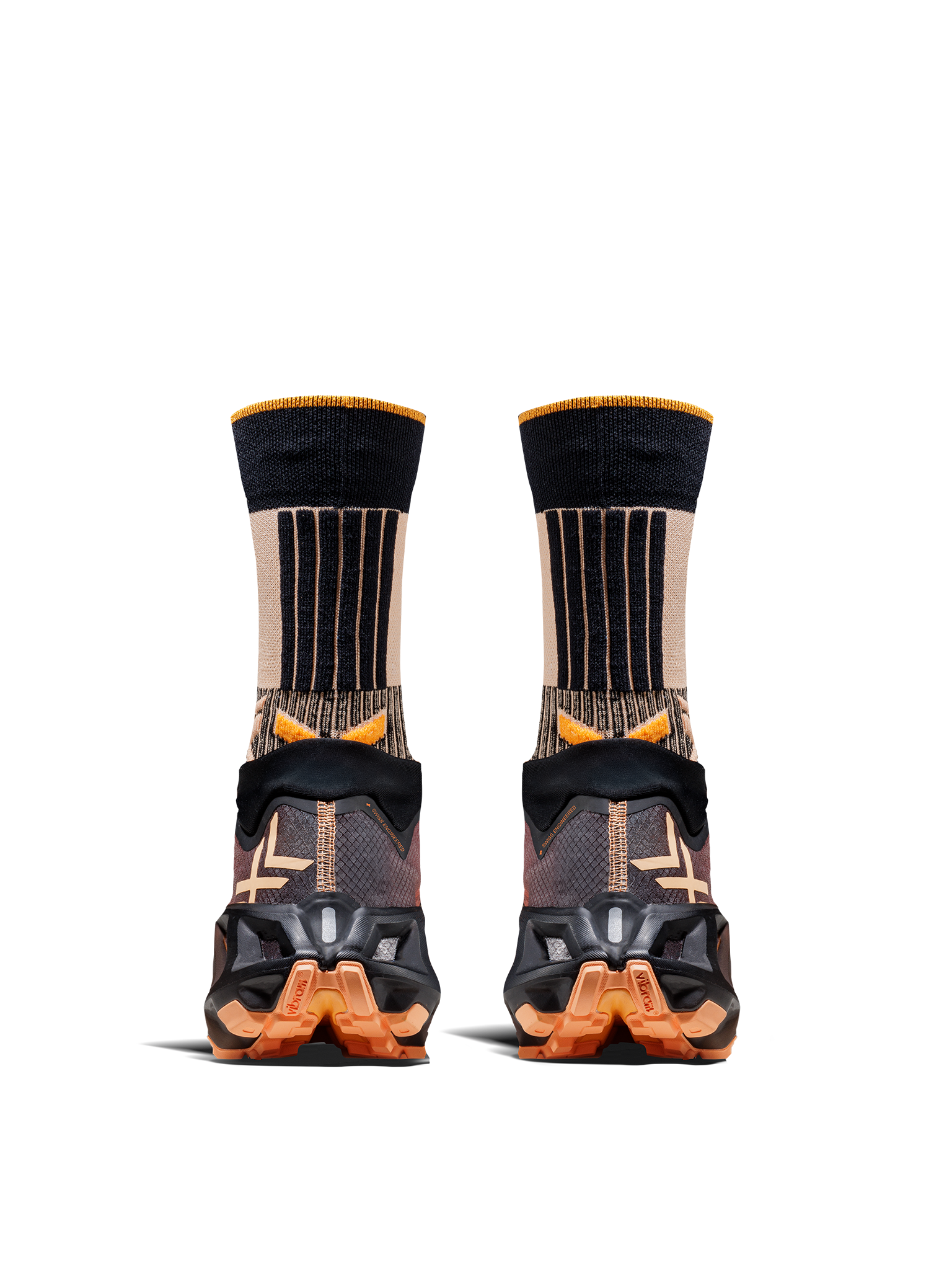
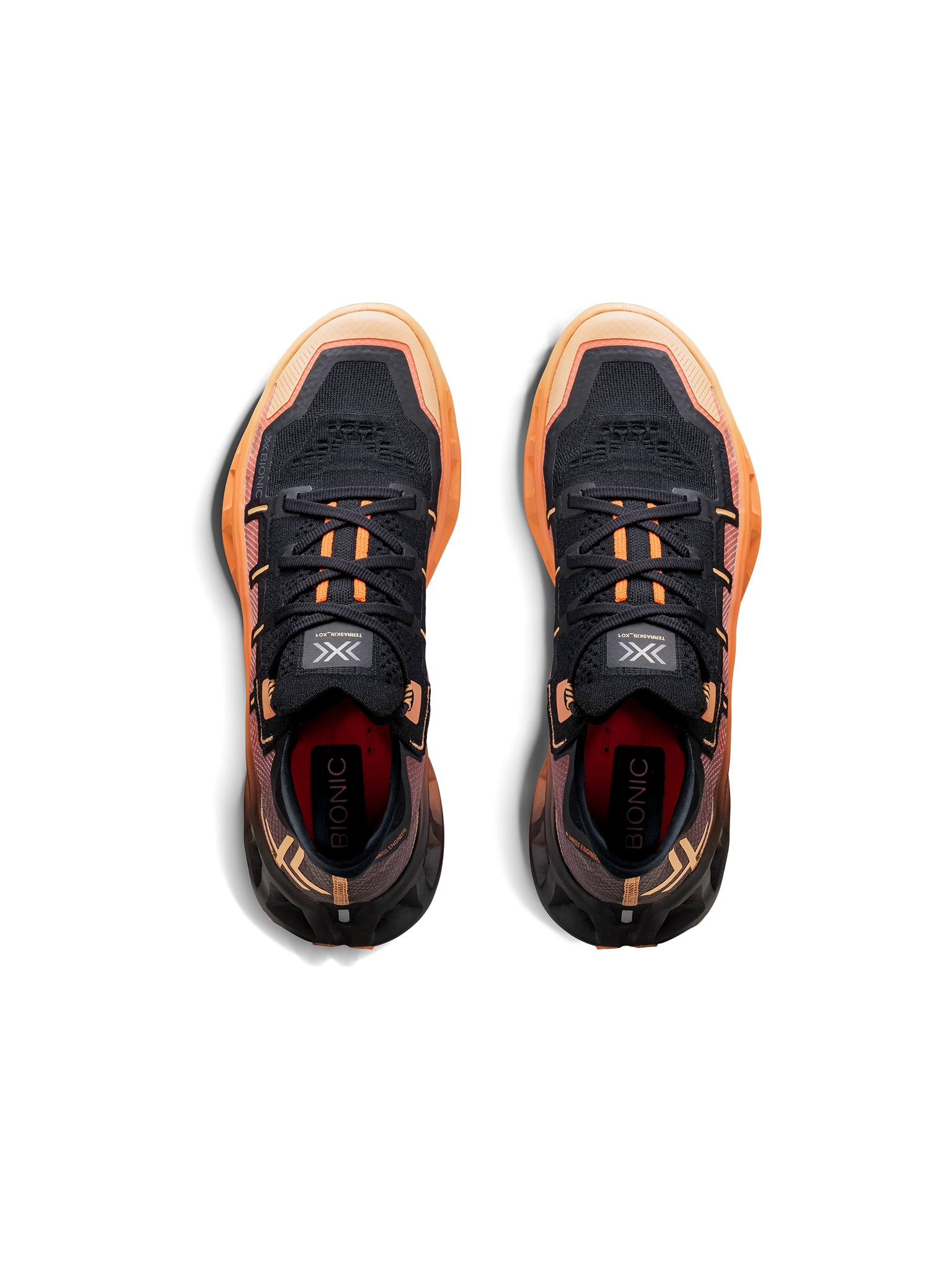
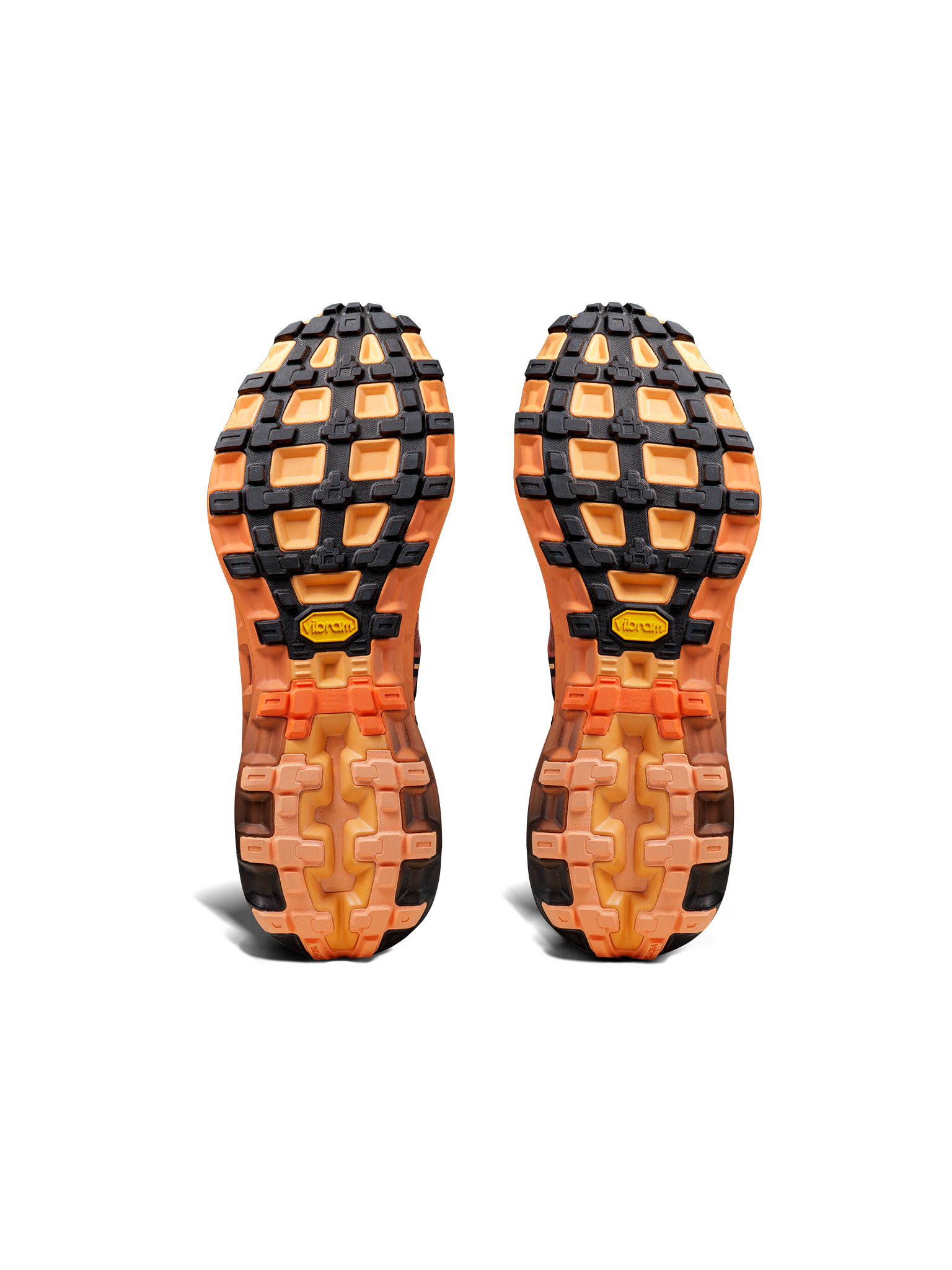
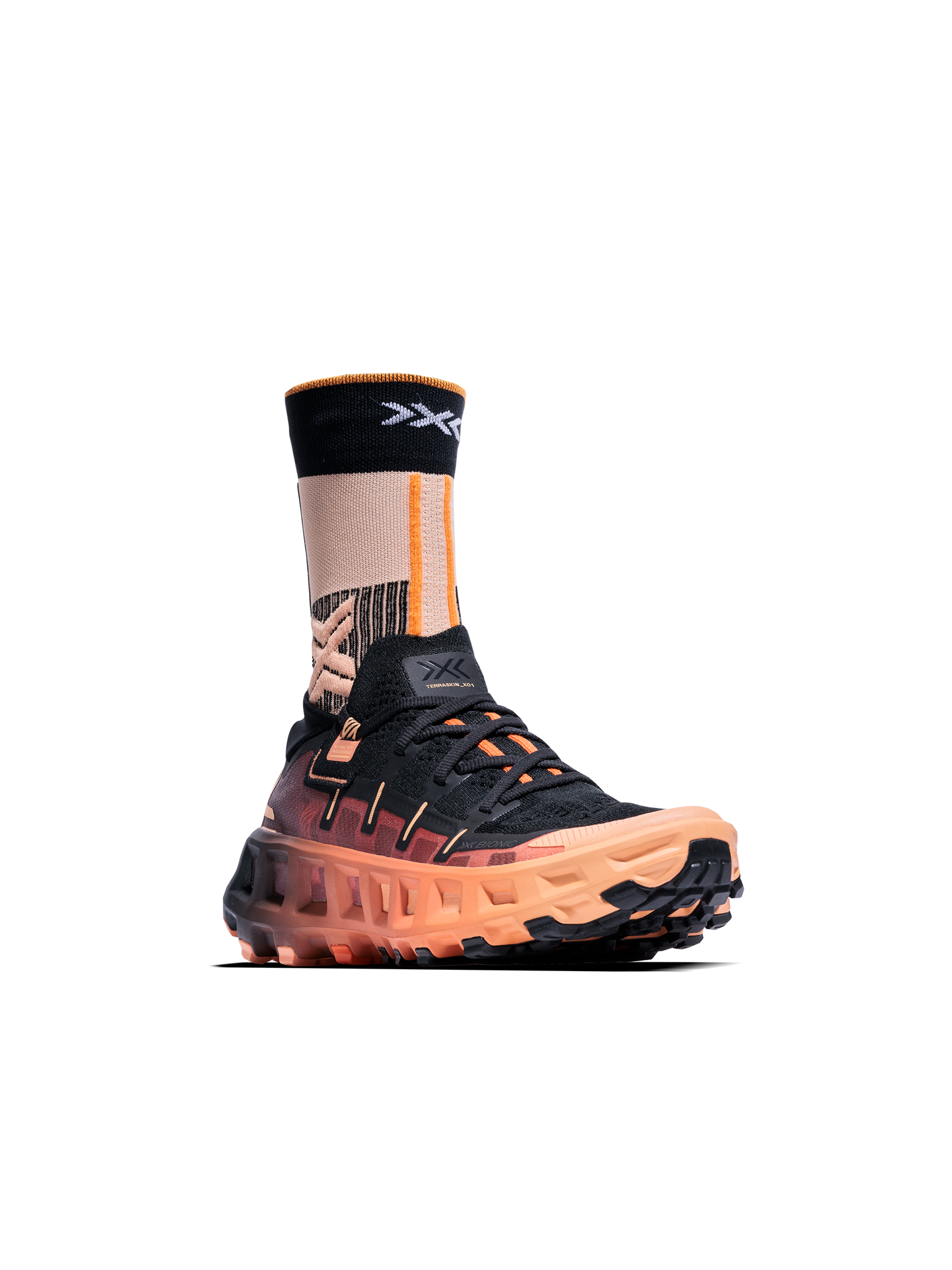
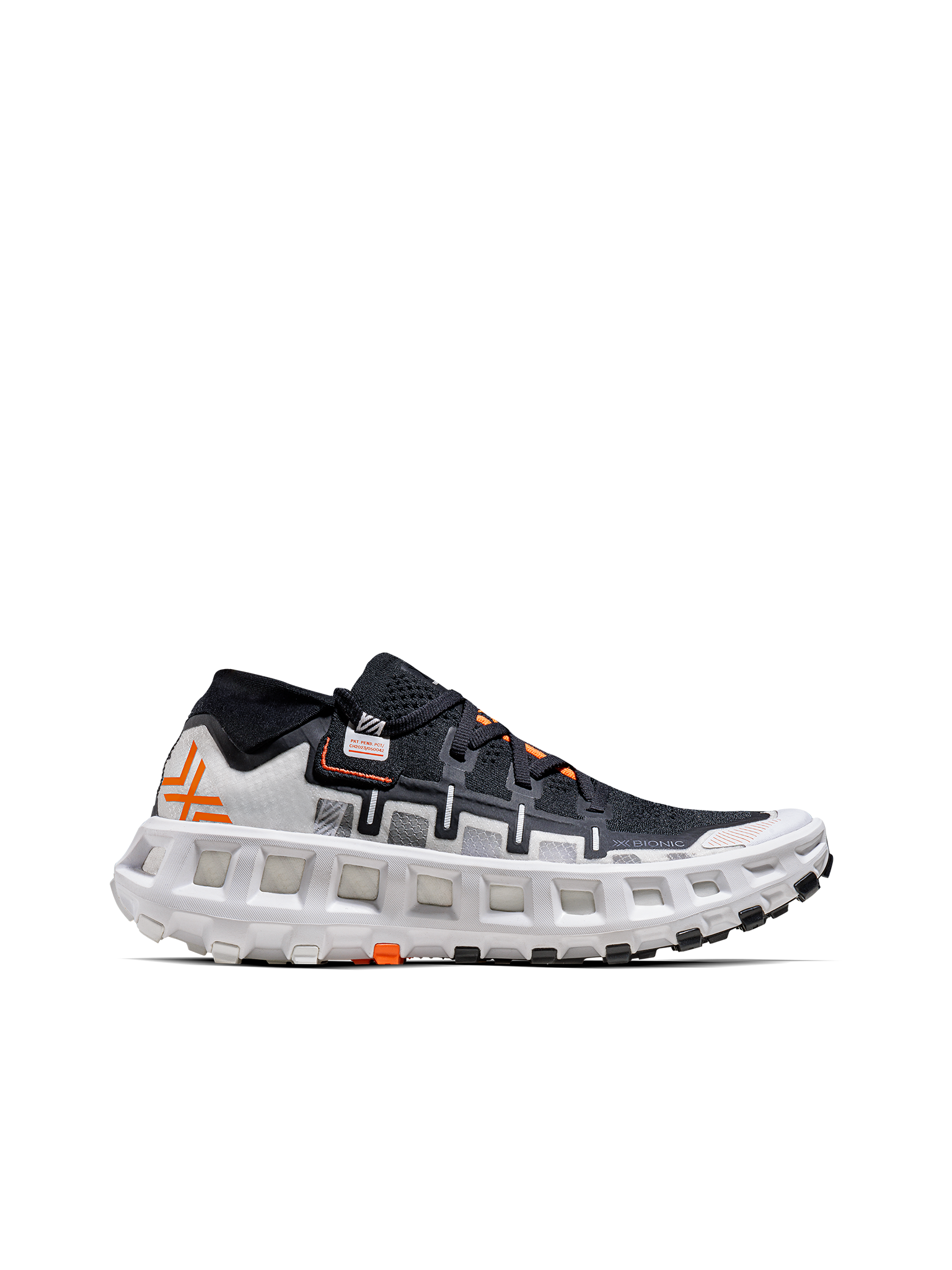
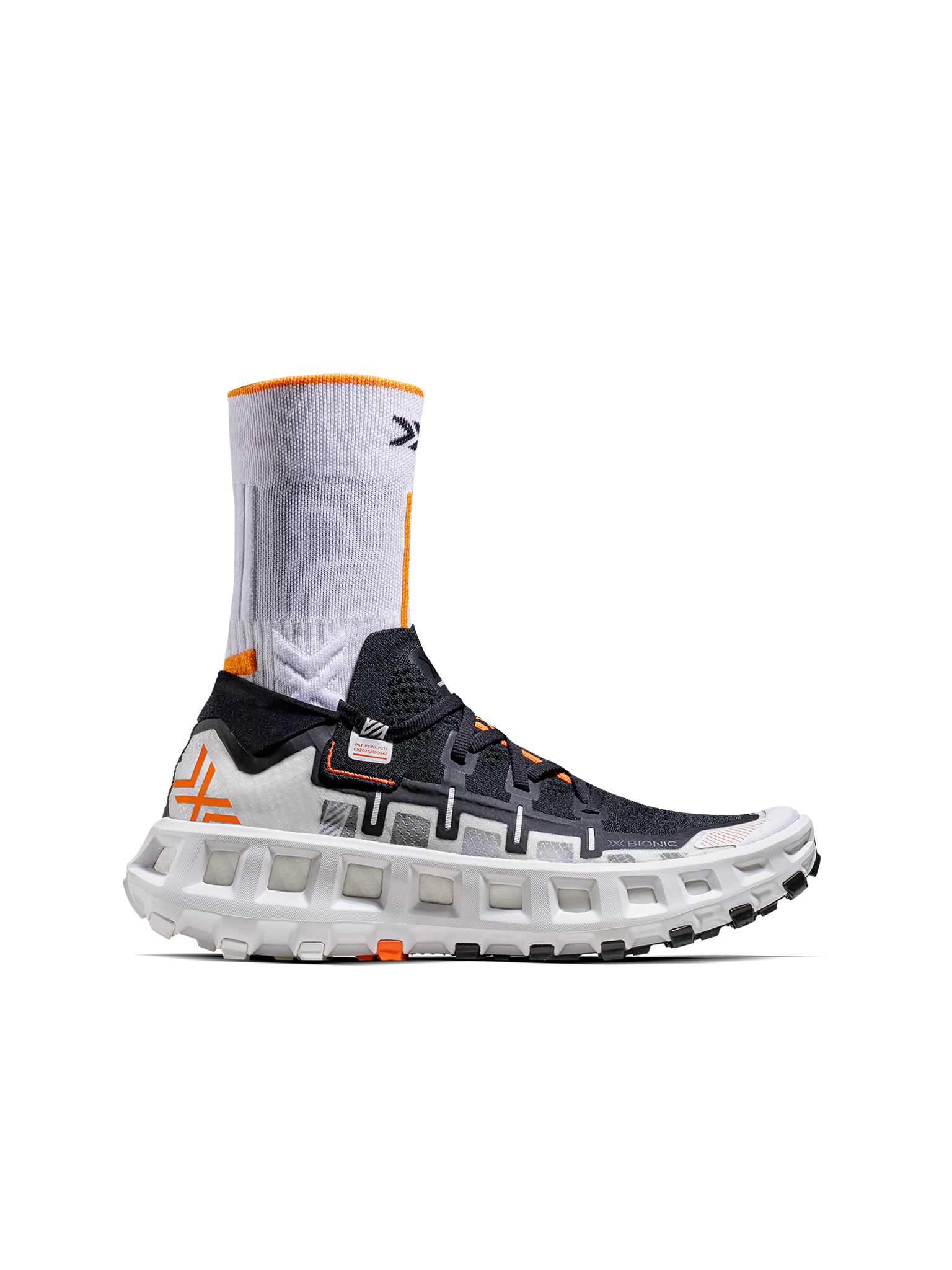
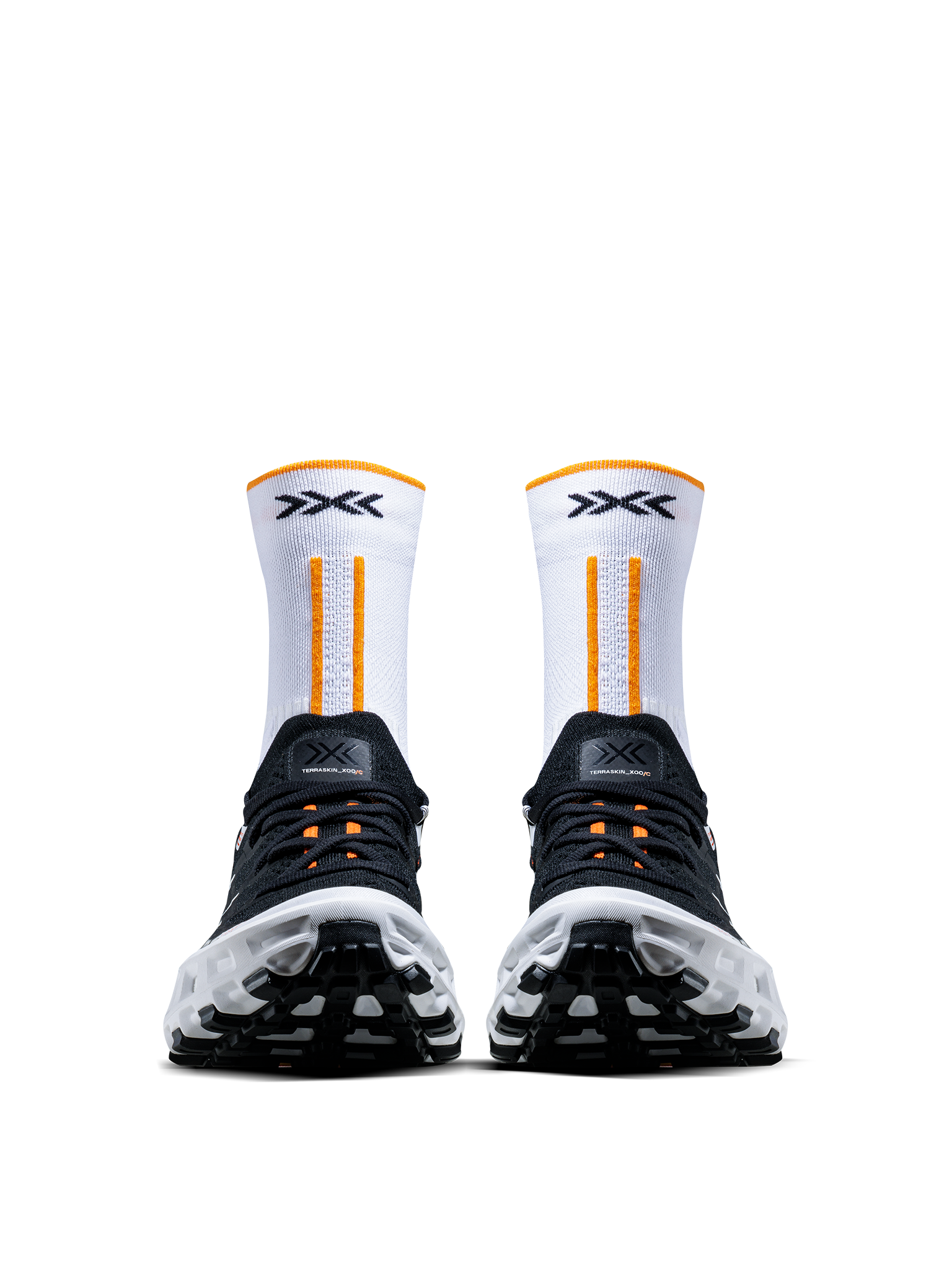
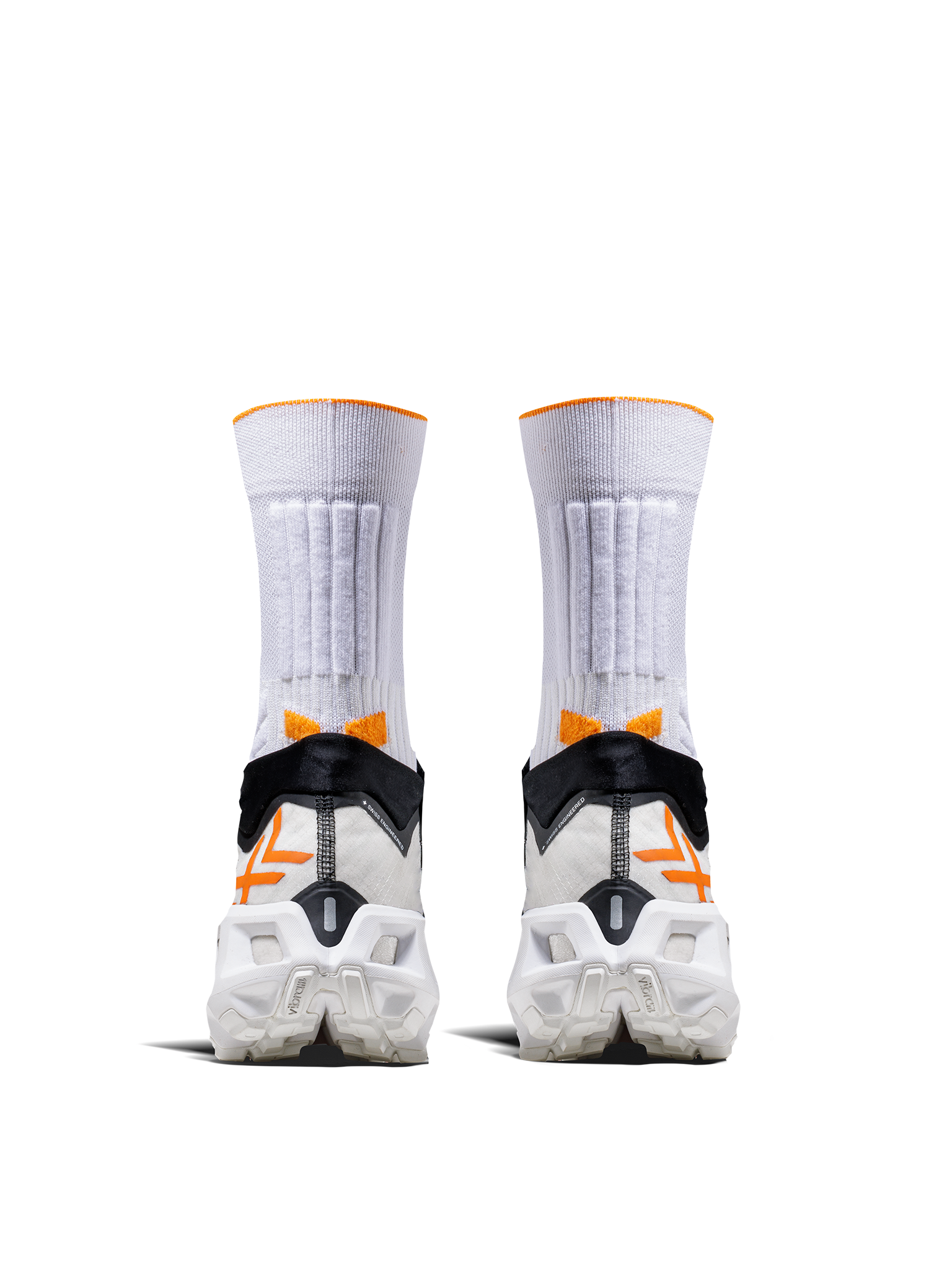
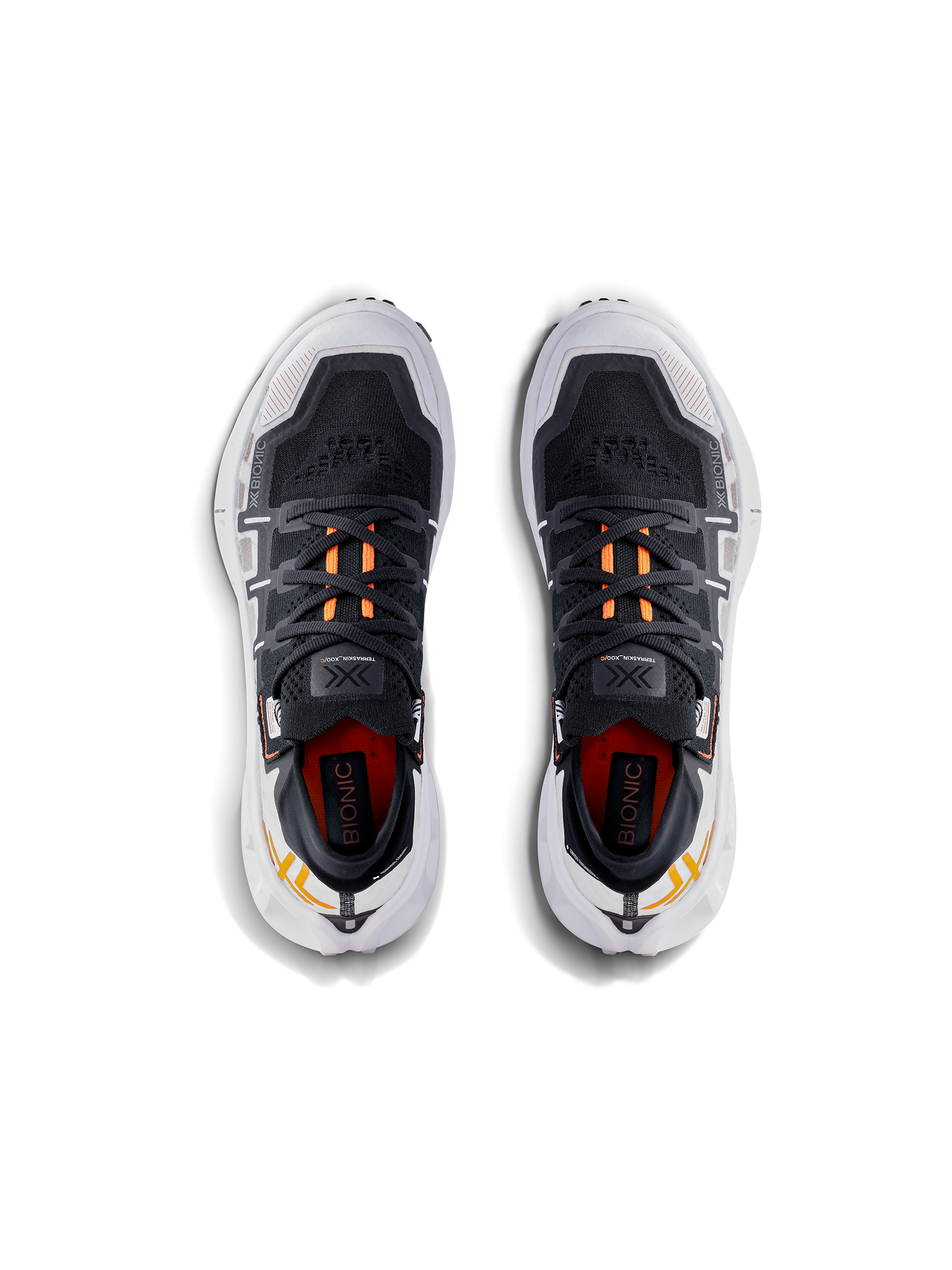
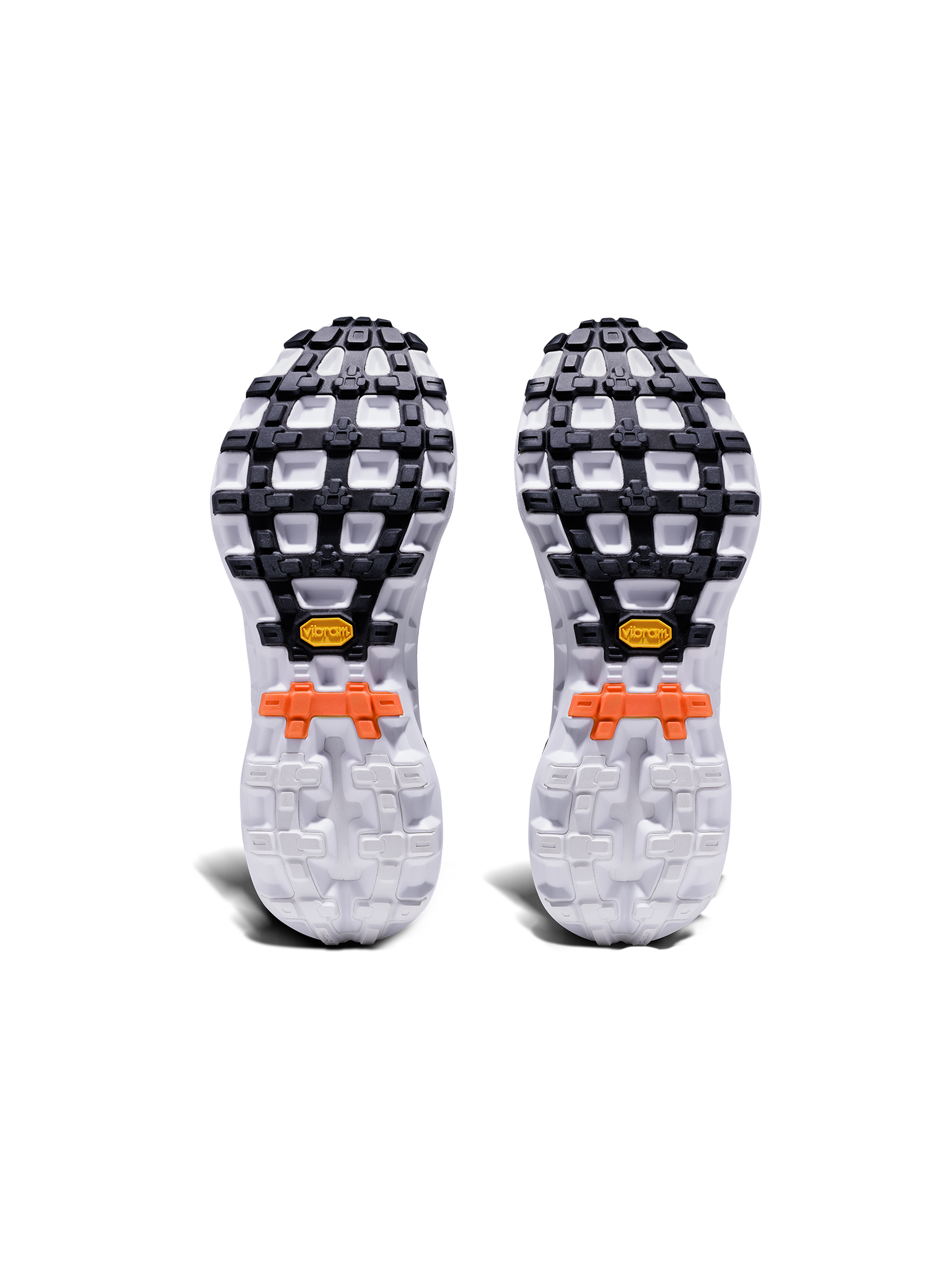
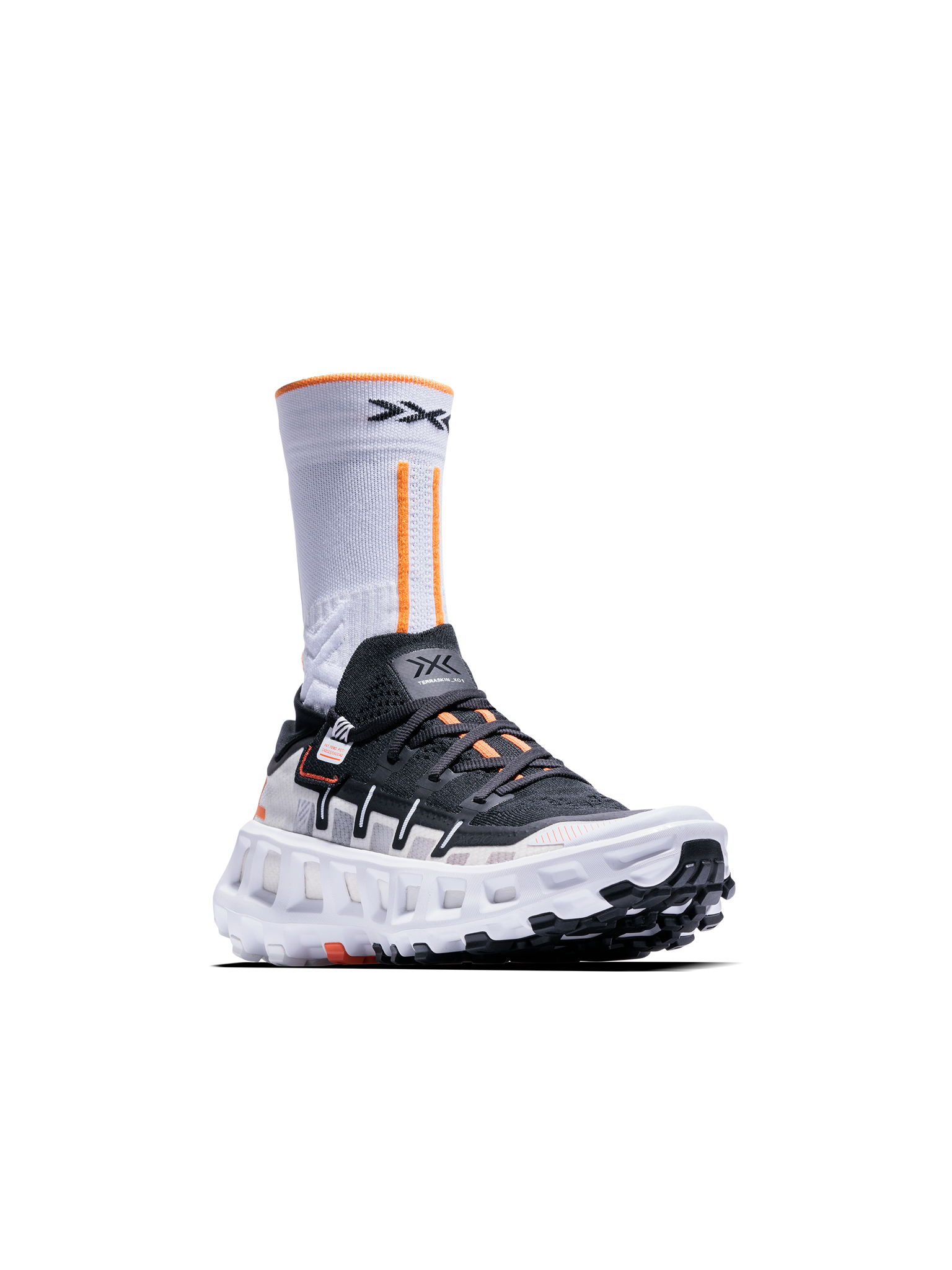
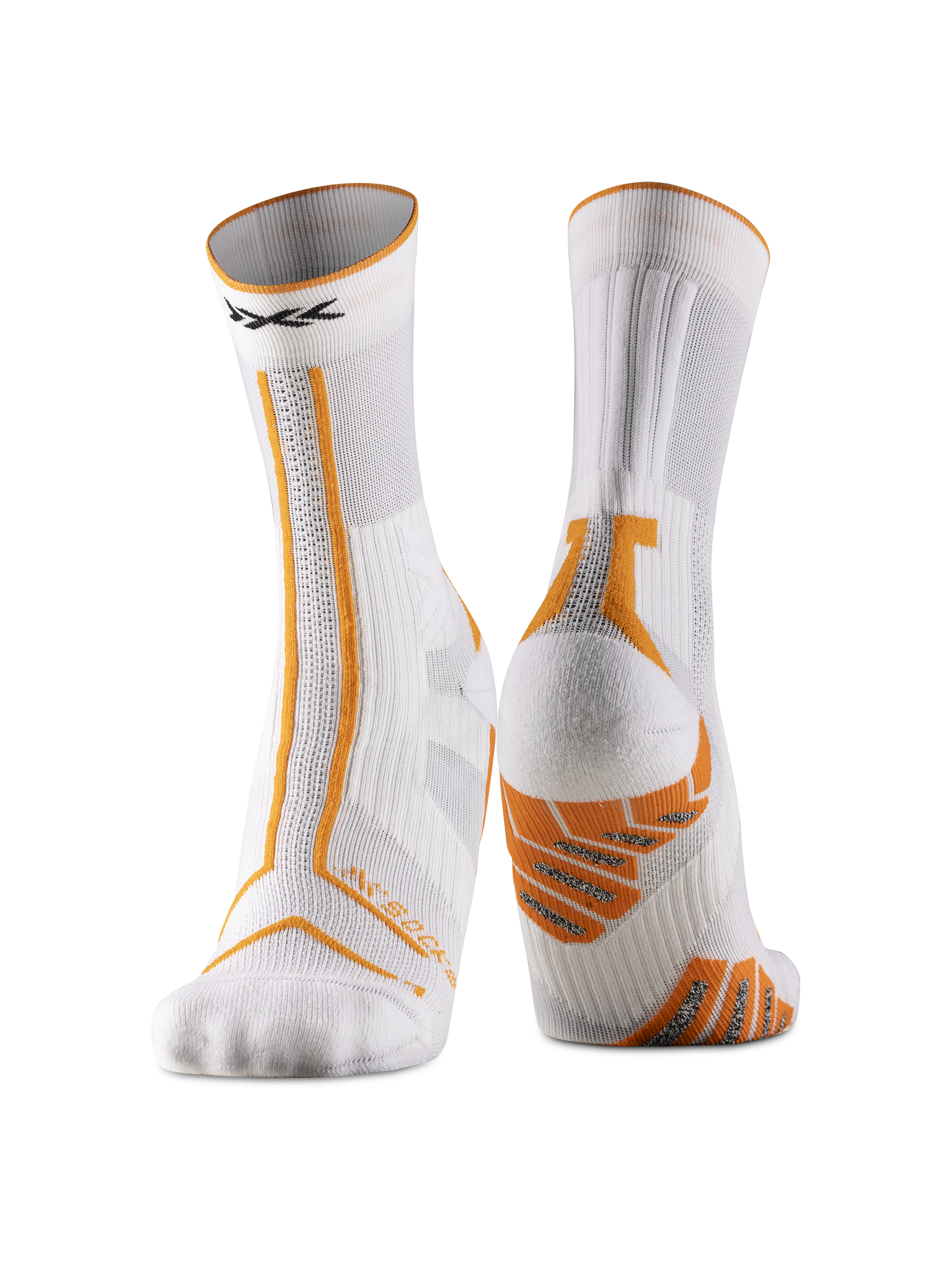
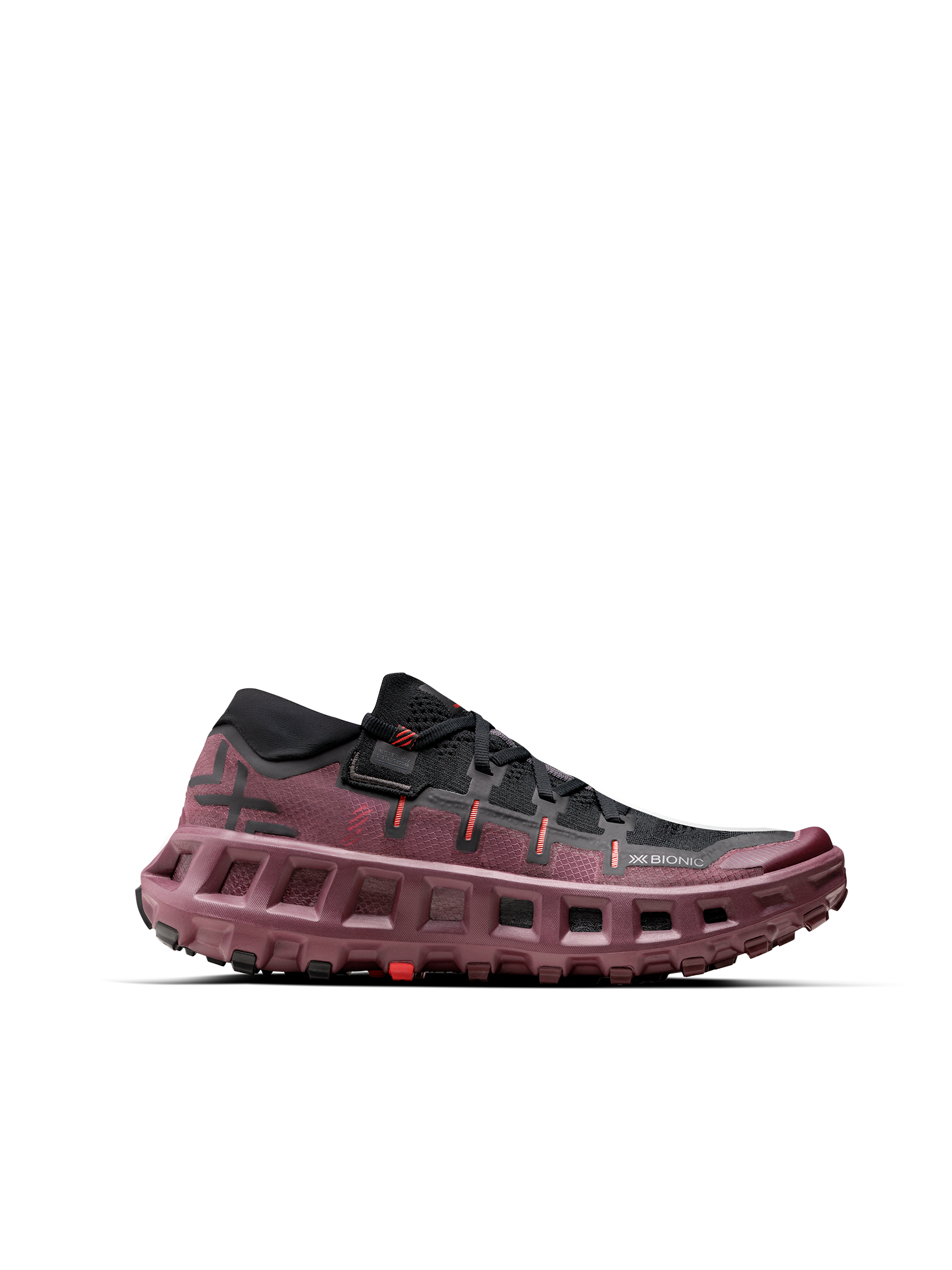
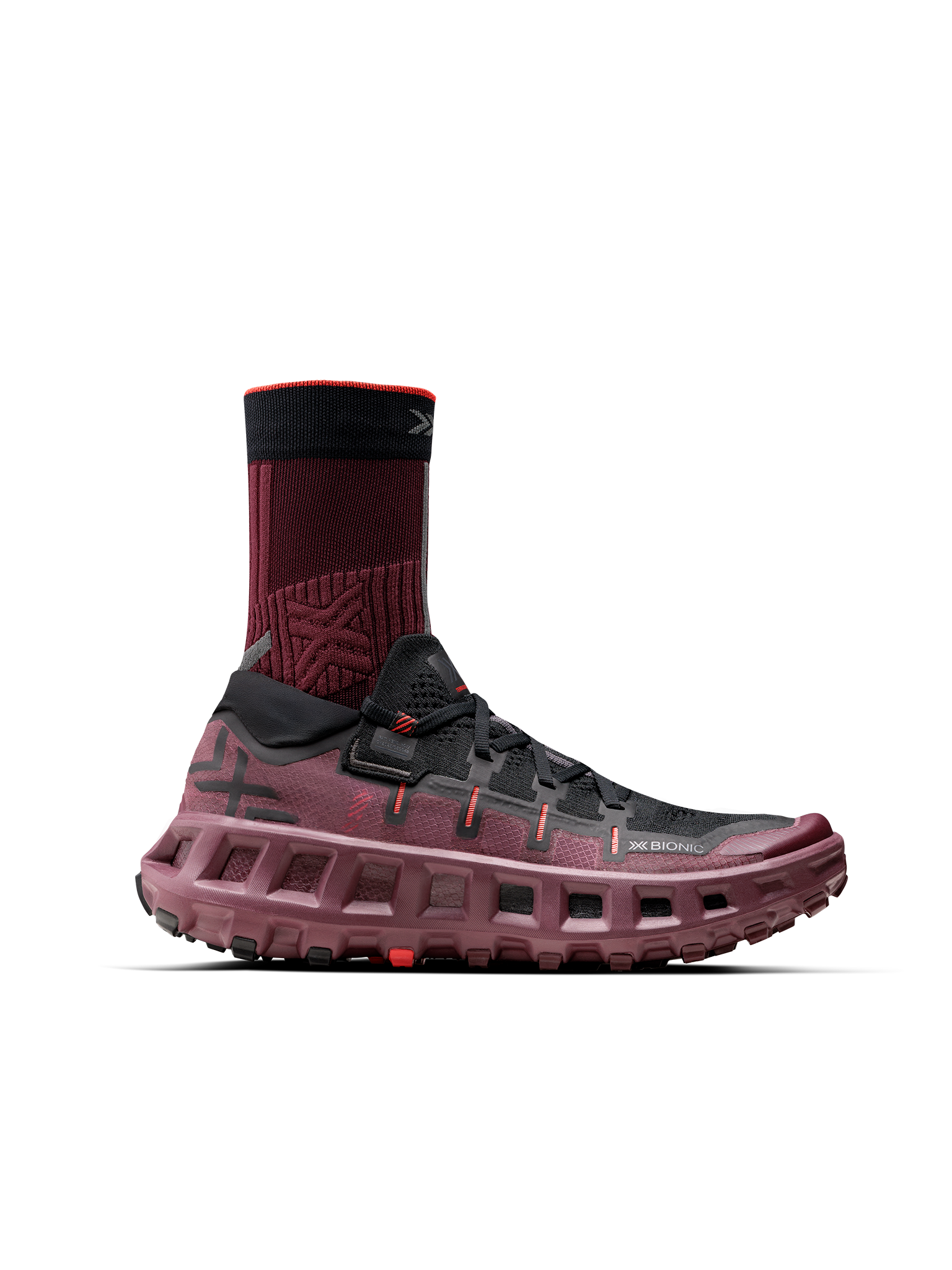
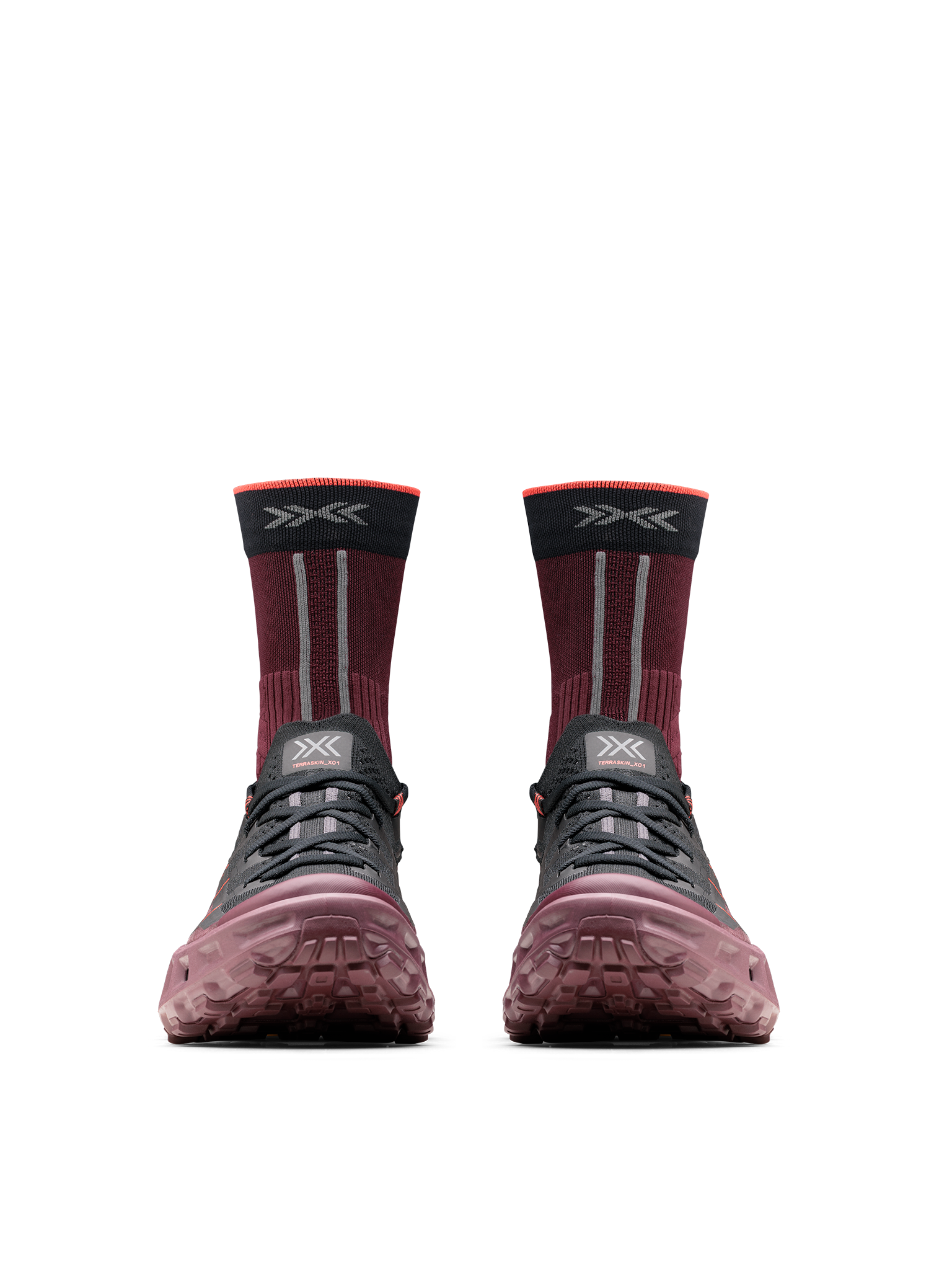
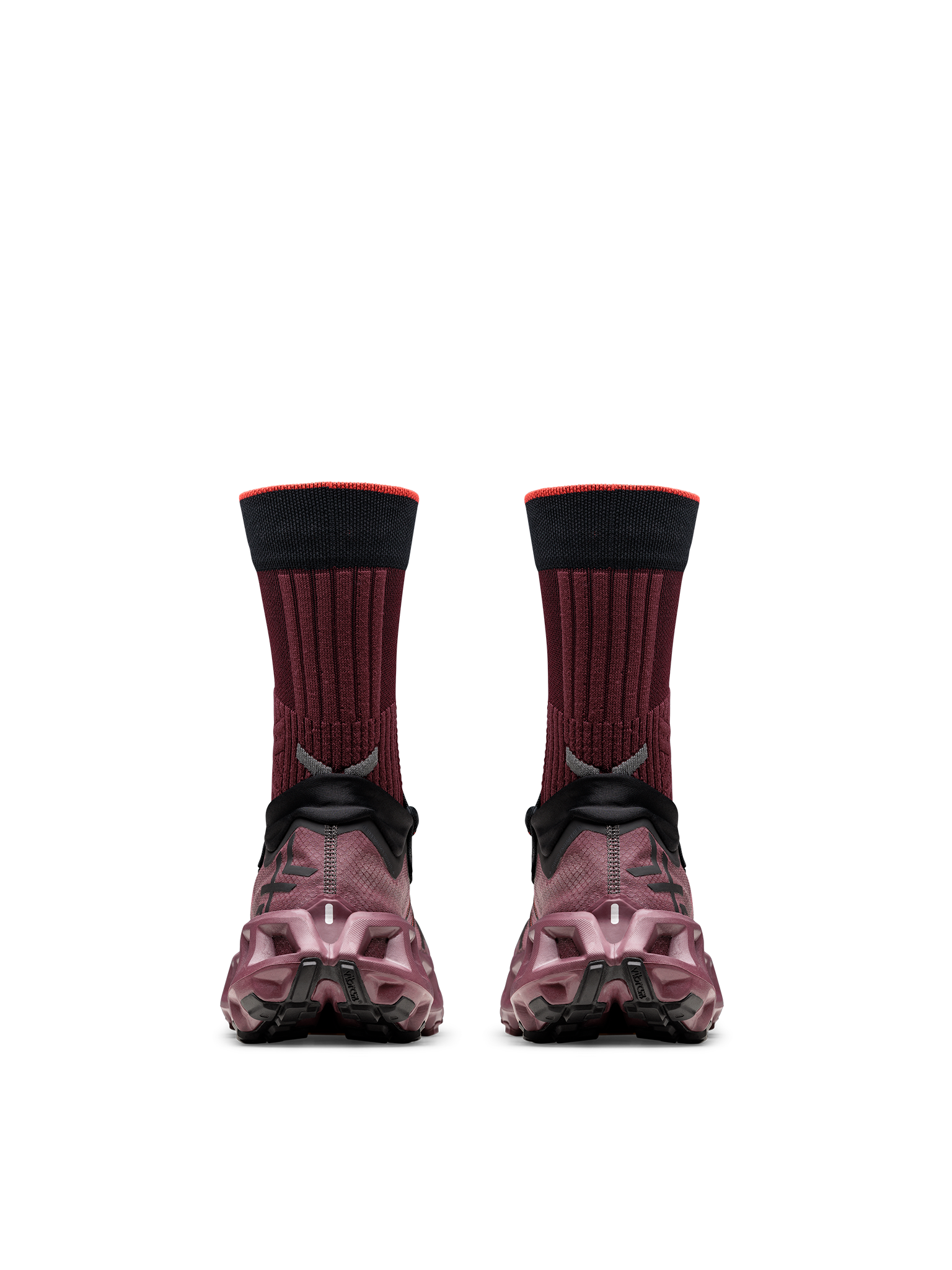
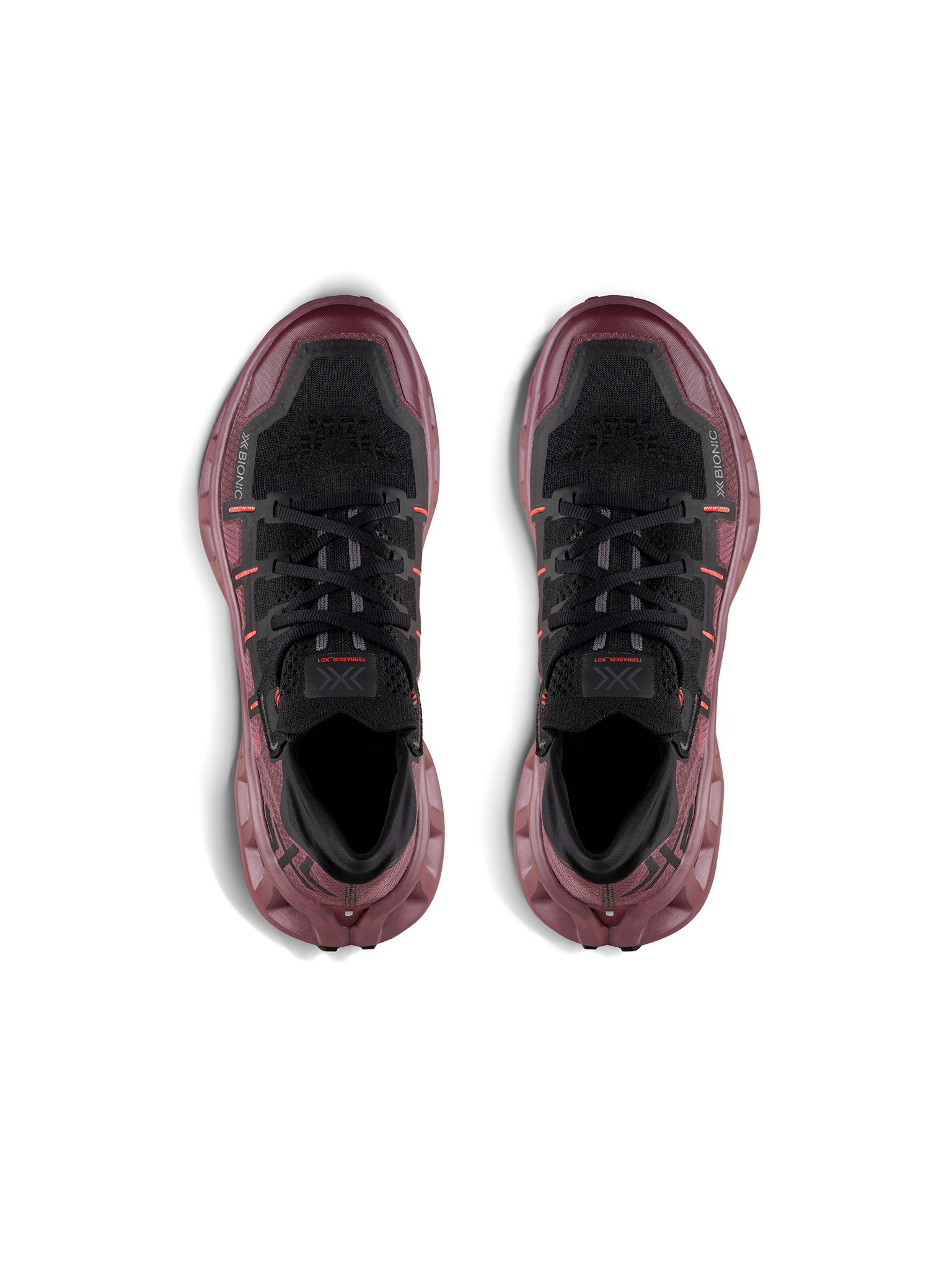
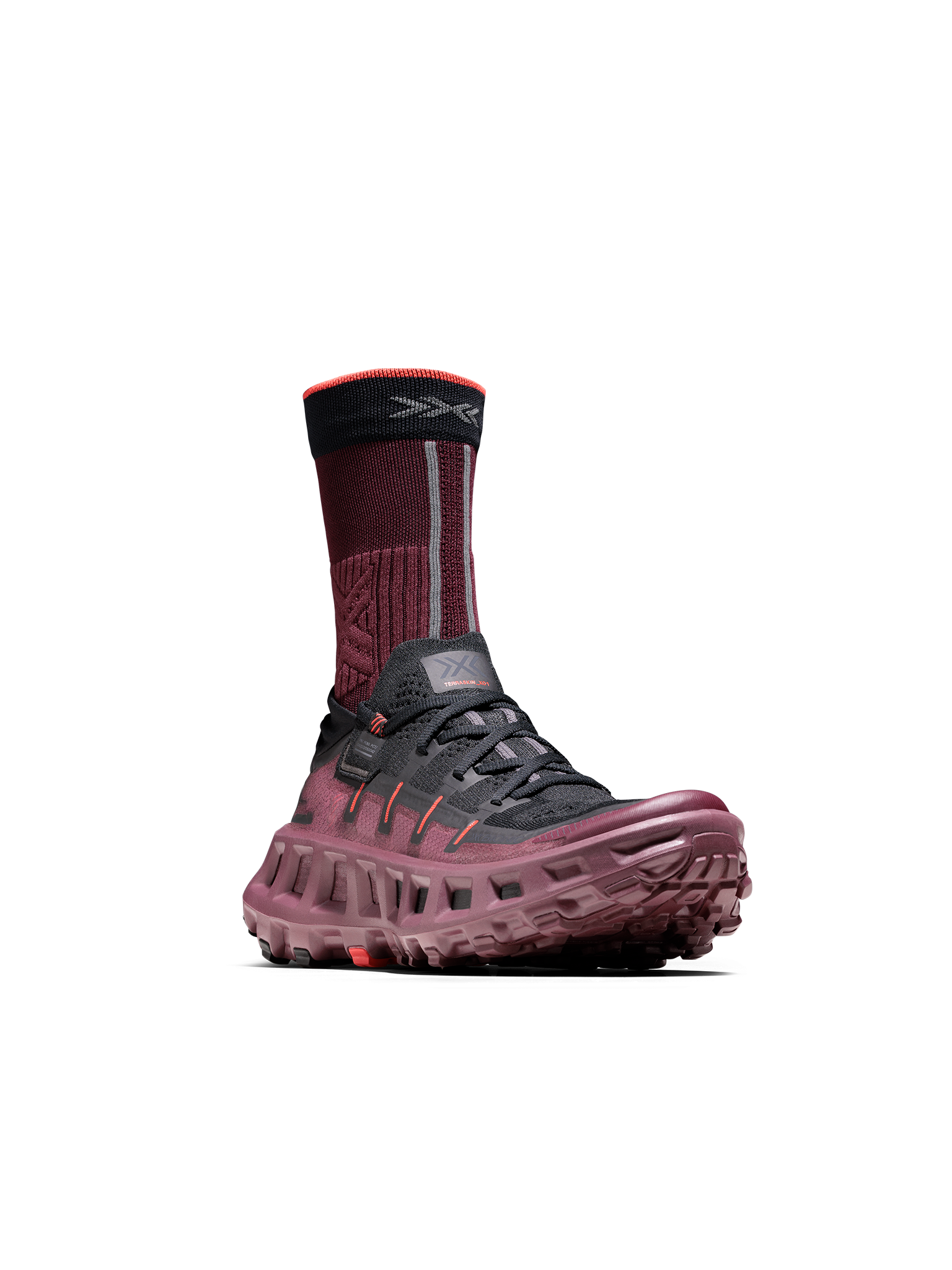
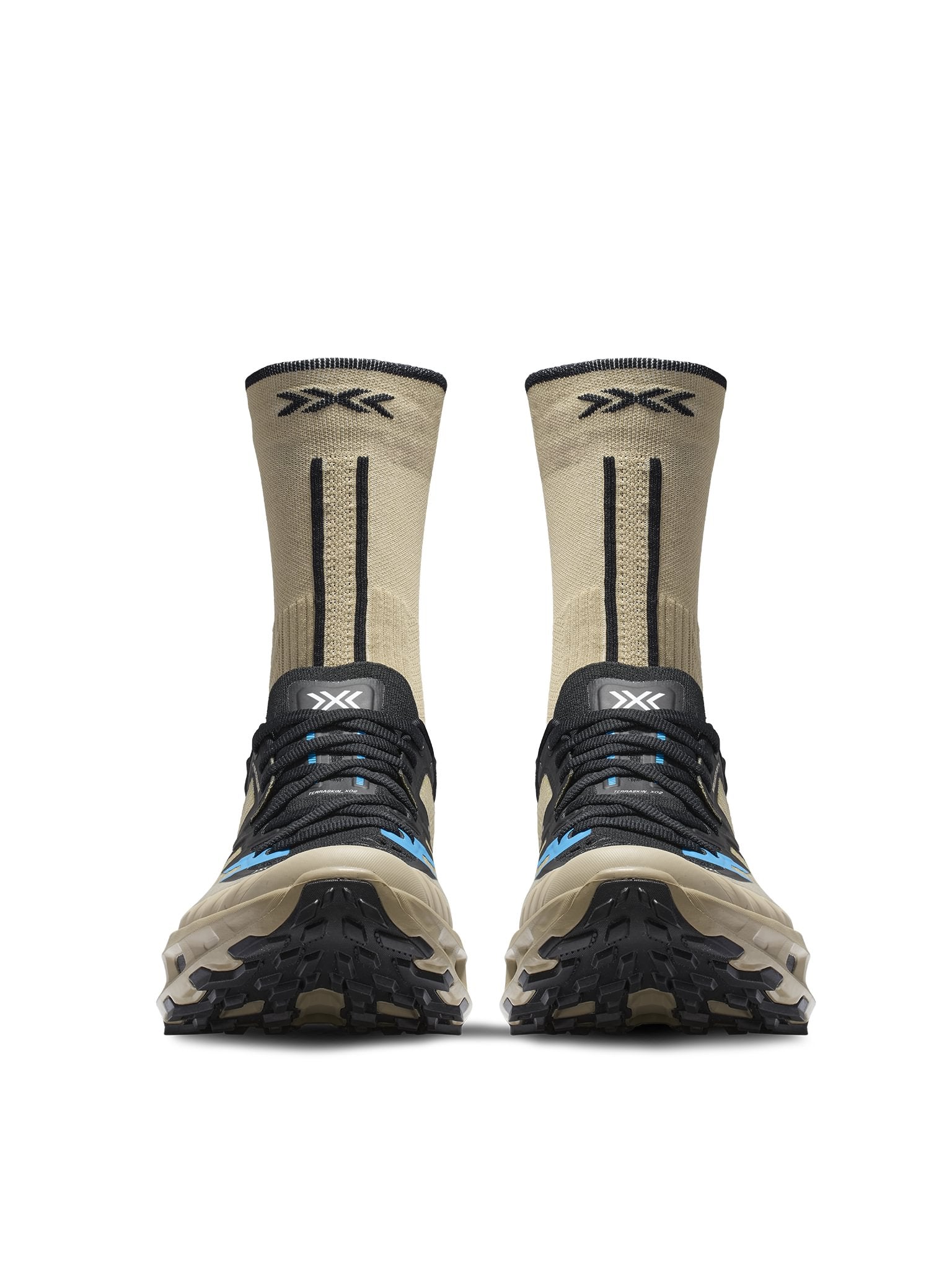
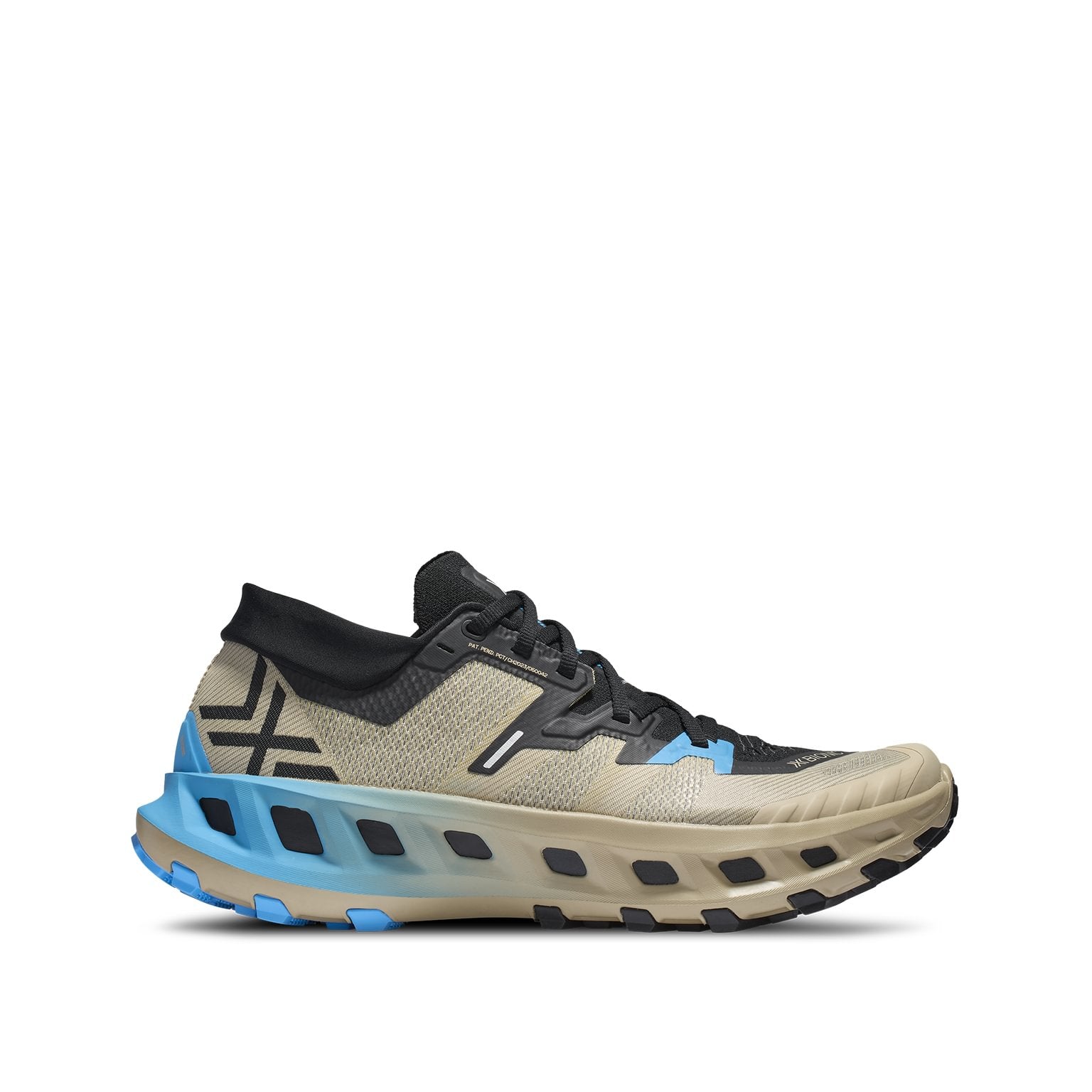
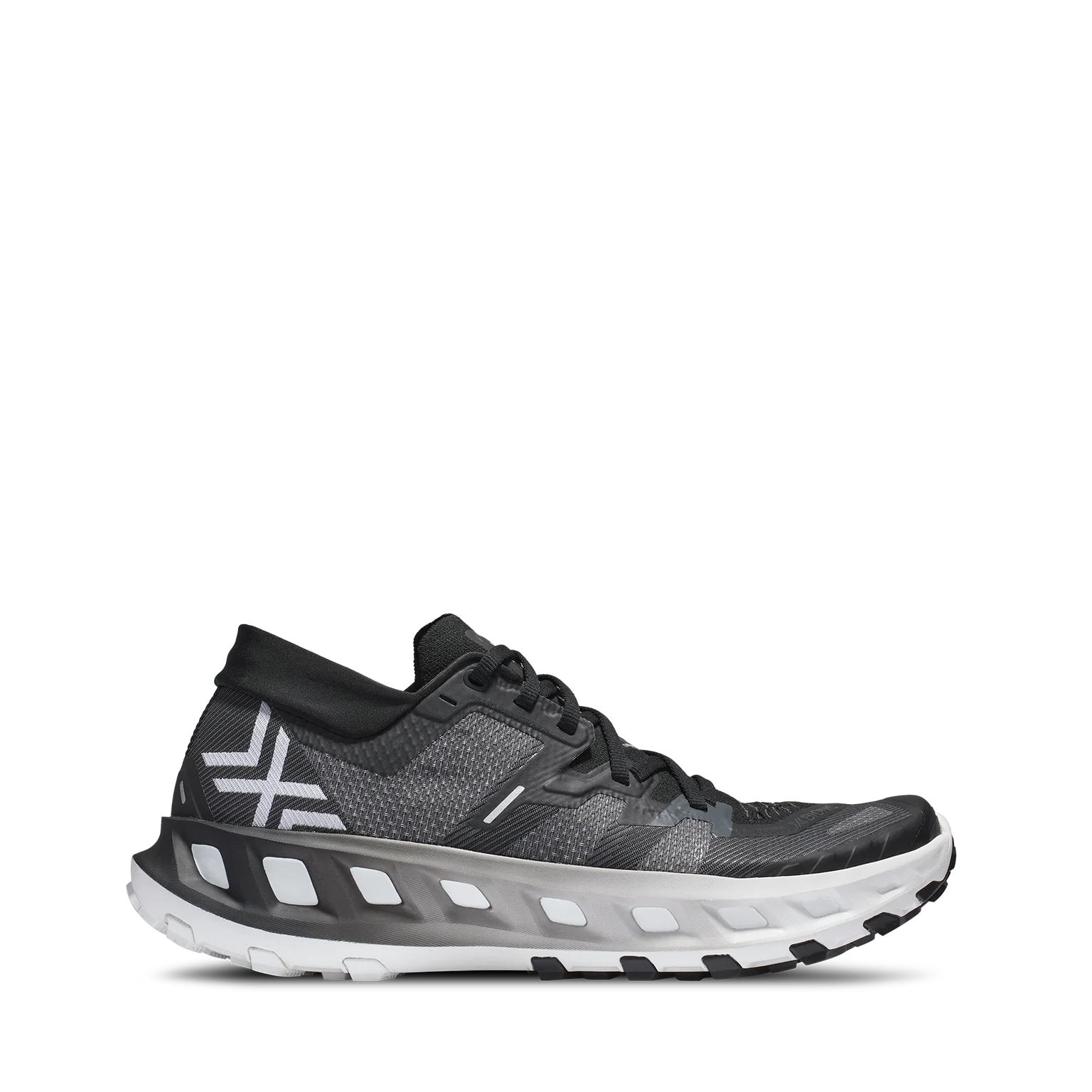
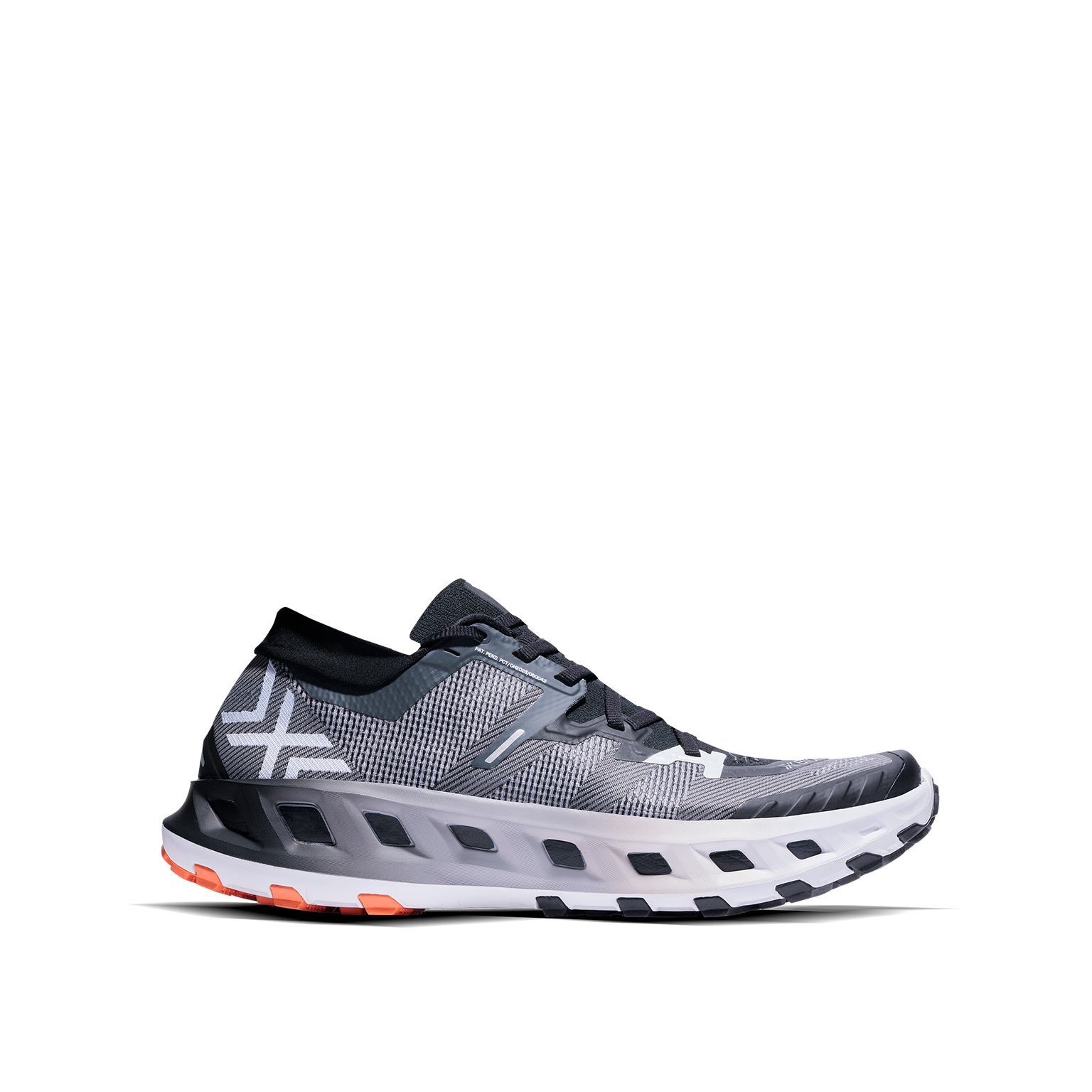
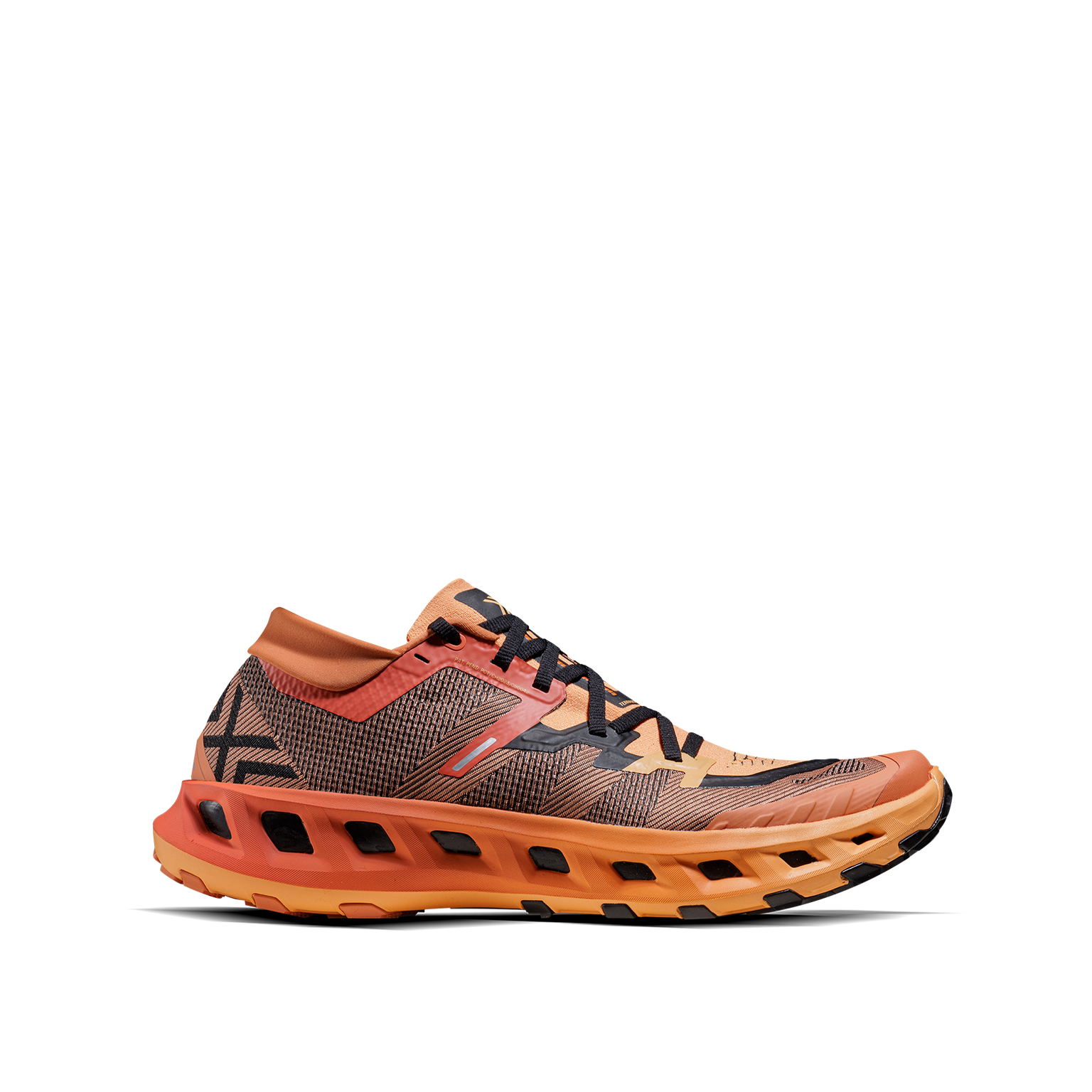
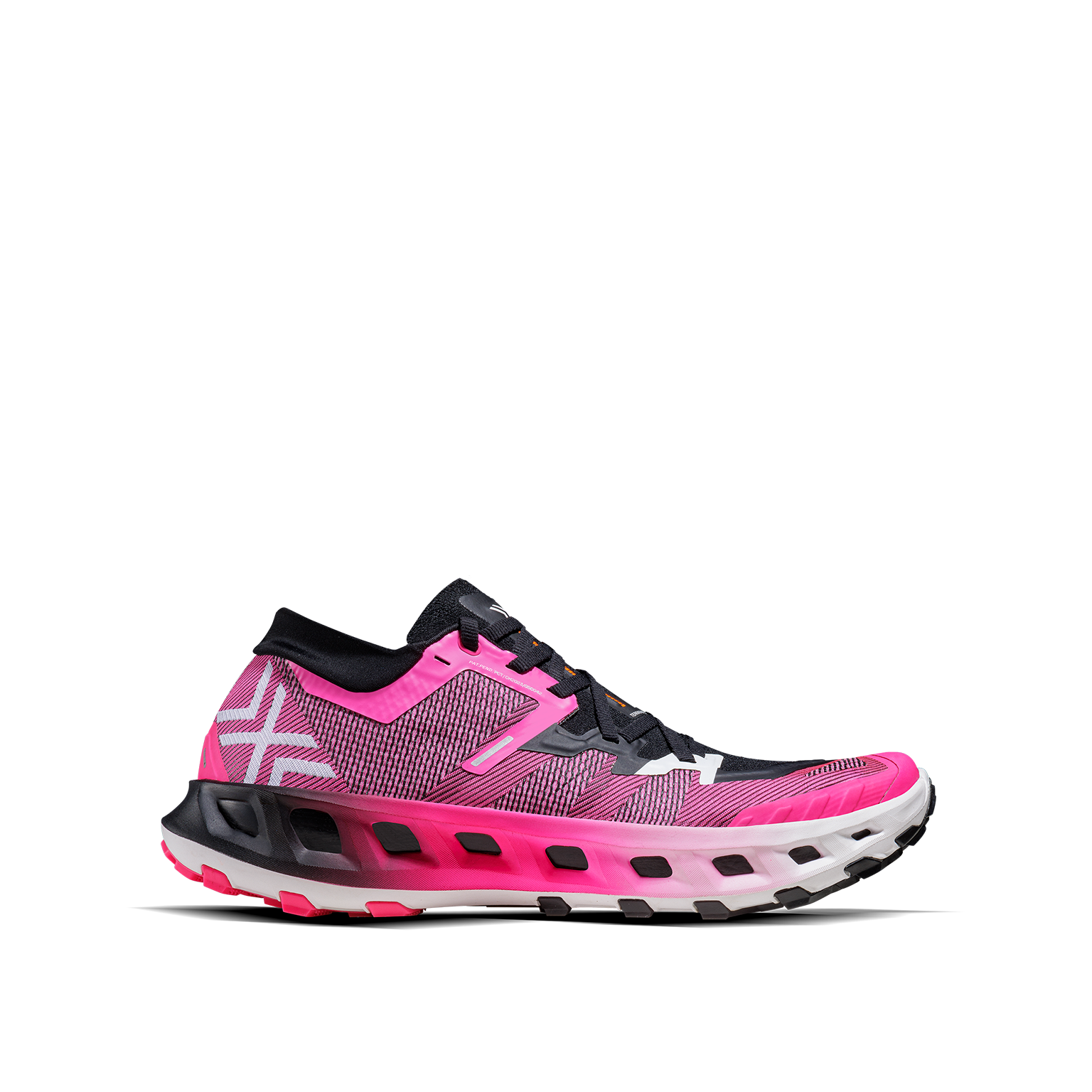
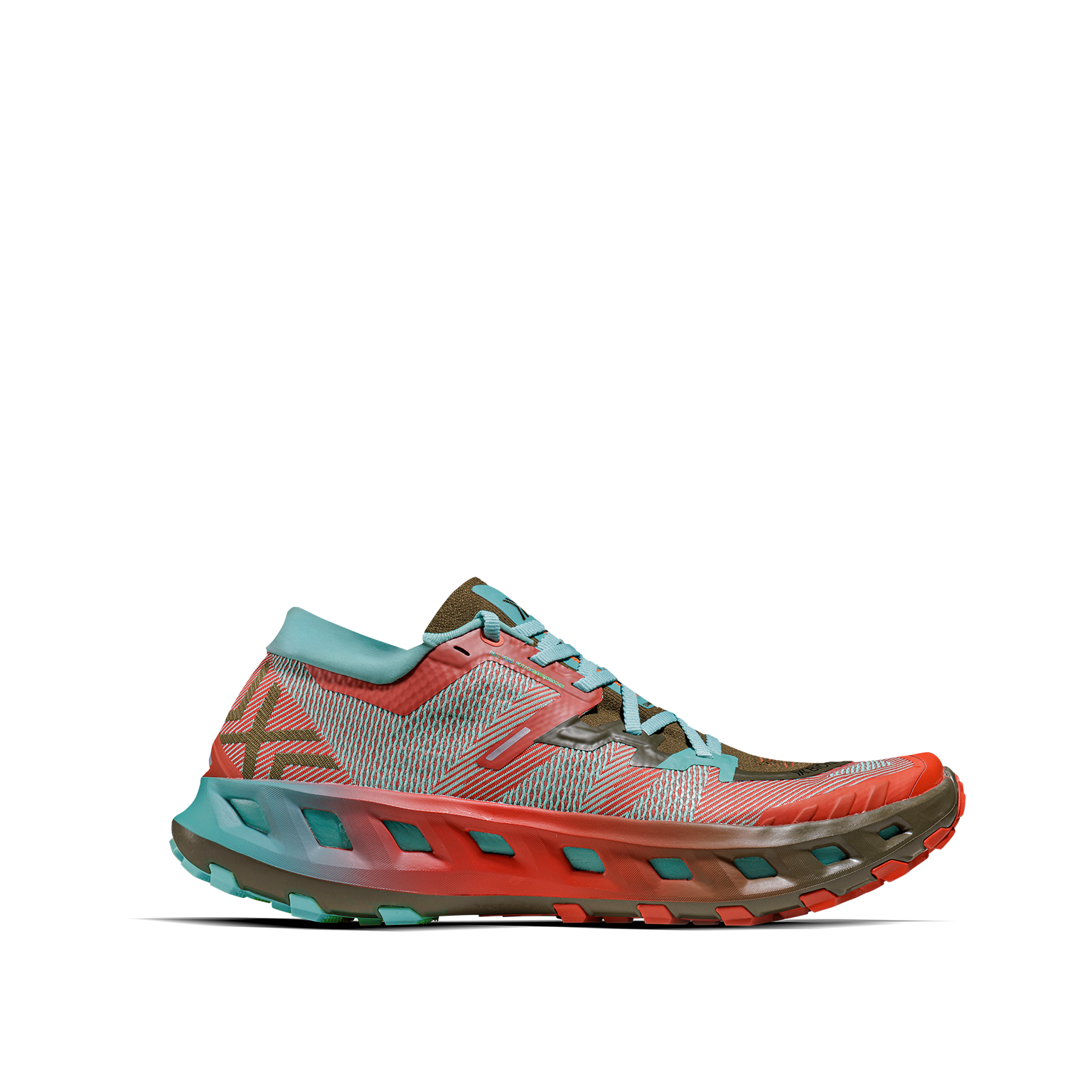
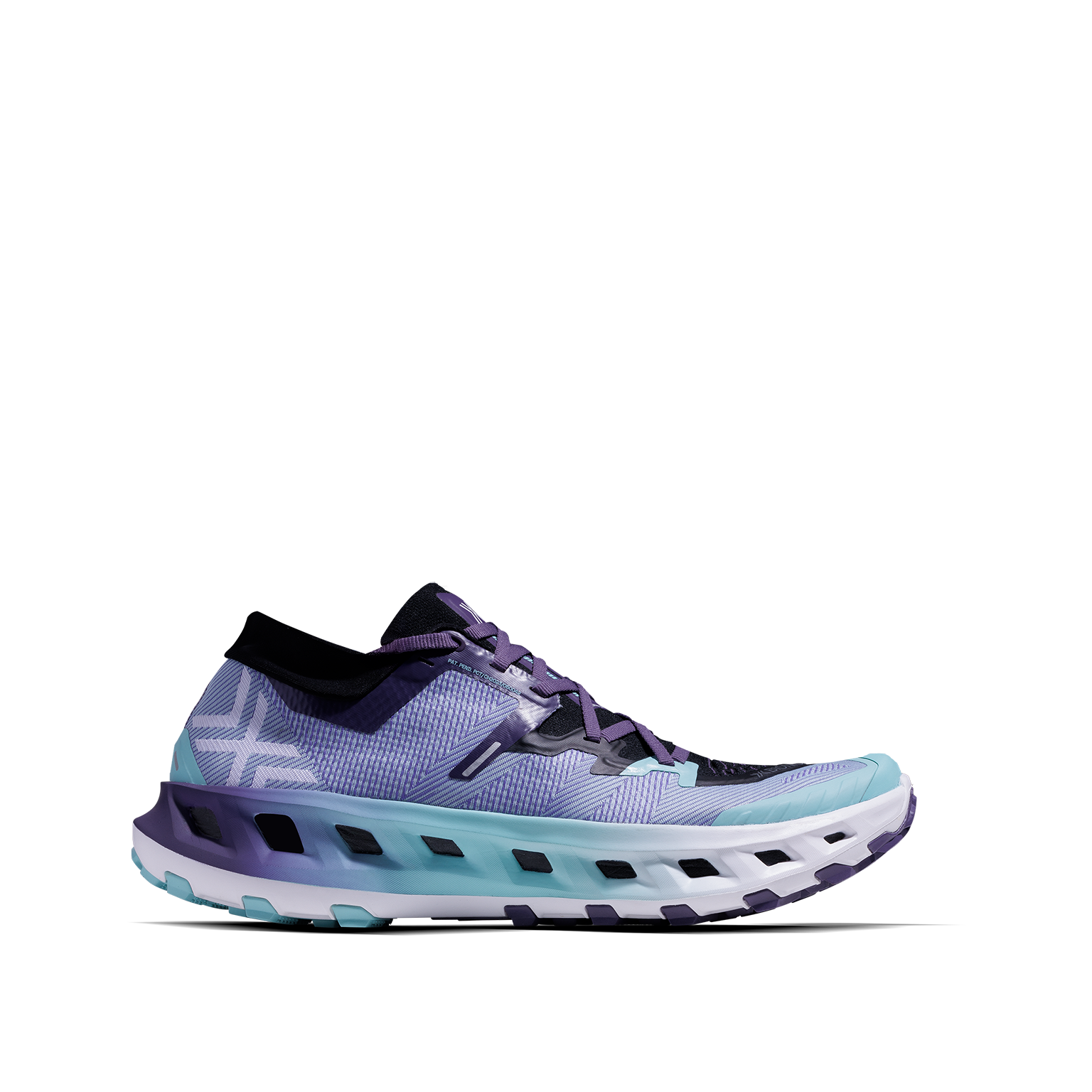
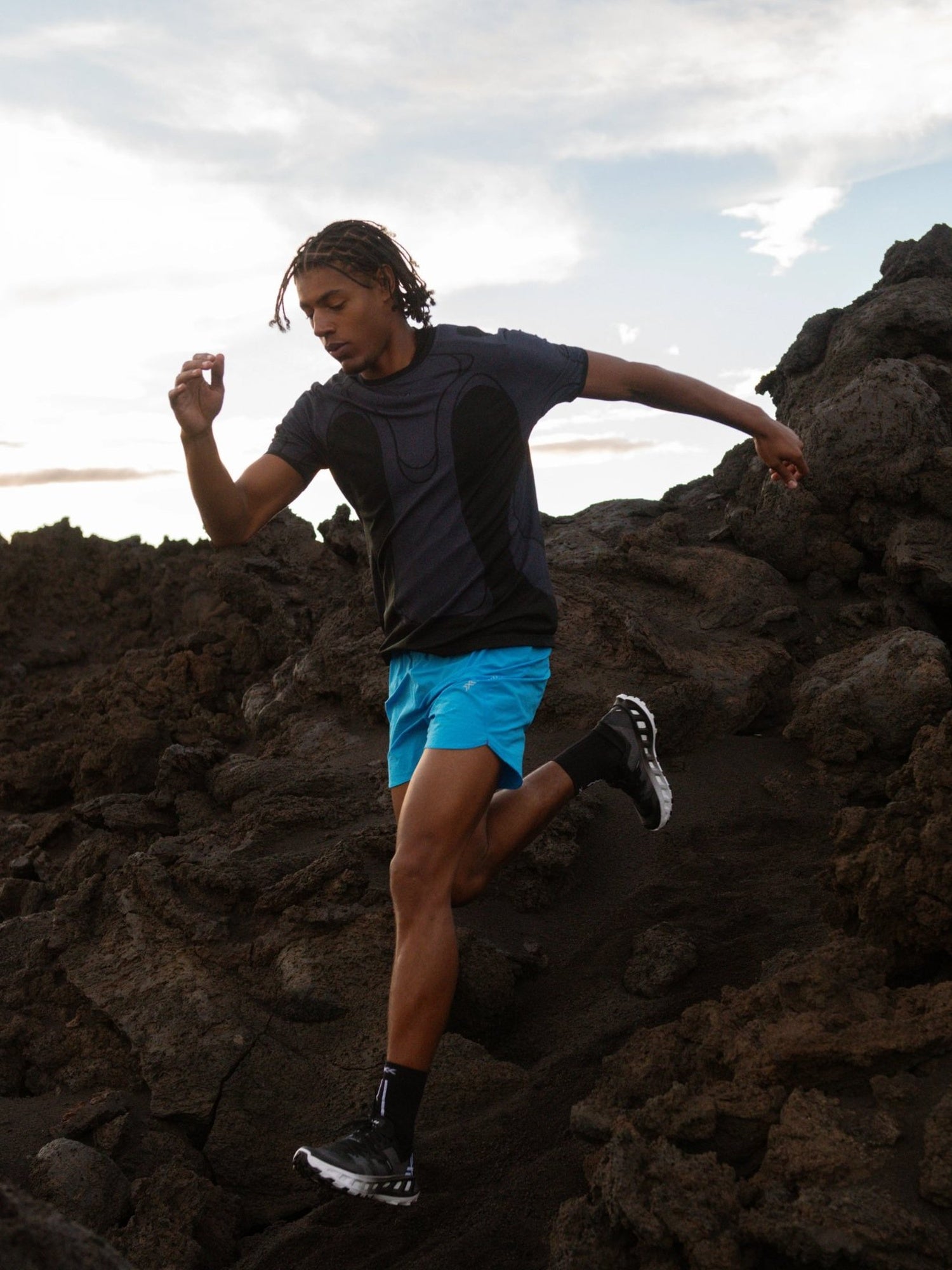
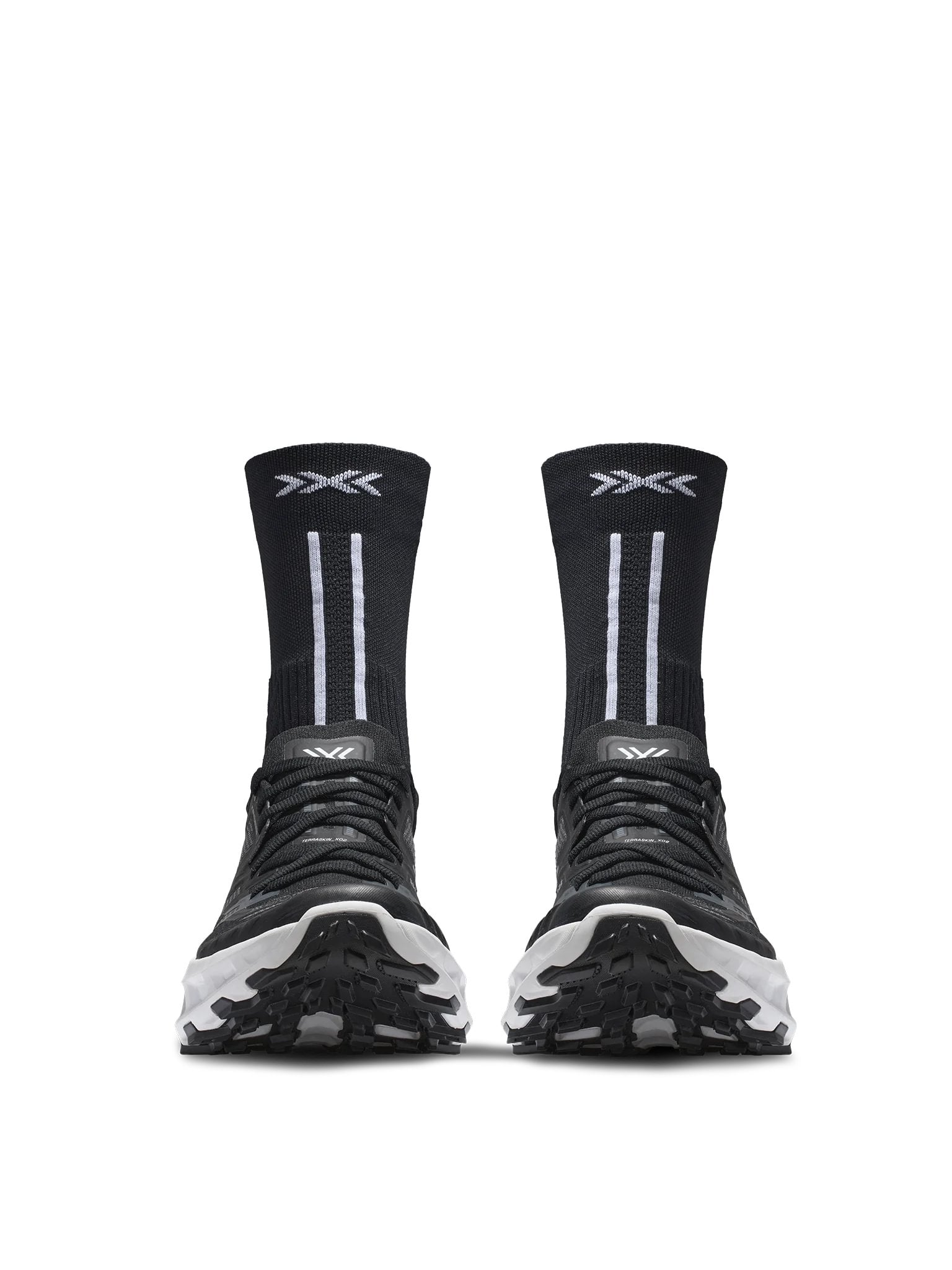
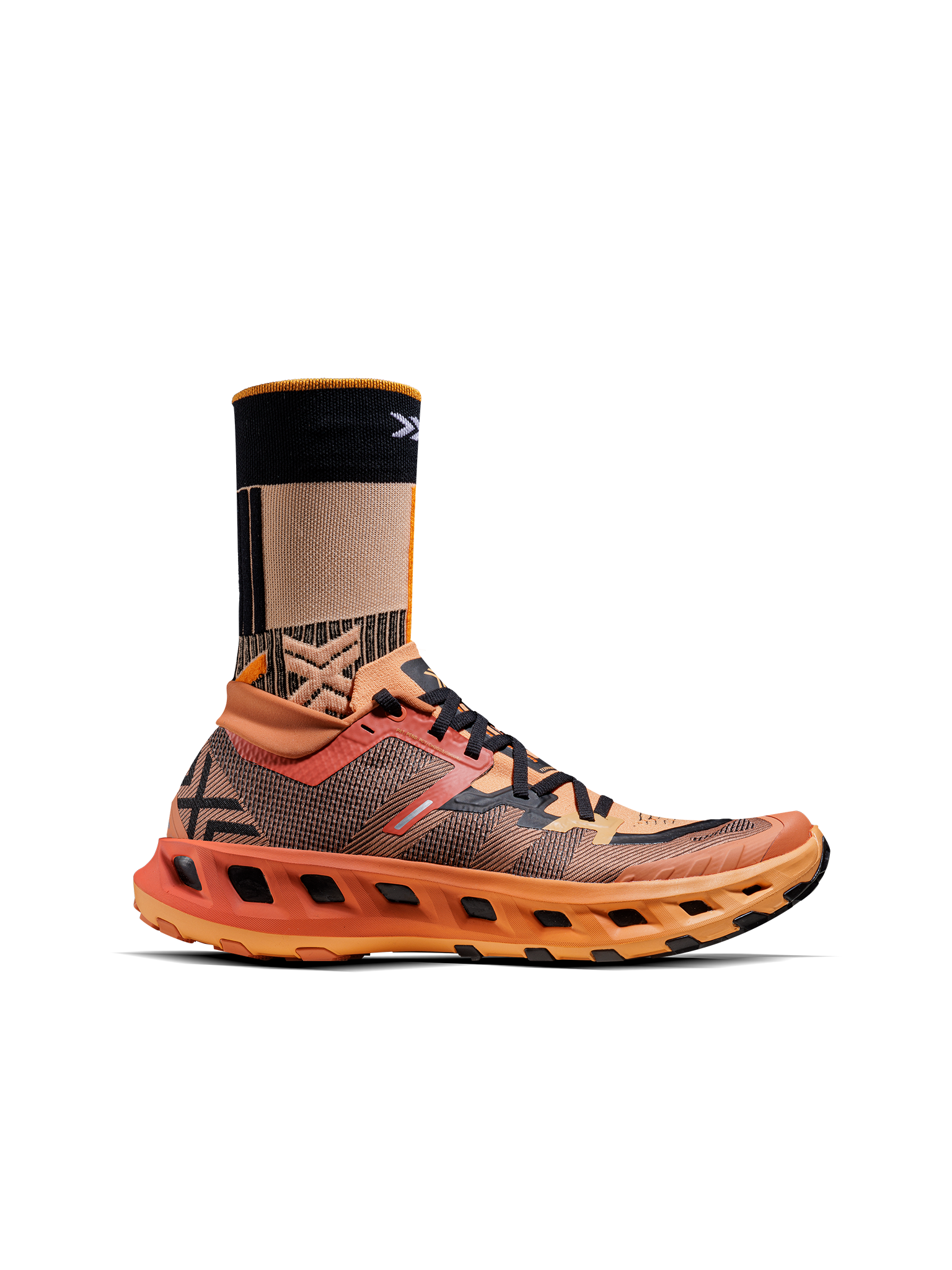
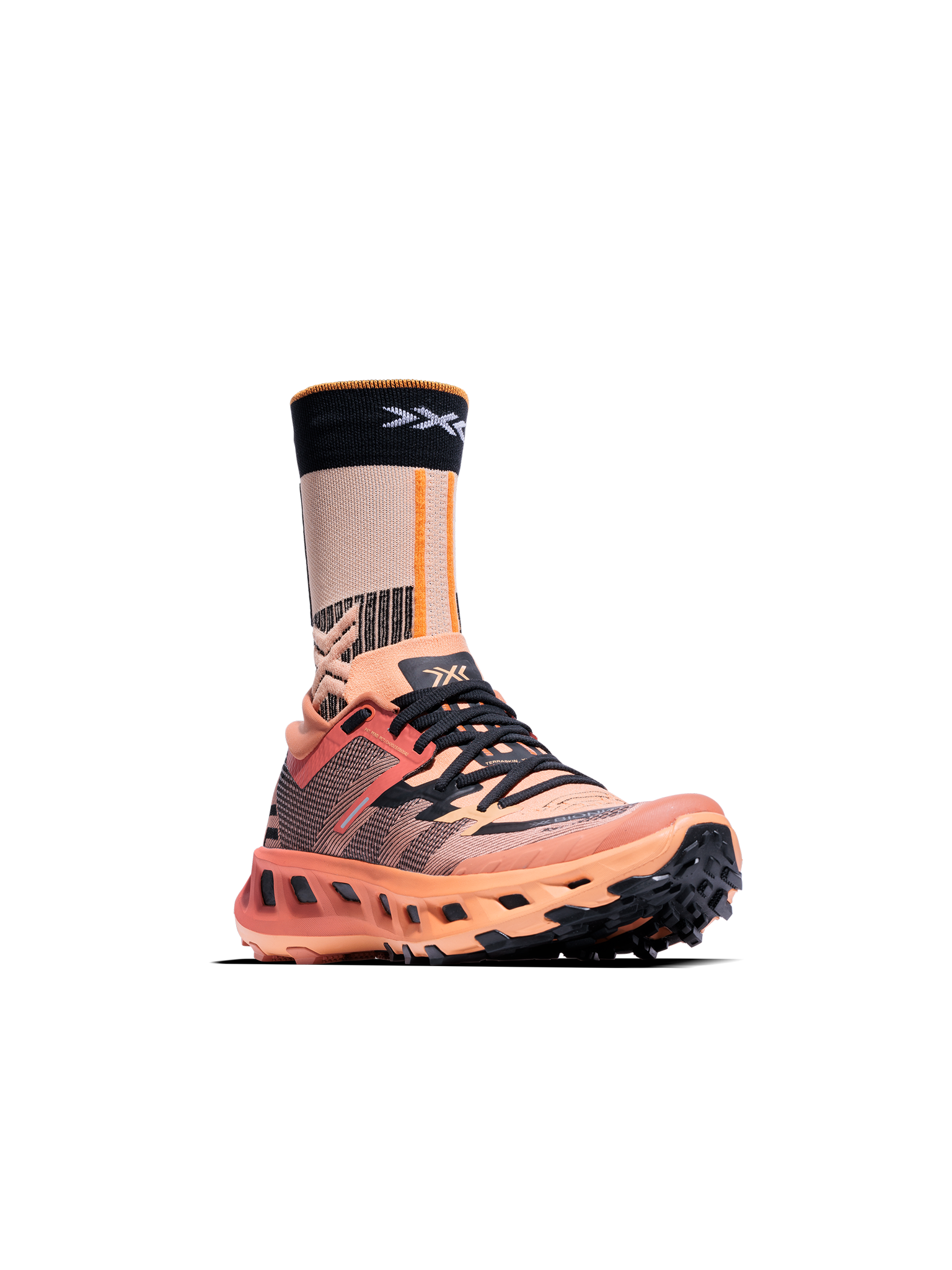
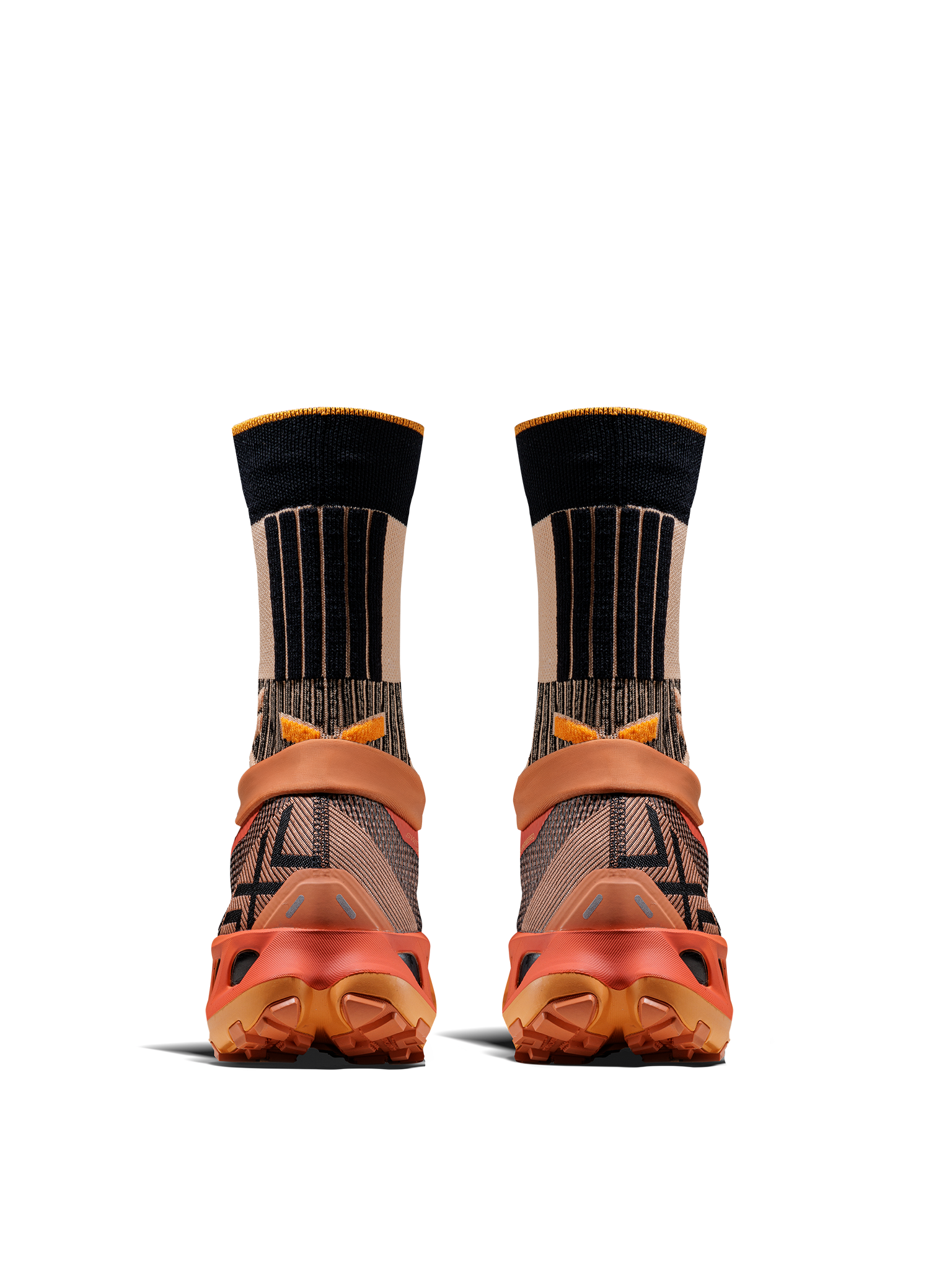
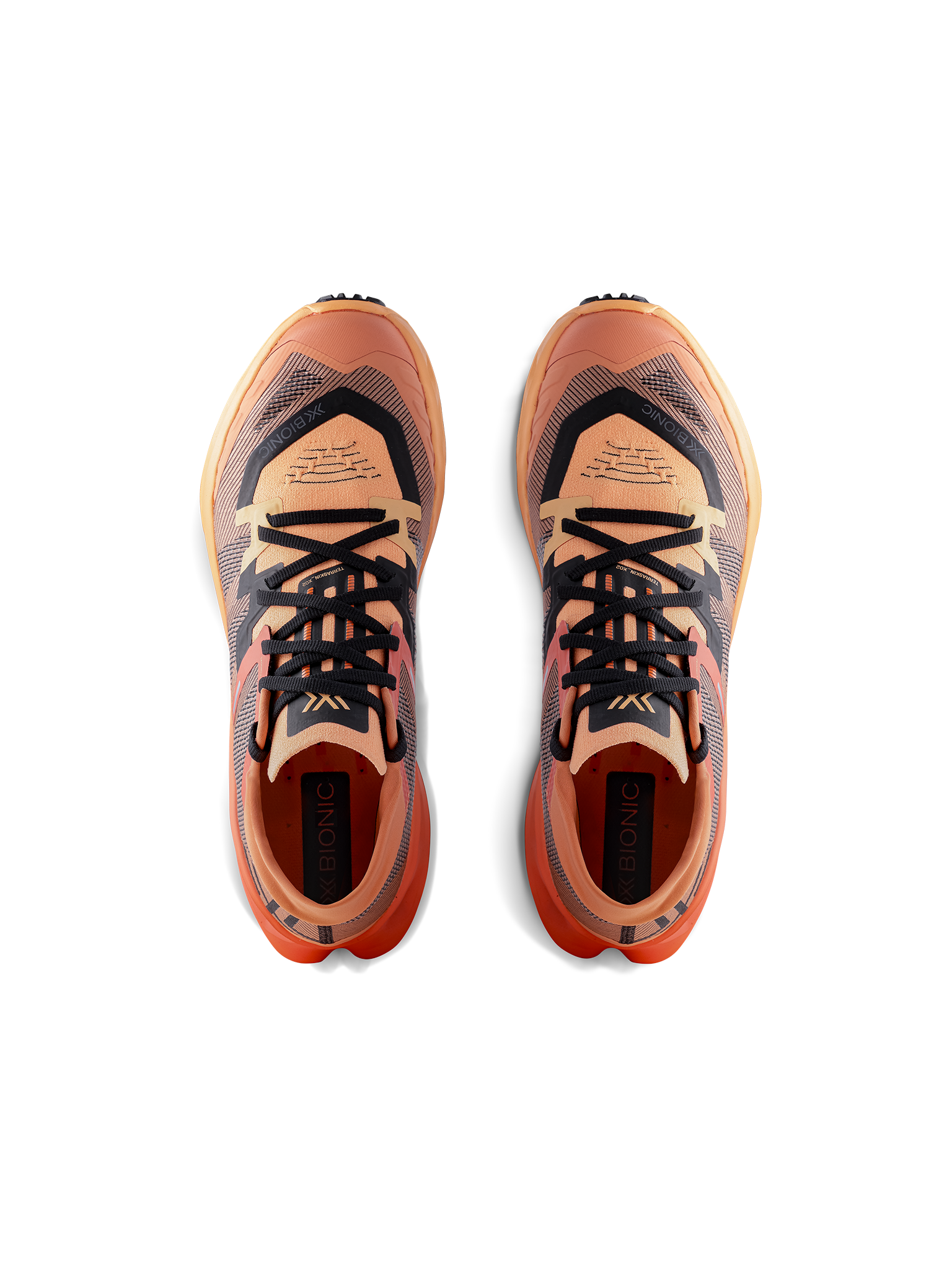
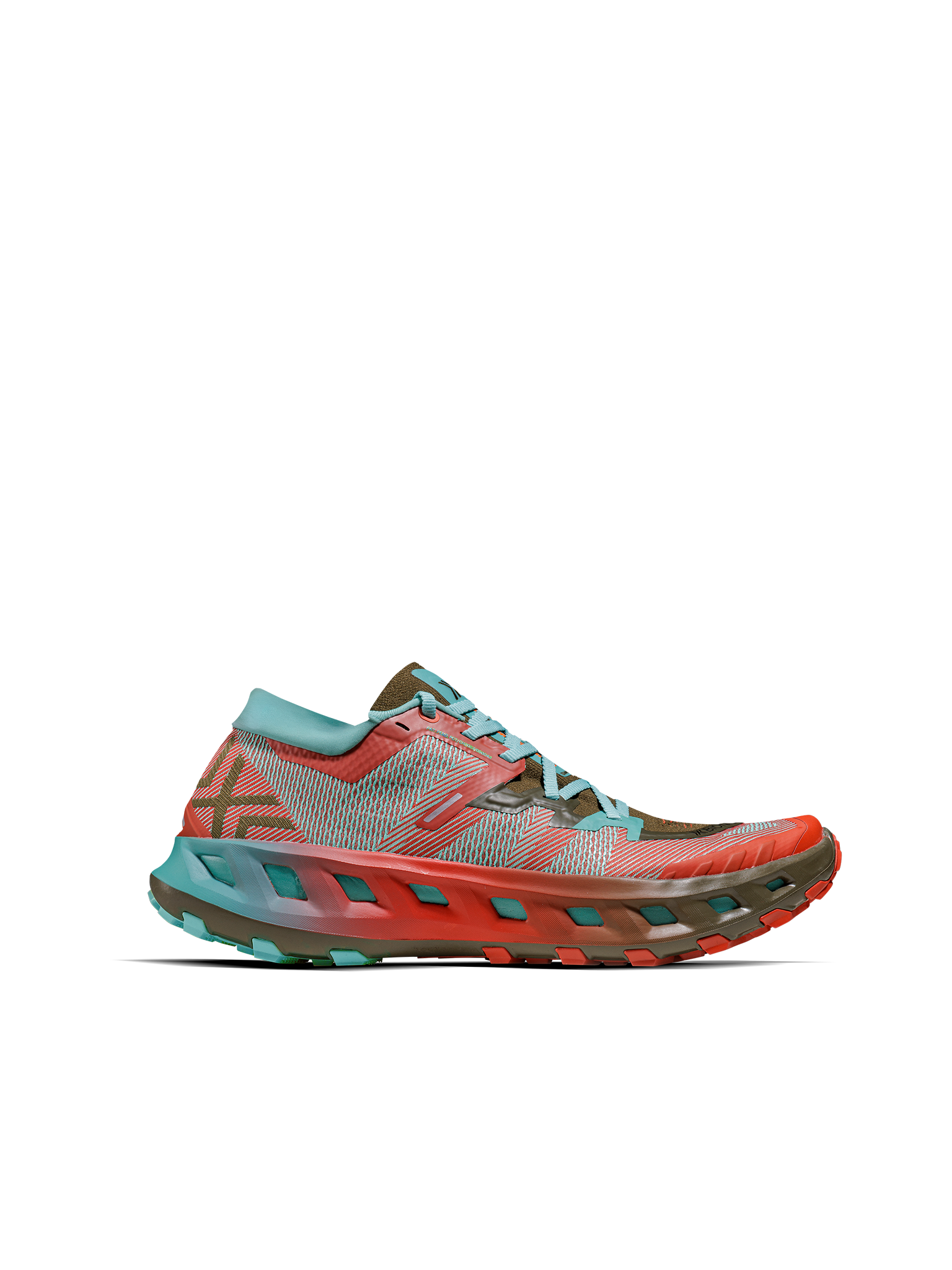
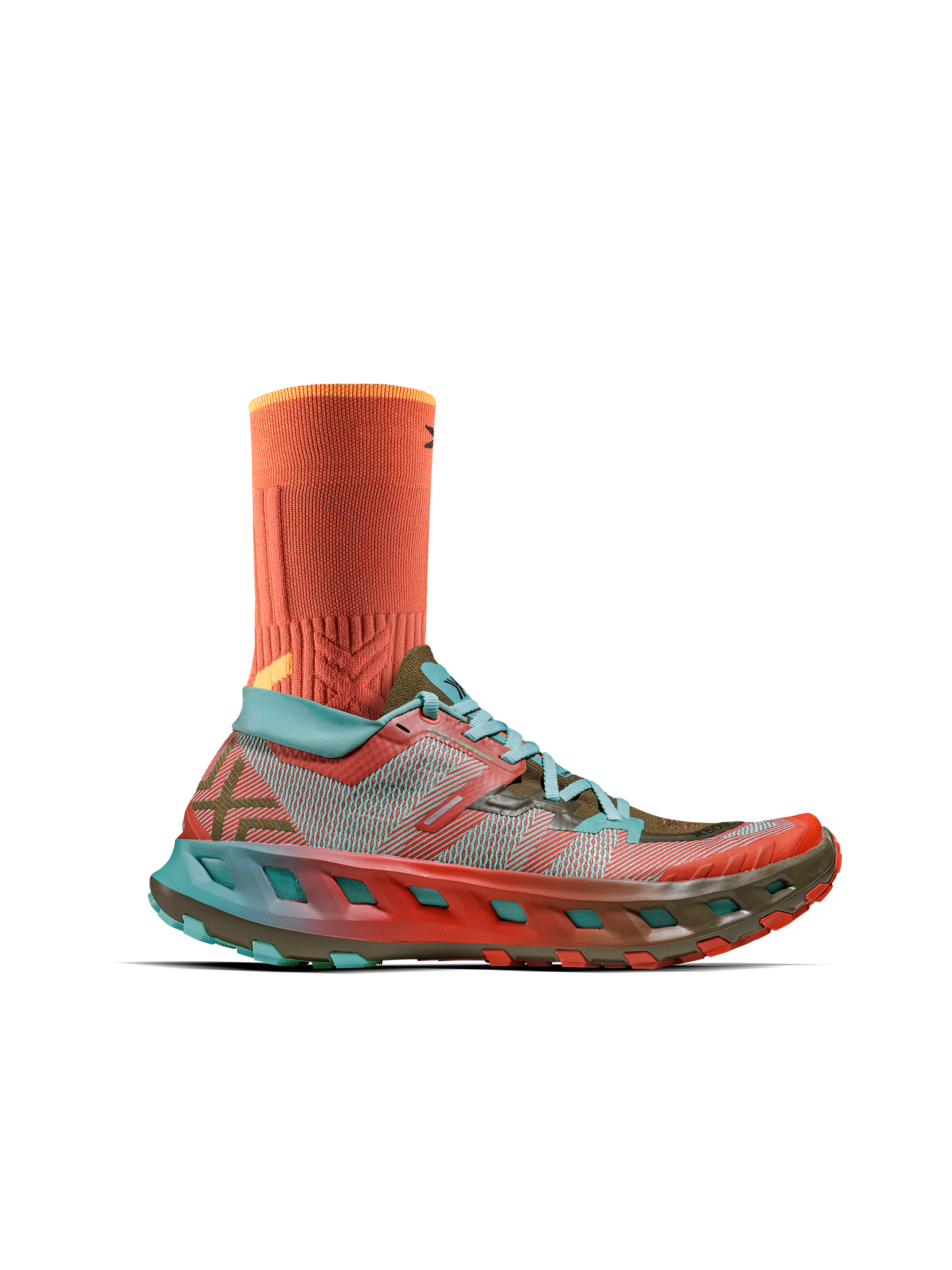
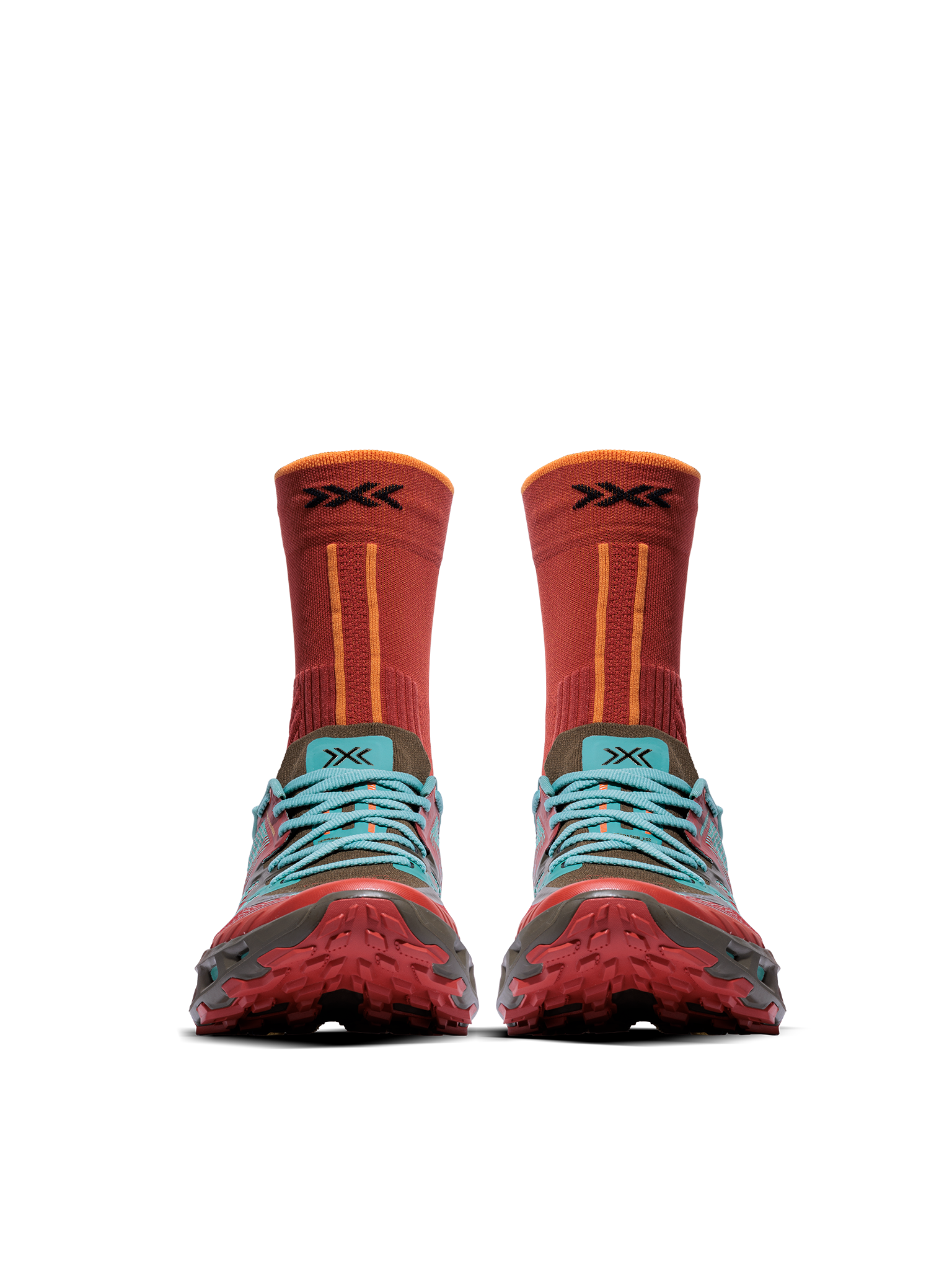
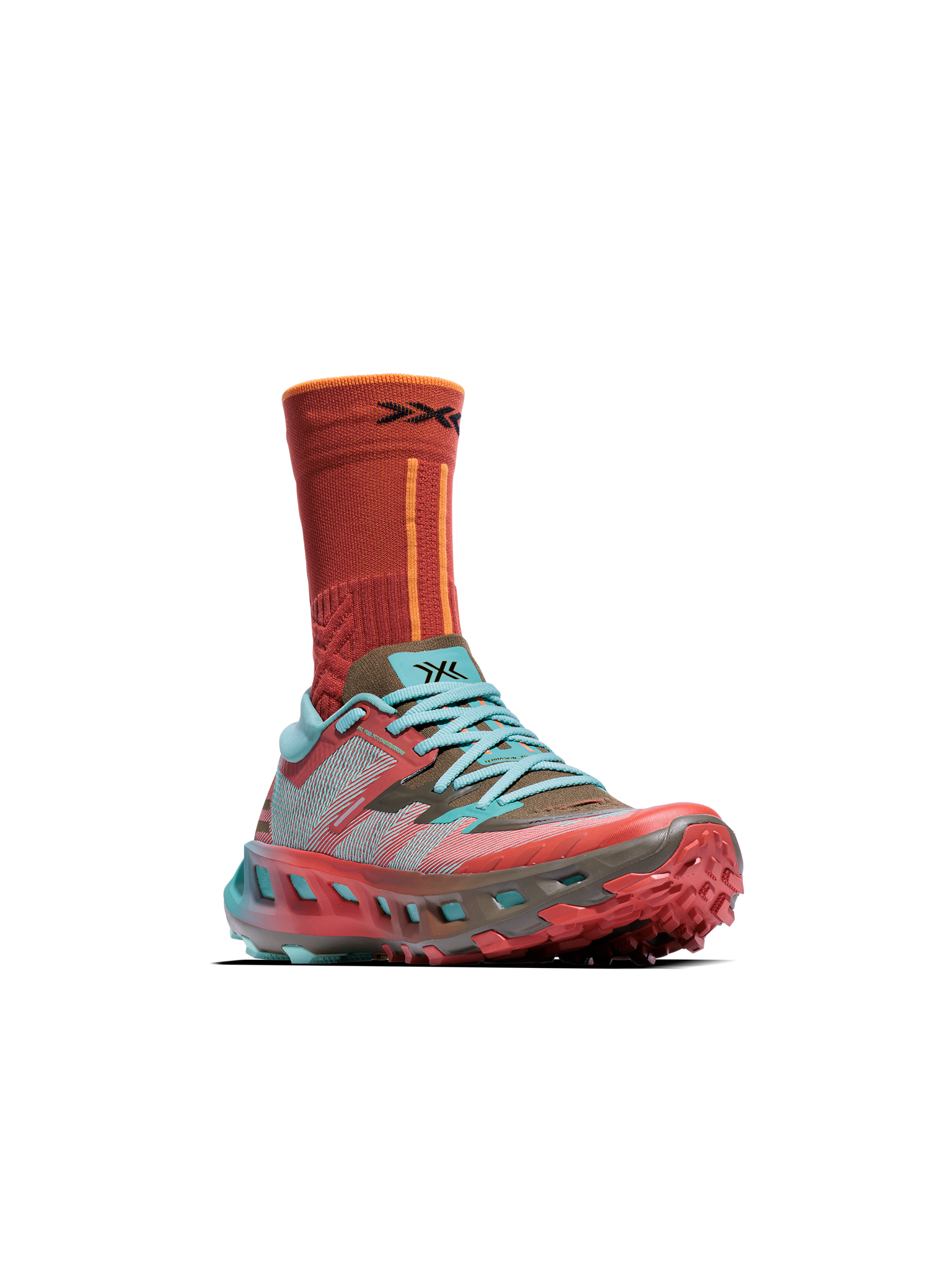
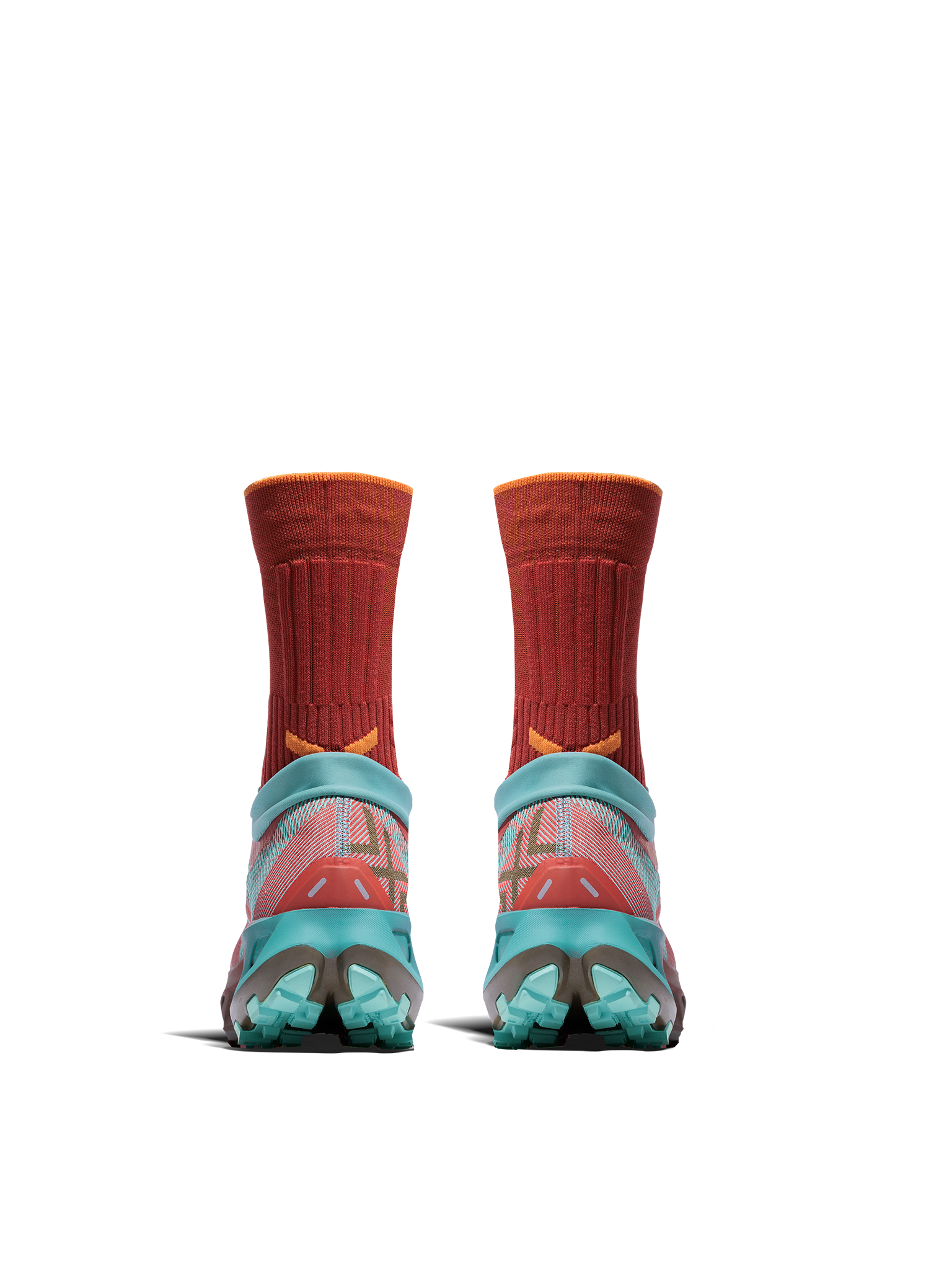
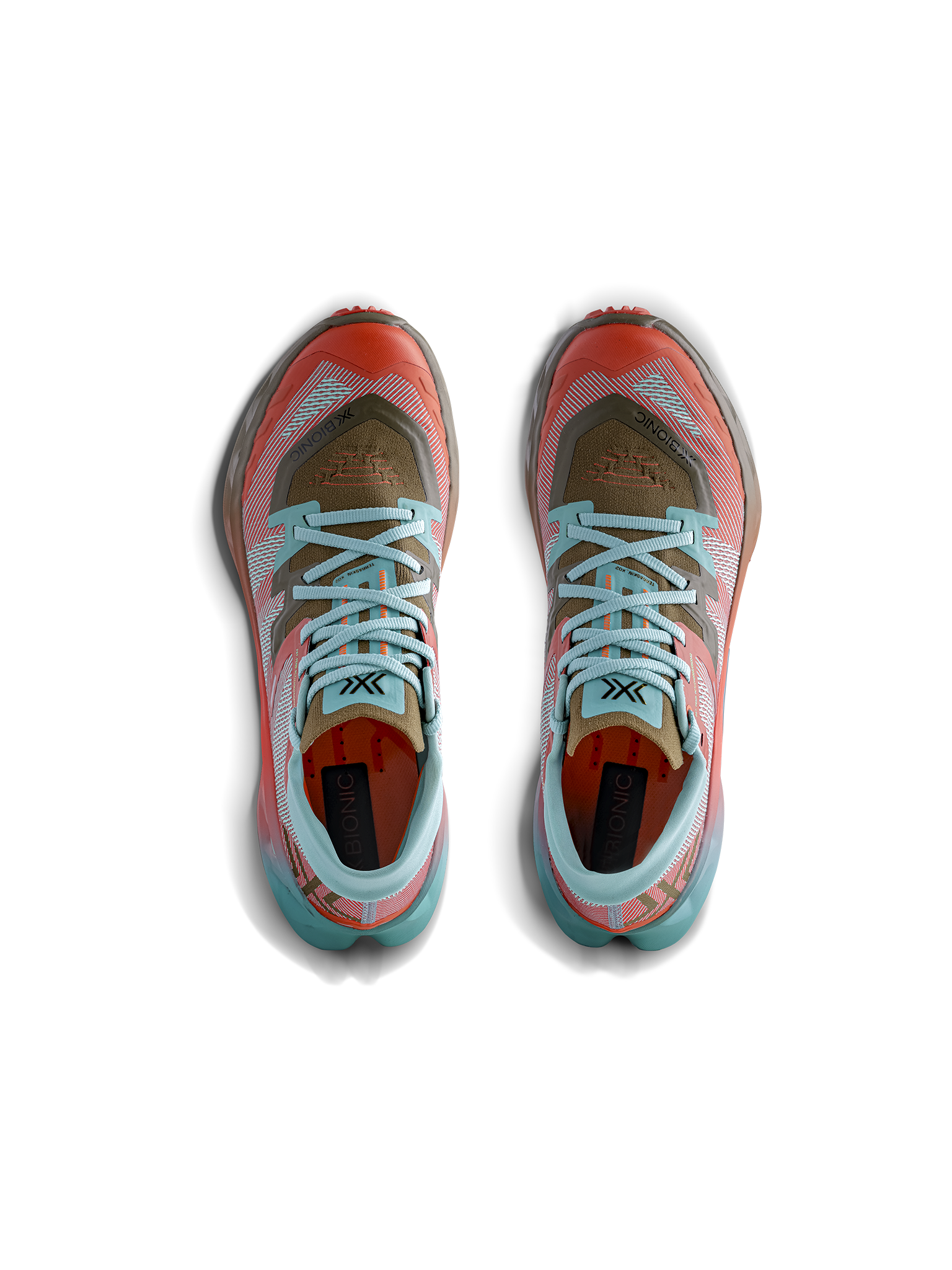
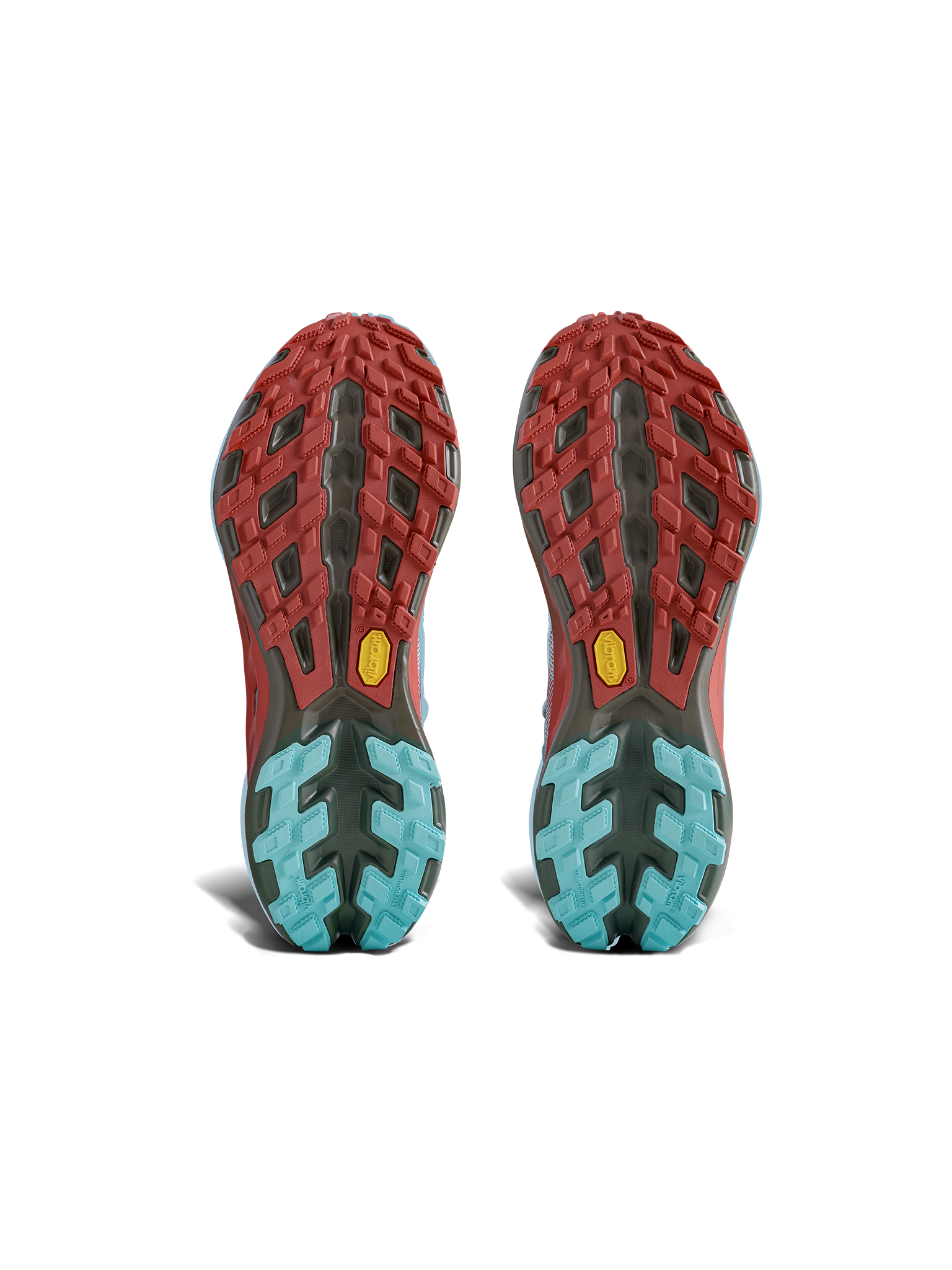
The Trail Running Shoe by X-Bionic for Every Terrain
A true trail run is unpredictable. Loose gravel. Wet roots. Steep climbs. Fast descent. If you want to find the best trail running shoe, you need more than hype. You need a trail running shoe engineered to deliver control, protection and efficiency on every trail.
Trail Running Shoe Technology – What Matters on Every Trail Run?
A modern trail running shoe must balance cushion, traction and durability. Unlike road running shoes, trail shoes are built for uneven terrain and rough terrain, not smooth asphalt.
Key components include:
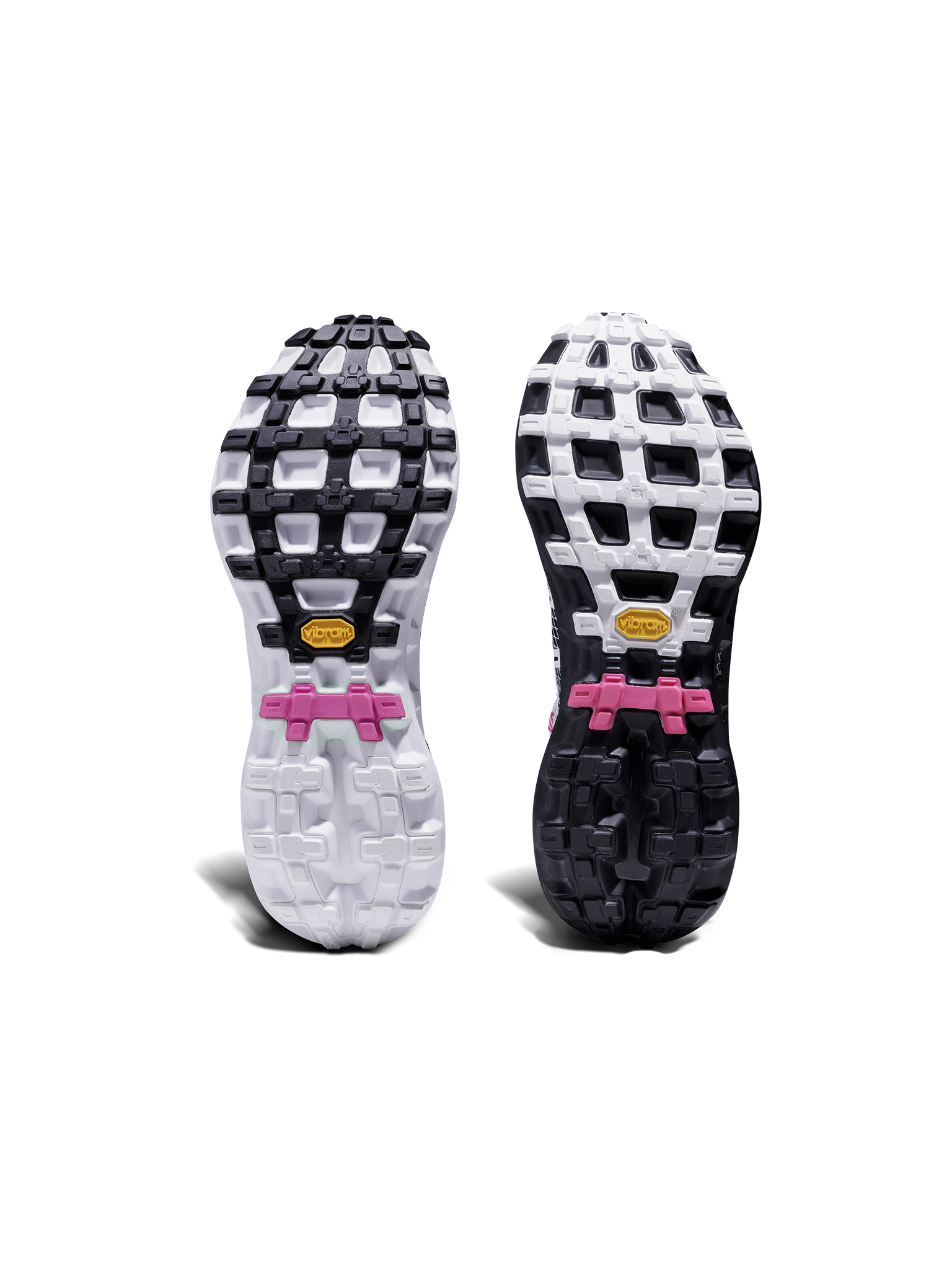
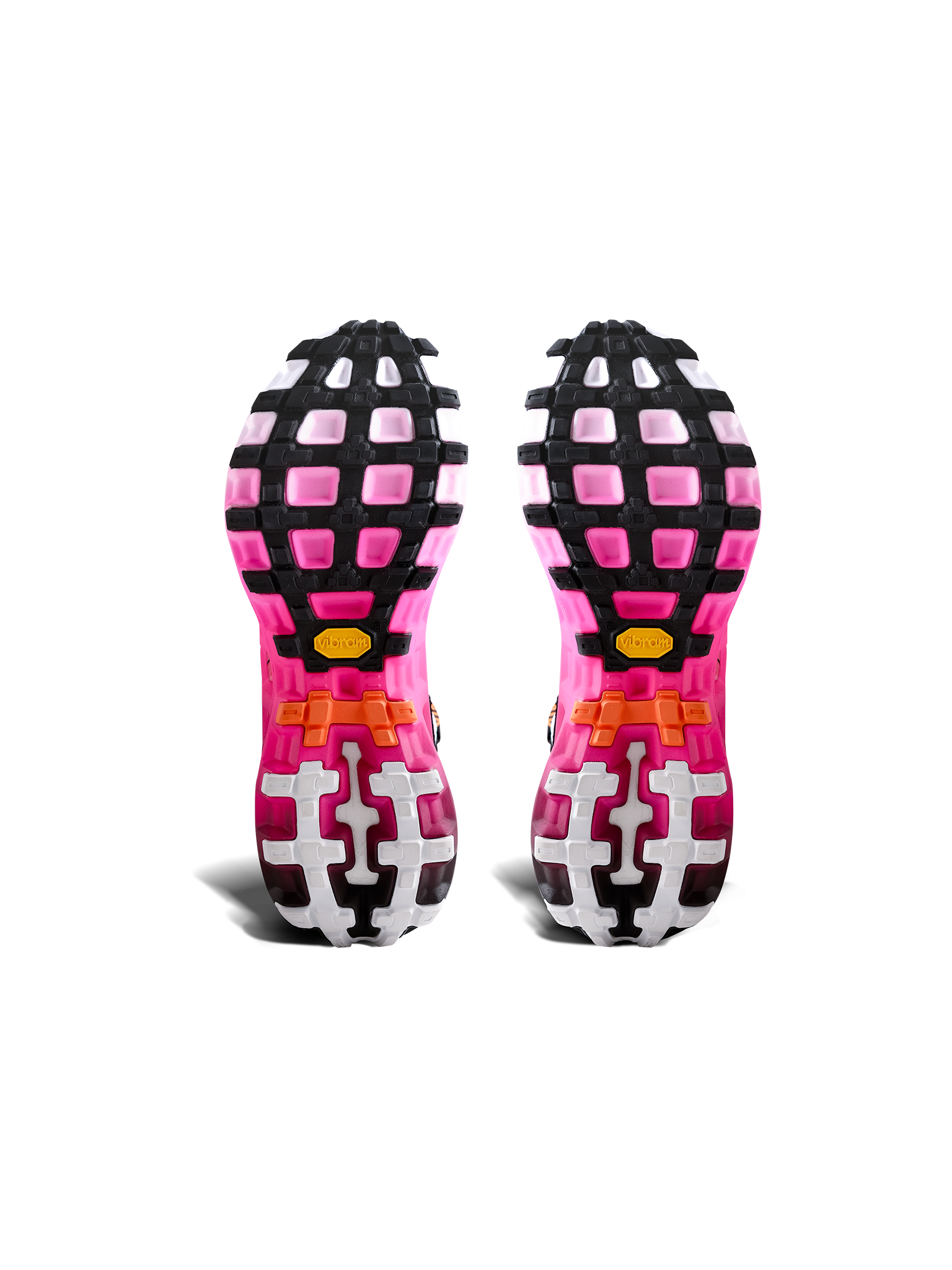
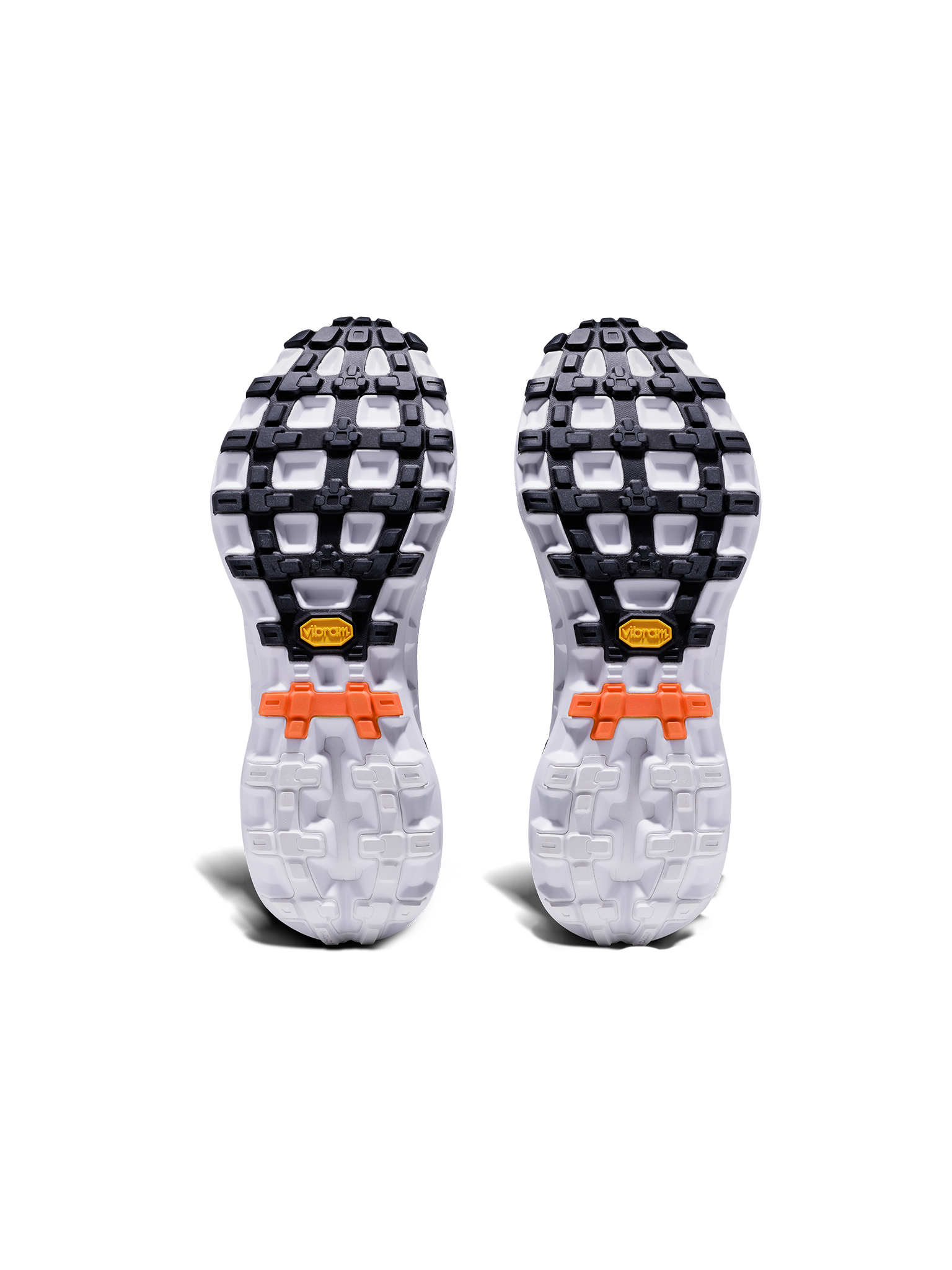
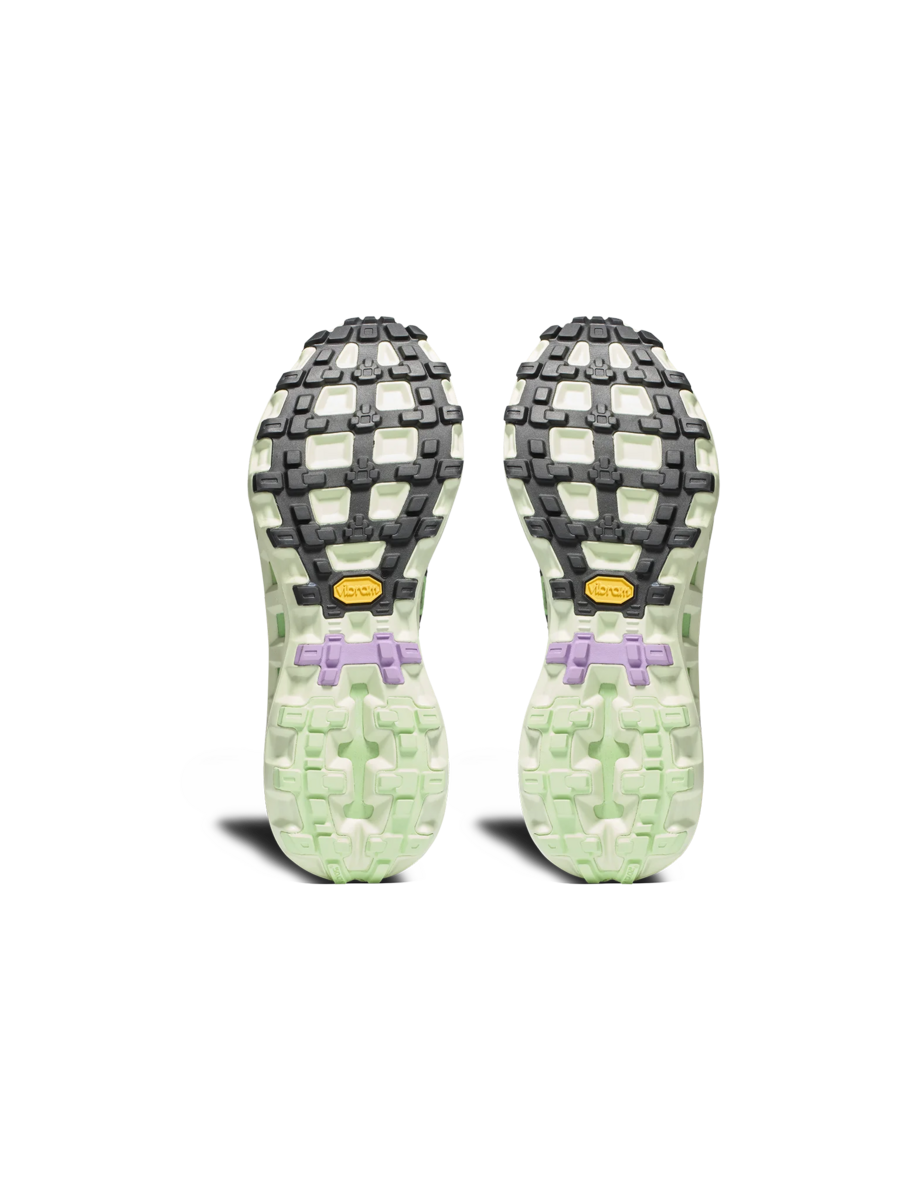
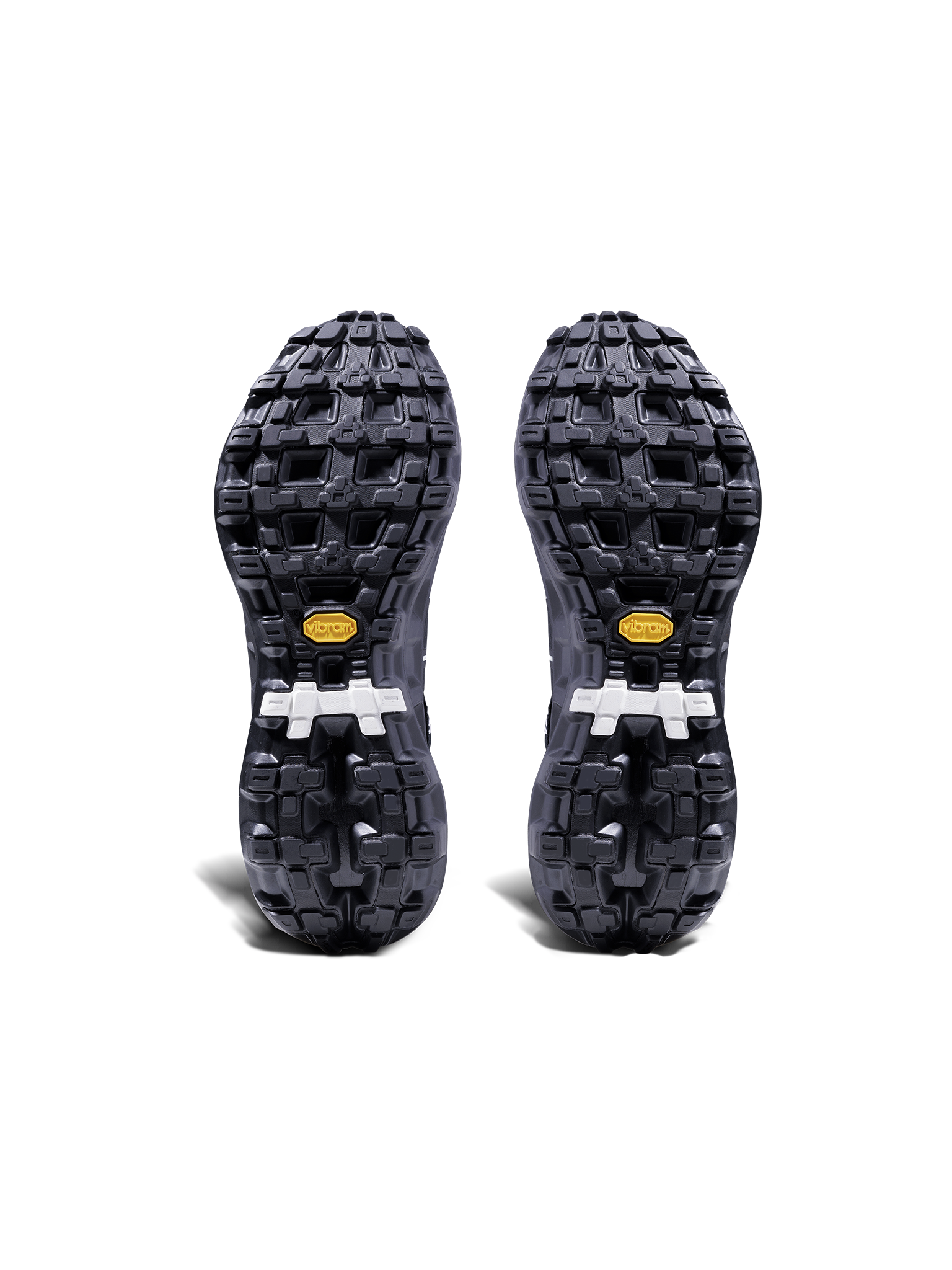
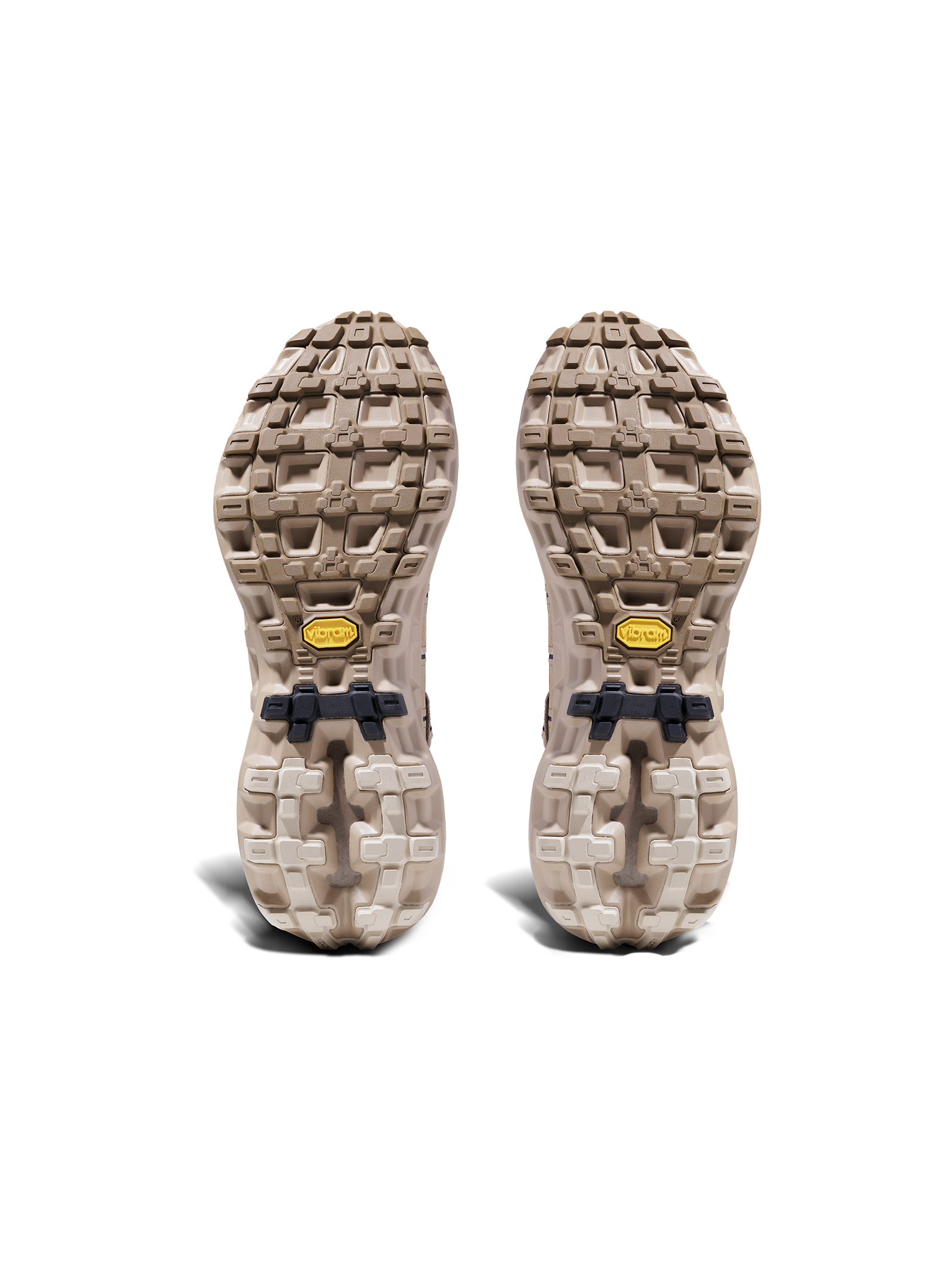
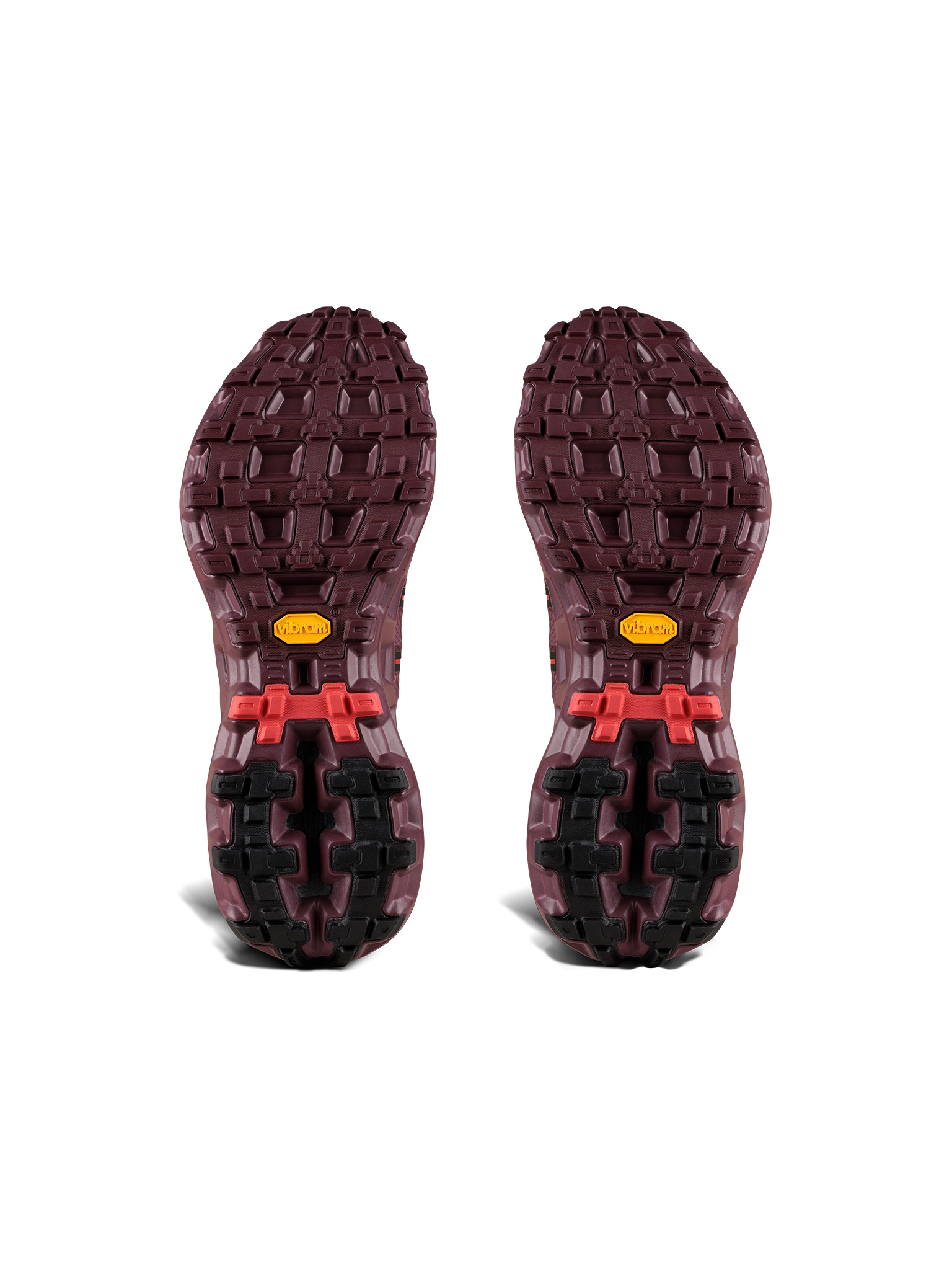
A protective outsole with aggressive lug design
A responsive midsole that delivers enough cushion without disconnecting you from the ground
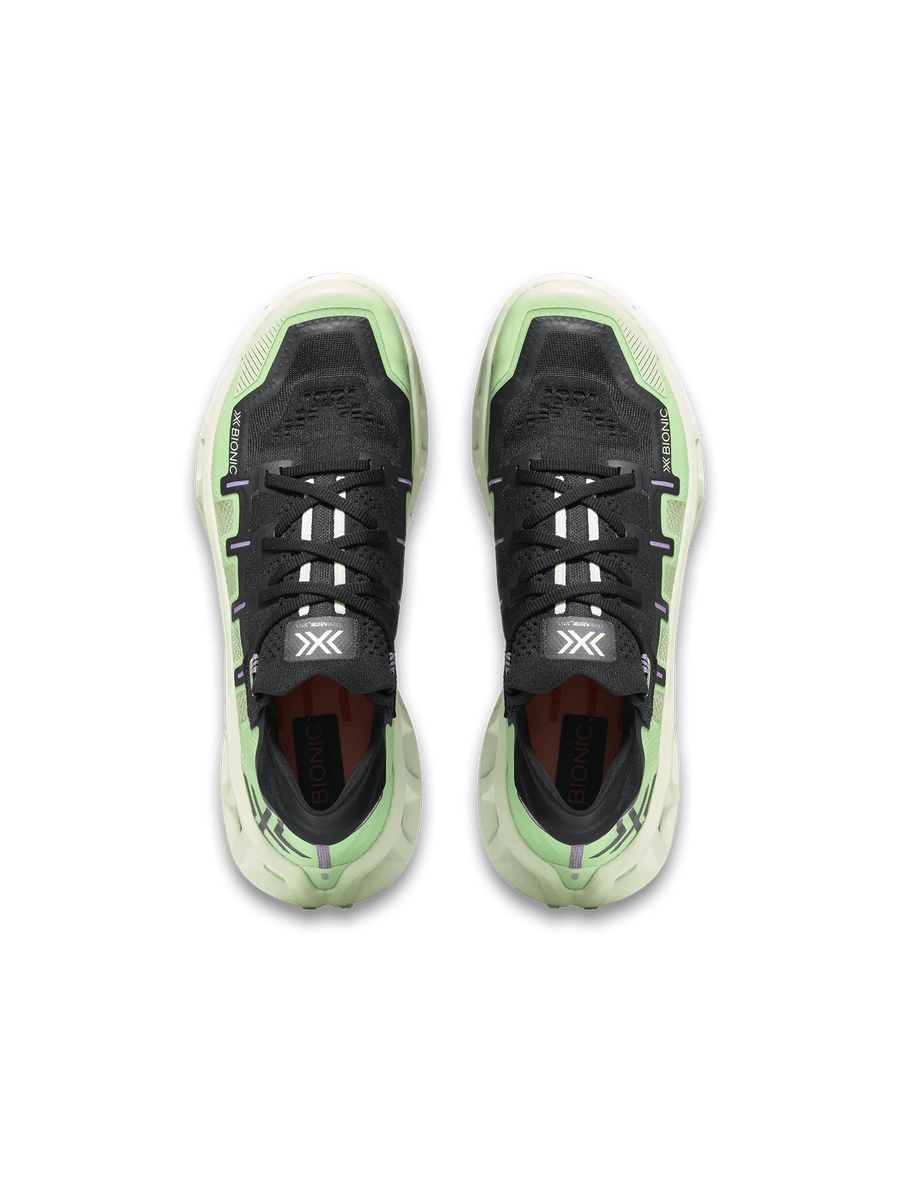
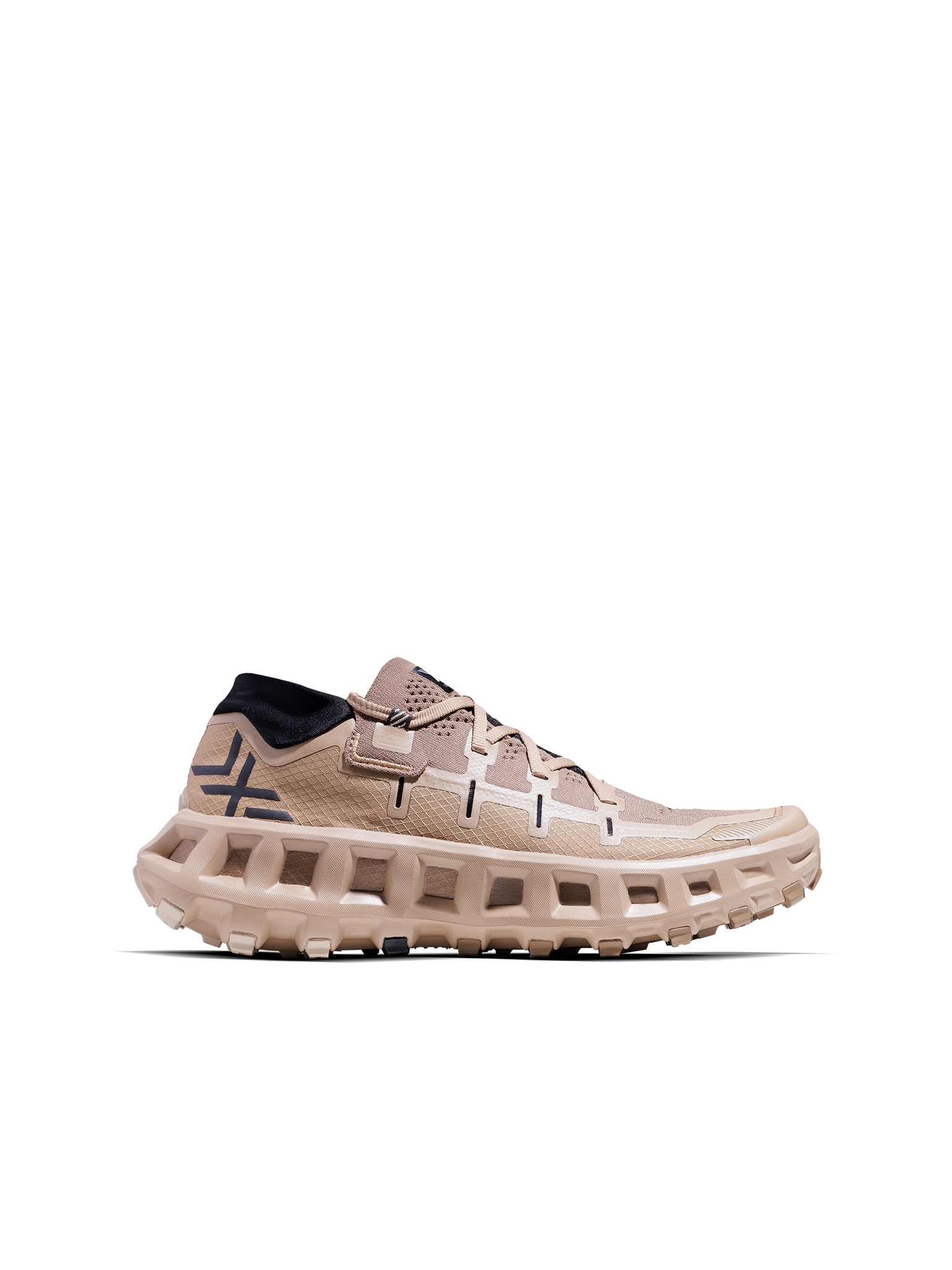
Reinforced uppers for durability in rugged terrain
Optional rock plates or ballistic rock shield elements for added protection
During testing trail running shoes, one thing becomes clear: shoes may look similar, but performance differs dramatically on uneven ground.
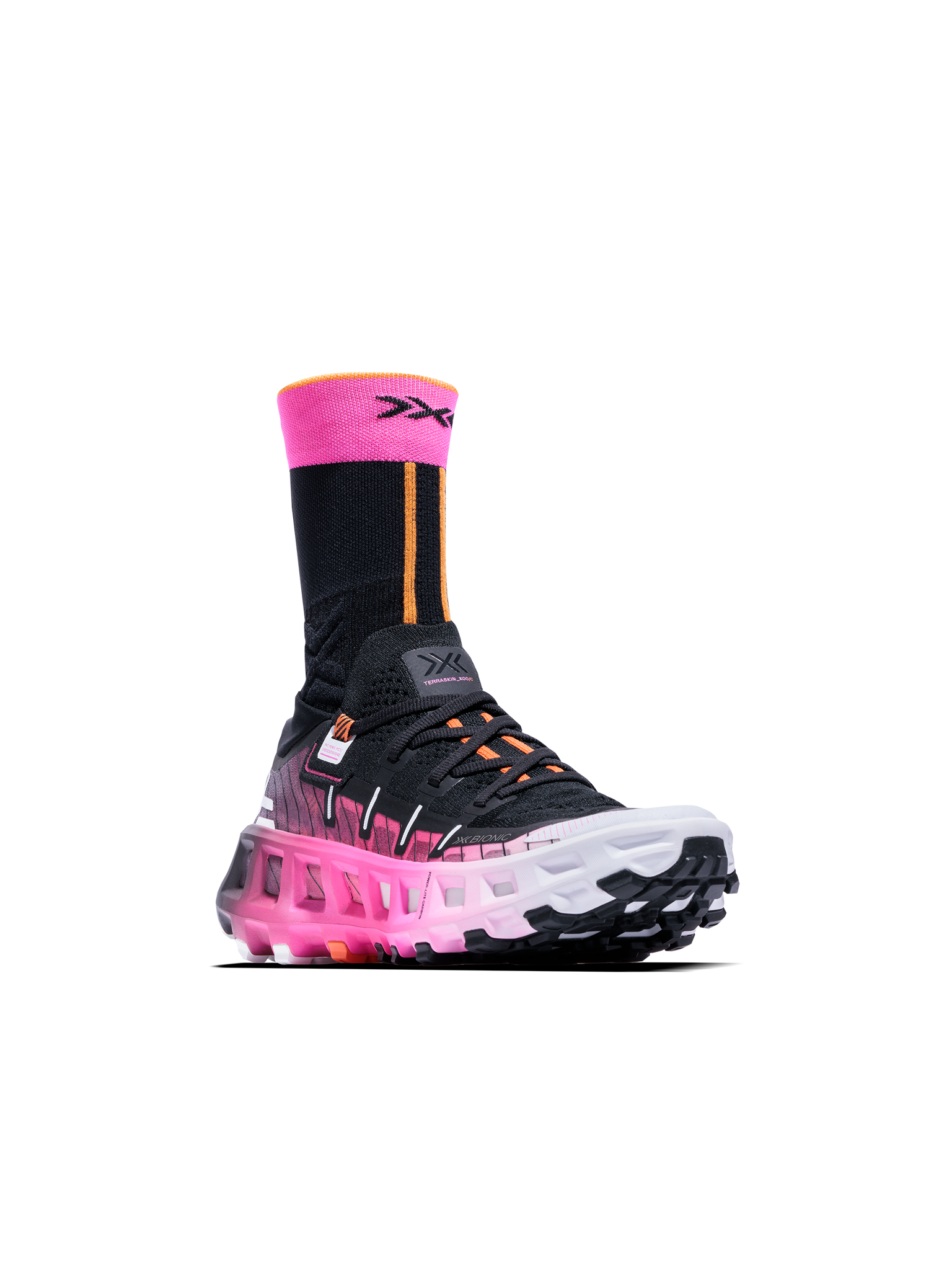
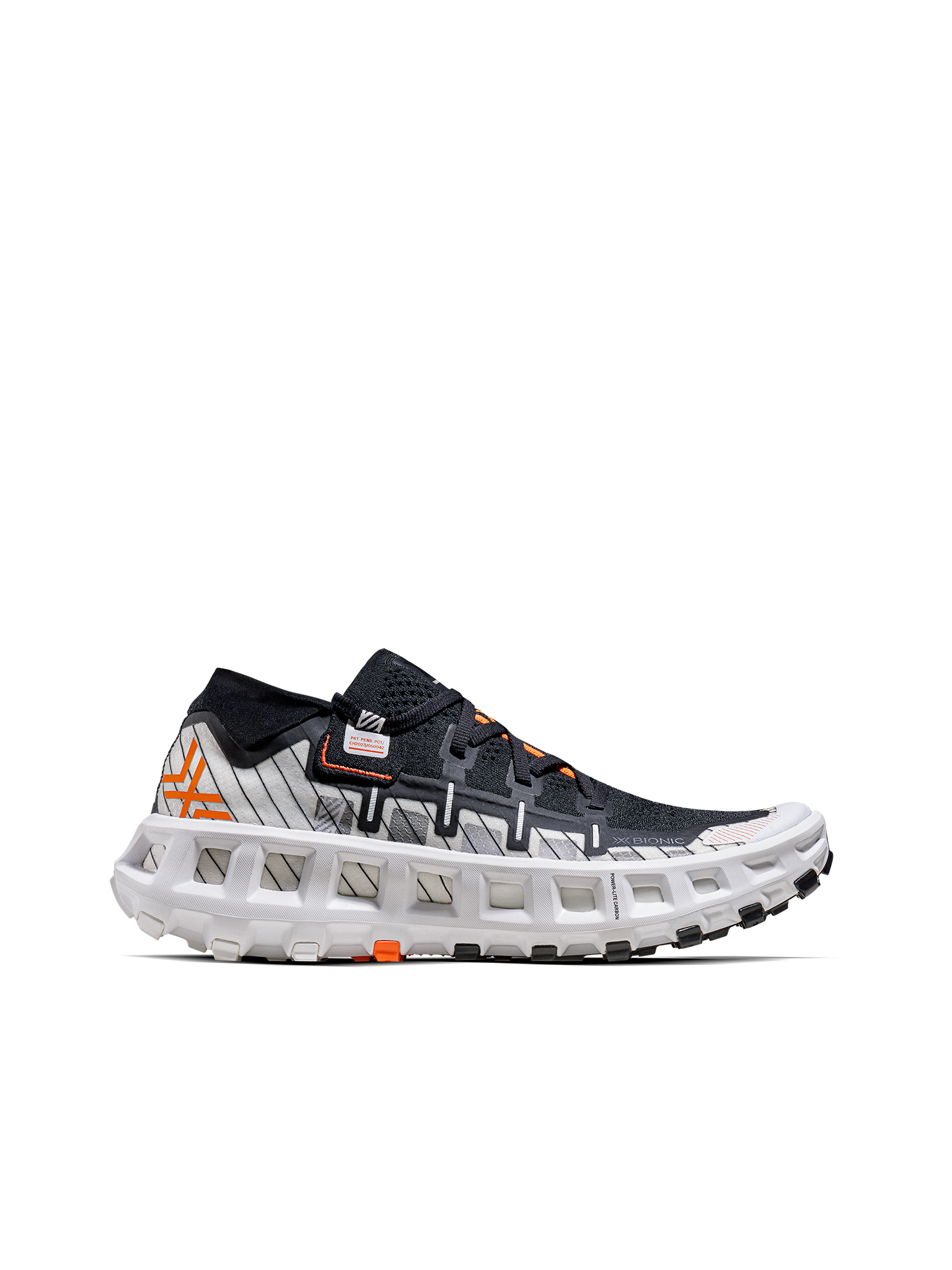
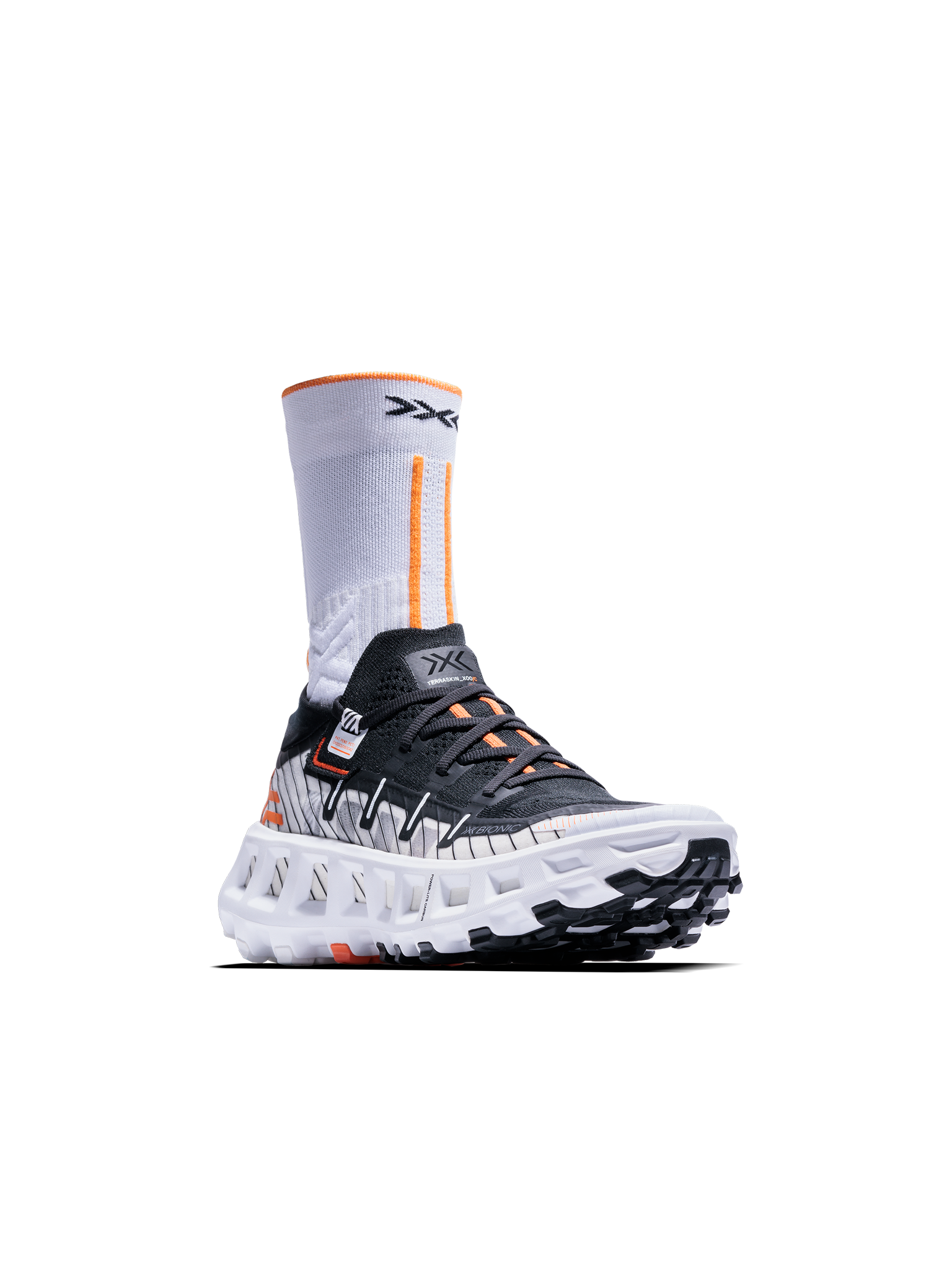
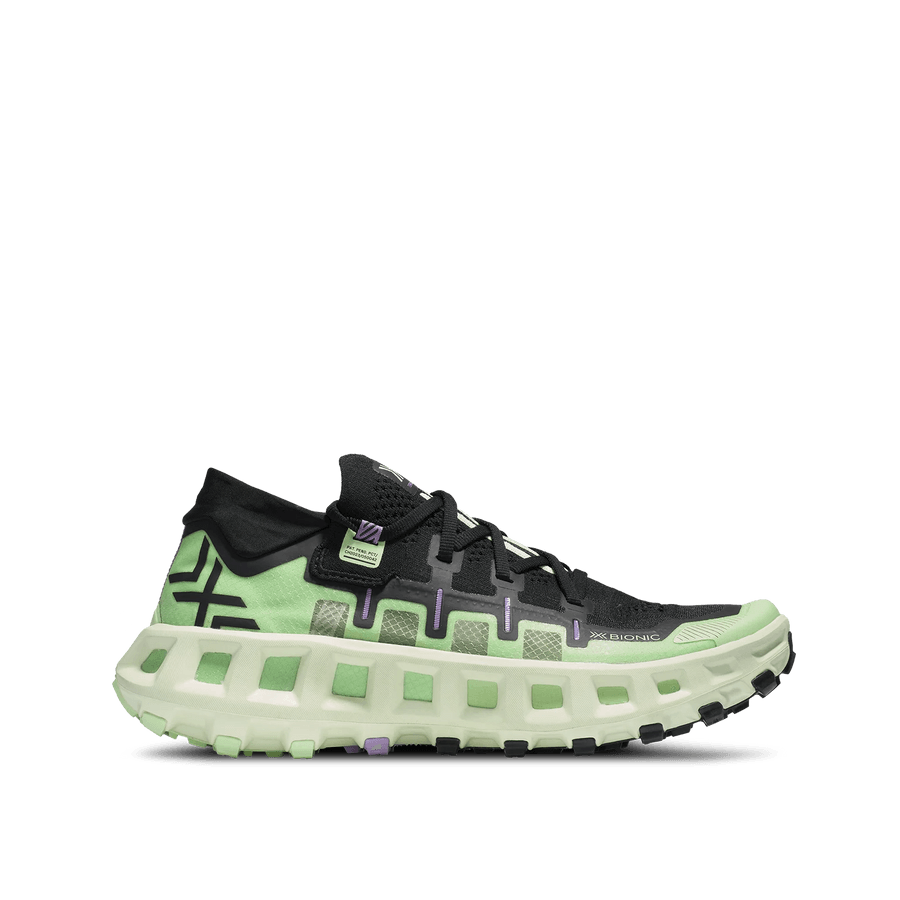
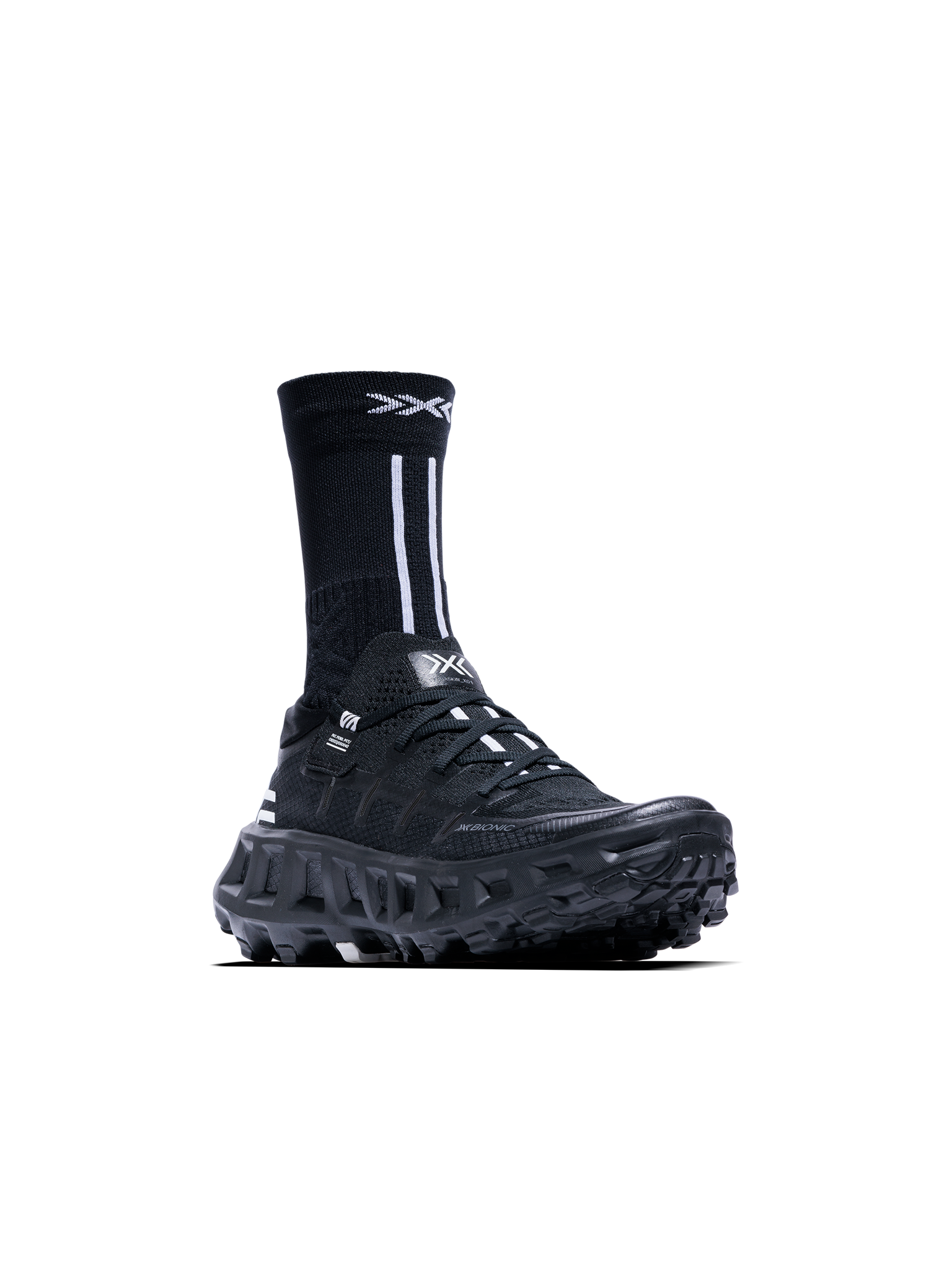
X-Bionic applies biomechanical precision to create a shoe that performs well without unnecessary bulk. The goal is protection and stability without sacrificing efficiency from heel to the toe.
Best Trail Running Shoe for Technical Terrain
If your typical trail run includes technical terrain, sharp rocks and steep descent sections, you need reliable traction and a secure fit.
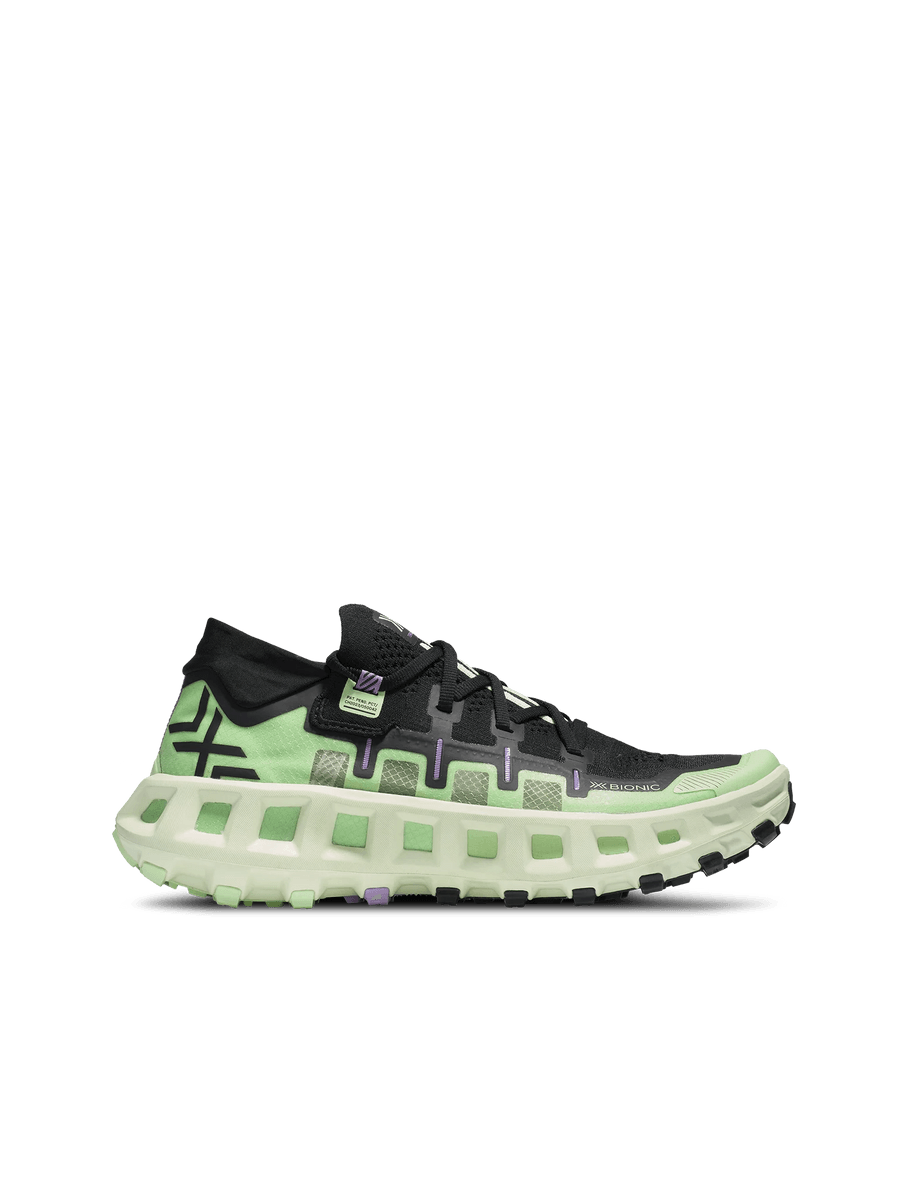
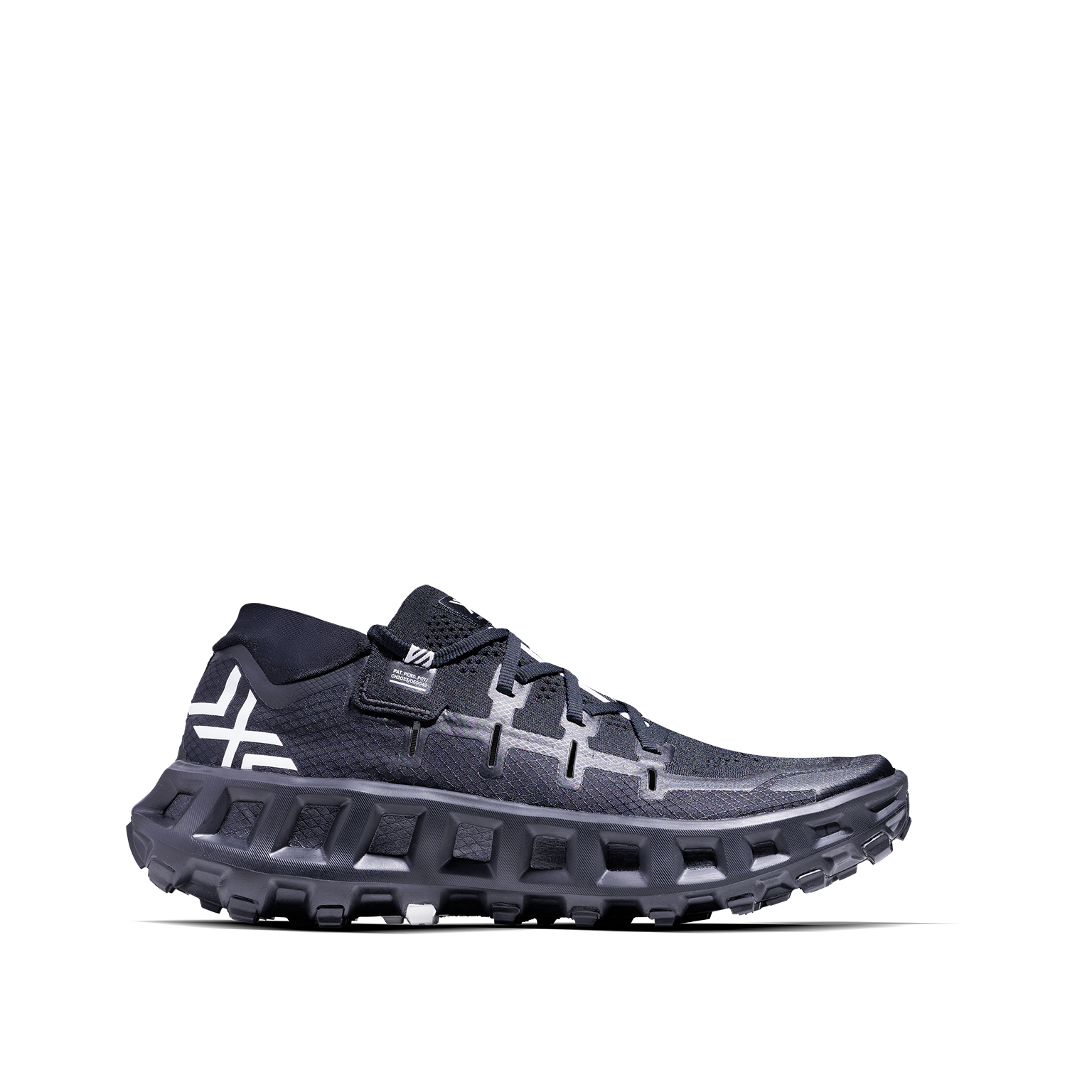
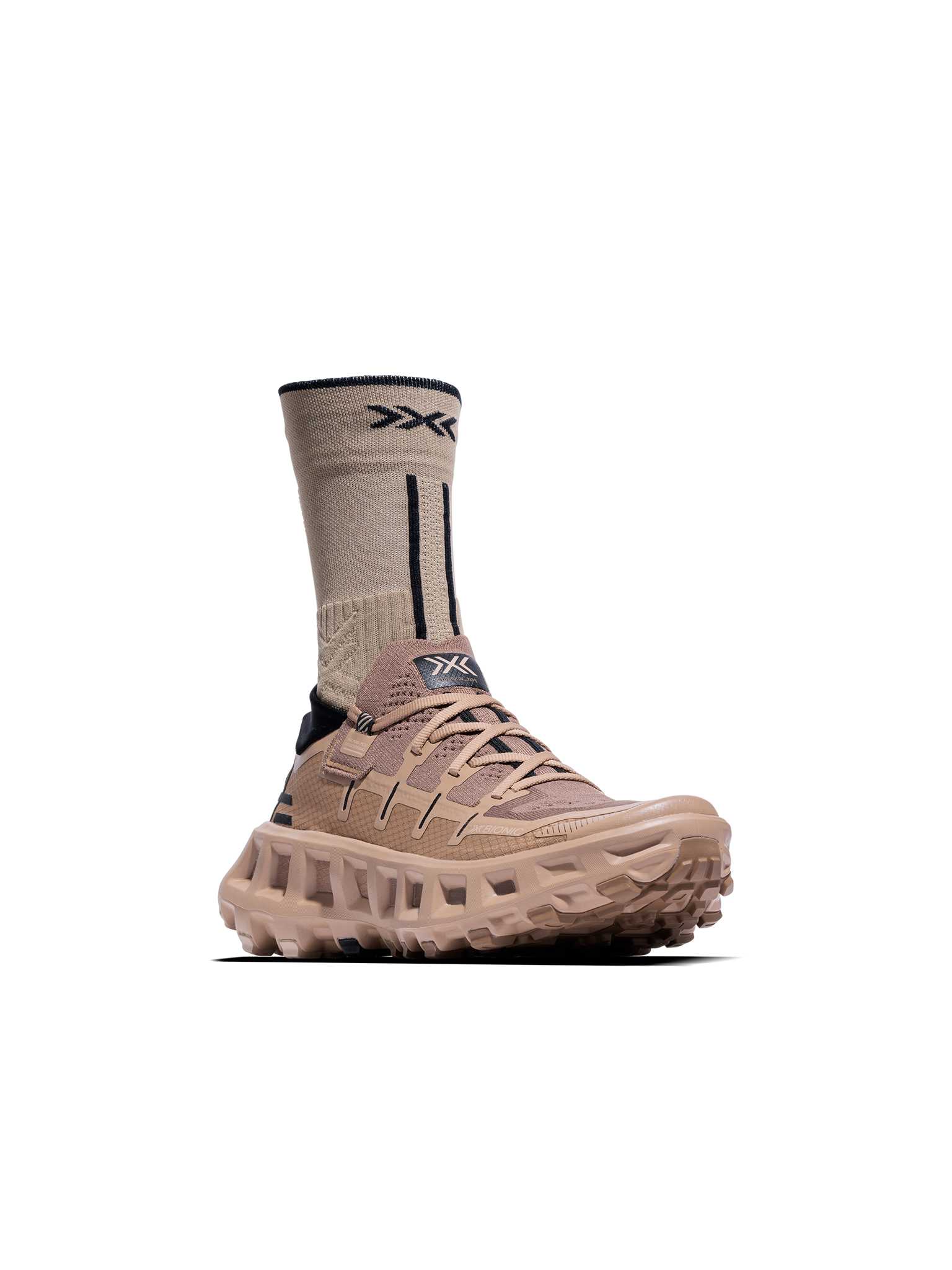
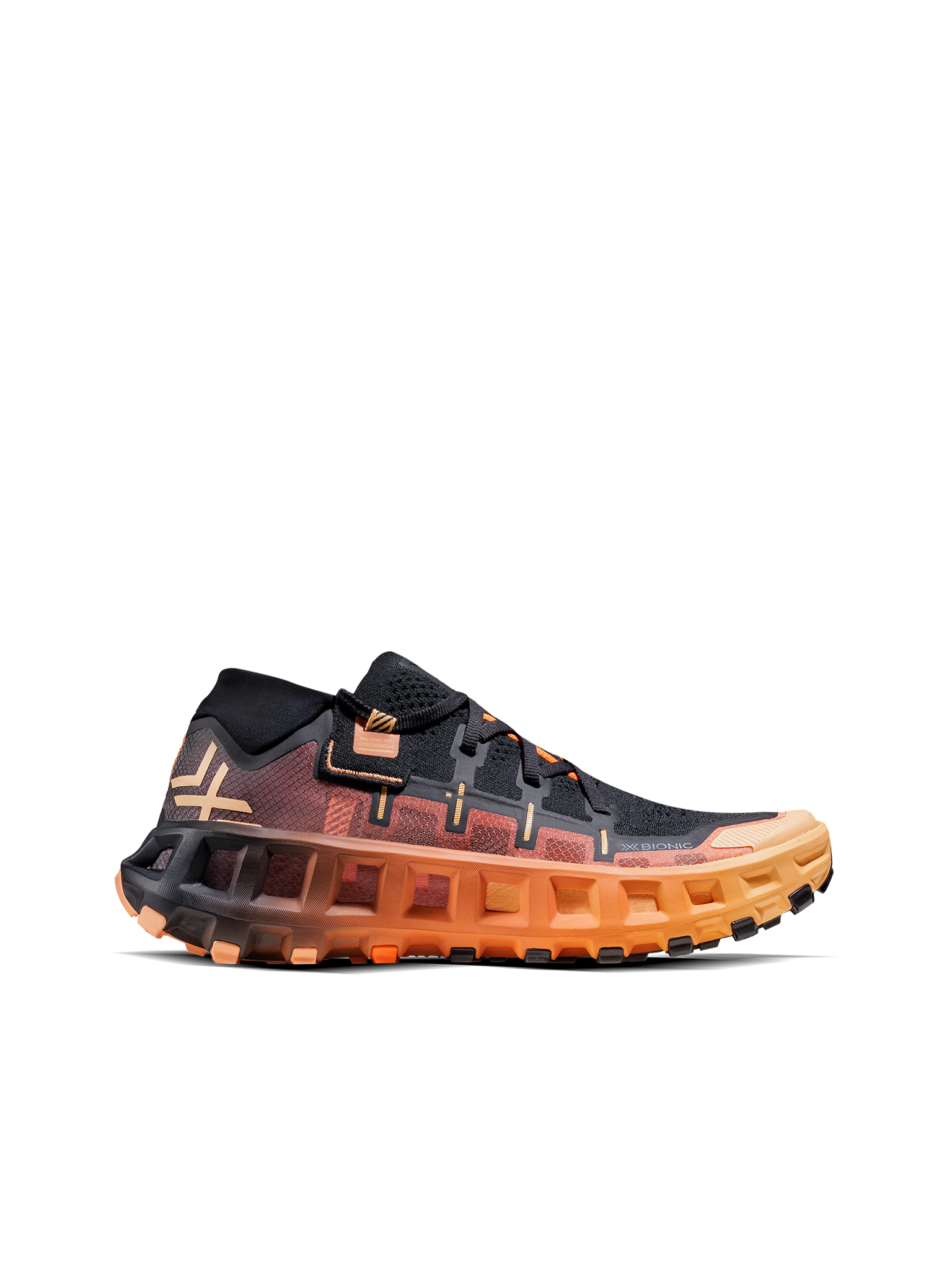
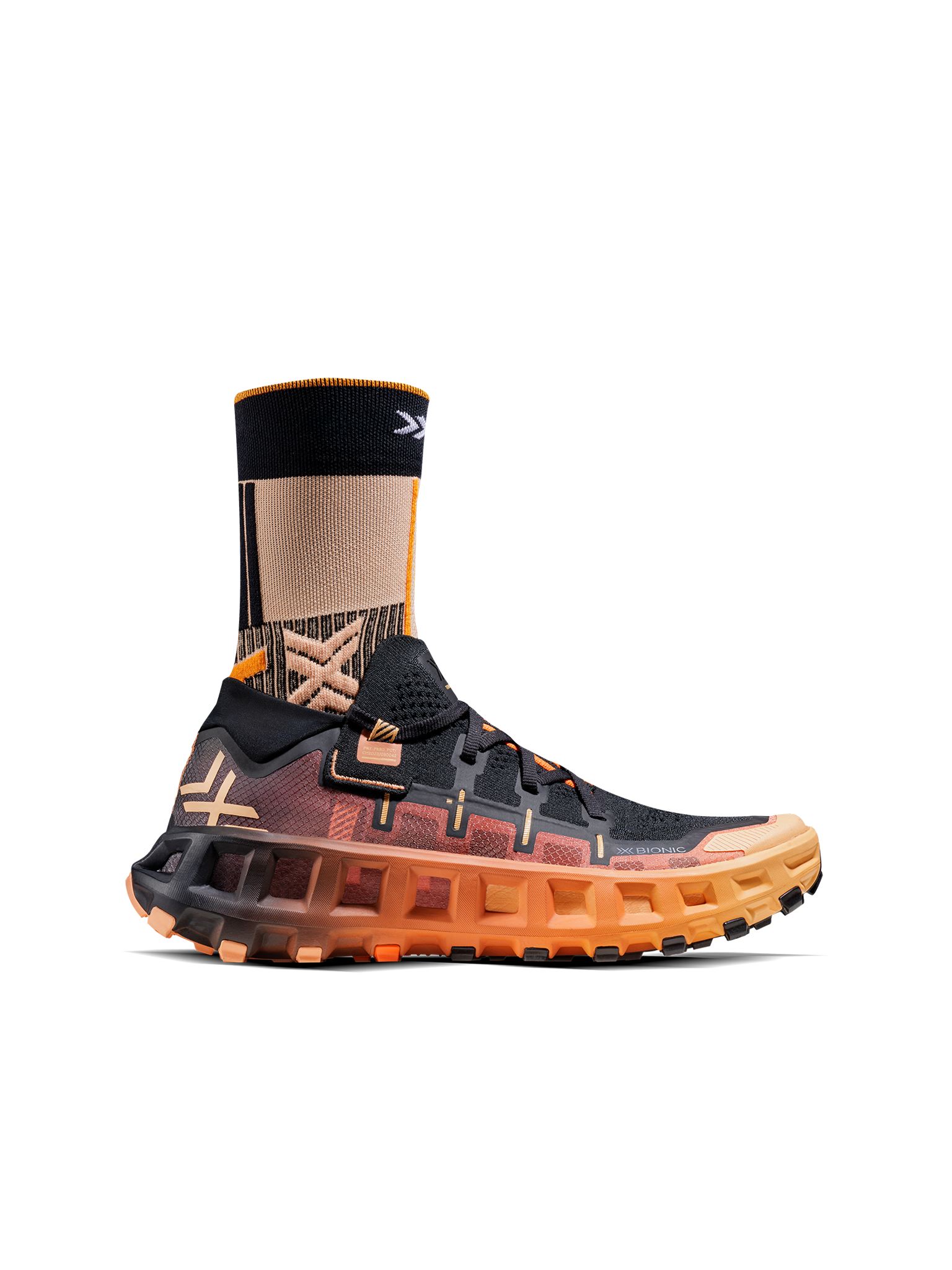
The Terraskin platform focuses on:
Grippy outsole geometry
Optimized midsole and outsole interaction
Controlled amount of cushioning for precise ground feedback
Compared to models like the hoka speedgoat or the speedgoat line in general, X-Bionic emphasizes natural motion over maximal cushion. While the speedgoat is known for plenty of cushioning and vibram grip on wet surfaces, Terraskin delivers a more direct feel.
If you regularly run in rugged terrain, choose a durable shoe that can handle rocks and roots without feeling unstable.
Cushion vs. Control – How Much Cushion Do You Really Need?
Cushion is often misunderstood. More cushion does not automatically mean better performance.
For ultra trail distances, you may prefer more cushioning to reduce fatigue. For shorter, faster efforts, a lighter trail running shoe with moderate cushion improves responsiveness.
X-Bionic takes a different approach: engineered efficiency. Not maximalist. Not minimalist. Just the right amount of cushioning for performance-driven trail runners.
Road-to-Trail – One Shoe for Everything?
Many athletes look for a road-to-trail solution – a shoe for every surface. But be honest: road shoes are built differently. Road running shoes focus on smooth transitions and pure cushion.
A true road-to-trail trail running shoe must adapt from pavement to light trail sections without compromising traction.
If your trail run includes mixed surfaces, choose an everyday trail shoe with moderate lug depth and flexible cushioning. It should keep your feet stable while still feeling efficient on asphalt.
Different Philosophies. Different Outcomes.
Most trail running shoes compete on:
More cushioning
Softer ride
Higher stack
This works — especially for long distances and fatigue reduction.
But more foam does not automatically mean more performance.
Best Lightweight vs. Ultra Trail Protection
If you are searching for the best lightweight option, weight matters. A lightweight trail running shoe increases turnover and efficiency.
For ultra trail events, durability and cushion become more important. You need a shoe that can handle hours of stress without breakdown.
Terraskin models are engineered to bridge that gap: lightweight construction with structural reinforcement where it counts.
Fit, Toe Box and Shoe Size
The right shoe size is critical. Many trail runner athletes size up half a size for downhill control.
Look for:
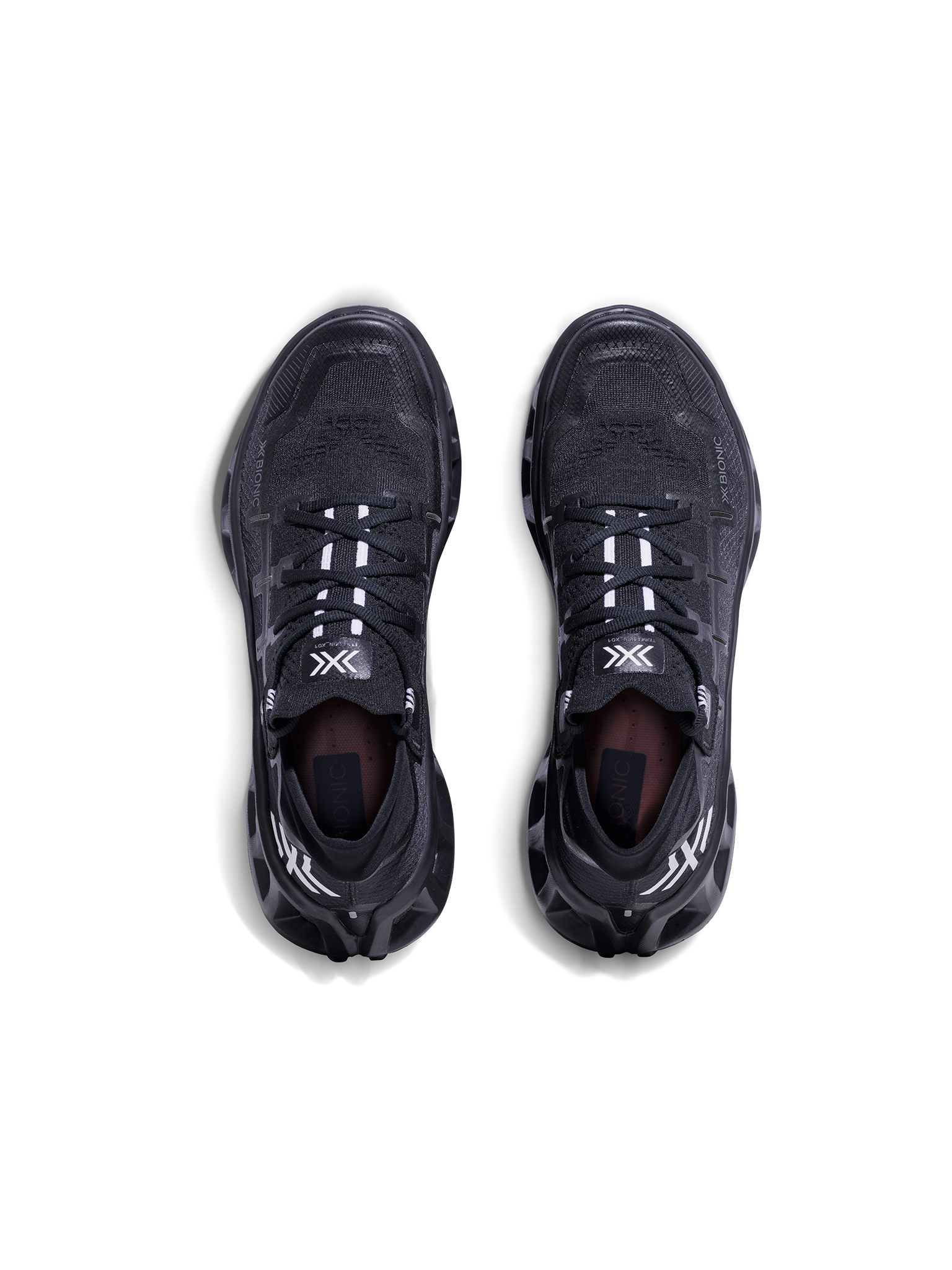
Secure heel lock
Adequate toe box space
Stable midfoot hold
The toe box must allow natural expansion without slippage. Minimalist shoes may feel flexible but lack protection. The best trail shoes balance comfort and structural control.
Men’s Trail Running Shoes – What to Consider
Men’s trail running shoes and men’s trail running models often differ slightly in fit and support structure.
When choosing men’s trail running shoes:
Evaluate cushioning preference
Check drop height (low-drop shoes vs. standard)
Consider whether you need rock plates for rocky trails
A pair of running gear is only as good as the foundation. Your shoe for every condition should match your terrain, not marketing claims.
Trail Running Shoes of 2026 – What to Expect
The trail running shoes of 2026 will likely combine:
Advanced midsole materials
Carbon plate integration for propulsion
More refined outsole lug geometry
Improved durability
But technology alone doesn’t define the best trail running experience. Real performance is about synergy between shoe and athlete.
X-Bionic’s approach focuses on biomechanical efficiency rather than chasing trends.
How to Find the Best Trail Running Shoe for You
Helping you find the best solution means asking:
Do you run on light trail or rugged terrain?
Do you need more cushion or more control?
Do you prioritize speed or durability?
Find the best trail option by aligning shoe function with terrain demands.
If you want one shoe that can handle mixed conditions, choose a versatile trail running shoe with balanced traction and cushioning.
Final Thoughts – Find the Perfect Pair
The best trail running shoe is not the most expensive or the most hyped. It is the shoe that performs well for your trail run.
From technical terrain to everyday trail adventures, from lightweight trail efforts to ultra trail distances, the right model will provide reliable traction, protection and stability.
Trail running is not just running off-road. It is precision on uneven ground.
Find the perfect pair.
Test them on real terrain.
Trust the shoe that can handle every trail.