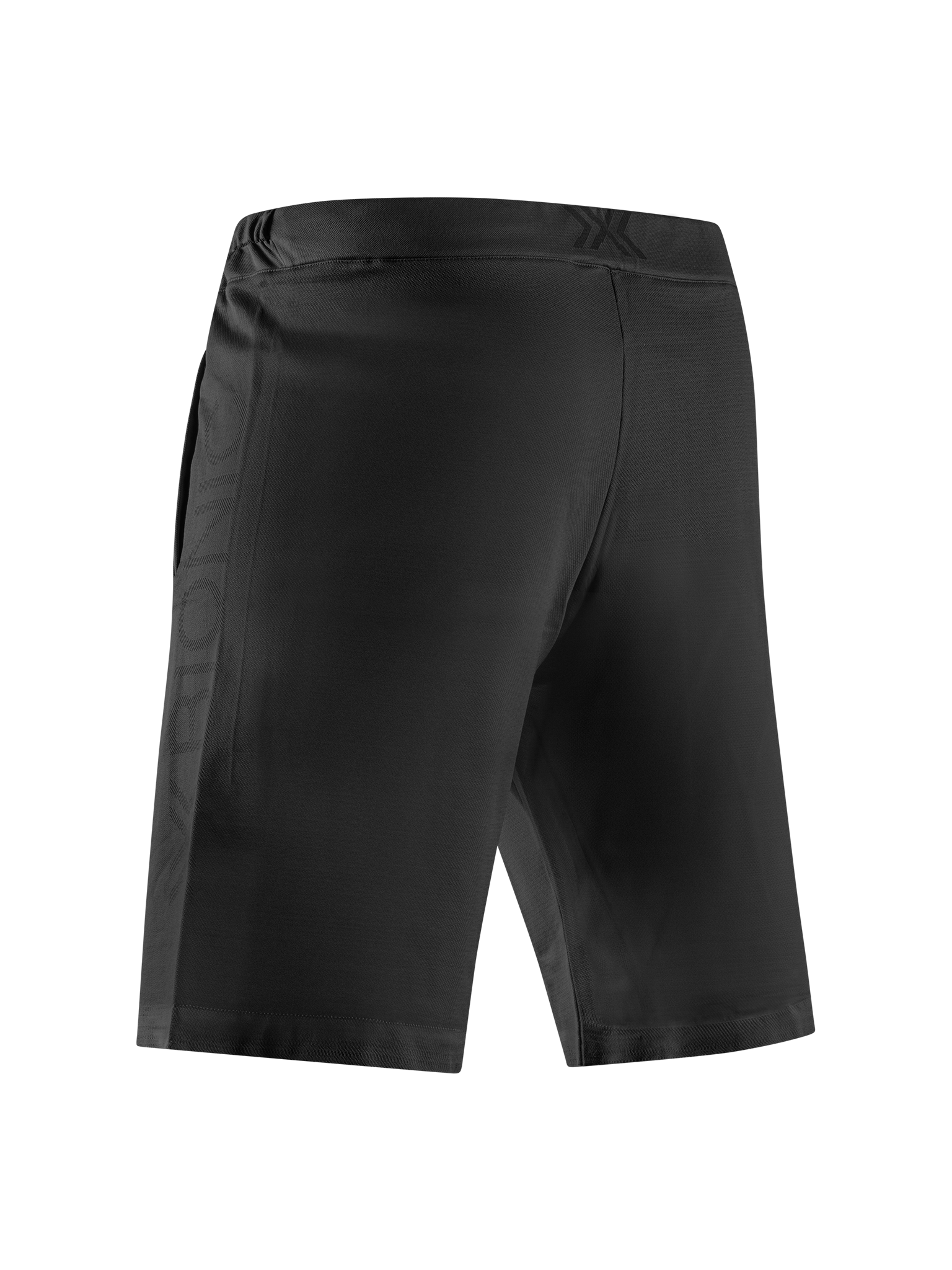
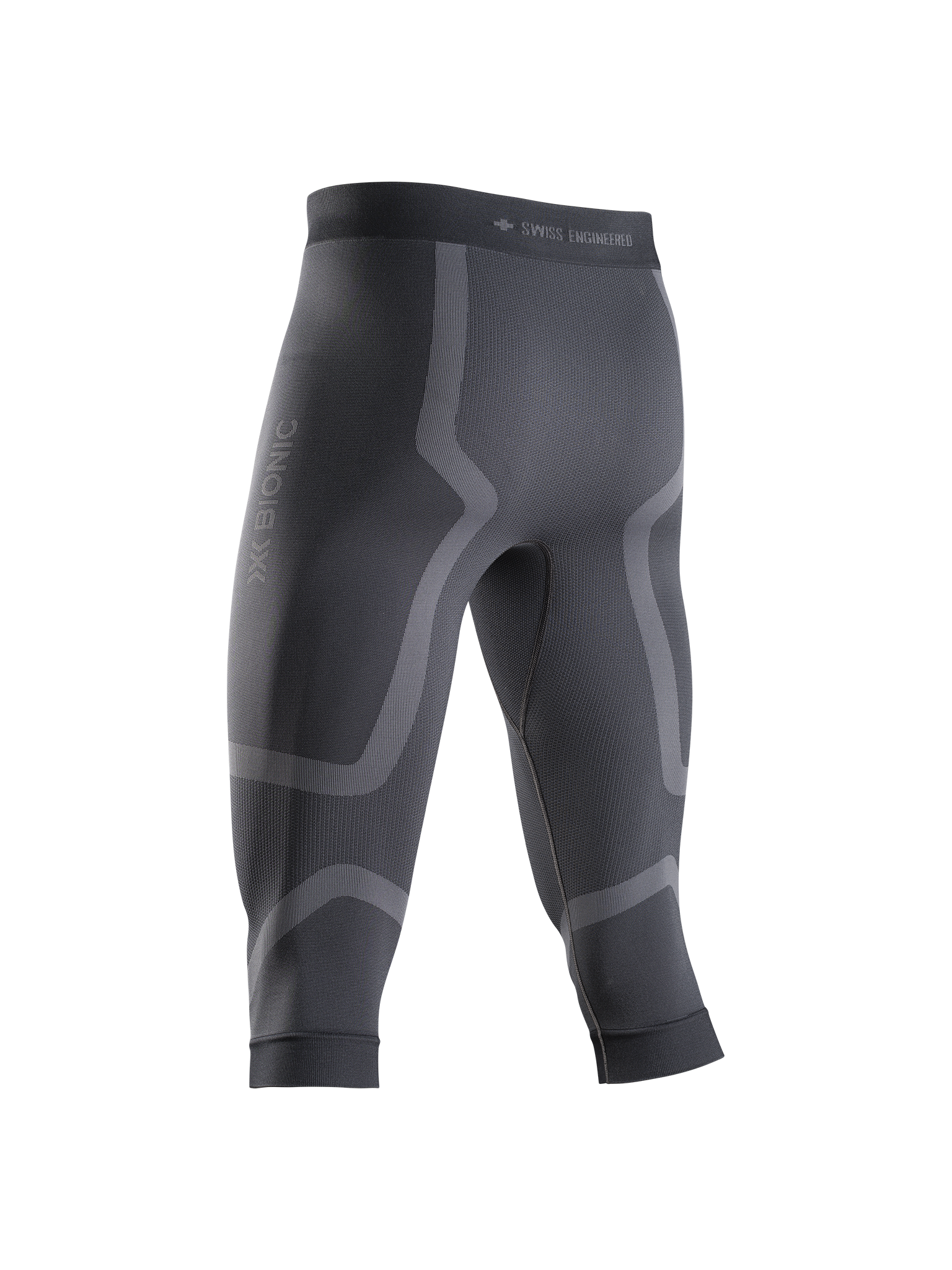
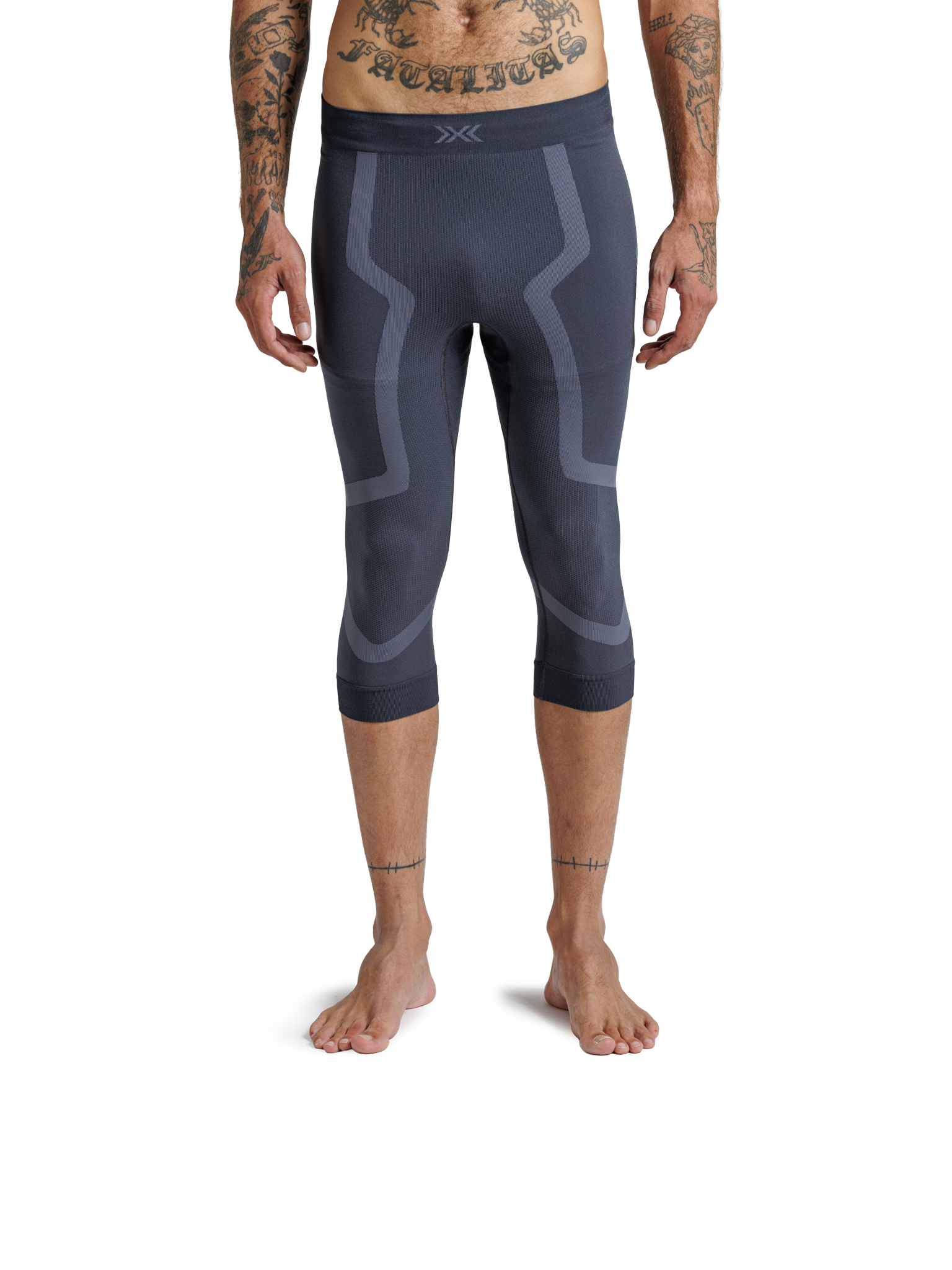
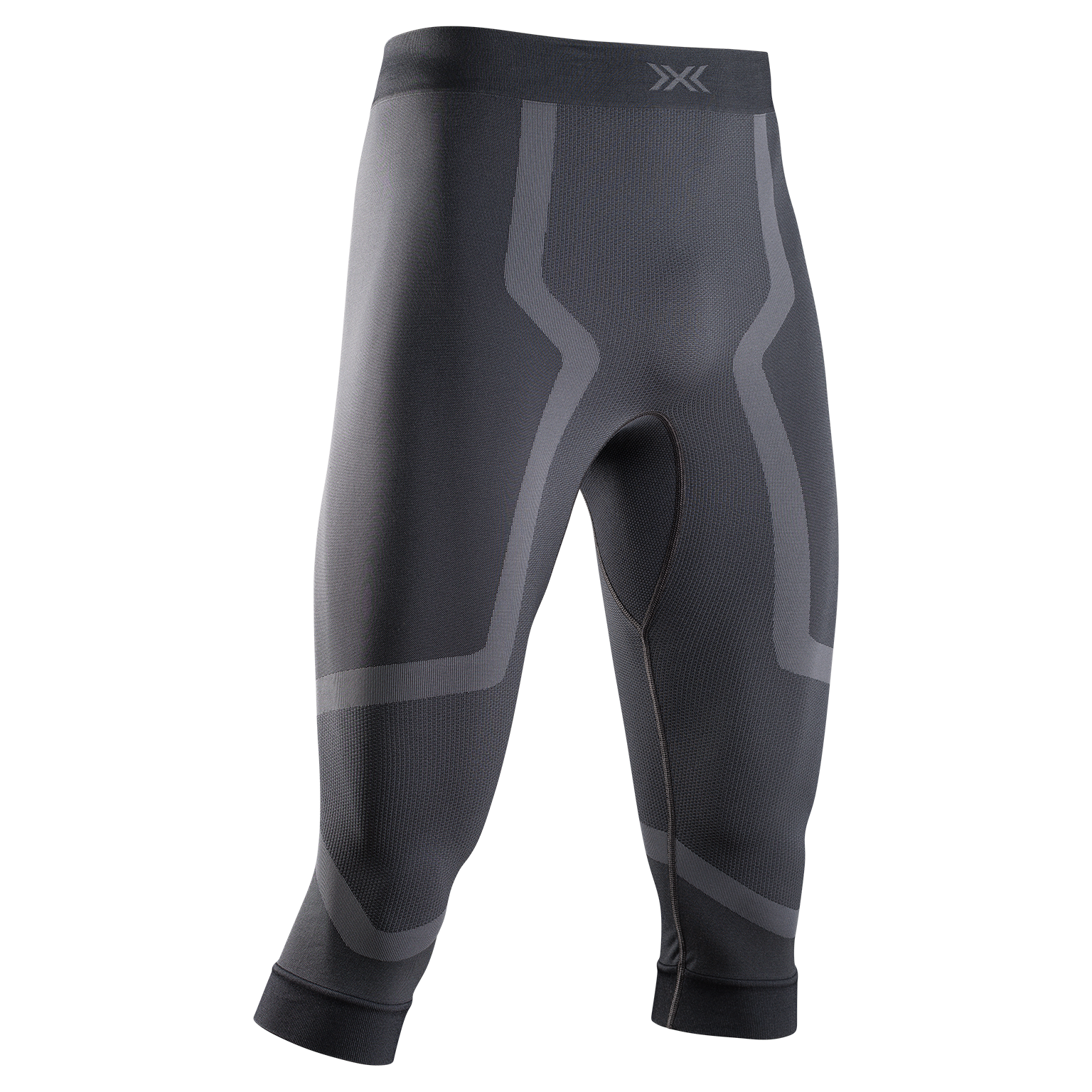
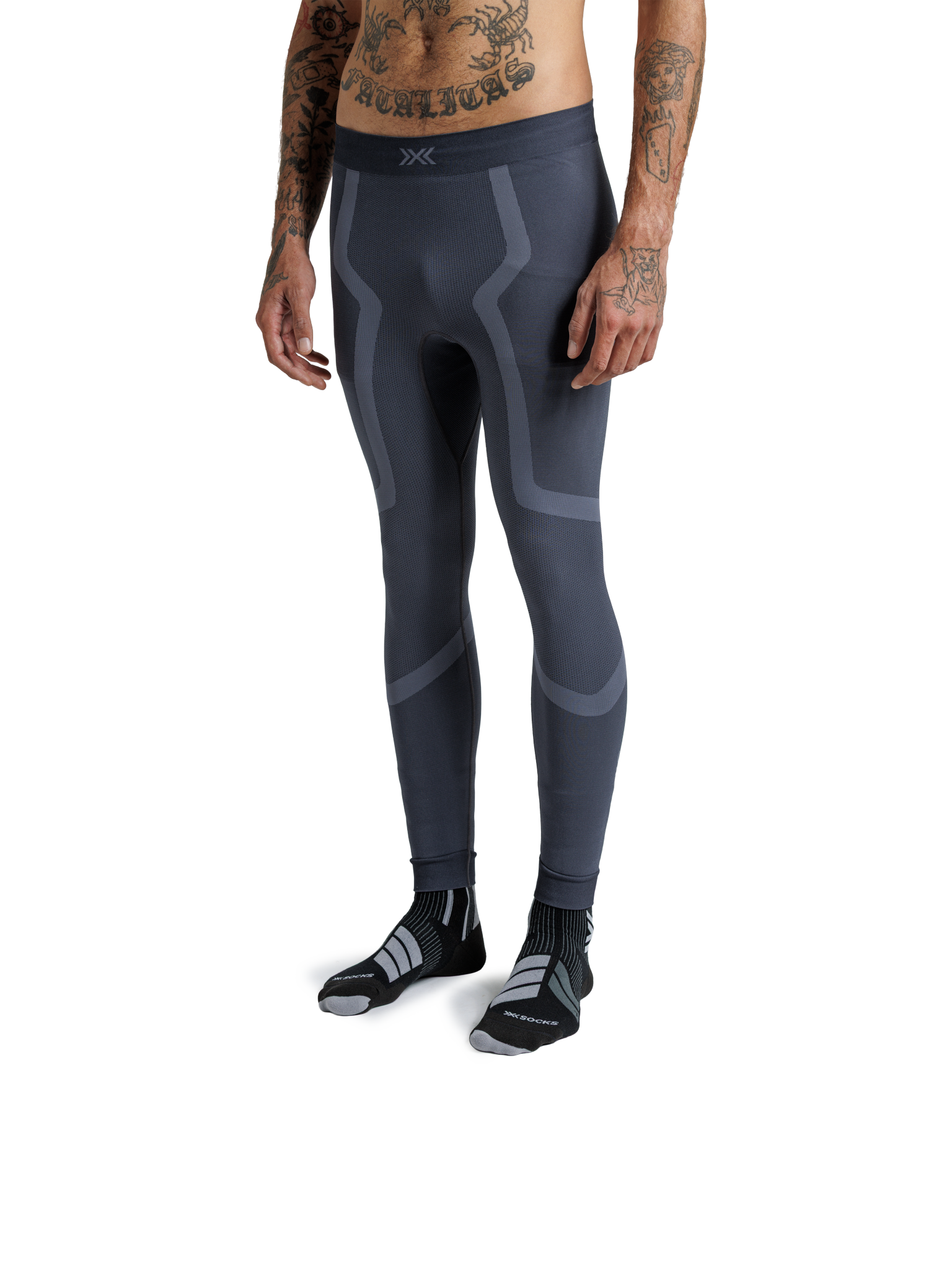
Training shorts represent the cornerstone of athletic apparel. Your choice directly impacts performance, comfort, and freedom of movement during every workout session.
The inseam length directly affects your range of motion and personal preference. A 3 inch inseam offers maximum mobility for dynamic movements. The 5 inch provides balanced coverage without restriction. The 7 inch delivers extended coverage while maintaining athletic functionality.
Your training style determines your optimal length. High-intensity training benefits from shorter inseams that enhance mobility. Strength training often works well with moderate coverage. Personal preference and body type also influence your ideal size selection.
Performance Fabric Technologies
Technical fabric construction separates performance shorts from standard athletic wear. Advanced synthetic blends provide four-way stretch that moves with your body during every lift and session. The fabric must manage moisture effectively while maintaining durability through repeated training cycles.
Breathable construction enhances airflow around your body's core temperature zones. Sweat-wicking properties pull moisture away from skin contact points. This systematic approach to moisture management keeps you focused on performance rather than distraction during training.
Essential Design Features for Training
Storage solutions matter during extended workout sessions. A secure zip pocket protects essentials without adding bulk or affecting movement patterns. Multiple pocket configurations offer versatile storage options that adapt to different training environments.
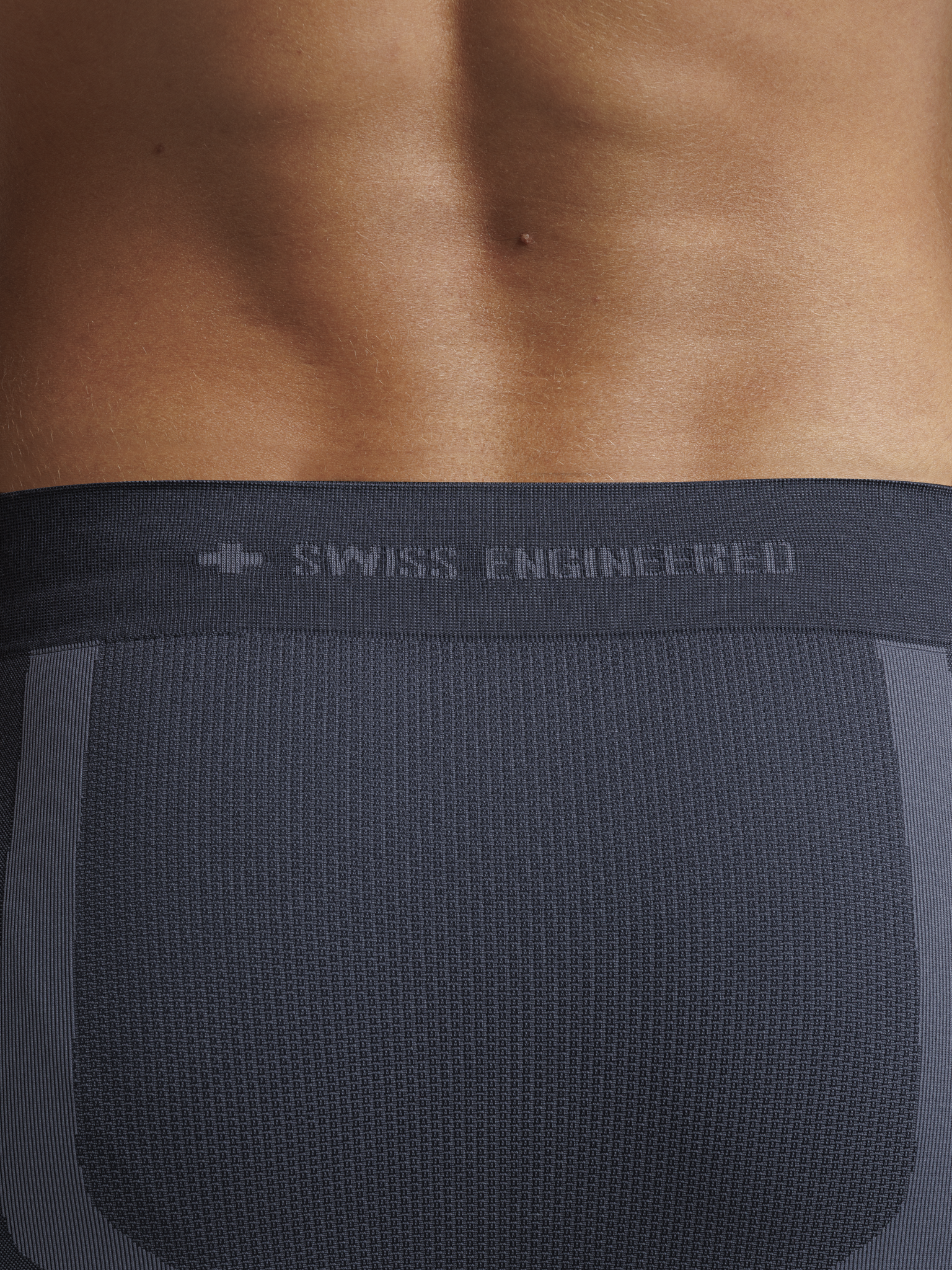
Waistband engineering affects comfort throughout your entire session. A well-designed waistband distributes pressure evenly while maintaining position during dynamic movements. The waist construction should enhance rather than restrict your natural breathing patterns.
Compression vs. Loose-Fit Training Shorts
Compression shorts provide targeted support through graduated pressure zones. This compression technology can enhance blood circulation and reduce muscle fatigue during extended training sessions. The compression also offers additional coverage and support for specific training activities.
Loose-fit athletic shorts prioritize airflow and cooling. The increased space allows maximum air circulation around your legs. This design works particularly well for cardio-intensive training where heat management becomes critical to performance.
Liner Systems and 2 in 1 Designs
Built-in liner systems eliminate the need for separate underwear. The liner provides essential support while the outer short delivers coverage and style. This 2 in 1 approach reduces bulk and simplifies your training gear selection.
Linerless designs offer maximum versatility. You can pair them with your preferred compression layer or wear them independently. This approach provides complete control over your comfort and support preferences for different training scenarios.
Men's Training Shorts Specific Considerations
Men's athletic shorts require specific engineering for optimal performance. The cut and construction must accommodate natural movement patterns while providing appropriate coverage. Men's gym shorts often feature reinforced stress points that handle the demands of strength training.
Men's training apparel benefits from strategic ventilation zones. These areas enhance cooling where men typically generate the most heat during training. The result is improved comfort and sustained performance throughout longer workout sessions.
Caring for Your Training Shorts
Proper maintenance extends the lifespan of your training shorts and preserves their performance characteristics. Always wash in cold water to prevent fabric degradation and color fading. Avoid fabric softeners, as they can interfere with moisture-wicking properties and reduce the effectiveness of technical fabrics.
Turn shorts inside out before washing to protect the outer surface from abrasion. Use a gentle cycle and wash with similar colors to prevent bleeding. For compression shorts, the elastic fibers require extra care to maintain their supportive properties over time.
Air drying is preferable to machine drying, which can break down synthetic fibers and elastic components. If you must use a dryer, select the lowest heat setting. High temperatures can permanently damage the technical properties that make your training shorts perform effectively during workouts.
Conclusion
Selecting the right training shorts significantly impacts your workout performance and comfort. Focus on fabric technology, fit, and features that align with your specific training needs. Quality construction ensures your investment supports countless training sessions while maintaining the performance characteristics that enhance your athletic pursuits. Choose wisely, and your training shorts will become an essential component of your fitness success.
Frequently Asked Questions
What makes training shorts different from casual shorts?
Training shorts feature technical fabric that manages sweat and provides stretch for athletic movement. The construction includes reinforced seams and performance-oriented design elements that casual shorts lack. These performance benefits directly enhance your workout experience and durability.
How do I choose between different inseam lengths?
Your training style and personal preference determine optimal inseam length. Shorter inseams (3 inch) maximize mobility for dynamic exercises. Longer inseams (7 inch) provide more coverage while maintaining athletic functionality. Consider your primary training activities when making this decision.
Are compression shorts better than regular workout shorts?
Compression shorts offer specific performance benefits through graduated pressure that can enhance circulation and provide muscle support. Regular workout shorts prioritize airflow and cooling. Your choice depends on whether you need the additional support that compression technology provides for your training.
What storage options should I look for in training shorts?
Essential storage includes at least one secure zip pocket for keys or phone. Additional side pockets can hold smaller items without affecting movement. Avoid designs with excessive pockets that add bulk or create pressure points during training sessions.
How should training shorts fit for optimal performance?
Training shorts should allow complete freedom of movement without excess fabric that causes distraction. The waistband should sit comfortably without rolling or pinching. The length should provide appropriate coverage while enabling full range of motion for your specific training activities.
Discover your optimal training setup with performance shorts engineered for serious athletes. Every design element serves a specific purpose: enhancing your output, managing your body's thermal requirements, and providing the durability that consistent training demands. Experience the difference that systematic engineering makes in your daily workout routine.